Traveling through Vietnam (베트남 / 越南 / ベトナム) between October and December often means dodging heavy downpours in the north and central regions. If you are looking to avoid the worst of the monsoon, the key is to stay south of Hue and lean into the coastal microclimates. This 10-day itinerary prioritizes the southern half of the country, where the weather remains manageable and the coastal breeze keeps the humidity in check.
Day 1-2 — Saigon: The Urban Anchor
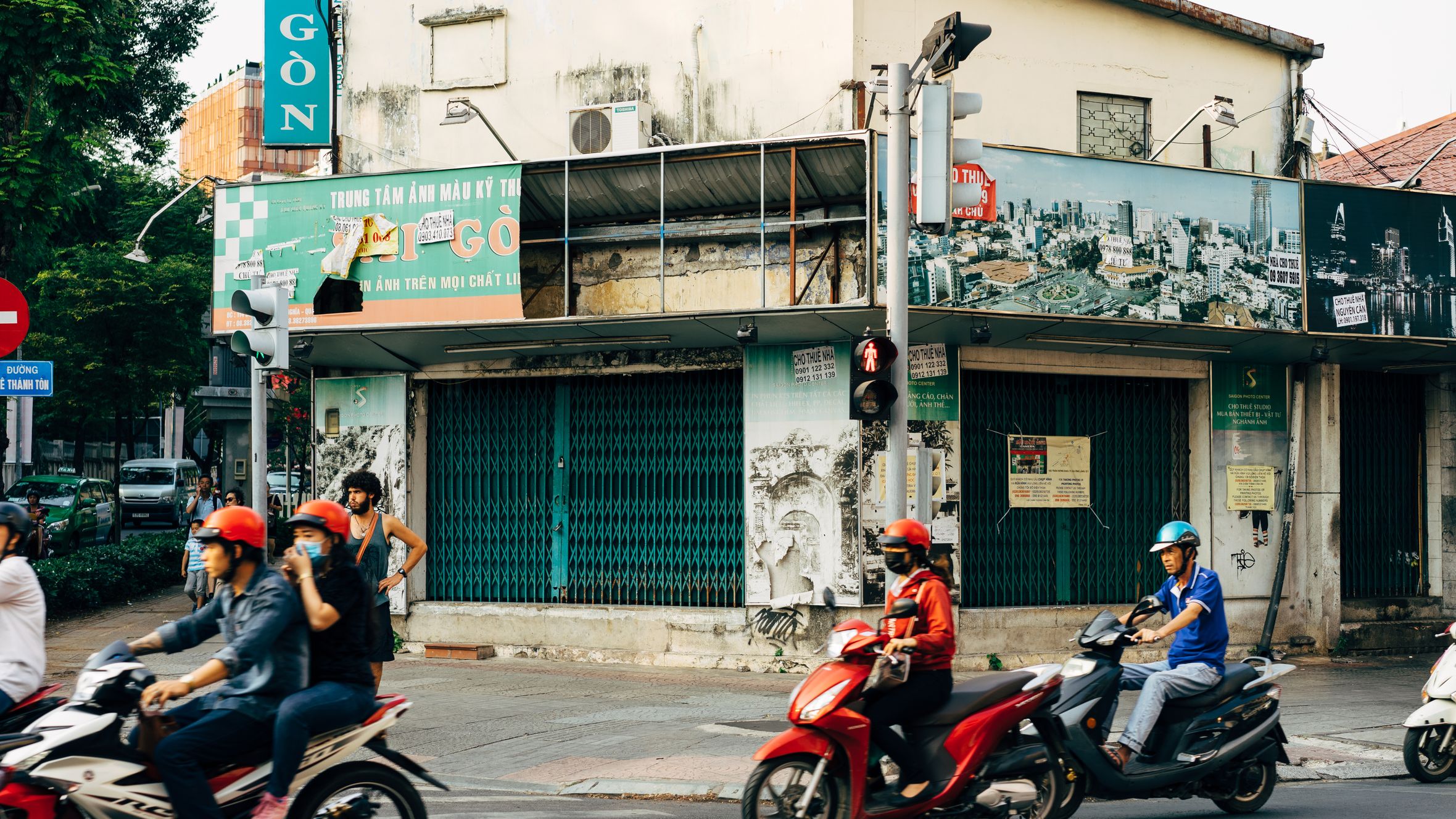
Start in Saigon. While it sees afternoon showers, they are usually short-lived. Spend your first day wandering the alleyways of District 3 to find a quiet "ca phe sua da". For dinner, skip the tourist traps and head to a local spot for "com tam"—broken rice with grilled pork. On Day 2, visit the "Ben Thanh Market" early in the morning before the heat sets in, then head to a "cai luong" performance if you can find a local theater hosting a show. It is the best way to understand the city's rhythm.
Day 3-4 — Mui Ne: The Dry Coastal Pocket
Mui Ne is a reliable choice during the rainy season because it sits in a unique dry belt. Take a bus or private car from Saigon (사이공 / 西贡 / サイゴン) (about 4-5 hours). Spend your time exploring the red and white sand dunes. The wind here is strong, which keeps the air fresh. Eat plenty of local seafood; the "banh xeo" here is often made with fresh squid caught just hours before. It is a slower pace than the city, perfect for recalibrating.
Day 5-6 — Da Lat: The Highland Refuge
From the coast, head up to the Central Highlands. Da Lat is cooler, and while it gets mist, it is rarely the torrential rain you find on the coast. The winding drive takes about 3-4 hours. Visit the local markets for "artichoke tea" and wander the pine forests. The architecture here, a mix of French colonial and local design, provides a moody, atmospheric backdrop. Grab a bowl of "banh can"—small, crispy rice cakes—from a street vendor near the night market to warm up in the evening chill.

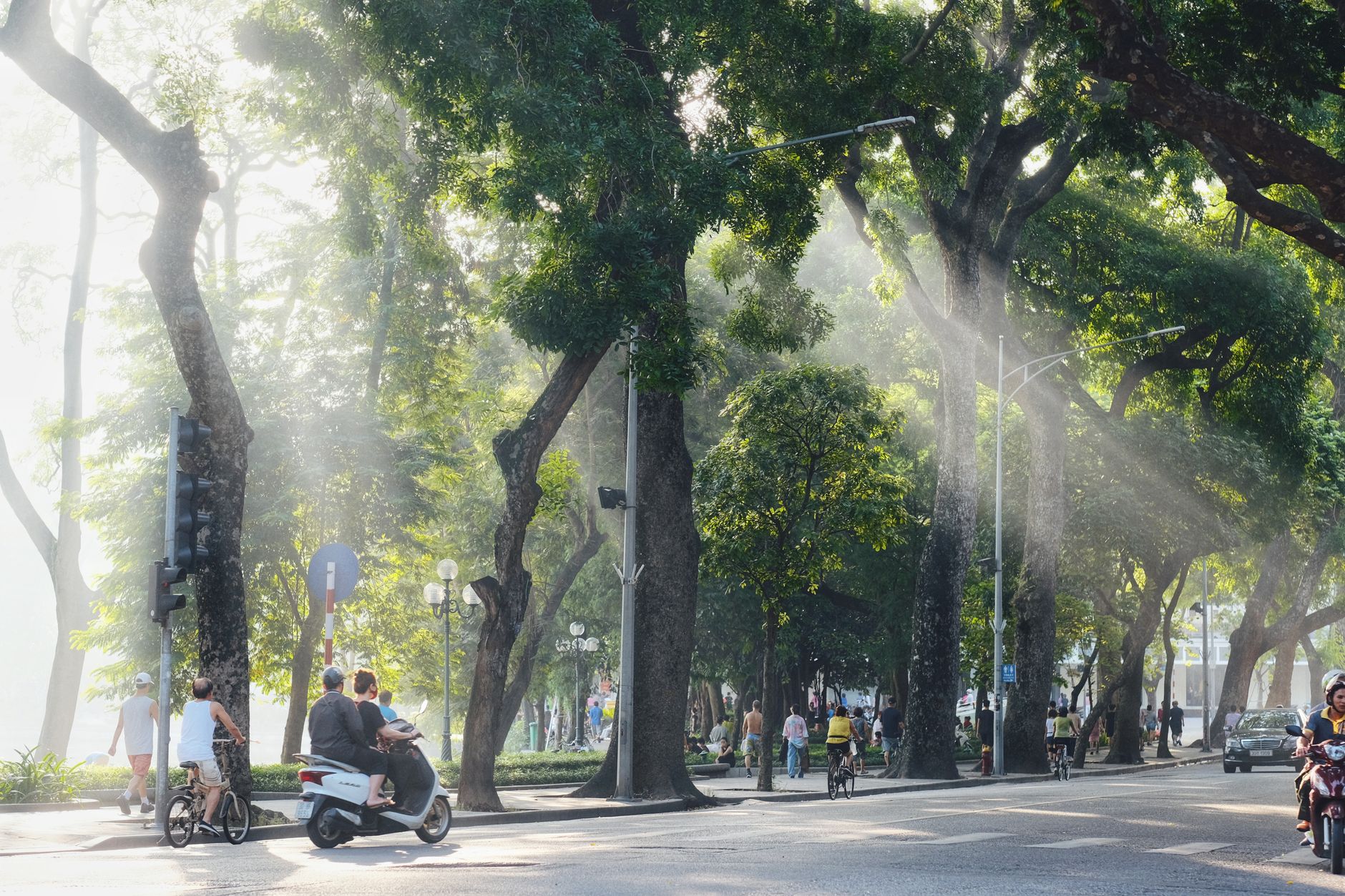
Photo by Quang Nguyen Vinh on Pexels
Day 7-8 — Da Nang: The Central Pivot
Fly from the Da Lat airport to Da Nang. While Da Nang can be wet, it is the most accessible base for the central coast. Spend your time in the city rather than the beach during the rainy spells. Visit the "Dragon Bridge" at night and explore the local food scene. You must try "mi quang", a turmeric-infused noodle dish that is a staple of the region. If the rain lets up, a quick trip to the "Marble Mountains" is manageable, but keep your plans flexible.
Day 9 — Hoi An: The Ancient Port
Take a 30-minute drive south to Hoi An. Even in the rain, the yellow-walled shophouses and the lantern-lit streets have a distinct charm. This is the place to try "cao lau", a noodle dish that can only be made with water from a specific local well. Spend the day browsing the tailor shops or ducking into a cafe to watch the rain hit the tiled roofs. It is a slower, more contemplative experience than the summer months.

Photo by Võ Văn Tiến on Pexels
Day 10 — Departure
Wrap up your trip in Da Nang. Before your flight, grab one last "banh mi" from a local stall—the crust should be shattered-glass thin and the pate rich. If you have time, a quick stop at a local pagoda provides a quiet end to the journey before heading to the airport.
Practical notes
Pack a lightweight, breathable rain shell rather than a heavy poncho, as the humidity remains high even when it rains. Always carry a small dry bag for your electronics, and keep your itinerary loose; the weather in the central region can shift rapidly, so be prepared to swap a beach day for a museum visit or a long, slow lunch.
Last updated · May 30, 2026 · independently researched, never sponsored.