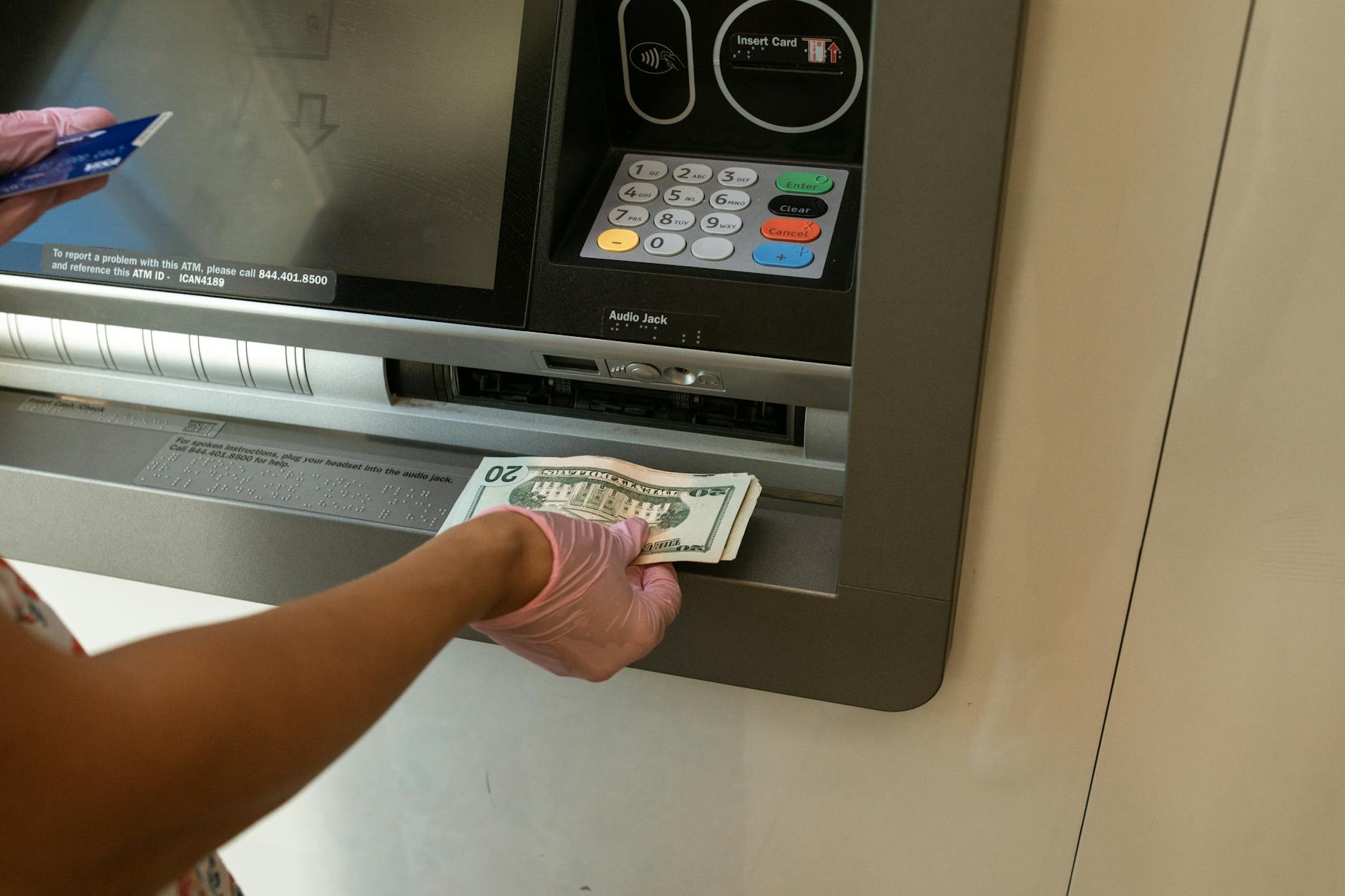
Plenty of people spend months in Vietnam (베트남 / 越南 / ベトナム) running entirely on ATM withdrawals and cash, paying 40,000–80,000 VND per transaction in fees every time. A local bank account fixes that — but whether you can get one depends almost entirely on what visa you are holding.
The Core Rule: Visa Type Comes First
Vietnamese banks are not trying to be difficult. They are following anti-money-laundering requirements that tie account eligibility to your legal residency status. The rough breakdown works like this:
- Tourist visa (e-visa, visa on arrival, 30–90 day stamp): Most major banks will turn you away at the door. A few will try to open a limited account, but results are inconsistent branch to branch.
- Three-month or six-month multiple-entry visa with a clear purpose (work, study, investment): Better odds, especially at private commercial banks.
- Temporary residence card (TRC) or work permit: You are in the clearest position. Banks treat TRC holders similarly to residents and the process becomes relatively straightforward.
- Permanent residence: Full access, same as a Vietnamese citizen in practice.
If you are planning to stay long-term, getting your work permit or TRC sorted before attempting to open a bank account will save you multiple wasted trips.
Which Banks Are Worth Trying
TPBank
TPBank has become one of the more foreigner-friendly options in recent years, largely because their app-first approach means less paperwork friction at the branch level. With a valid passport, a work permit or TRC, and a local phone number, branches in Hanoi and Saigon have been processing accounts for foreigners in under an hour. Their TPBank LiveBank kiosks — essentially self-service booths inside convenience-store-style spaces — can even issue a debit card on the spot in some locations, which almost no other bank offers.
VPBank
VPBank is another realistic option. They have a larger branch network than TPBank and have been reasonably consistent about accepting foreigners with work permits. Some users report success with only a six-month visa and a local employment contract, though this varies by branch and by which staff member you get. Bring your passport, work permit or TRC, and if you have it, a letter from your employer or a utility bill showing a local address. Having a Vietnamese colleague or friend come with you to translate speeds things up considerably.
Techcombank and BIDV
Techcombank is popular among long-term expats because their English-language app is solid and transfers between Vietnamese accounts are fast. Requirements are similar: passport plus TRC or work permit. BIDV (a state-owned bank) is technically accessible to foreigners with proper residency documentation, but branches vary widely in how they handle foreign applicants and the process tends to be slower. State banks are worth trying if you have a TRC and the others have not worked out.
VietcomBank
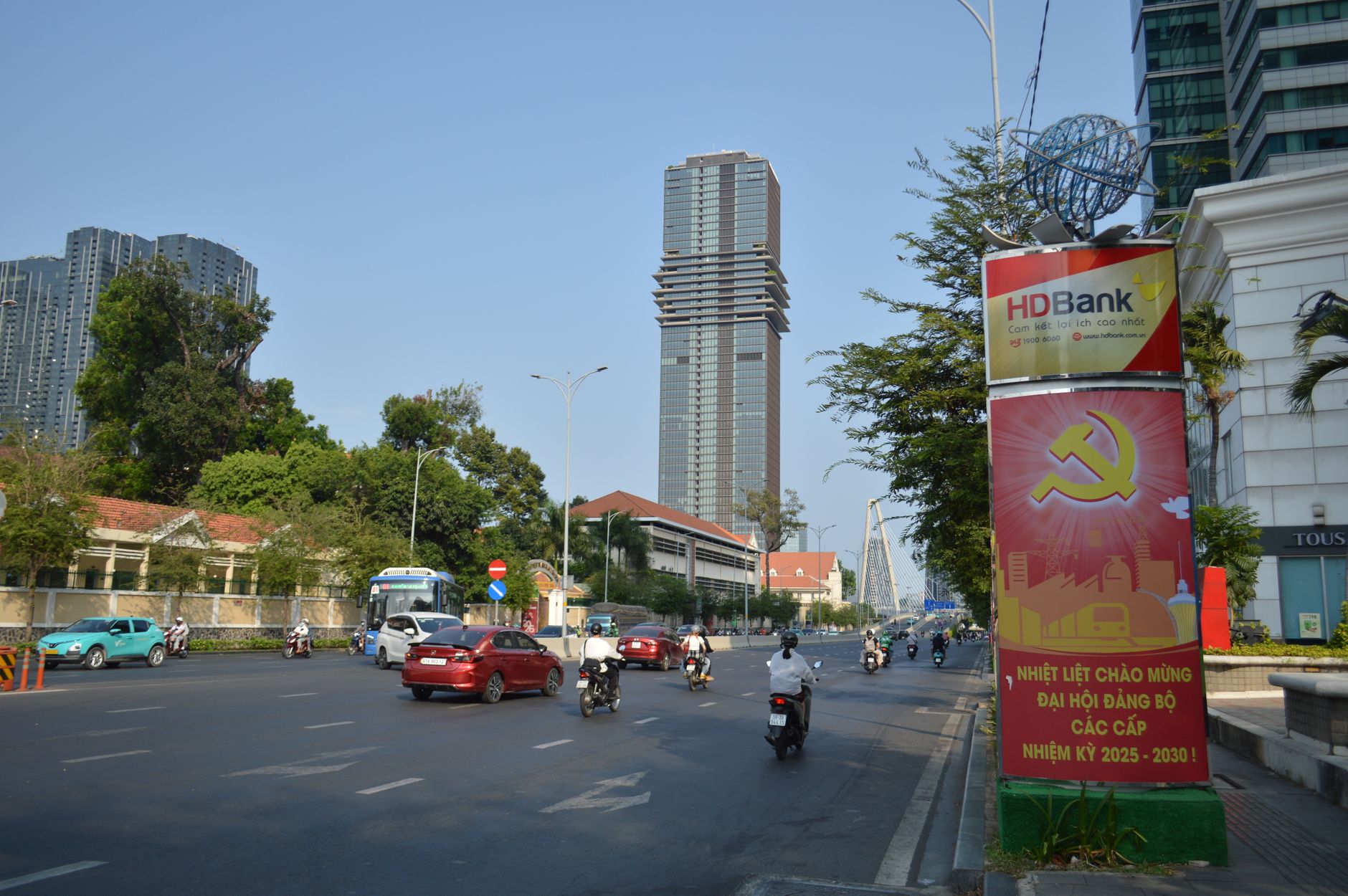
Vietcombank is the biggest name in Vietnamese retail banking and the most widely used by locals. Their international transfer capabilities are strong and their ATM network is everywhere. The downside: their branches are often busy, their staff English is more limited than at TPBank or Techcombank, and they can be stricter about documentation. TRC holders generally succeed; tourist-visa holders almost never do.

Photo by Nguyen Duc Toan on Pexels
What Documents You Need to Bring
For any bank, assemble this stack before you go:
- Original passport (not a photocopy — they will scan it)
- Valid visa page or entry stamp
- Work permit issued by the Ministry of Labour, or your temporary residence card
- Local Vietnamese phone number (they will send OTP verification — get a SIM first)
- Proof of address in Vietnam — a rental contract, a utility bill in your name, or a hotel registration letter works at some banks
- Employment contract or business registration if you are self-employed or running a company
Some branches ask for a minimum opening deposit, typically 50,000–200,000 VND. Not a barrier, just have some cash ready.
The Typical Wait
At TPBank with everything in order: 30–60 minutes for account opening, card issued same day at LiveBank kiosks, or within 3–5 business days by courier if you go through a standard branch.
At VPBank or Techcombank: usually 1–2 hours in branch, card arrives in 5–10 business days. You will get a temporary account number and can start using internet banking before the card arrives.
At BIDV or Vietcombank: allow a full morning. Paperwork is heavier and internal approval steps occasionally require a follow-up visit.

Photo by Nguyễn Hoàng Văn on Pexels
What You Can and Cannot Do With the Account
A foreigner's bank account in Vietnam functions normally for domestic purposes: receiving a local salary, paying rent via transfer, topping up Grab or Momo, paying utilities. International wire transfers in and out are possible but usually require an additional step — showing proof of income source or a reason for the transfer, depending on the amount. Large inbound transfers above certain thresholds may prompt the bank to request documentation.
Online shopping on Vietnamese platforms (Shopee, Tiki, Lazada) works immediately once your debit card is linked.
Bottom Line
If you are on a tourist visa and only passing through, just keep using ATMs and factor the fees in as a travel cost — the banking system is not set up to serve you quickly. If you are staying three months or more and have a work permit or TRC, TPBank and VPBank are the easiest starting points: go in person, bring the full document stack, and expect the whole thing to take under two hours on a good day.
Last updated · May 30, 2026 · independently researched, never sponsored.