Stay calm and secure your accounts
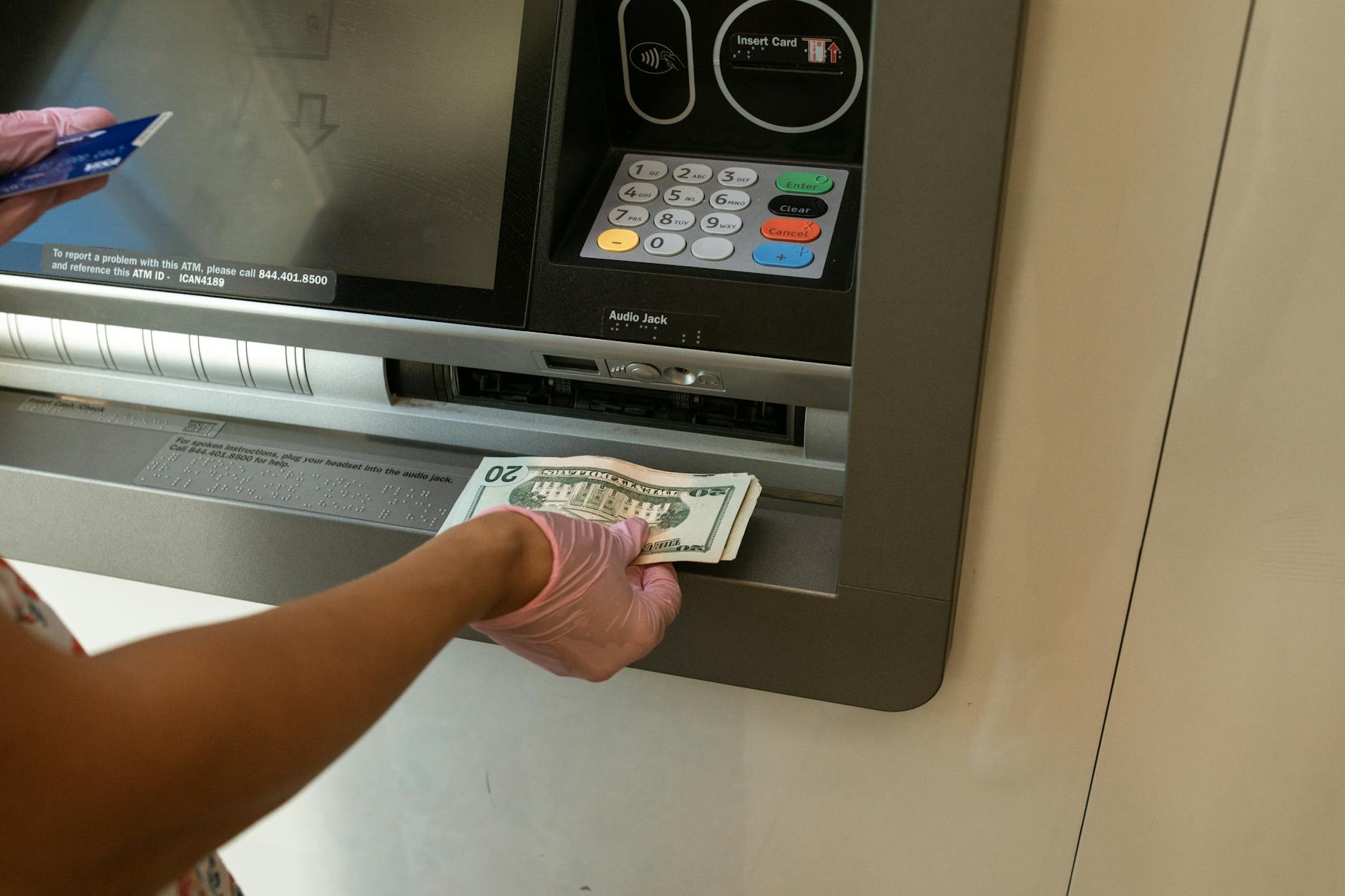
If you have just been targeted by a snatch-theft—usually a motorbike rider pulling a bag or phone from your hand—your first priority is safety. Do not chase the thief. Motorbike snatchers are often part of a coordinated group, and pursuing them through traffic is a recipe for a secondary accident. Once you are safe, immediately prioritize the digital: freeze your credit cards, change your banking passwords, and use 'Find My Device' to lock your phone. If you have a local SIM card, call your provider to suspend the line so it cannot be used for two-factor authentication bypasses.
The police report process
In Vietnam (베트남 / 越南 / ベトナム), reporting a theft is primarily for insurance purposes rather than a realistic expectation of recovering your items. You need to head to the local police station (Cong An) in the ward where the incident occurred.
When you arrive, do not expect the officers to speak fluent English. If your Vietnamese is limited, bring a local friend or a hotel staff member who can act as a translator. You will need to file a formal statement, known as a 'bien ban'. Be prepared to wait; the process is bureaucratic and involves significant paperwork. You must provide your passport details, a clear timeline of events, and a list of stolen items.
Essential tips for the station:
- Bring copies: Have a photocopy of your passport and visa ready.
- Be specific: When describing the items, include serial numbers if you have them. If you are claiming insurance, the police report must be detailed enough for your provider to accept it.
- Patience is currency: It is common to be asked to return the next day to collect a stamped copy of the report. Do not get frustrated; this is standard procedure.

Photo by Loifotos on Pexels
Avoiding common mistakes
Many travelers make the mistake of assuming the police will immediately launch an investigation. In reality, unless there is CCTV footage or a clear lead, the police are often limited in what they can do. Do not offer money to officers to 'speed up' the process; this is illegal and will not help your case.
Another common error is failing to get the report stamped. A handwritten note is useless for insurance. Ensure the document has the official blue or red stamp of the ward police station. Without this, your travel insurance company will almost certainly reject your claim.
Dealing with lost documents
If your passport was in the stolen bag, your situation is more complex. You must report this to the police immediately to get a document confirming the loss. You will then need to contact your country’s embassy or consulate in Hanoi or Ho Chi Minh City. They will issue an emergency travel document or a temporary passport.
Keep in mind that you will also need to visit the Immigration Department to resolve your visa status, as your original visa was tied to your passport number. This can take several days, so factor this into your travel plans if you have a flight scheduled.
Photo by Loifotos on Pexels
Prevention is better than recovery
While theft is not an everyday occurrence, it happens in busy areas like the streets surrounding Ben Thanh Market or the crowded lanes of the Hanoi (하노이 / 河内 / ハノイ) Old Quarter. Use a cross-body bag worn on your front, not your back. When sitting at a street-side cafe, keep your phone off the table and tucked away. If you are taking a taxi, ensure it is a reputable company like Mai Linh or Vinasun, and keep your bag on your lap rather than on the floor.
If you find yourself needing a break after a stressful incident, find a quiet spot for a "vietnamese coffee" or a bowl of "pho" to regroup. The local community is generally helpful, and you will find that most people are willing to assist you in finding the nearest station if you ask for directions to the 'Cong An'.
Final note
Treat the police report as a strictly administrative task for your insurance claim. Keep your cool, bring a translator, and ensure you walk away with a stamped, official document before you leave the station.
Last updated · May 30, 2026 · independently researched, never sponsored.