Why this route
This 4-day loop hits the two most rewarding mountain destinations in Vietnam (베트남 / 越南 / ベトナム)'s far north without the guided-tour markup. You'll use public buses and trains, stay in local guesthouses, and have room to skip the clichéd photo spots if you want. Total budget runs 3–5 million VND (130–215 USD) per person, depending on guesthouse choices and how much you eat out.
The route is doable because the infrastructure is now solid: paved roads connect Hanoi to Sapa, Sapa to Ha Giang, and Ha Giang loops are navigable by motorbike or on foot. You won't need a tour operator, though you will need patience for bus schedules and Vietnamese-language booking.
Day 1 — Arrival and overnight to Sapa
Morning/afternoon in Hanoi (하노이 / 河内 / ハノイ)
Arrive at Noi Bai Airport (24 km northeast) and take a shared minibus into central Hanoi (50,000–80,000 VND, 1 hour). Drop is usually Old Quarter or Hoan Kiem area. If you arrive before noon, grab lunch near the central post office or in the Old Quarter — "pho", "banh mi", "bun cha" stalls are everywhere on the backstreet lanes (Hang Gai, Hang Be, Ta Hien).
Spend the afternoon wandering Hoan Kiem Lake, the Temple of Literature, or just sitting in a ground-floor coffee shop watching the street. Don't overpack the itinerary; you'll want rest before the overnight bus.
Evening: bus to Sapa
Depart Hanoi around 21:00–22:00 on an overnight bus heading to Sapa (340 km, 9–10 hours). Buses leave from several stations: Gia Lam (east bank, for Ha Giang connections later), or more commonly, from ticket offices clustered around the Old Quarter (ask your guesthouse to book). Prices: 300,000–500,000 VND depending on comfort. Mid-range: Sapa Express, Sapa Topas. Budget: tourist minibuses ("sleeper" buses with 2-tier bunks).
The road is decent but winding; bring a neck pillow and earplugs. You'll arrive in Sapa town around dawn (06:00–07:00).
Cost: 80,000–120,000 VND (transport + meal)
Day 2 — Sapa trekking and market
Early morning arrival
Step off the bus in Sapa town (1,600 m elevation) with the valley fog still thick. Leave your bag at a guesthouse (you can check in properly later) and grab coffee and "banh mi" from a stall near the central square. The air is cool — pack a light layer if you didn't bring one.
Trekking options
You have two routes without a guide:
-
Fansipan trek (6–8 hours, moderate-hard): Start early from Sapa town center, hike uphill through minority villages (Black Hmong and Red Dao), then either push to the 3,143 m summit (cable car runs 06:30–17:00 if legs fail) or loop back via Cat Cat village. Minimal trail marking; very doable if you have decent fitness. Bring 2 L water, snacks, rain jacket.
-
Cat Cat loop (4–5 hours, easy-moderate): Shorter option through ethnic minority hamlets with homestays selling crafts. Less crowded than Fansipan. Starts west of town center.
Alternatively, hire a local guide from your guesthouse (150,000–250,000 VND per day); they know the routes and village homestays.
Bac Ha market (day option, if you skip trekking)
Bac Ha market (1.5 hours by motorbike from Sapa) happens Sundays only — this is the authentic hill-tribe market, much quieter than the tourist version in Sapa town. If you're on-site Friday–Saturday, book a motorbike taxi (ask guesthouse) and ride out the evening before, stay overnight in a local guesthouse, then market-hop on Sunday morning. Cost: 300,000–400,000 VND for bike + driver for the day. Otherwise, skip it and focus on Sapa town market (small, daily, touristy but functional) or village homestay meals.
Evening
Return to Sapa town, shower, eat at a local restaurant (banh canh, grilled corn, vegetable stir-fry, 40,000–80,000 VND per dish). Stay in Sapa town center — guesthouses like Sapa View, Sapa Paradise, or Sapa Home run 200,000–500,000 VND for a double. Budget places (dorm beds, 80,000–120,000 VND) fill fast.
Cost: 300,000–700,000 VND (trek/guide, accommodation, food, motorbike if needed)
Day 3 — Sapa to Ha Giang
Morning departure
Eat breakfast in Sapa (30,000–50,000 VND), then head to the bus station (Sapa Bus Station, south of town center). Minibuses or vans depart mid-morning (08:00–10:00) heading to Ha Giang town (280 km, 8–10 hours depending on road condition). Direct connections are irregular — you may need to go Sapa → Phu Tho → Ha Giang, adding time. Cost: 250,000–400,000 VND.
Alternatively, if you want to break the journey: take a bus to Phu Tho (5 hours), stay overnight (cheap guesthouses, 150,000–250,000 VND), then onward bus next morning to Ha Giang (3 hours). This split eases the fatigue.
Arrival in Ha Giang
Ha Giang town is small, one main street), with basic guesthouses clustered nearby. Arrive mid-afternoon to evening. Shower, rest, and scout for motorbike rental (next day) or ask your guesthouse for routes.
Guesthouses in Ha Giang town: Hoang Anh, Ha Giang Tourist, Nam Cuong — 150,000–350,000 VND for a double.
Cost: 300,000–550,000 VND (transport + guesthouse)

Photo by Vietnam Hidden Light on Pexels
Day 4 — Ha Giang mini-loop
Motorbike or walking loop
Ha Giang's main draw is the Ha Giang Loop — a 360 km circuit through high-altitude passes and minority villages. You won't do the full loop in one day, but a mini-loop is very doable:
Rented motorbike option (6–8 hours):
- Motorbike rental: 150,000–200,000 VND/day (ask guesthouse; fuel ~30,000 VND for a full tank, 150 km range).
- Route: Ha Giang → Pho Cao (50 km, 2-hour ride north) → Meo Vac (another 50 km, 2 hours) → Dong Van (60 km, 2.5 hours east) → back to Ha Giang (50 km, 2 hours). Returns by late afternoon.
- Stops: Pho Cao viewpoint (passes and valley), Meo Vac town (Hmong center), Dong Van ancient town (stone architecture, local market on Sundays), Lung Cu flagpole (northern tip, 1,534 m). Fuel up in Dong Van or Meo Vac.
Walking/minibus option (easier, 6–7 hours):
- Tourist minibuses run loops from Ha Giang town (ask guesthouse, ~400,000 VND for a full-day group tour). Less freedom but no motorbike skills required.
- Or walk a half-day: Ha Giang → Pho Cao (6 km, 1.5 hours uphill) and return.
Food on the loop
- Stop at Meo Vac or Dong Van for lunch: "mi quang" or com tam (broken rice, 30,000–50,000 VND).
- Bring water and fruit if doing motorbike; small shops in towns but limited English.
Return to Ha Giang town by late afternoon. If departing same day (unlikely), catch an evening minibus back to Hanoi or onward destination; otherwise stay another night.
Cost: 250,000–450,000 VND (motorbike rental + fuel, food, entrance fees)
Transport options and booking
Hanoi to Sapa:
- Overnight bus (21:00–06:00): 300,000–500,000 VND, easiest for first-timers.
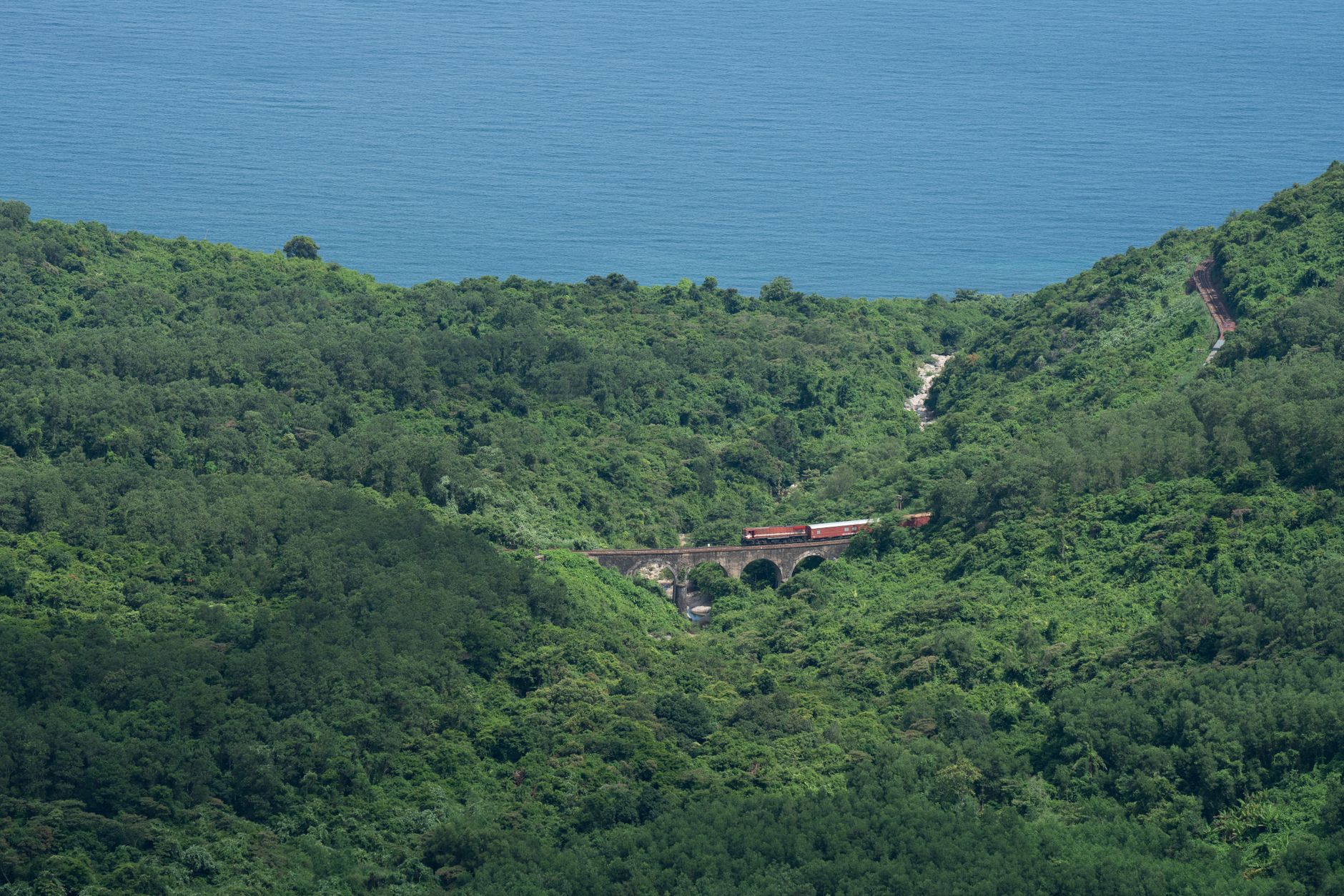
- Train option: Hanoi → Lao Cai (5–7 hours, day or overnight train, 400,000–800,000 VND depending on class), then minibus Lao Cai → Sapa (1 hour, 50,000 VND). Total cost higher, but scenic if you like trains.
Sapa to Ha Giang:
- Direct minibus (08:00–10:00): 250,000–400,000 VND, 8–10 hours; book day before at bus station or through guesthouse.
- Split via Phu Tho (adds a night but less rushed): Sapa → Phu Tho bus (5 hours, 150,000 VND) + overnight guesthouse (150,000–250,000 VND) + Phu Tho → Ha Giang bus (3 hours, 100,000 VND).
Booking:
- Sapa bus station: walk-in or phone (0214-3871 xxx, ask guesthouse for current number).
- 12Go Asia or Busbud apps work but add commission; better to book direct at a guesthouse or ticket office.
- Motorbike rental: always check brakes and tire condition, carry a copy of your passport, and get a written receipt.
Accommodation summary
| Location | Budget | Mid-range | Notes | |----------|--------|-----------|-------| | Hanoi (1 night) | 80,000–150,000 | 200,000–400,000 | Old Quarter or Hoan Kiem area; skip if arriving late | | Sapa (1 night) | 80,000–150,000 (dorm) | 200,000–500,000 (double) | Book ahead in high season (May–Sept) | | Ha Giang (1–2 nights) | 100,000–180,000 | 200,000–400,000 | Town center on Nguyen Hue; simple but clean |

Photo by Kirandeep Singh Walia on Pexels
What to pack
- Rain jacket and layers (Sapa and Ha Giang are cool year-round; fog common).
- Sturdy hiking shoes if trekking Fansipan.
- Motorbike helmet (required by law; rental includes one, usually clean-ish).
- Phone charger + power bank.
- Toilet paper and hand sanitizer (public restrooms sparse outside towns).
- Cash in VND (ATMs in Sapa town, limited in Ha Giang; withdraw in Hanoi or Sapa).
- Sunscreen and hat (altitude sun is intense).
When to go
- Sept–Nov: coolest and clearest; trails dry, visibility best. High season; guesthouses fill fast.
- Dec–Feb: cold, occasional frost in Ha Giang; fewer tourists; fog risk.
- Mar–Aug: hot and humid below 1,500 m; Sapa/Ha Giang still cool but rain frequent (wet trekking).
Avoid Tet (lunar new year, late Jan–early Feb) unless you want to see festival markets; locals travel home, buses crowded.
Practical notes
Book minibuses a day or two ahead if possible; routes fill, especially in high season. Motorbike riding in Ha Giang requires confidence on mountain passes (narrow, guardrail-free). Guides aren't essential but recommended if you're not a confident hiker or rider. Expect slow travel — expect breakdowns, schedule shifts, and seat-squishing on buses. That's part of the authentic northern Vietnam experience. Eating at small local stalls (not tourist restaurants) saves money and tastes better.
Last updated · May 29, 2026 · independently researched, never sponsored.