Lam Dong province sits high on Vietnam (베트남 / 越南 / ベトナム)'s central plateau, and choosing where to sleep depends on what you're chasing: alpine quiet, trekking access, or restaurant scenes. The province's accommodation landscape splits neatly between Da Lat (the biggest hub), smaller towns like Thac Dac, and homestays in coffee zones.
Da Lat — the obvious choice
Da Lat (달랏 / 大叻 / ダラット) is Lam Dong's largest city and the main draw for most visitors. The town sprawls loosely around Xuan Huong Lake, with two distinct staying zones: the backpacker strip near the lake, and quieter residential hills to the north and west.
Budget: 150,000–350,000 VND per night
The "backpacker ghetto" around Hang Nga street (south of the lake) clusters guesthouses in restored French villas and budget hotels. Expect shared dorms from 150,000 VND, private rooms from 250,000 VND. Rooms are modest—thin walls, basic bedding—but staff speak English and know the terrain. This zone works if you want other travelers and easy access to restaurant rows. The trade-off: noise until late, and you're paying for location, not quality.
Pick a place with a view of the lake over the cheapest basement rooms. Ten minutes' walk north (toward Thien Vuong Pagoda area) and prices drop 30–40 percent while noise drops faster.
Mid-range: 500,000–1,200,000 VND per night
This is where Da Lat shines. Colonial-era buildings converted into boutique guesthouses line quieter streets around Duong Thong Nhat (north side) and Hung Vuong avenues. Rooms here have actual character: high ceilings, wooden floors, balconies. Breakfast (usually bread, jam, eggs) is included. WiFi works. Staff are attentive. For 700,000–800,000 VND you get a well-run 20-room place with a small garden and hot water that doesn't cut off at 9 p.m.
Why stay here instead of budget: you sleep until 8 a.m. without a belching motorbike below your pillow. Rooms face away from the main drag. Quieter areas like the slope toward Bao Dai Palace or the neighborhoods west of Thien Vuong Pagoda cluster several solid mid-rangers within walking distance of gardens and cafes.
Luxury: 1,500,000+ VND per night
Da Lat's high-end tier is thin but real. The Dalat Palace (the grand old hotel from 1922, recently reopened after renovation) anchors the top. Expect modern luxury with historical bones, spa facilities, and a restaurant serving both Vietnamese and French fare. A handful of resorts on the outskirts—Thao Nguyen Farm Stay, Poinsettia Resort—offer private villas, farm views, and experiences like strawberry picking or morning fog treks. These run 1,500,000–3,000,000 VND depending on size and season.
Who stays here: couples on romantic weekends, families wanting space and calm, travelers treating themselves after weeks on motorbikes.
Thac Dac and the trekking zones
About 50 km south of Da Lat, Thac Dac (Thac Dac district) is the real Vietnam for trekkers and coffee-plantation visitors. The town itself is small—a few stalls, a motorbike repair shop—but homestays and small ecolodges dominate.
Budget to mid-range: 250,000–600,000 VND per night
Homestays run by Ede or Koho ethnic families offer bare-bones comfort: a wooden room, a mosquito net, squat toilet, bucket shower. But you eat with the family at dinner (rice, fish, vegetables), wake to rooster calls, and trek to waterfalls five minutes away. Many homestay operators speak zero English; book through a Hanoi or Saigon tour operator or ask Da Lat guesthouses for referrals.
If you want slightly more structure, small ecolodges (Thac Dac Eco-Lodge, Waterfall Paradise) offer simple rooms (400,000–500,000 VND) with private bathrooms, solar-heated showers, and local guides included. WiFi is spotty or absent—that's not a bug, it's the point. Rooms book fast during school holidays (December–January, June–August).
This zone suits: trekkers, wildlife photographers, travelers escaping Da Lat crowds, anyone wanting to see how coffee and cardamom farming actually works.

Photo by Hồng Quang Official on Pexels
Coffee plantations and rural homestays
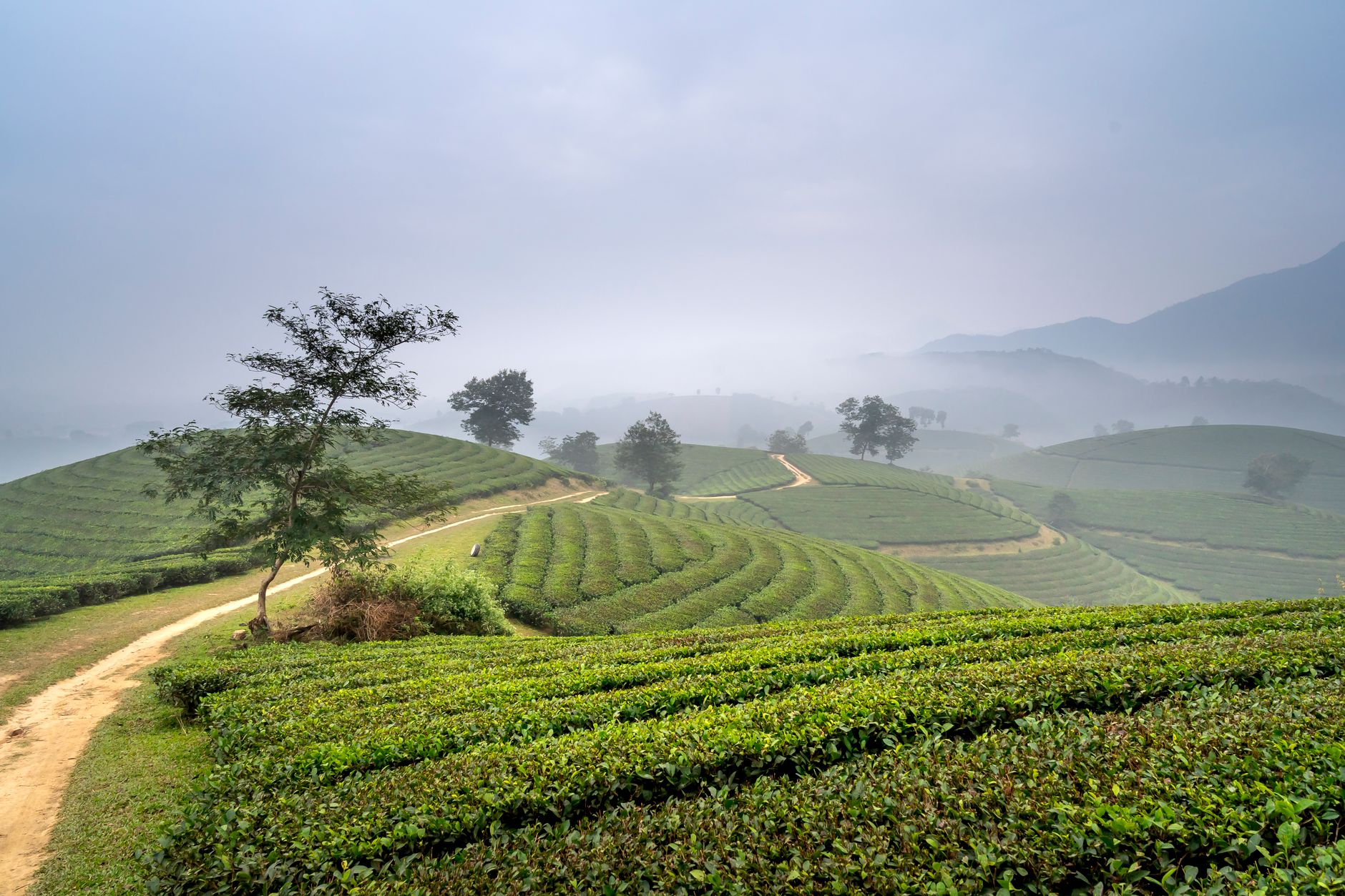
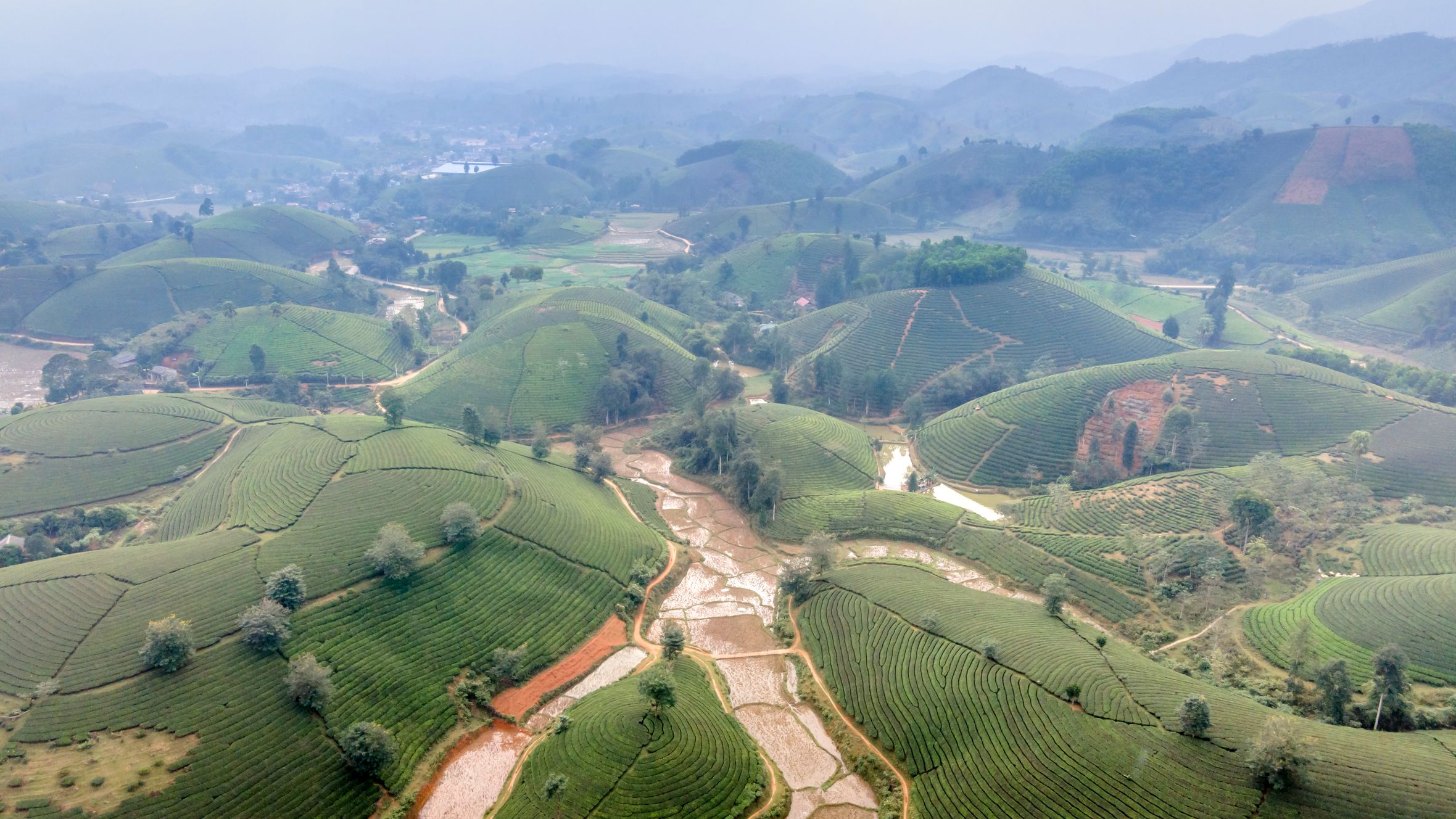
Lam Dong grows coffee everywhere—between Da Lat and Thac Dac, around Di Linh district. Agritourism homestays have sprouted at plantation edges.
Budget: 300,000–500,000 VND per night
You rent a room in a farmhouse, pick coffee fruit in the morning if you want, sit on a porch overlooking red soil and coffee shrubs, drink fresh-ground coffee in the afternoon. Meals (pork, cassava leaf stir-fry, rice) cost an extra 80,000–120,000 VND per person. Most farms lack WiFi and paved roads; you need a motorbike or a pre-arranged pickup from Da Lat (200,000–300,000 VND one way).
This works if: you have time, you speak some Vietnamese (or patience), you care more about experience than comfort. Lonely Planet and guidebooks overhype this; reality is variable. Some farms are genuine family operations, others are half-done attempts cashing in on the trend. Ask recent guests before booking.
Photo by Quang Nguyen Vinh on Pexels
Mui Ne and coastal alternatives
If Da Lat's coolness feels too boutique, Mui Ne (technically in Binh Thuan, 240 km south) offers beach breaks with Lam Dong's coffee and cooler microclimate advantages nearby. But it's really a different region—skip unless you're doing a multi-week south-central loop.
Practical notes
Book mid-range and luxury options online (Booking.com, Agoda) a week ahead in high season (December–January). Budget guesthouses take walk-ins but can fill on weekend afternoons. Prices quoted are October–November (shoulder season); add 20–30 percent for Christmas and Tet. Most places ask for payment upfront if you're staying more than three nights.
Stay in Da Lat if you want restaurants, motorbike tours, and other travelers. Stay in Thac Dac or plantations if you're after quiet and real terrain. A week in Lam Dong easily justifies a mid-range guesthouse split between Da Lat base camps and one or two nights deeper in the province.
Last updated · May 29, 2026 · independently researched, never sponsored.