What Bau Trang Is and Why It Matters
Bau Trang — literally "White Lake" — is a freshwater lake sitting between towering white sand dunes about 65 km northeast of Mui Ne town, in what is now Lam Dong province following the recent administrative merger with former Binh Thuan. The landscape doesn't look like anything else in Vietnam (베트남 / 越南 / ベトナム): pale, wind-sculpted dunes rolling into lotus-covered water, framed by scrubby green hills. It feels like someone dropped a piece of the Sahara next to a Southeast Asian wetland.
The lake is actually two connected bodies of water — Bau Ong ("Mr. Lake") and Bau Ba ("Mrs. Lake"). Bau Ba is the larger, more photogenic one where most visitors spend their time. Local Cham and Kinh communities have fished and farmed around these lakes for generations. Tourism picked up in the early 2000s as travelers based in Mui Ne (무이네 / 美奈 / ムイネー) started venturing further up the coast, but Bau Trang still sees a fraction of the traffic that the red and white dunes closer to town attract.
Why Travelers Go
The honest answer: it's one of the few places in Vietnam where you get genuine desert-like scenery without it being a parking lot of tour buses. The dunes near Mui Ne town are iconic, sure, but they're also packed. Bau Trang offers a quieter version of the same landscape — bigger dunes, fewer people, plus the lake itself, which fills with lotus blossoms between July and October.
Photographers come for the light. The white sand reflects sunrise and sunset in ways that make early mornings and late afternoons genuinely rewarding. Birdwatchers show up for the wetland species around the lake edges. And some people just want to sit on a sand dune with a cold drink and stare at something that doesn't involve a screen.
Best Time to Visit
The sweet spot is late September through March. The wet season tapers off in September, leaving the lake full and the lotus still blooming through October. From November to February, temperatures are comfortable — high 20s to low 30s Celsius — and rainfall is minimal. The sand isn't scorching, the light is golden, and you can actually walk barefoot without regretting it.
Avoid the peak of dry season (April–June) unless you enjoy 40°C sand. Midday visits between March and August can be genuinely punishing — bring more water than you think you'll need.
How to Get There
Mui Ne is the natural base. From Mui Ne town center, Bau Trang is about 65 km northeast along DT716 — roughly 90 minutes by motorbike or car.
- Motorbike rental from Mui Ne: 150,000–200,000 VND/day for a semi-automatic. The road is paved and straightforward, though the last stretch has some sand drift across the tarmac. Ride early to beat the heat.
- Private car/taxi: Around 600,000–800,000 VND round trip if you negotiate with a local driver. Grab cars are available from Mui Ne but the return pickup can be unreliable out here — arrange a wait or a set pickup time.
- Tour from Mui Ne: Half-day jeep tours that bundle Bau Trang with the white dunes and fishing village run about 250,000–400,000 VND per person. You'll get less time at the lake but zero navigation hassle.
If you're coming from further afield, the nearest major hub is Phan Thiet, about 75 km south. From Saigon, the drive to Phan Thiet takes around 4 hours by bus (sleeper buses from Ben Thanh area run frequently, 150,000–200,000 VND), then onward to Bau Trang by motorbike or car.

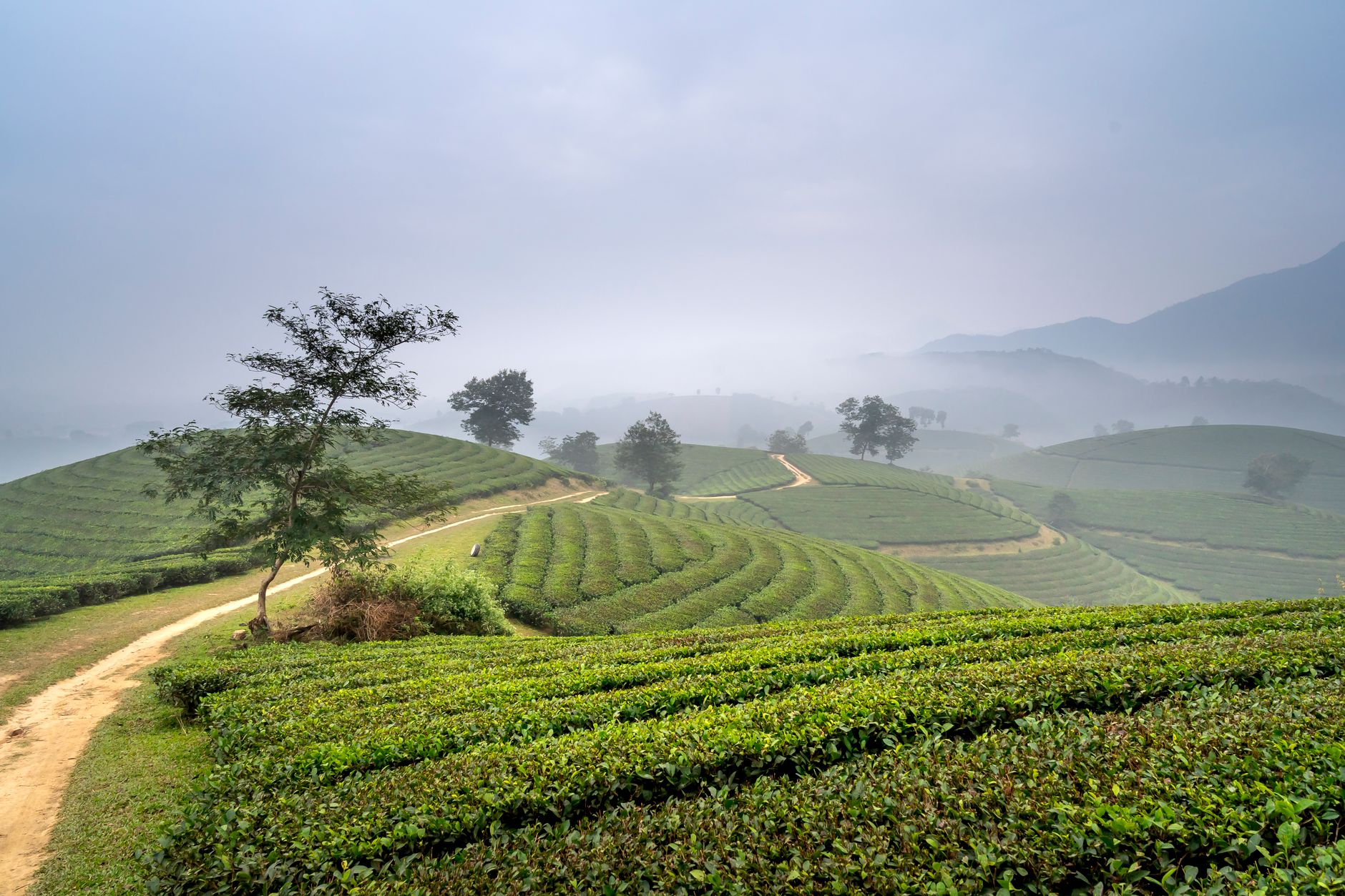
Photo by Hac Hai on Pexels
What to Do
Walk the Dunes at Golden Hour
Get there before 7 AM or after 4 PM. The white sand catches low-angle light beautifully, and you can walk for 20–30 minutes without seeing another person on the far dunes. The ridgeline between Bau Ong and Bau Ba is the best vantage point — you get lake on both sides and dunes stretching in every direction.
Rent a Coracle on Bau Ba
Local operators rent traditional round "thung chai" (basket boats) on the lake for about 50,000–100,000 VND per person. During lotus season (July–October), you can paddle through patches of pink blooms. It's peaceful and slightly absurd — the boats spin if you don't know the technique, which is half the fun.
Sandboarding or Sand-Sliding
Kids at the dune entrance rent plastic sleds for 20,000–30,000 VND. It's low-tech and entertaining. The steeper dunes on the eastern side work best. Don't expect Colorado-level runs — this is casual, sandy, and you will find sand in places you didn't know existed.
Walk to Bau Ong
Most visitors stick to Bau Ba. Walk 15 minutes north over the dunes to reach Bau Ong, the smaller, quieter lake. It's more overgrown and feels wilder. Good for birdwatching — egrets, kingfishers, and occasionally painted storks.
Eat Grilled Seafood at the Lake Edge
A handful of thatched-roof stalls near the Bau Ba parking area grill fresh fish, squid, and shrimp. Prices are tourist-adjusted but reasonable — a grilled fish with rice and greens runs 80,000–120,000 VND. Not refined, but satisfying after a morning in the sand.
Where to Eat Nearby
The lakeside stalls are fine for a quick meal, but for something more memorable, eat in Mui Ne on the way back. Seafood along Nguyen Dinh Chieu street is the obvious play — grilled scallops with peanut and scallion oil, clay pot fish, and fresh "goi cuon" (spring rolls) with shrimp pulled from the boats that morning. For breakfast, a bowl of "hu tieu" from any of the corner shops near the fishing harbor is the local move — lighter and sweeter than pho, with pork and shrimp.
Where to Stay
There's no real accommodation at Bau Trang itself — it's a day trip. Mui Ne is where you sleep.
- Budget: Guesthouses along the main strip from 200,000–400,000 VND/night. Basic, clean, usually with a pool.
- Mid-range: Beachfront resorts in the 800,000–1,500,000 VND range. Comfortable without being extravagant.
- Splurge: A few boutique places run 2,000,000–4,000,000 VND with private beach access and proper restaurants.

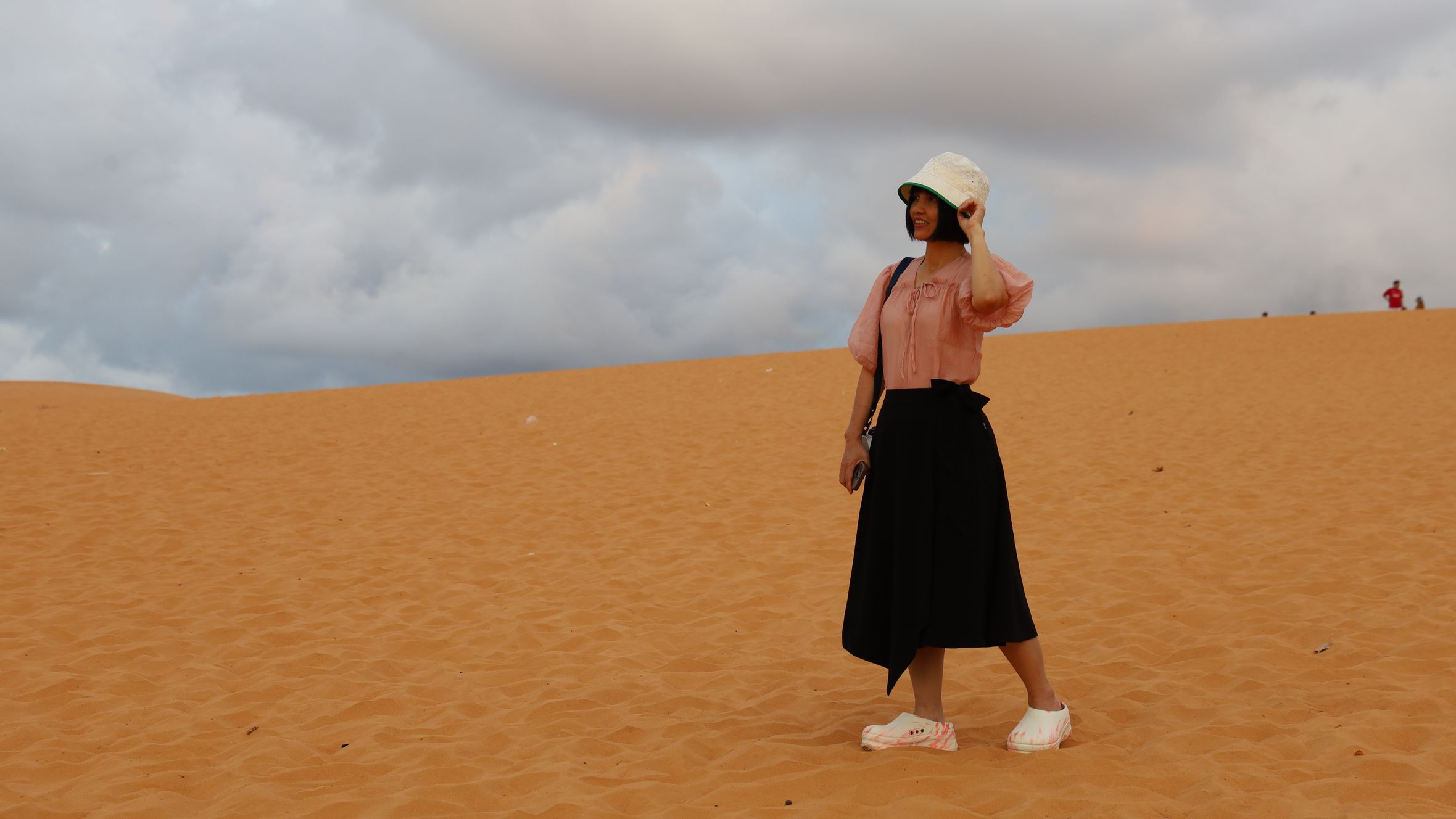
Photo by Serg Alesenko on Pexels
Practical Tips Locals Would Tell You
- Bring a scarf or buff. Wind whips sand across the dunes, especially in the afternoon. Your camera lens will thank you too.
- Wear shoes you don't love. Sand gets into everything. Flip-flops work on the dunes; closed shoes for the walk between lakes.
- Carry cash. There are no ATMs at Bau Trang. The closest are in Mui Ne.
- Sunscreen is non-negotiable. The white sand reflects UV aggressively. Reapply after sweating, which you will.
- Entrance fee: 15,000 VND per person at the gate. They also charge 5,000–10,000 VND for motorbike parking.
Common Mistakes to Avoid
- Arriving at noon. The sand is blinding and hot enough to burn skin. Early morning or late afternoon only.
- Skipping water. Bring at least 1.5 liters per person. The stalls sell water but occasionally run out on busy days.
- Booking a rushed tour. Some Mui Ne tours give you 30 minutes at Bau Trang, which is barely enough to see the lake. If you're going to make the drive, give yourself at least two hours.
- Expecting dune buggies. The ATV and jeep rides are at the dunes closer to Mui Ne town, not here. Bau Trang is quieter by design.
Practical Notes
Bau Trang works best as a half-day trip from Mui Ne, paired with an early start and a seafood lunch on the way back. It's not a place that needs a full itinerary — the appeal is the landscape and the quiet. Budget around 500,000 VND for the day including transport, entry, a boat ride, and food.
Last updated · Sep 10, 2026 · independently researched, never sponsored.