Dong Nai doesn't have the tourism infrastructure of Da Nang or the restaurant hype of Saigon, and that's exactly why the food here is honest. You're eating what locals eat—not what's been plated for Instagram. The province wraps around the northeast edge of Ho Chi Minh City, so you get a mix of urban Saigon cooking styles and the quieter, vegetable-heavy traditions of the Mekong delta (메콩 델타 / 湄公河三角洲 / メコンデルタ) provinces further east.
Regional Signature Dishes
Start with "mi Dong Nai"—a local egg noodle soup that's less famous than pho but just as foundational to the place. The broth is lighter than northern pho, simmered with pork ribs and sometimes a touch of soy. You'll find it in any breakfast stall in Bien Hoa (the provincial capital). A bowl costs 25,000–35,000 VND. The noodles are thicker than standard "banh canh", and the key is the crispiness of the fried shallots on top and a squeeze of lime at the end.
"Canh chua ca"—sour broth with fish—is massive here because Dong Nai borders the Sai Gon River and aquaculture farms dot the landscape. The broth is made with tamarind, tomato, and pineapple, and it's eaten with "com tam" (broken rice). Fresh catfish or snakehead is the standard protein. Order it at any riverside food stall in Can Tho-adjacent border areas, or in Bien Hoa's market. 35,000–50,000 VND for a full meal with rice.
"Banh canh (반깐 / 粗米粉汤 / バインカイン)" here skews different than the Hanoi style—local vendors use fresh tapioca flour and serve it with pork knuckle broth that's been simmered for hours. The texture is slippery, almost silky. Eat it for breakfast or late lunch around 3 p.m. (when vendors restock). 20,000–30,000 VND.
Don't skip river snails ("oc"), served boiled in a light broth with dill and lime. Bien Hoa night markets are packed with oc stalls. You suck the meat out with your teeth—it's a skill locals master by age seven. 30,000–40,000 VND per bowl.
Markets: Where Locals Actually Eat
Bien Hoa Market (Cho Bien Hoa) is the main attraction, located in the city center (roughly District 1 of Bien Hoa town). It's a sprawling wet market that opens around 5 a.m. and gets quiet by noon. The upstairs level has prepared foods: noodle stalls, pho corners, and a dozen banh canh vendors. Go early. Most stalls close by 10 a.m. Budget 25,000–40,000 VND for a full breakfast.
Long Binh Ward night market (unofficial, happens after 5 p.m. in the Long Binh residential area) is where Bien Hoa eats dinner. It's not marked on Google Maps, and most tourists never find it. Barbecue skewers, banh mi stalls, and a whole row of com tam vendors. Prices drop slightly here because there's no tourist markup. 15,000–25,000 VND for grilled meat + rice.
Thuan An Market (if you're in the coastal Thuan An district) is smaller, fishing-village focused. Fresh seafood dominates—sit down and they'll grill your chosen fish or shrimp in front of you. 50,000–80,000 VND per person with rice and vegetables.

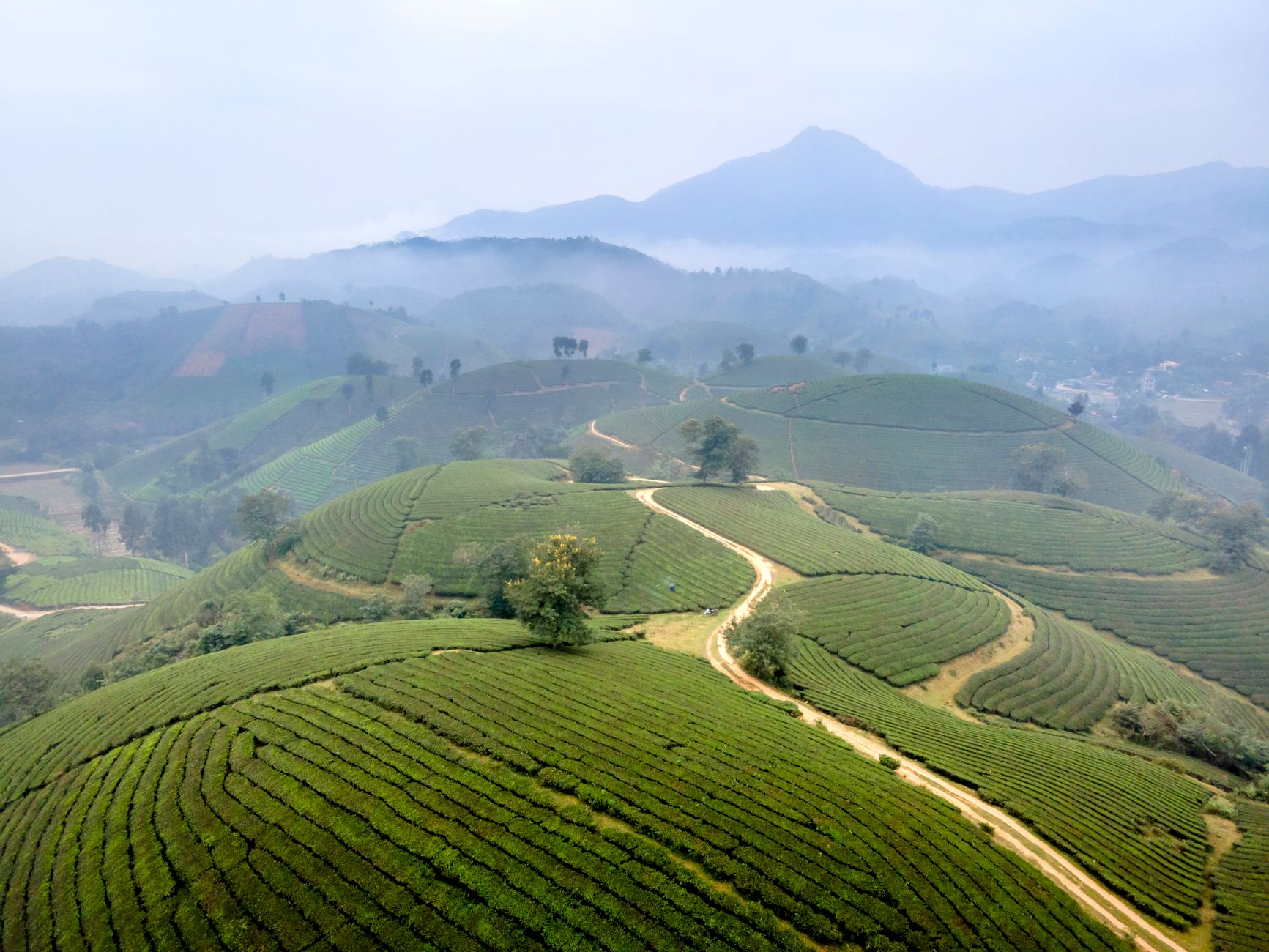
Photo by Hoàng Giang on Pexels
Signature Restaurants & Family-Run Spots
Avoid the glass-fronted "restaurants" near Bien Hoa's main tourist hotels. They exist for tour groups, and portion sizes shrink when a foreigner walks in.
Instead, look for family places with plastic furniture and a single handwritten menu board. Quan Com Tam Y (roughly translated as "Y's Broken Rice Stall," exact address varies by season since these stalls move) operates from a shophouse in Long Binh, opens at 6 a.m., closes by 2 p.m. Com tam with grilled pork and runny egg, about 25,000 VND. No English menu; point at what's cooking.
Banh Canh Ong Chom in Bien Hoa city proper—ask locals for its current location because family stalls relocate—serves the best banh canh in the province according to regulars. 30,000 VND, but it's worth the small detour. The broth tastes like three days of slow-cooking.
For catfish, seek out "quan ca kho" (braised fish restaurants) in any residential alley. These are almost never signposted. Ask your hotel. Expect to pay 40,000–60,000 VND for a whole braised catfish that serves two people with rice.
Street Food & What Costs What
Banh mi: 15,000–20,000 VND at a standalone banh mi stall. Saigon-style (pate, cold cuts, pickled carrot) dominates here, not the more rustic northern style. Look for older vendors with a small cart parked near bus stations.
Goi cuon (fresh spring rolls): 10,000–12,000 VND for two rolls at night markets or daytime food stalls. The filling is usually shrimp, pork, or a vegetarian mix of herbs and tofu.
Cha gio (fried rolls): 5,000–8,000 per roll, 12,000–15,000 VND for a plate of three, at any fried food vendor.
Hu tieu: Saigon-style pork and tapioca noodle soup, 30,000–40,000 VND. Fewer stalls than pho or banh canh, but they exist in morning markets.
Vietnamese coffee: 10,000 VND for a small "ca phe sua da" (iced coffee with sweetened condensed milk) at any com tam stall or street-level cafe. Sit down, and you're charged the same price. No tourist upsell.
Bia hoi (fresh beer on tap): 5,000–8,000 VND per glass at night-stall bars. Dong Nai isn't known for nightlife, but Bien Hoa has clusters of bia hoi stands in certain alleys. Ask locals where they drink.

Photo by Quang Nguyen Vinh on Pexels
What to Actually Avoid
Tourist restaurants with laminated menus and English signs in downtown Bien Hoa often serve bland, reheated food. Prices are double or triple what you'd pay in a proper local spot, and the owner won't correct your order if you ask for something weird.
Seafood restaurants on the Sai Gon River are hit-or-miss. Some are solid; many pad their bills with "market prices" that are never explained. Ask for a fixed menu upfront or eat at the daytime riverside stalls instead.
Practical Notes
Dong Nai is best visited as a day trip from Saigon (about 40 km northeast, 45–60 minutes by bus or taxi). Most travelers eat at their hotel or venture into Bien Hoa for a market breakfast, then head back. If you stay overnight, explore Thuan An or Long Binh markets for dinner—you'll eat better and cheaper than anything near a tourist hotel. Bring small cash (many vendors don't use card readers), and don't be shy about pointing at what looks good. A full meal here runs 25,000–50,000 VND per person, less than half what you'd pay for the same quality in central Saigon.
Last updated · May 29, 2026 · independently researched, never sponsored.