Every bowl of "banh bao banh vac" served in Hoi An — whether at a candlelit table in the Ancient Town or on a plastic stool outside a market — comes from the same source. The Truong family has held an informal monopoly on white rose production for generations, supplying restaurants and street vendors alike from their workshop on Nhi Trung Street. That detail changes how you think about where to eat them.
What You're Actually Eating
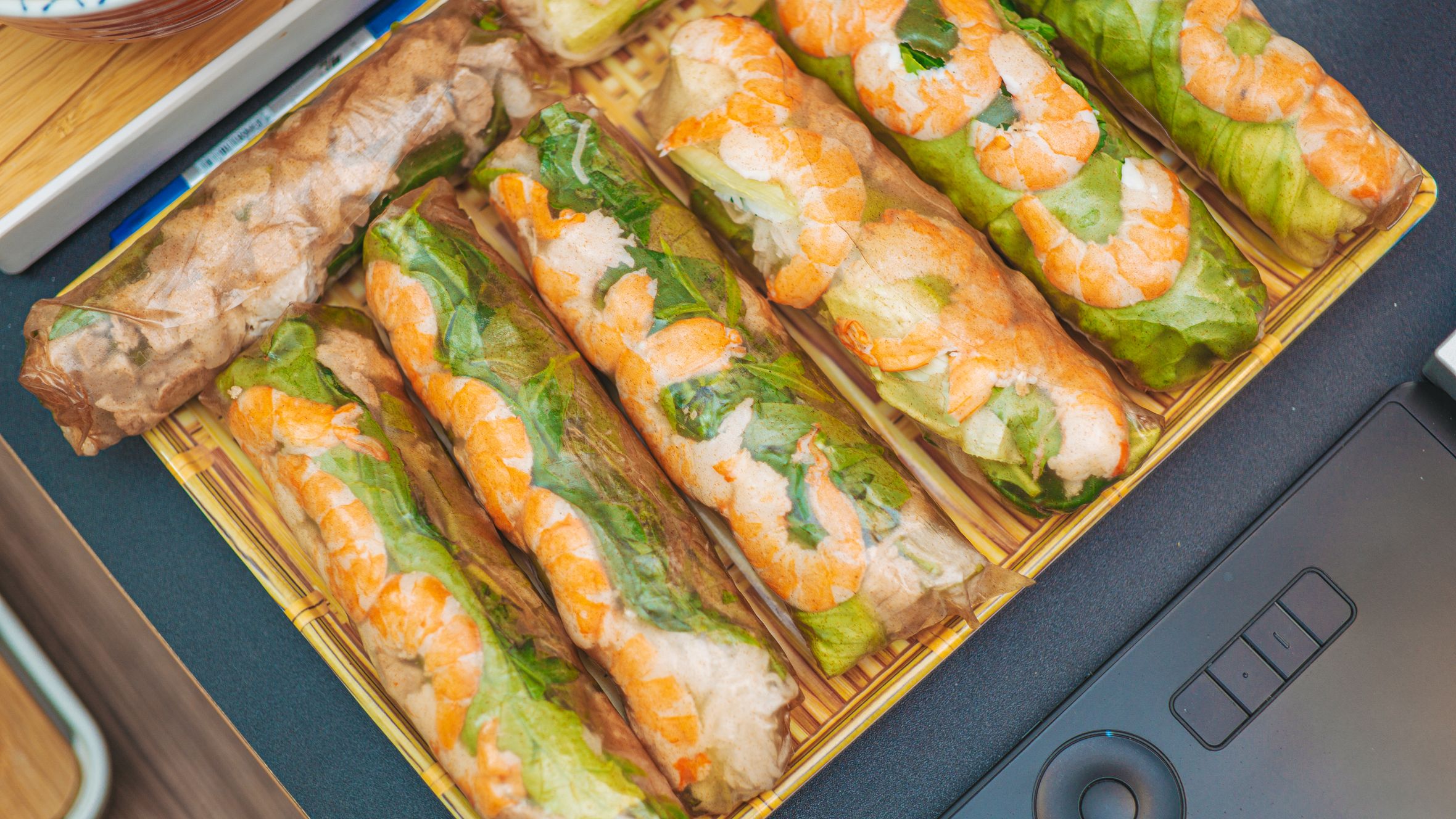
The dumpling itself is delicate work: minced shrimp and pork packed into a thin, near-translucent rice flour wrapper that gets pinched into a ruffled shape resembling a half-open rose — hence both names, "white rose" in English and "banh bao banh vac" in Vietnamese. They're steamed, served at room temperature or just barely warm, and finished with fried shallots and a side of nuoc cham. Texture matters here: the wrapper should be slightly chewy but not gummy, the filling just seasoned enough to stay in the background of the shrimp flavor.
A good plate holds six to eight pieces. A bad plate holds the same six to eight pieces — which is the interesting thing about a single-supplier system.
The Truong Family Workshop
The source is at 533 Hai Ba Trung (some signage still shows the old address numbering — it's in the Cam Chau ward, about 1.5 km from the main Ancient Town pedestrian zone). The family sells directly from the ground floor of the house; production happens out back. You can buy a portion to eat on-site for around 25,000–30,000 VND, and the shallot oil comes in a small dish on the side. No menu, no ambiance. A few low tables, a ceiling fan, natural light through the front gate.
This is not a "hidden gem" scenario — food tour operators bring groups here regularly, and by 10 a.m. on most mornings there's a queue. But it's worth going early (they open around 7:30 a.m.) for the freshest batch, before the dumplings have been sitting.

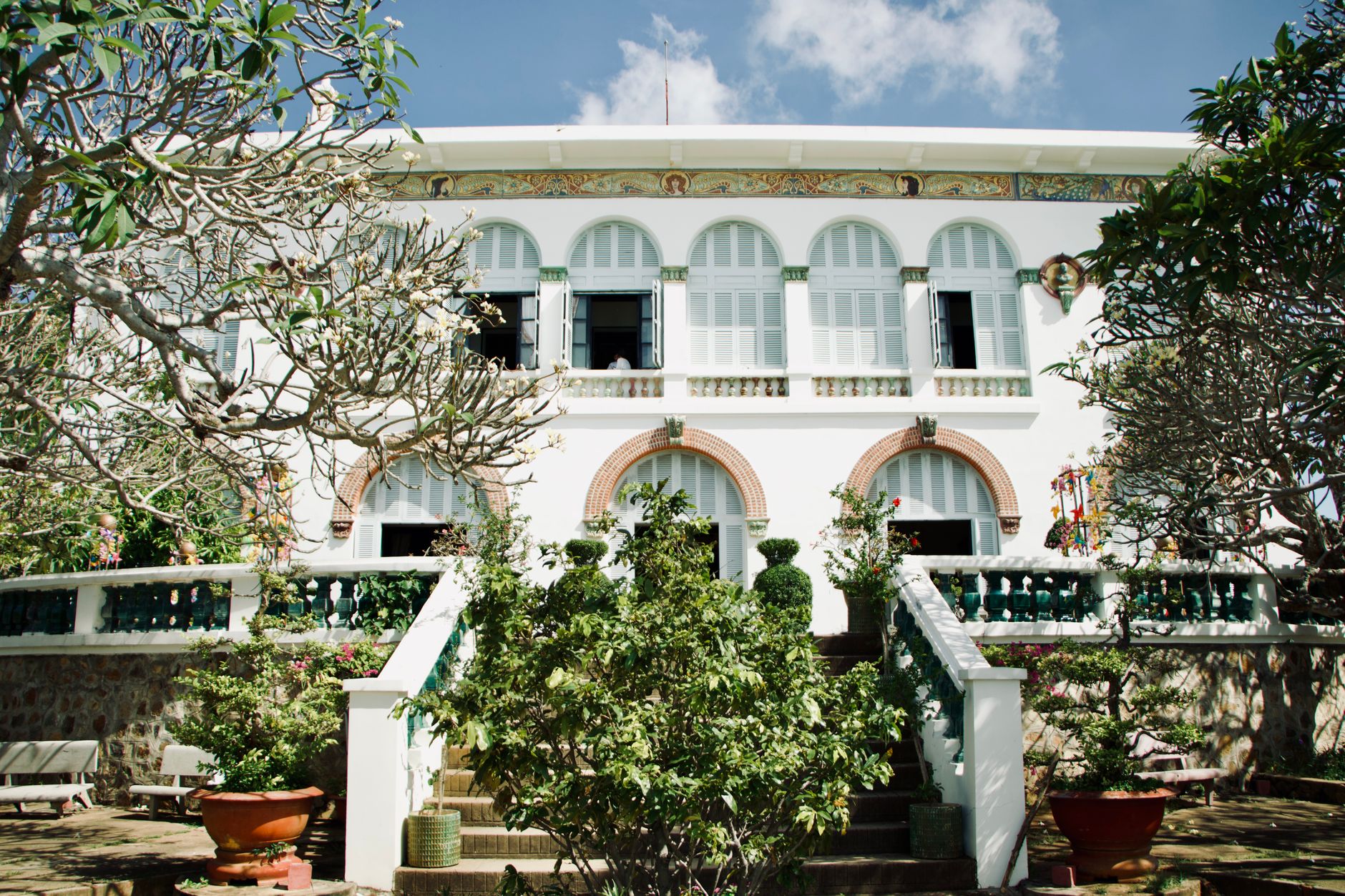
Photo by HONG SON on Pexels
Sit-Down Restaurants in the Ancient Town
Most restaurants in the Ancient Town list white rose prominently, often for 45,000–70,000 VND per plate. A few places worth knowing:
White Rose Restaurant on Le Loi Street is the Truong family's own dining room — same dumplings, proper tables, ceiling fans, and a kitchen that adds a few more dishes to round out a meal. Portions run about 55,000 VND. It's tourist-facing but not unpleasant, and the family connection means quality control is direct.
Morning Glory on Tran Phu is the city's long-running elevated street food restaurant. Their white rose plate tends to be 60,000–65,000 VND, presented more carefully, and the nuoc cham is notably good. If you're already eating a full meal there, ordering white rose makes sense. As a standalone destination for the dumpling, it's slightly unnecessary.
Banh Mi Phuong is famous for "banh mi" but a few tables near the back also serve white rose — lower profile, decent price (around 35,000 VND), and you can combine it with a sandwich, which is its own argument.
Sidewalk and Market Options
A handful of vendors around Hoi An (호이안 / 会安 / ホイアン) Market (on Tran Phu at the river end) sell white rose from carts or folding tables, typically 25,000–35,000 VND per plate. The supply chain is identical — same Truong family dough, same filling — so the dumpling quality is comparable. What varies is the shallot oil (sometimes heavier, sometimes skimped on) and whether the dipping sauce has been watered down over the course of the morning.
The market vendors are best between 7 a.m. and 11 a.m. After noon, the wrappers dry out and the texture suffers. This is true at restaurants too, but restaurants at least keep dumplings covered.

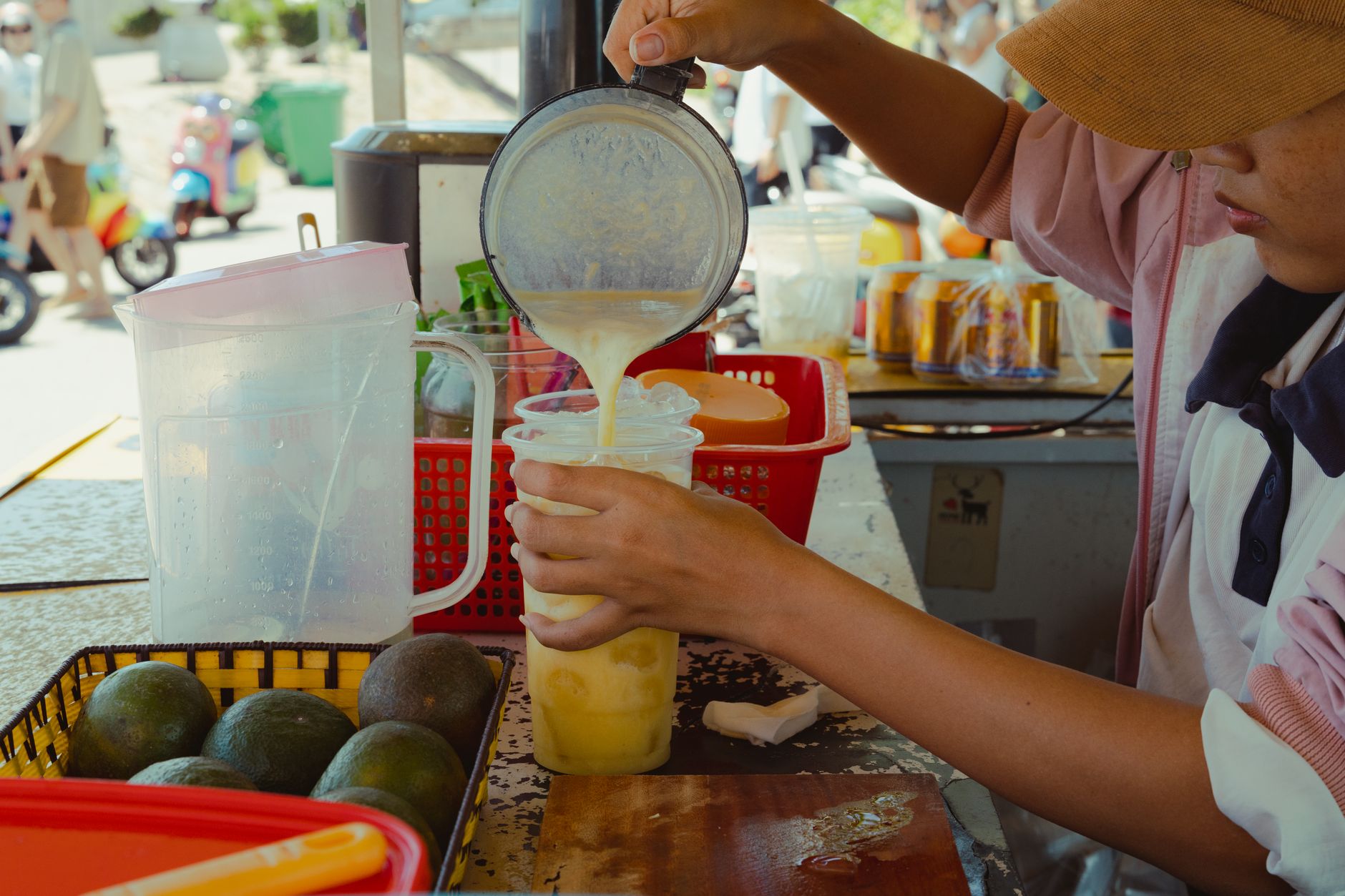
Photo by Change C.C on Pexels
Does Setting Change the Dumpling?
Honestly, not much. The rice flour wrapper doesn't transform with a tablecloth under it. What the sit-down places offer is context — you can order "cao lau" alongside, or a bowl of "mi quang" from further up the central coast menu, and make a proper meal of several Hoi An dishes at once. That pairing argument is real.
If you want white rose specifically, and only white rose, go to the Truong family workshop or a market stall before midday and spend 30,000 VND. If you want a full lunch with dishes that show off what central Vietnamese cooking actually looks like together, Morning Glory or White Rose Restaurant are reasonable calls.
The dumpling is the same. The decision is about what's around it.
Practical Notes
The Truong family workshop at 533 Hai Ba Trung opens around 7:30 a.m. and often sells out of the freshest batches by mid-morning; plan accordingly if you're making a special trip. Prices across all venues tend to tick up during the peak November–February tourist season by 5,000–10,000 VND. Hoi An's Ancient Town is compact — the walk from the workshop back to Tran Phu takes about 20 minutes on foot along the river.
Last updated · May 26, 2026 · independently researched, never sponsored.