Hoi An has exactly one family that makes the dough for "banh bao banh vac" — the translucent, flower-shaped shrimp dumplings known in English as white rose — and they supply it to the entire town. What separates a good plate from a forgettable one is what the restaurant does with it from there: the filling ratio, the shrimp quality, the crispy shallot topping, and how long the dumplings have been sitting under a heat lamp.
Here is where to spend your 50,000 VND wisely.
What You're Actually Eating
The dumpling wrapper is made from rice flour and tapioca starch, steamed until nearly see-through, then pinched into a petal shape — hence the rose. Inside sits a small mound of minced shrimp, sometimes mixed with pork. The whole plate comes topped with crispy fried shallots and a dipping sauce that leans sweet-savory. A standard portion is six to eight pieces. The texture should be soft but not gummy, the wrapper thin enough to show the pink shrimp beneath it.
Because the dough comes from one source — a family in the An Hoi Peninsula area who have held this near-monopoly for decades — the quality ceiling is similar everywhere. The floor, however, varies considerably.
Where to Eat Well
White Rose Restaurant — 533 Hai Ba Trung
This is the restaurant run by the family that actually makes the wrappers, and that matters. The dumplings here taste fresher than anywhere else in town because there is no transport lag between production and kitchen. The shrimp filling is generous and well-seasoned, the shallots are fried to order, and the dipping sauce is balanced rather than cloyingly sweet. A plate of eight runs 55,000–65,000 VND. Open daily roughly 7am–9pm. The room is simple, the service efficient. This is the baseline everything else should be measured against.
Banh Vac Thanh — 26 Tran Phu
A small shophouse in the Ancient Town, a short walk from the Japanese Covered Bridge. They serve a tighter menu than most competitors, which means the kitchen is focused. The white rose here is consistently good — wrappers thin, shallots abundant, sauce slightly more savory than sweet. Prices sit at 50,000–60,000 VND per plate. Open from around 8am to 8:30pm. Worth pairing with a bowl of "cao lau" if you're eating a full lunch; the kitchen does both well and the combination is the most classically Hoi An (호이안 / 会安 / ホイアン) meal you can assemble in a single sitting.
Banh Bao Banh Vac Ba Le — 45 Tran Hung Dao
One of the older spots in town and still reliable. The dining room feels more local than tourist-facing, tables spill out toward the street in the evening. Portions are slightly larger here — you usually get nine or ten pieces — and the price stays around 50,000 VND. The shrimp filling has a mild peppery note that distinguishes it from sweeter versions elsewhere. They open early, around 7am, which makes this a viable breakfast stop if you prefer savory mornings.
Cargo Club — 107–109 Nguyen Thai Hoc
Cargo Club is a full-service riverside restaurant aimed squarely at international visitors, and the white rose reflects that. The presentation is tidier, the sauce arrives in a ceramic ramekin, and the plate costs 80,000–95,000 VND. The quality is decent but not exceptional — the wrappers can sit a bit longer than they should during busy service. The reason to come here is the setting: the upper floor has a direct view over the Thu Bon River, and eating white rose with that backdrop at dusk is legitimately pleasant. Just don't come for the dumplings alone.
Street Carts Near Hoi An Market — Bach Dang Riverside
In the early evening, a handful of carts set up along the riverside near Hoi An Central Market selling white rose alongside "banh mi" and other snacks. Prices drop to 35,000–45,000 VND. The trade-off is consistency: some carts source their wrappers fresh and move high volume, others hold batches too long. Look for a cart with visible turnover — a line, an empty tray being refilled. If the dumplings look slightly dried at the edges, move on. When you hit a good cart, this is the cheapest and most atmospheric way to eat them.
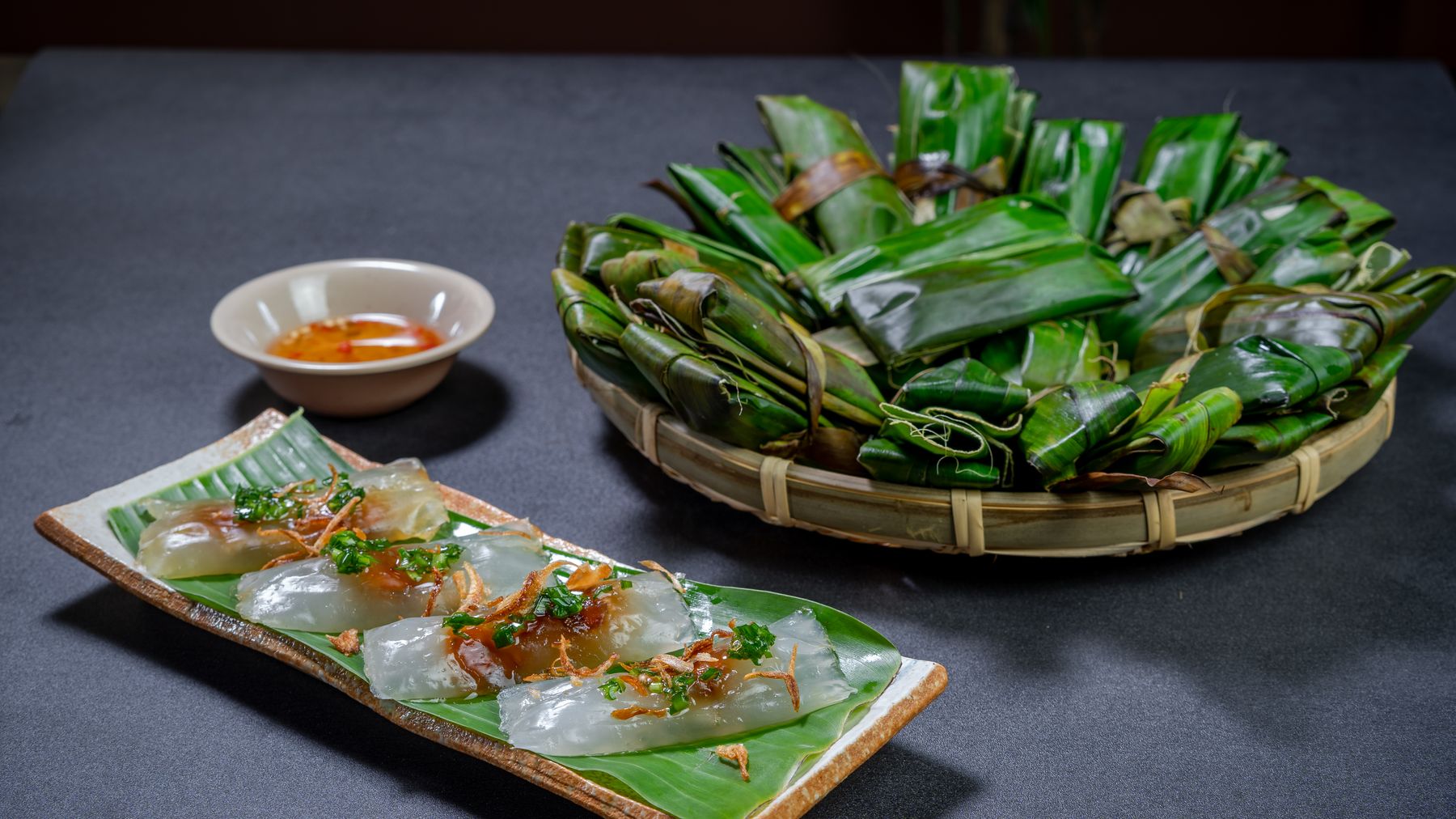
Photo by Hải Nguyễn on Pexels
Skip This Place
Any restaurant along Nguyen Phuc Chu that lists white rose as item twelve on a forty-dish menu is not prioritizing it. These spots tend to serve pre-assembled plates that have been sitting, and the wrappers turn gummy fast. The shallots are often soft rather than crispy, which collapses the textural contrast the dish depends on. If the menu reads like a greatest-hits compilation of Vietnamese food — pho, banh mi (반미 / 越式法包 / バインミー), white rose, pho bo, spring rolls, all on one laminated card — the white rose will be an afterthought. Eat it somewhere that makes it the point.

Photo by Quang Nguyen Vinh on Pexels
What to Order Alongside
Cao lau is the natural pairing — it's the other dish that's genuinely native to Hoi An, made with water from a specific well and pork from local suppliers. "Mi quang" is a reasonable alternative if you want noodles with more broth. For drinks, Hoi An's riverside cafes do strong "ca phe sua da" that cuts through the richness of fried shallots well.
Practical Notes
Most white rose spots in the Ancient Town stop seating by 9pm; the good carts wind down around 9:30pm. Budget 50,000–65,000 VND per plate at a sit-down restaurant; less at street carts. If you're visiting Hoi An as a day trip from Da Nang (about 30 km south), the restaurant at 533 Hai Ba Trung is worth building your lunch around specifically — it's the one place where freshness is structurally guaranteed.
Last updated · May 29, 2026 · independently researched, never sponsored.