You've probably seen it: a glass jar on a shelf, a coiled cobra inside, the liquid an amber-brown murk. Snake wine is one of those things Vietnam (베트남 / 越南 / ベトナム) is famous for without quite meaning to be. It sits at the intersection of genuine folk medicine, rural tradition, and souvenir-shop theater — and it's worth understanding which one you're looking at before you reach for your wallet.
What Snake Wine Actually Is
"Ruou ran" — snake wine — is rice wine, typically "ruou de" (goat-label rice liquor) or a home-distilled equivalent, infused with one or more whole snakes. The most common are cobras, vipers, and the banded krait. Sometimes a single snake goes in alone; sometimes the jar holds a cobra and a smaller companion snake, or a scorpion thrown in for good measure. The alcohol content runs high, usually 45–60% ABV, which preserves the animal and supposedly draws out its medicinal compounds.
The drink has roots in traditional Vietnamese and broader East Asian folk medicine. The logic is that the snake's venom — rendered inert by the alcohol — and the animal's overall essence transfer beneficial properties to the drinker. Proponents cite it for joint pain, back problems, low energy, and sexual vitality. There is no clinical evidence supporting these claims, and the mainstream medical position is that any perceived benefit is either placebo or comes from the alcohol itself.
That said, dismissing it as pure superstition misses the point. For older rural Vietnamese, particularly in the north, ruou ran is a legitimate home remedy, the kind of thing a grandfather keeps under the bed for his knee. It's not performance. It's medicine in the same sincere sense that any folk tradition is medicine.
Where the Real Thing Survives
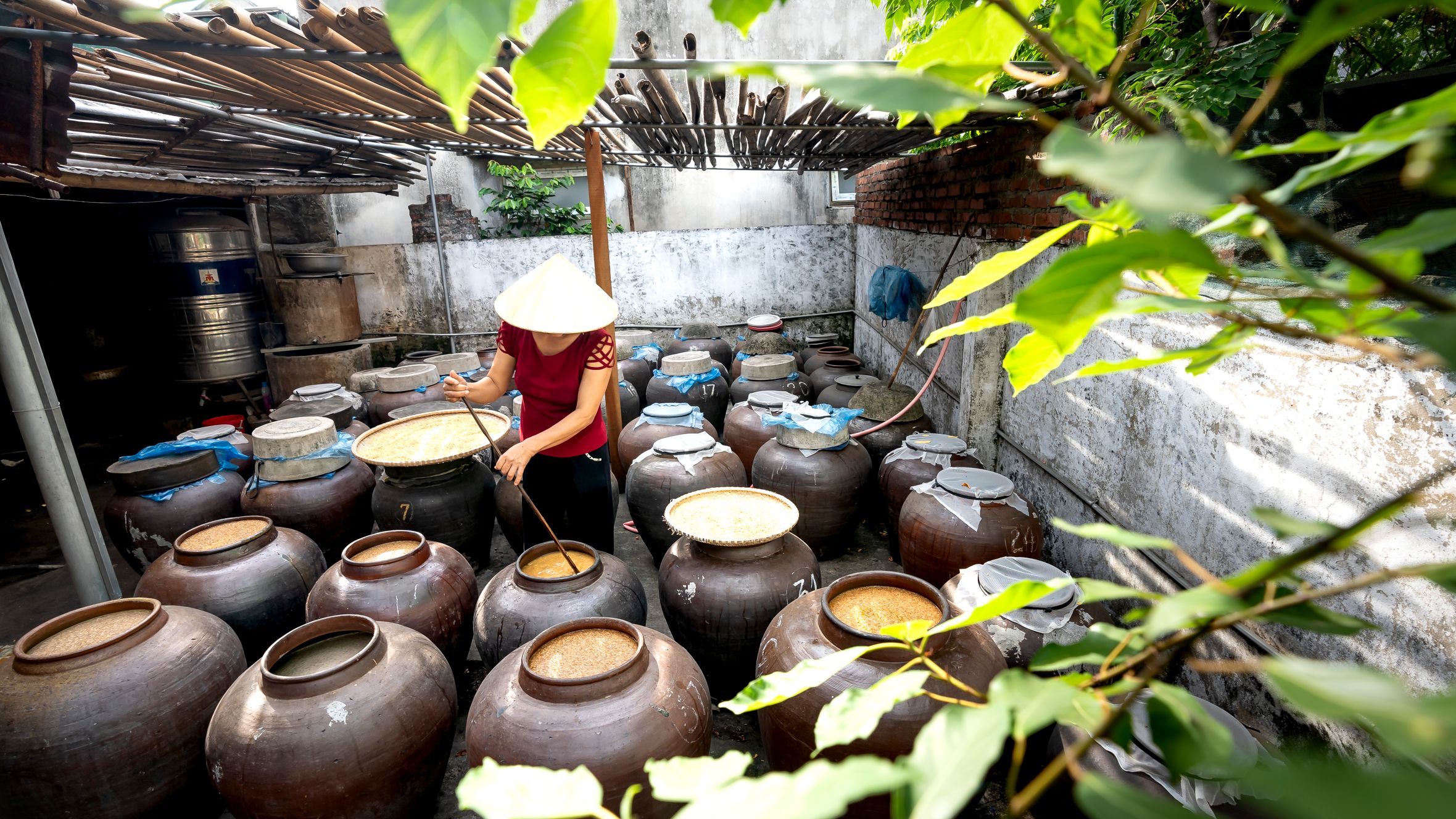
The practice is most alive in northern Vietnam — villages around Ha Giang, Cao Bang, and in the Red River Delta — where home distillation is common and the cultural habit of keeping medicinal rice wine ("ruou thuoc") is still practiced. Ruou thuoc is a broader category: any rice wine infused with roots, bark, herbs, or animals for health purposes. Snake wine is one subset.
In Hanoi, the traditional medicine market around Lan Ong Street in the Old Quarter sells dried herbs, animal parts, and occasionally the makings for ruou thuoc. This is the supply chain for actual practitioners, not tourists. You'll see it differently from the cobra jars stacked at souvenir shops on Hang Bac Street.
Sapa and the surrounding highland areas sometimes have locally produced versions sold at markets, though quality varies enormously. The further you get from the tourist circuit, the more likely the product reflects actual local habit rather than markup.

Photo by Nguyen Truong Khang on Pexels
What Gets Sold to Tourists
Here's where honesty matters. A significant portion of the snake wine sold in tourist areas — airport shops, Old Quarter souvenir stalls, Hoi An craft shops, beach resort gift stores — is assembled for the aesthetic. The snake looks dramatic. The jar photographs well. The sticker price (anywhere from 150,000 VND for a small bottle to 800,000 VND or more for a large jar with a cobra) reflects perceived exoticism, not medicinal quality.
Some of it is legitimately produced but over-priced. Some of it is rice wine with a snake that's been there long enough to look authentic but was sourced from a farm, not caught wild. The distinction matters less if you're buying a curiosity; it matters more if you believe you're purchasing a traditional health product.
Restaurants in Hanoi (하노이 / 河内 / ハノイ) and Saigon that serve ruou ran as a novelty shot — usually around 50,000–80,000 VND per small glass — are mostly in the tourist-experience business. That's fine. Just know what you're paying for.
Other Curio Wines Worth Knowing
Snake wine is the most famous but not the only member of this category.
Ruou tac ke — gecko wine — uses the dried or preserved tokay gecko, a lizard that turns up across Southeast Asia. It's sold for similar reasons to snake wine: energy, vitality, respiratory health. Tac ke are also used in dried form in traditional medicine shops.
Ruou ong — bee wine or wasp wine — involves baby bees or wasp larvae preserved in rice wine. Less dramatic visually, more genuinely embedded in rural practice in some highland communities.
Ruou sam — ginseng wine — is legal, widely available, and sits in a different moral category entirely. Korean-style ginseng root infused into quality rice wine is sold at proper liquor shops and given as gifts. Da Lat produces some well-regarded commercial versions.
Ruou can is worth mentioning here not because it has animals in it, but because it gets lumped into the "curio wine" conversation. It's a fermented rice wine drunk communally through long bamboo straws from a clay pot, common among ethnic minority groups in the Central Highlands and northwest. It's a social practice, not a medicine, and experiencing it properly means being invited to share it — not buying it pre-packaged.
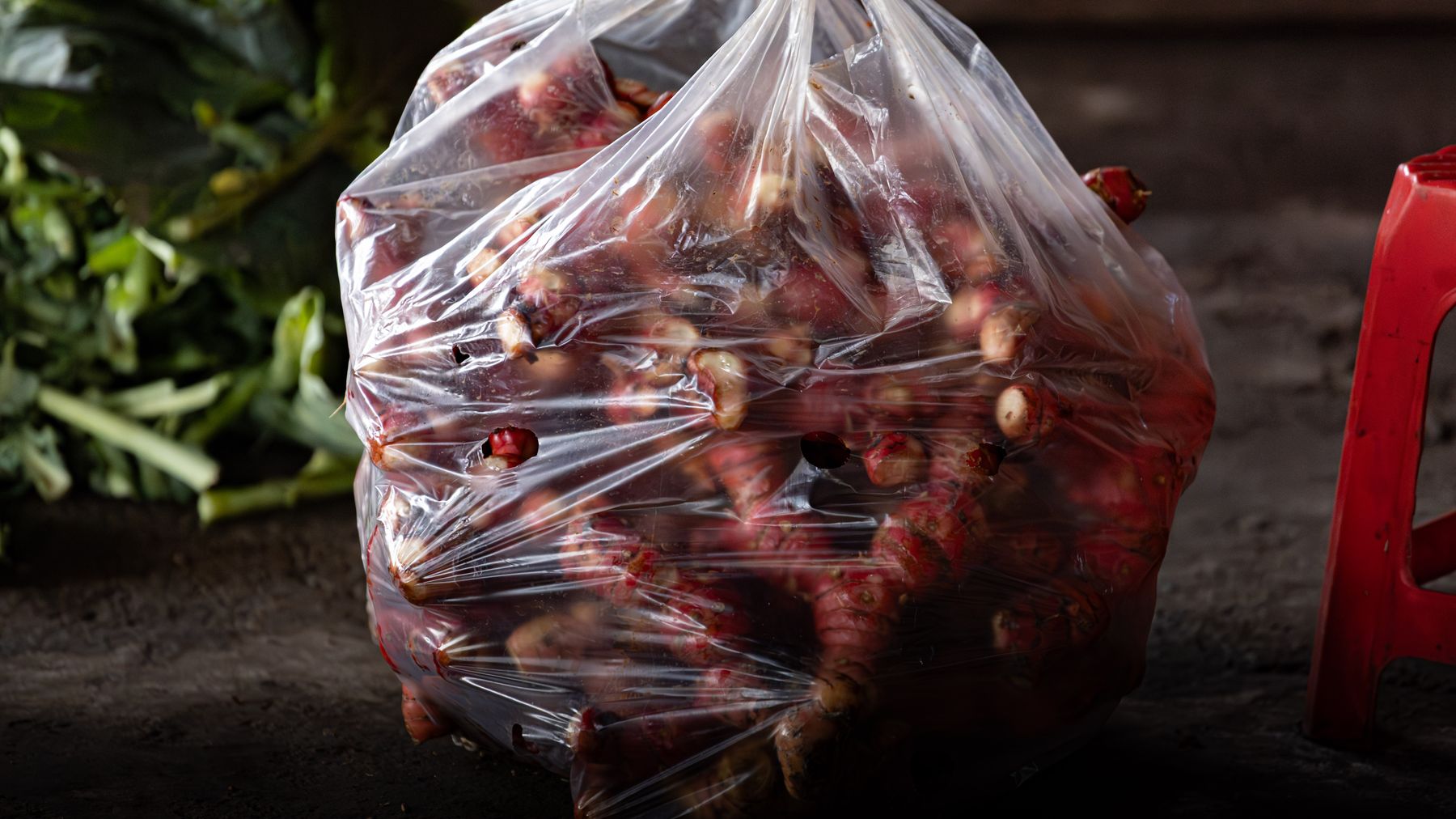
Photo by Hồng Quang Official on Pexels
Ethical Considerations
Snake wine intersects with wildlife conservation in ways that matter. Vietnam is a significant transit country for the illegal wildlife trade, and cobras — including the monocled and Indochinese spitting cobra — face population pressure from habitat loss and collection. Some snake wine sold commercially uses farm-raised snakes; some does not, and there's no easy way to verify which is which from a tourist's position.
If you're drawn to try it out of genuine curiosity, that's a reasonable call. If you're buying a large jar to take home, be aware that importing wildlife products — even preserved in alcohol — is restricted or banned in many countries including the US, EU member states, and Australia. Customs confiscation is a real outcome.
The scorpion wine and multi-animal jars aimed squarely at the souvenir market are worth skipping not because of the tradition behind them, but because they usually have no tradition behind them at all.
Practical Notes
If you want to try ruou ran in a context that makes sense, ask at a northern Vietnamese restaurant or look for a locally run quan nhau (drinking spot) in smaller towns rather than buying a decorative jar in a gift shop. A shot of the real thing, shared with Vietnamese drinkers who actually believe in it, is a more interesting experience than a novelty bottle going home in your checked bag.
Last updated · May 29, 2026 · independently researched, never sponsored.




