Vietnam (베트남 / 越南 / ベトナム) is not a wine country — and the sooner you accept that, the better your drinking decisions will be. That said, there are genuinely good bottles to be found here, domestic wines that punch above their price, and import lists at a handful of restaurants that would hold up in any city. The trick is knowing the difference.
Da Lat Wine: Lower the Bar, Then Be Pleasantly Surprised
The domestic wine conversation in Vietnam starts and ends with Da Lat. The highland city sits at around 1,500 metres, which gives it cooler temperatures and actually viable grape-growing conditions. The two producers you'll see everywhere are Vang Da Lat (produced by Ladofoods) and Dalat Beco, and they are not the same thing.
Vang Da Lat is the one stacked in every supermarket and convenience store from Hanoi down to the Mekong Delta (메콩 델타 / 湄公河三角洲 / メコンデルタ). The red is a blend using Cardinal and Chambourcin grapes. It's light, slightly sweet by international standards, and costs around 80,000–120,000 VND for a bottle at retail. It's fine chilled with food, particularly with lighter Vietnamese dishes. It is not a serious wine. Don't treat it like one and you'll enjoy it.
Dalat Beco makes a more credible product. Their reserve-tier bottles — look for the ones labeled Cabernet Sauvignon or the Beco Rouge — use a higher proportion of imported grape concentrate blended with local fruit, which sounds like cheating and technically is, but the result is noticeably drier and more structured than standard Vang Da Lat. Retail price runs 200,000–350,000 VND. Worth trying if you're curious.
If you're actually in Da Lat, you can visit the Vang Da Lat winery on Tran Hung Dao street for a tour and tasting — it's a bit touristy but gives you context for what you're drinking.
What to Skip in the Domestic Range
Avoid the very cheap "ruou vang" (rice-based or unspecified fruit wine) sold at wet markets or roadside stalls under 50,000 VND. These are often fermented fruit wines with added sugar and aren't regulated the same way. Sticky-sweet, high-acid, and occasionally headache-inducing the next morning.
Imported Wines: The Markup Problem
Here's the honest reality of ordering imported wine in Vietnam: import duties, VAT, and restaurant margins stack up fast. A bottle that retails for 300,000 VND in a wine shop will appear on a restaurant list at 900,000–1,400,000 VND without blinking. Mid-range restaurants in Hanoi and Saigon are the worst offenders — they import wine to signal sophistication, then price it as if they flew it in on a private jet.
The markup situation is better at:
- Dedicated wine bars, particularly in Saigon's District 1 and Hanoi's Tay Ho area, where owners actually know the product and compete on selection.
- High-end hotel restaurants, which ironically often have more reasonable by-the-glass pricing than mid-tier bistros.
- Bottle shops with in-house drinking, a growing format in both cities where you buy at near-retail and pay a small corkage.
For retail buying, the chains worth knowing are Annam Gourmet (multiple locations in Hanoi and Saigon, solid French and New World selection), Big C and Vinmart for everyday imports, and smaller independent importers like Cargo (Saigon) that bring in natural and low-intervention wines at reasonable prices for their tier.
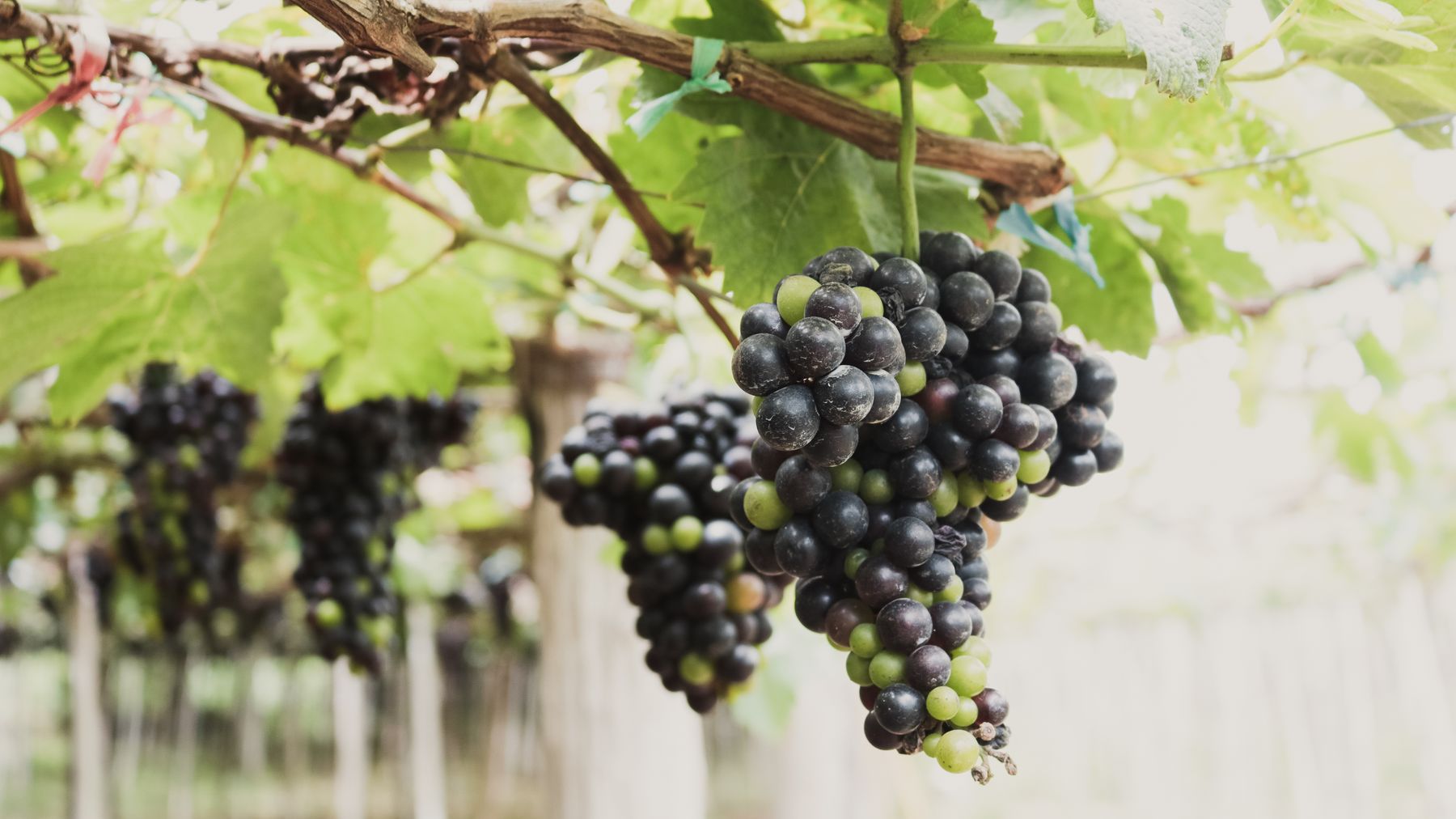
Photo by Loifotos on Pexels
Where Decent Wine Lists Actually Exist
You won't find great wine lists everywhere, but they do exist.
In Saigon, the French-leaning restaurants in District 1 tend to have the most serious cellars. Places catering to the expat and business dining crowd — particularly around Le Thanh Ton and Dong Khoi streets — invest in their wine programs. A few rooftop bars have also started building proper by-the-glass programs with temperature-controlled storage, which matters more than it sounds in this climate.
In Hanoi, Tay Ho (West Lake) has the highest concentration of wine-friendly dining. Restaurants around Xuan Dieu and Quang An streets serve a long-term expat community that actually cares what's in the glass. Some of the Vietnamese-French fusion spots here have lists that would be respectable in Paris — at Paris prices, unfortunately.
In Hoi An and Da Nang, the tourist-heavy dining strips have wine, but it's mostly pedestrian imports at high margins. The exception is a handful of chef-driven restaurants that have emerged in both cities over the past few years and take their beverage programs seriously.
Da Lat itself, surprisingly, has the most adventurous local wine scene. Restaurants near Xuan Huong Lake and along Nguyen Chi Thanh often pour local wine by the glass at 60,000–90,000 VND, letting you taste a few styles without committing to a bottle.

Photo by Engin Akyurt on Pexels
Practical Notes on Drinking Wine in Vietnam
Storage temperature is a real issue — wines sitting in un-air-conditioned back rooms or displayed under hot lighting will taste worse than the label promises. If a bottle looks like it's been sitting in direct sun, pass. Beer or vietnamese coffee might be the smarter call that evening. By-the-glass pours are also inconsistent in quality control; if the first glass tastes oxidized, it's fine to say so. Finally, if you're self-catering, buy wine the same day you plan to drink it — hotel room minibars excluded, reliable cool storage is harder to find than you'd expect.
Last updated · May 29, 2026 · independently researched, never sponsored.