
Yen Bai sits between Hanoi and Sapa, sandwiched between the Red River and limestone ridges. Most travelers zoom through it. That's a mistake. The province has a slower, more genuine feel than the well-worn tourist trail — tea farms, Tay and Hmong villages that haven't been packaged into "ethnic experiences," and a main town (Yen Bai City) that's actually livable rather than a transit hub.
Yen Bai City: The riverside base
Yen Bai City is not pretty in a postcard sense. It's a provincial town on the Red River with wide streets, a covered market, and motorbikes everywhere. But that's exactly why it works as a base.
Walk the waterfront in the early morning when locals are fishing and exercising. The riverside promenade is being rebuilt and has a few cafes where you can sit with coffee and watch the river. The main market (Cho Yen Bai) sprawls near the center — it's loud, chaotic, real. Wander it for 30 minutes if you want to see how people actually live in a northern provincial town.
Stay one night. Eat "com tam" (broken-rice dish with grilled meat) at a stall near the market. Skip the city's few tourist attractions — they're forgettable.
Phuc Yen: Tea country
About 30 km south of Yen Bai City, the Phuc Yen district sits on a plateau where tea thrives. This is where Yen Bai's brand reputation comes from — the province produces some of northern Vietnam's best green tea.
Rent a motorbike and ride the winding roads through tea plantations. The hills are striped with row after row of tea bushes, and the air smells sharp and green. Stop at a tea farm (most don't have formal names — just ask locals for "nong trai che") and ask if you can watch or help with the picking. Some owners will offer fresh-picked leaf boiled in a wok right there, the taste completely different from packaged tea.
The landscape is quiet and green. You'll pass villages of wooden stilt houses belonging to Tay families. No crowds, no tour groups. If you're into tea, this is the real thing.
Mu Cang Chai: Terraced rice, easier than Sapa
Mu Cang Chai district, about 60 km north of Yen Bai City, is known for dramatic rice terraces carved into the hills. Think of it as a less-visited alternative to Sapa's trekking crowds.
The terraces run in concentric patterns down the mountainsides and are most photogenic in September and October, just before harvest, when the rice is golden. The landscape feels less touristic than Sapa — fewer homestays, fewer tour buses, more cows and water buffalo.
You can hire a local guide (ask at your guesthouse in Yen Bai City) or hike the terraces independently. A good day-trek takes you through villages where Hmong and Tay families live, past small streams, and through working farmland. The altitude is gentler than Sapa (around 1,000–1,200 m), so it's accessible even if you're not an experienced hiker.
Bring water, sturdy shoes, and start early. The light is best in the morning anyway.
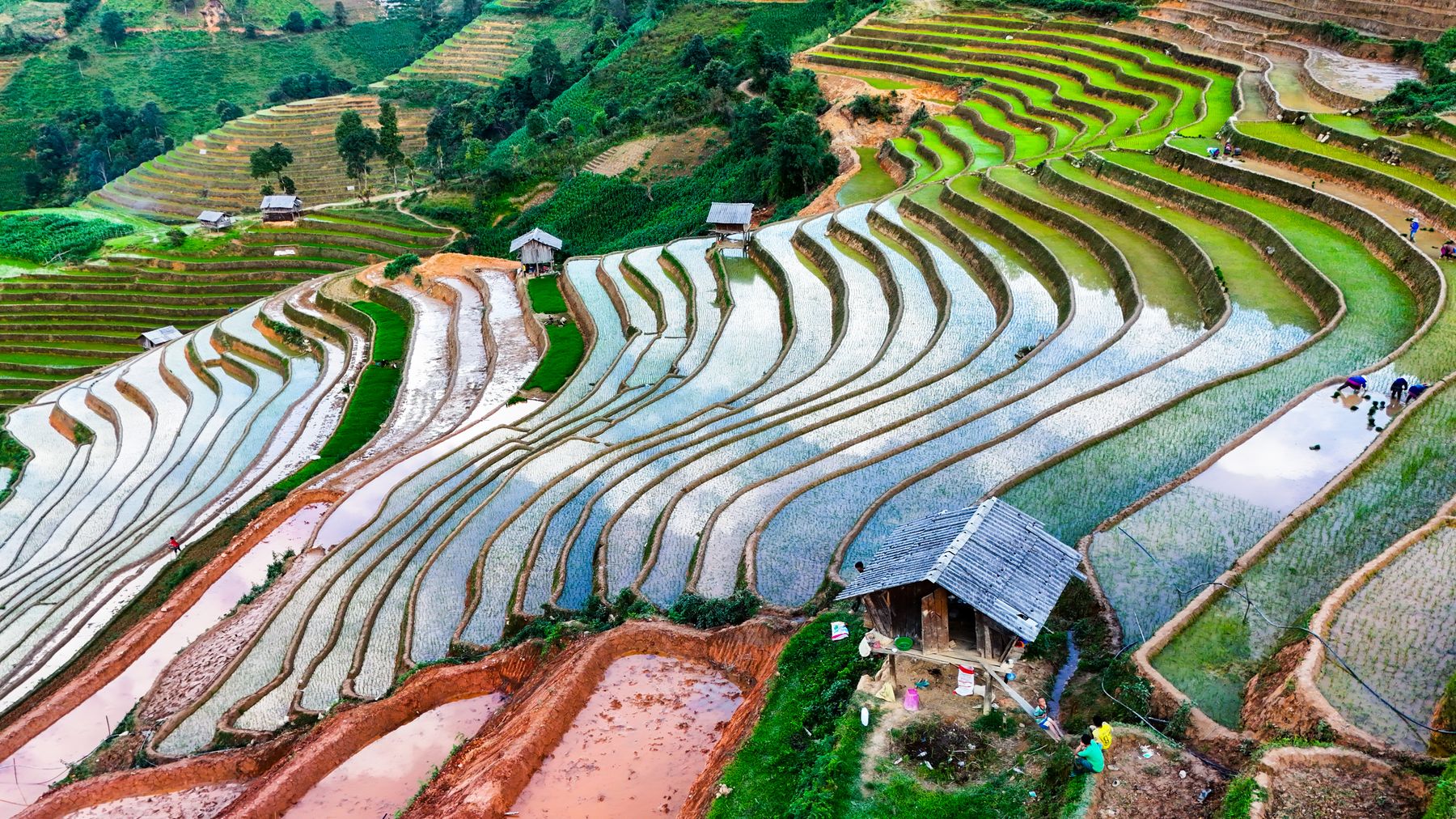
Photo by GIANG VU on Pexels
Thac Bat: The waterfall in the forest
Thac Bat (Bat Waterfall) is a small cascade about 40 km northeast of Yen Bai City, hidden in a limestone forest. It's not a landmark you'll find in most guidebooks.
To get there, you'll need a motorbike or a local driver. The road is narrow and bumpy. When you arrive, there's a small shelter where locals swim. The waterfall itself is only about 8 meters high, but the jungle around it is dense and cool. Swim if the water level is high (it varies seasonally). This is a place where the landscape feels untouched — no entrance fee, no vendor stalls, no selfie signs.
It's a good half-day excursion if you have your own transport.
Tay villages and homestays
Scattered throughout Yen Bai are villages of the Tay minority, the largest ethnic group in the province. Unlike some "ethnic tourism" setups in Sapa or the northwest, these villages are still functioning communities, not open-air museums.
Arrange a homestay through a guesthouse in Yen Bai City (about 200,000–300,000 VND per night). You'll stay in a wooden stilt house, eat home-cooked meals, and spend time with a family. The family may take you to their garden, rice paddies, or tea plot. There's no scripted "experience" — it's just staying with people who live there.
This feels far less staged than organized village tours. You wake up when the family wakes up, eat what they eat, and see how they move through a normal day.
Van Yen: Old colonial mining town
Van Yen district, west of Yen Bai City, has a strange colonial past. It was the center of tin mining under the French, and a few traces remain.
The town itself is quiet and underdeveloped. There are old French buildings in disrepair, winding streets, and a melancholy atmosphere. It's interesting if you're into colonial history and decay, but don't expect much beyond atmosphere. The nearby countryside is green and hilly — good for a slow motorbike ride or cycling.

Photo by Thành Đỗ on Pexels
What to skip
Yen Bai's tourist board has pushed a few manufactured attractions: theme parks, concrete "scenic overlooks," and artificial ethnic villages. Skip them. The value in Yen Bai is in its ordinariness — unpackaged landscapes, real communities, the feel of moving through northern Vietnam without the tourist infrastructure of Sapa or Ha Giang.
Also skip if you're on a very tight schedule (less than 2 days). It's not a quick-hit destination. You need time to slow down.
How to get there
Yen Bai City is about 140 km north of Hanoi, a 3–4 hour drive or minibus ride. Regular minibuses depart from Hanoi's Giap Bat station (about 150,000 VND). If you're coming from Sapa, Yen Bai sits roughly on the route south — you can break the 8-hour journey here.
Once in Yen Bai City, rent a motorbike (about 100,000–150,000 VND per day) or hire a driver. Roads are decent but winding in the mountains.
Practical notes
Yen Bai can be chilly and wet in winter (November–February). Spring and autumn are best. Book accommodation in Yen Bai City a day or two ahead during peak season (September–October). Bring cash — ATMs are limited. English is spoken rarely; a translation app helps. The province is safe and welcoming to solo travelers.
Last updated · Sep 5, 2026 · independently researched, never sponsored.






