Bac Ninh sits 30 km northeast of Hanoi, close enough for a day trip but distinct enough to have its own eating culture. Most visitors skip it entirely, which is exactly why the food here matters. You won't find Instagram-ready pho bowls or fusion nonsense. What you'll find is the kind of eating that has sustained the same family stalls for decades—sticky, salty, and deeply seasonal.
Bac Ninh's Signature Dishes
Com tam (broken rice) is the everyday staple here, but Bac Ninh's version leans harder into fatty pork than most northern regions. The signature preparation is "com tam lap xong" (broken rice with smoked pork belly and egg), sold from small stalls around markets and bus stations. The smoked pork is cooked low and slow over hardwood, not charcoal, giving it a softer char and deeper flavor. Expect to pay 35,000–50,000 VND for a full plate with extras.
Banh hoai (sticky rice cakes in fish sauce) are a Bac Ninh obsession. These are nothing like the sweet versions you might try elsewhere. The cake is glutinous, filled with shredded shrimp and pork, then soaked in a pungent fish-sauce broth with cilantro and crispy onions. It's a mess to eat and absolutely necessary. You'll find the best stalls clustered around Bac Ninh Market (Cho Bac Ninh) in the early morning, 6–8 a.m. Price: 25,000–35,000 VND per bowl. Go hungry.
**Cua cay" (minced crab spring rolls) are a regional variant worth hunting for. The filling is finer than standard "cha gio", almost paté-like, rolled in rice paper instead of wheat, and fried until it shatters on your teeth. The sauce is simple—fish sauce with lime and minced chili. Tourist restaurants in Hanoi charge 80,000+ VND for these; in Bac Ninh proper, 40,000–50,000 VND gets you six pieces.
**Dau phu non" (silken tofu) made daily at family-run shops near the market. This is tofu so soft it barely holds its shape—served in a light tamarind or tomato broth, or sometimes in a sweet ginger soup. Fragile, seasonal, and impossible to ship, so this is the only place to have it right. Around 30,000 VND per bowl.
Where Locals Actually Eat
Bac Ninh Market (Cho Bac Ninh) occupies several blocks near the city center (Duong Tran Hung Dao side). This is the real hub—arrive by 6:30 a.m. and you'll see street vendors setting up stalls of banh hoai, banh cuon, grilled pork and sticky rice. By 10 a.m. half the stalls are sold out. No signage, no English menus. Just point, gesture, sit on a plastic stool. Budget 50,000–100,000 VND for a full breakfast for two.
Pho 3 Thuong is a cramped noodle shop on Hang Dau (ask a local for directions—GPS is unreliable here). The broth is simmered for 16+ hours with bone, knuckle, and charred onion. The pho is thinner than Hanoi's standard, earthier. It opens at 6 a.m., closes by 10 a.m. A large bowl is 45,000 VND. Cash only. The owner, an elderly woman named Huong, has run it since 1989.
Quan Com Tam Lap Xong (unnamed—locals just call it "the broken rice place near the police station") serves the smoked pork version mentioned above. Tables are shared. Service is minimal but efficient. Open 11 a.m.–2 p.m. daily. 40,000–50,000 VND per plate.
Street stalls near Bac Ninh Bus Station (Ben Xe Bac Ninh, on Tran Hung Dao) are geared toward commuters, not tourists, so prices are fair and turnover is high. Sticky rice cakes, steamed pork-and-shrimp dumplings (banh cuon), and sweet potato cakes rotate through the morning and midday.

Photo by Vuong on Pexels
Regional and Seasonal Standouts
**Bun rieu" (crab and tomato noodle soup) peaks in late spring and summer when freshwater crab is abundant. Bac Ninh's version uses a higher crab-to-tomato ratio than southern styles, so the broth is richer and slightly less acidic. Around 50,000 VND.
Grilled fish cakes (cha ca freshwater) appear regularly in markets, sold by weight. Mild, slightly sweet, often eaten with rice or wrapped in greens. 60,000–80,000 VND per kg.
Bun tay ho (Hanoi West Lake noodle soup) is available year-round but is most satisfying in winter. The broth is lighter than pho, with a hint of galangal. You'll find it at market stalls and small shops. 45,000–55,000 VND.
Tourist Traps and How to Avoid Them
There are no famous tourist restaurants in Bac Ninh—which is its strength. However, a handful of mid-range shops targeting Hanoi day-trippers have popped up near the Tran Hung Dao main drag. These charge 1.5–2x the market price and water down the broth or use frozen ingredients. Stick to stalls with a line of locals and minimal decor. If a place has a glossy menu with photos and prices in USD, move on.
Avoid eating near the main tourist "gateway" area by the entrance to Bac Ninh Citadel. Vendors there know tourists are passing through and adjust prices accordingly—60,000+ VND for banh hoai that costs 30,000 at the market.
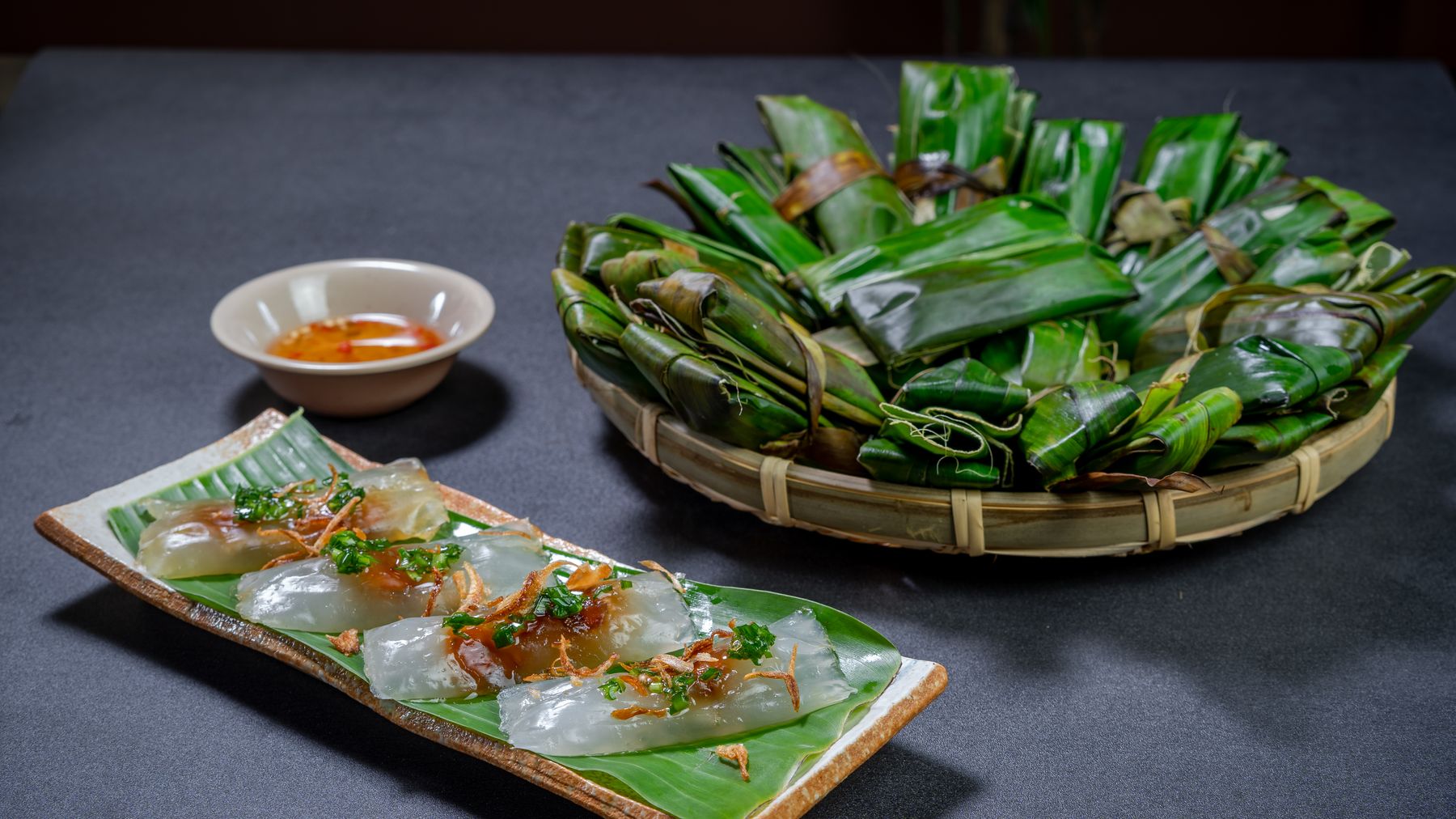
Photo by Hải Nguyễn on Pexels
Cost Expectations
Breakfast for one person at a local market stall: 50,000–80,000 VND (~$2–3 USD). Lunch at a small shop: 60,000–100,000 VND (~$2.50–4 USD). Dinner (if you stay late): 100,000–150,000 VND for two people at a casual restaurant. Entire day of eating (breakfast, lunch, snacks): 150,000–200,000 VND per person.
Cash only at 90% of places. ATMs are scattered through town; the main branch of Vietcombank is on Tran Hung Dao. No credit cards, no mobile payment, though some younger vendors accept Momo or Zalo Pay.
Frequently Asked Questions
How far is Bac Ninh from Hanoi and can you visit just for food?
Bac Ninh sits 30 km northeast of Hanoi, making it a practical day trip. The food culture is distinct enough to justify the journey on its own. Arrive by 6:30 a.m. to catch banh hoai stalls at Cho Bac Ninh before they sell out around 10 a.m. Budget 50,000-100,000 VND for a full breakfast for two, and plan to eat across several stops.
What is banh hoai and where is the best place to try it in Bac Ninh?
Banh hoai is a glutinous rice cake filled with shredded shrimp and pork, soaked in a fish-sauce broth with cilantro and crispy onions. It is savory, not sweet. The best stalls are clustered around Bac Ninh Market (Cho Bac Ninh) on the Duong Tran Hung Dao side, open from roughly 6 to 8 a.m. A bowl costs 25,000-35,000 VND. Arrive early; stalls sell out by mid-morning.
When does Pho 3 Thuong open and what makes its broth different?
Pho 3 Thuong opens at 6 a.m. and closes by 10 a.m., so an early arrival is essential. The broth is simmered for 16 or more hours using bone, knuckle, and charred onion, producing a thinner, earthier result than standard Hanoi pho. A large bowl costs 45,000 VND, cash only. The shop is on Hang Dao and has been run by the same owner, Huong, since 1989.
Practical Notes
Bac Ninh is 40 minutes by bus from Hanoi's Long Bien Station (Bac Ninh-bound buses depart every 20–30 minutes, 25,000 VND). Or hire a private driver for the day—roughly 800,000–1,000,000 VND round-trip, which makes sense if you're planning a half-day food crawl. The city is compact enough to walk or cycle between markets. Bring cash, learn three to five basic Vietnamese phrases ("This is delicious," "How much?"), and eat whenever something smells right. The food doesn't need translation—it speaks for itself.
Last updated · May 26, 2026 · independently researched, never sponsored.