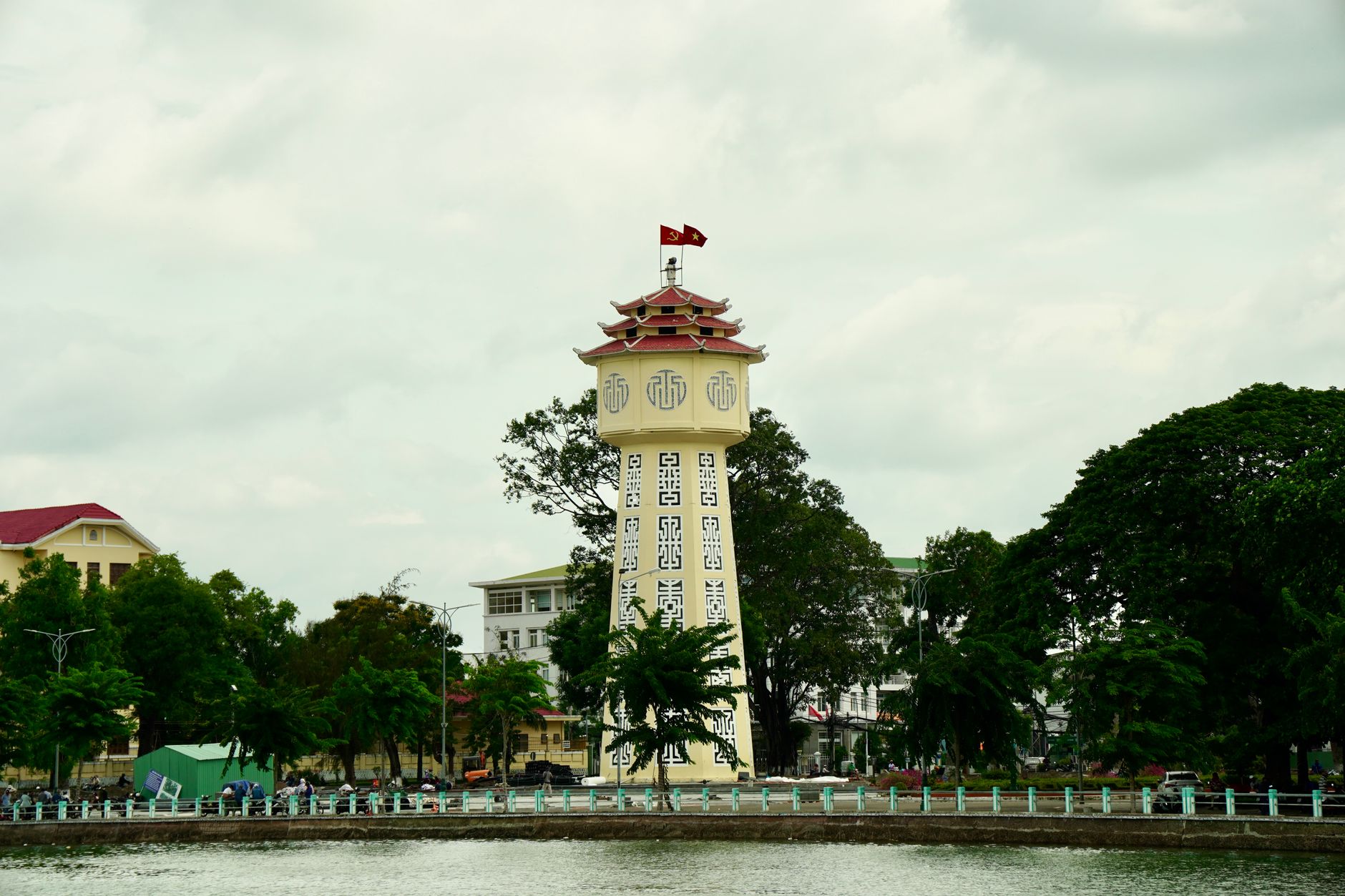
Bac Giang isn't on most foreign itineraries, which is precisely why it matters. You'll find authentic northern Vietnam without the Hanoi crowds — but timing shapes everything: crowds, fruit seasons, road conditions, and whether you're eating lychees at peak ripeness or waiting for next year.
Spring (March–May): Peak Season & Lychee Harvest
If you're coming to Bac Giang, come in April or May. The weather is warm (22–28°C), dry, and comfortable for walking. Humidity is building but not yet oppressive.
More importantly: this is "chi chi" (lychee) harvest time. From mid-April through late May, the orchards around Luc Ngan district explode with fruit. You can visit farms, buy directly, and taste varieties that never leave the region — Chi Duong, Thanh Huong, Hanh Lua. Prices are lowest at source (20,000–40,000 VND per kg depending on variety). The roadsides are lined with makeshift stalls; the air smells like raw sugar.
Lychee season also draws domestic tourists — families from Hanoi (60 km away) and Hai Phong make weekend trips. Accommodation fills up on Saturdays. Expect cheerful bustle on the backroads, not heavy tourism. Restaurants and guesthouses cater to Vietnamese visitors, not international tourists, which means lower prices and more authentic food (and less English).
The Hung Kings Festival (typically early April) is celebrated here, though lower-profile than at the temple in Ha Tay province. Local temples see increased foot traffic.
Late May–September: Hot & Wet (Avoid)
By late May, temperatures climb past 30°C and humidity becomes serious. The lychee harvest ends (fruit is gone by early June). June through September brings the southwest monsoon: frequent rain, occasionally heavy, and secondary road flooding isn't uncommon.
Tourist numbers drop sharply — domestic and foreign alike. Many guesthouses reduce hours or close. Restaurants have sporadic menus because supply chains get interrupted by weather. Humidity lingers above 80%. Your clothes will stick to you within an hour of leaving air-con.
If you're on a tight budget or want near-total solitude, this window has merit. Prices drop 20–30%. But road conditions between rural farms and villages can deteriorate, and the lychee season (the main draw) is completely finished. Unless you're researching agriculture or are genuinely indifferent to comfort, skip May–September.

Photo by Vietnam Hidden Light on Pexels
Autumn (October–November): Second-Best Option
October is a sweet spot. Humidity drops sharply by mid-month. Temperatures fall to 18–25°C — still warm, sometimes cool in the mornings. The landscape is green after monsoon rains. Skies clear. Roads are in good condition.
The downside: lychee season is long gone (won't return until April). If that fruit is your main reason for visiting, autumn won't deliver it. But tea plantations are active, and late-October into November is harvest season for some autumn crops. Fewer tourists than spring, but not ghost-town quiet.
Accommodation prices sit between peak (spring) and low (summer). You'll find guesthouses comfortable and staff attentive without the Saturday-family-day crush.
Winter (December–February): Off-Season & Best Value
Temperatures drop to 10–18°C, occasionally lower in December and January. Frost is rare but possible at higher elevations. Early mornings can feel cold if you're not prepared. The sky is often overcast; drizzle is common, though sustained rain is less frequent than summer.
Tourists are few. Domestic visitors come during Tet (Lunar New Year, late January/early February), and prices spike sharply for that week. Outside Tet, however, Bac Giang is quiet, sometimes eerily so. Hotels run skeleton crews. Some rural guesthouses are empty.
But if you like solitude and can tolerate cool weather, winter is cheap. A room that costs 400,000 VND in April might be 200,000–250,000 VND in January. Food is seasonal (winter vegetables, preserved goods) and worth exploring if you're curious about how locals eat when tourism traffic isn't shaping restaurant menus.
Tet itself (late January or early February, dates shift yearly) brings temporary chaos. Prices double. Families visit graves and temples. Roads are busy, accommodation is booked solid weeks in advance, and many businesses close for 3–5 days during the holiday. Unless you want the ceremonial experience, avoid Tet week.
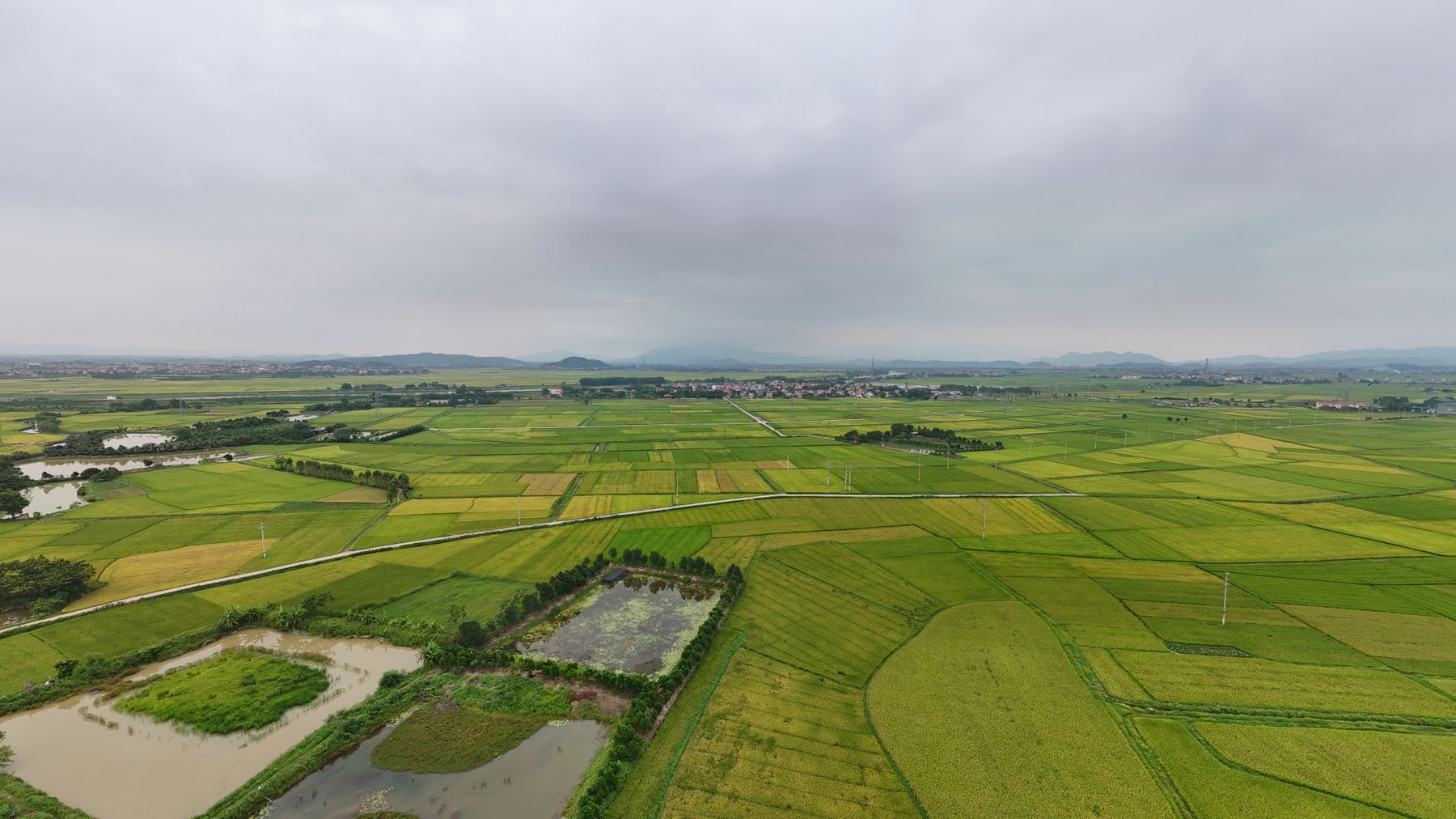
Photo by Hoang Duy on Pexels
Month-by-Month Breakdown
January: Cold (10–15°C), occasional drizzle, very quiet. Tet arrives at the end of the month; pre-Tet week is hectic, post-Tet (days 1–5) most places are closed.
February: Cold early month, warming by late February (12–18°C). Tet hangover early week; normal operations resume. Still quiet.
March: Warming trend (15–22°C), dry. Traffic on roads picks up slightly as people travel. Guesthouses reopen fully.
April: Warm (20–26°C), mostly dry, lychee harvest in full swing. Peak domestic tourism. Book accommodation ahead.
May: Warm to hot (24–30°C), lychee season ends. Humidity rising. Still crowded until late May, then tourists thin out rapidly.
June–September: Hot (28–35°C), very humid (75–85%), frequent rain, occasional heavy downpours. Few tourists. Many rural guesthouses operating at reduced capacity or closed.
October: Humidity drops sharply by mid-month (50–70%), temperatures 18–25°C, clear skies. Second-best month overall. Moderate crowds, good prices.
November: Cool (15–22°C), dry, clear. Very pleasant. Fewer tourists than October. Low prices.
December: Cool to cold (10–16°C), overcast, occasional drizzle. Few tourists. Good value.
Frequently Asked Questions
How far is Bac Giang from Hanoi and how do crowds compare?
Bac Giang sits 60 km from Hanoi, close enough that families from Hanoi and Hai Phong make weekend trips during lychee season in April and May. Saturdays fill up accommodation, but this is cheerful domestic bustle rather than heavy international tourism. Restaurants and guesthouses cater to Vietnamese visitors, which keeps prices lower and food more authentic than in popular foreign-tourist destinations.
What lychee varieties can you buy directly from farms in Luc Ngan?
The orchards around Luc Ngan district produce varieties that never leave the region, including Chi Duong, Thanh Huong, and Hanh Lua. From mid-April through late May you can visit farms and buy directly from roadside stalls at 20,000 to 40,000 VND per kg depending on variety. The lychee season ends by early June, so arriving before late May is essential if fresh fruit is your reason for visiting.
When does the weather become most comfortable for walking around Bac Giang?
April and May offer the most comfortable conditions, with temperatures between 22 and 28 degrees Celsius, dry air, and manageable humidity. October is a strong second option, with temperatures falling to 18 to 25 degrees after the monsoon clears. Winter months from December through February drop to 10 to 18 degrees with frequent overcast skies, so layers are needed, particularly on early mornings.
Practical Notes
For lychee fruit and peak comfort, visit April–May. For solitude and value, choose October–November or January–February (outside Tet). Skip June–September unless you're specifically researching agriculture or want to test your heat tolerance. Bac Giang is 60 km northeast of Hanoi by road (1.5 hours by bus or hired car); getting there is straightforward regardless of season, but driving conditions worsen during summer monsoon rains.
Last updated · May 17, 2026 · independently researched, never sponsored.