Yogurt coffee sounds like something a backpacker invented on a slow afternoon, but it's been quietly popular in Vietnam (베트남 / 越南 / ベトナム) for decades — especially in Hanoi, where the cold version is practically a summer institution.
What Is It, Exactly?
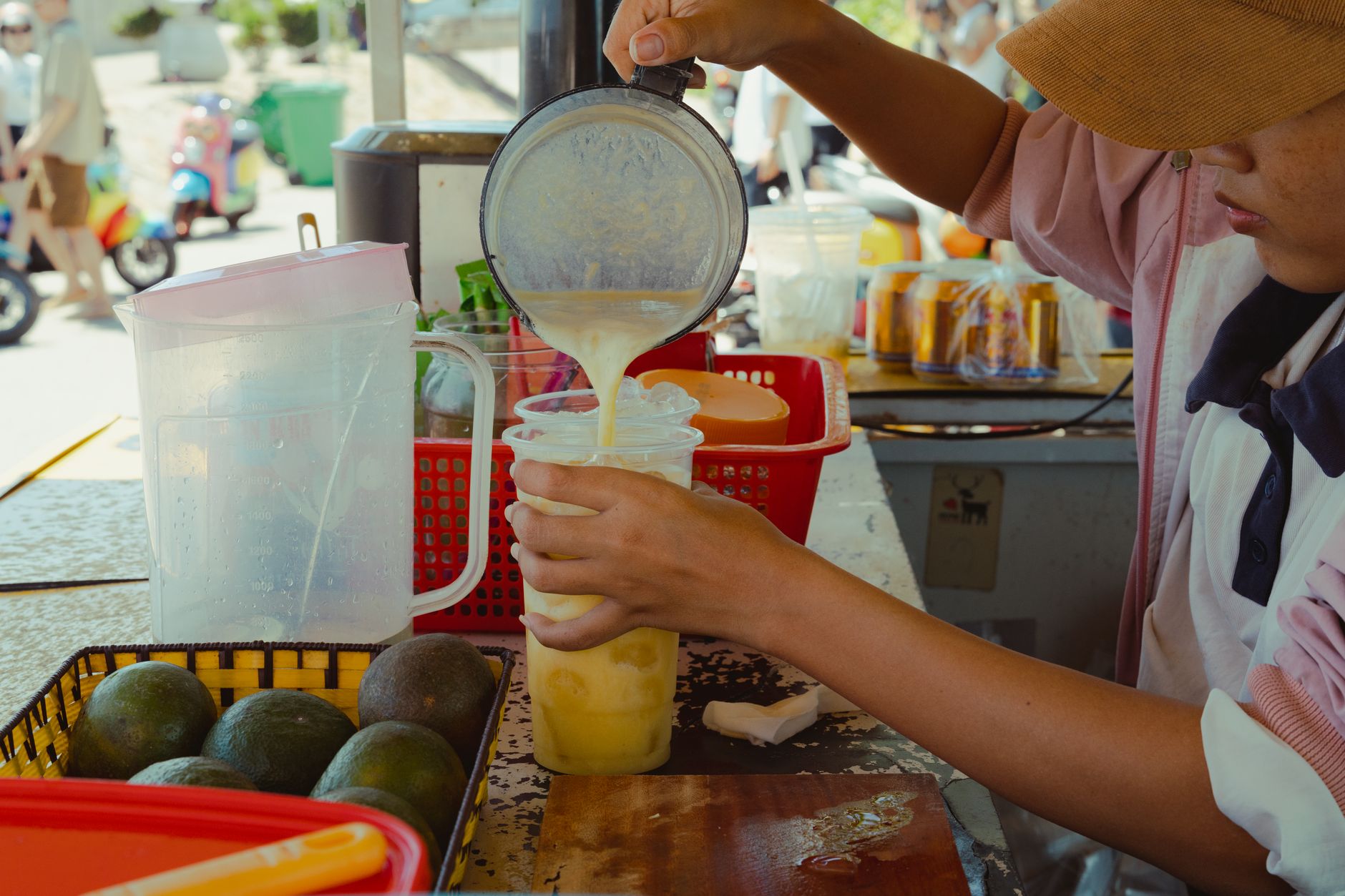
"Ca phe sua chua" — literally coffee with sour milk — is exactly what it says. A shot or two of Vietnamese robusta espresso (usually brewed through a "phin" drip filter or pulled as a short espresso) gets spooned over a generous scoop of plain, slightly tart Vietnamese-style yogurt. The whole thing is served in a glass, often over ice, and you stir or fold it together before drinking.
The result is cold, creamy, faintly sour, and caffeinated. The yogurt cuts the bitterness of the robusta and the sweetened condensed milk that often goes into the base, landing somewhere between a coffee smoothie and a very drinkable dessert. It works better than it has any right to.
Where It Came From
The origin story most Hanoians will tell you points to Dinh Tien Hoang street, where a handful of small ca phe shops started experimenting with the format in the 1990s. Vietnamese yogurt at the time — the kind sold in small ceramic pots, set with condensed milk and a touch of tartness — was already popular as a street snack. Someone, at some point, decided to pour coffee over it.
There's no single documented inventor. What's clear is that Hanoi (하노이 / 河内 / ハノイ) adopted it first and most enthusiastically. By the early 2000s, ca phe sua chua had a following. Today it's on the menu at everything from sidewalk plastic-stool shops to polished specialty cafes.
It's a different lineage from "egg coffee", Hanoi's other famous coffee anomaly, but they share the same underlying logic: take strong Vietnamese robusta, soften and enrich it with something unexpected, serve cold in summer.

Photo by 🇻🇳🇻🇳Nguyễn Tiến Thịnh 🇻🇳🇻🇳 on Pexels
How to Order It
In most shops, you just ask for ca phe sua chua da — yogurt coffee with ice. "Da" is the key word for cold. Drop the "da" and you'll sometimes get a warm version, which does exist but is significantly less common and, frankly, less compelling in 35-degree heat.
A few things to know before you order:
- Sweetness level: Vietnamese yogurt is already sweetened with condensed milk. The coffee base often has condensed milk too. If you're sensitive to sugar, ask for it "it ngot" (less sweet). Most shops can adjust the coffee component; the yogurt is usually pre-made.
- Ratio matters: A good ca phe sua chua should have enough yogurt to hold its texture through the ice melt — roughly a 1:1 volume ratio of yogurt to coffee. Thin versions that are mostly watered-down coffee aren't worth the 30,000 VND.
- Stir it yourself: The shop will usually bring it unstirred so you can see the layers. Fold the yogurt into the coffee gradually rather than slamming it all together — you'll get a better texture through the drink.
Price range: 25,000–45,000 VND at street-level shops; up to 65,000 VND at specialty cafes.
Regional Variations
Hanoi
This is the heartland. Hanoi versions tend to use phin-drip coffee — slow, concentrated, slightly smoky — and set-style yogurt in the Vietnamese tradition. The sour note is more pronounced. Shops around Hoan Kiem Lake and the Old Quarter keep it on the menu year-round, though it peaks in the April–September heat.
Saigon
Saigon's version often swings sweeter and creamier. Some shops use a more liquid-style yogurt, closer to a drinkable kefir consistency, and the coffee base is sometimes espresso-machine pulled rather than phin-drip. The result is smoother and less sour. You'll find it at independent cafes in Binh Thanh and District 3 more reliably than at traditional ca phe shops, where "vietnamese coffee" culture still defaults to ca phe sua da.
Da Lat
Da Lat deserves a mention because the city produces a significant portion of Vietnam's dairy — milk, yogurt, and cream are local staples. Ca phe sua chua here uses locally made yogurt that's noticeably fresher and tangier than the shelf-stable versions you'll find elsewhere. A few cafes near Xuan Huong Lake pair it with Da Lat's own arabica-forward coffee, which gives the drink a brighter, more floral profile than the robusta-heavy Hanoi style.
Hue and the Central Coast
Less common but not absent. In Hue, where "bun bo hue" and strong black coffee define the food culture, yogurt coffee exists mostly at modern cafes rather than traditional ones. It's worth trying if you're passing through, but don't build your itinerary around finding it here.

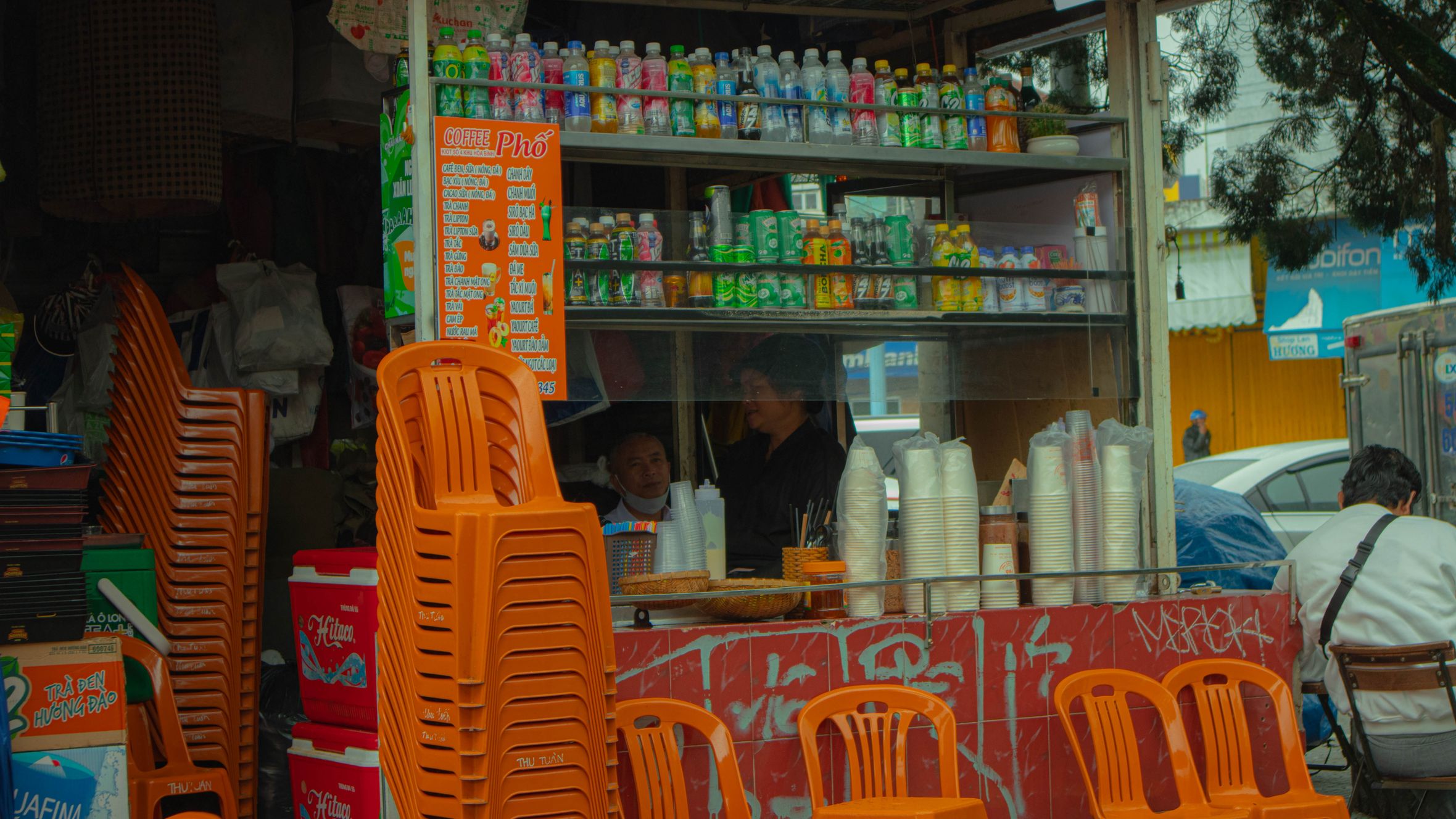
Photo by 🇻🇳🇻🇳Nguyễn Tiến Thịnh 🇻🇳🇻🇳 on Pexels
Is It Worth Trying?
Yes, with one condition: go to a shop that makes the yogurt in-house or sources it locally rather than using commercial supermarket cups. The difference in texture and tang is noticeable. Ask the staff "sua chua tu lam" (homemade yogurt) — many shops that take the drink seriously will make their own.
For anyone already comfortable with Vietnamese coffee culture — the sweetness, the robusta punch, the slow-drip ritual — ca phe sua chua is an easy next step. It's cooling, filling enough to replace a light breakfast, and costs less than a convenience store bottle of anything.
Practical Notes
Yogurt coffee is easier to find in Hanoi than anywhere else; if you're traveling south, don't assume every cafe will carry it — search specifically or ask. Most shops that serve it will have it listed as "ca phe sua chua" on a handwritten board or a laminated menu near the counter. The drink keeps its texture for about 10–15 minutes before the ice dilutes it significantly, so drink it relatively promptly.
Last updated · May 29, 2026 · independently researched, never sponsored.