— HẾT —
Cập nhật lần cuối · May 29, 2026 · nghiên cứu độc lập, không tài trợ.
We use minimal analytics + ads (no personal tracking). See our privacy policy.
A scatter of limestone islands off the Ha Tien coast, Ba Lua is what Ha Long Bay looked like before the tour boats arrived — and it's still barely on the radar.

Cập nhật lần cuối · May 29, 2026 · nghiên cứu độc lập, không tài trợ.
Bài viết khác về thành phố này.

Locals live on Zalo, tourists default to WhatsApp — here's why that gap matters and how to bridge it before your trip.
…
Hotels, homestays, hostels — strongest inventory in Vietnam.
Skip the mega-resort bubble and head south to the An Thoi archipelago. This independent day-trip route covers speedboat logistics, quiet snorkeling spots, and local seafood.

Ditch the crowded tourist loops of the Mekong Delta for Tri Ton, a quiet district of emerald palmyra fields, sacred Khmer pagodas, and incredible street food.
Bài viết khác trong vùng này.

Forget the heavy gear. Packing for the Mekong Delta is about managing humidity, protecting your skin, and staying mobile on the water.
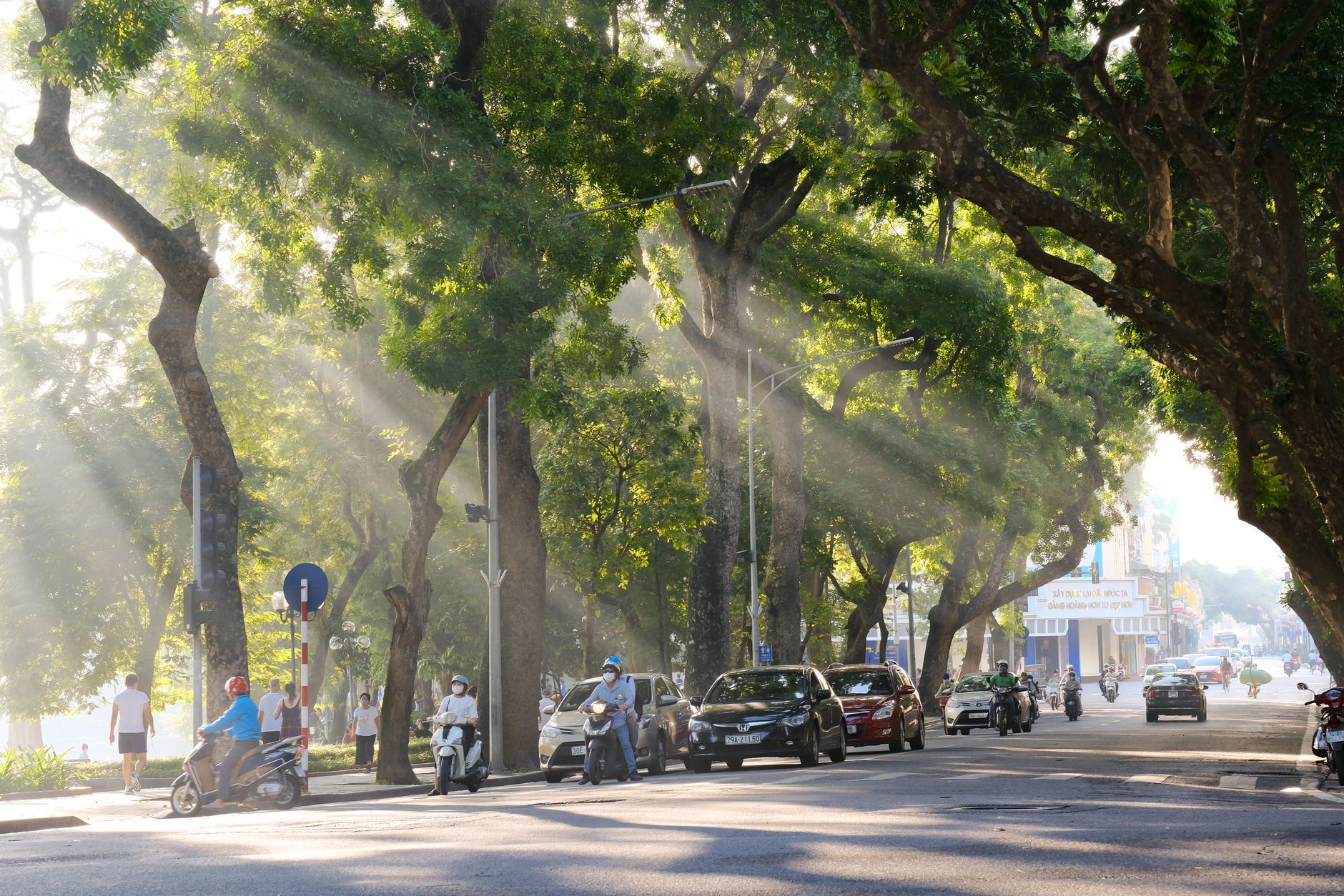
Navigating Tra Vinh's tree-lined streets and scattered Khmer pagodas requires some planning. Here is how to handle local taxis, motorbike rentals, and regional buses.
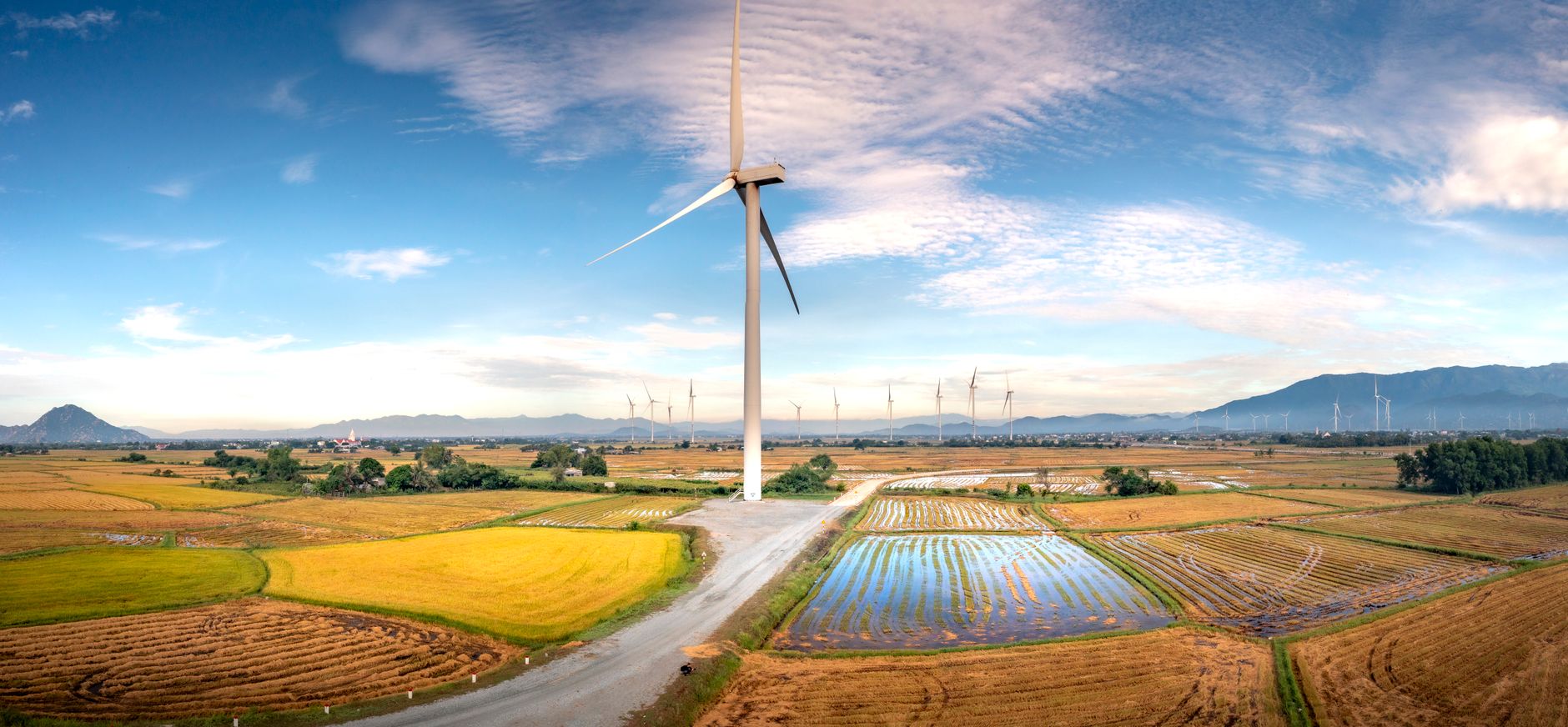
Discover the underrated cultural crossroads of Bac Lieu, from surreal coastal wind farms and ornate Khmer temples to the roots of southern folk opera.
More articles from the same category.
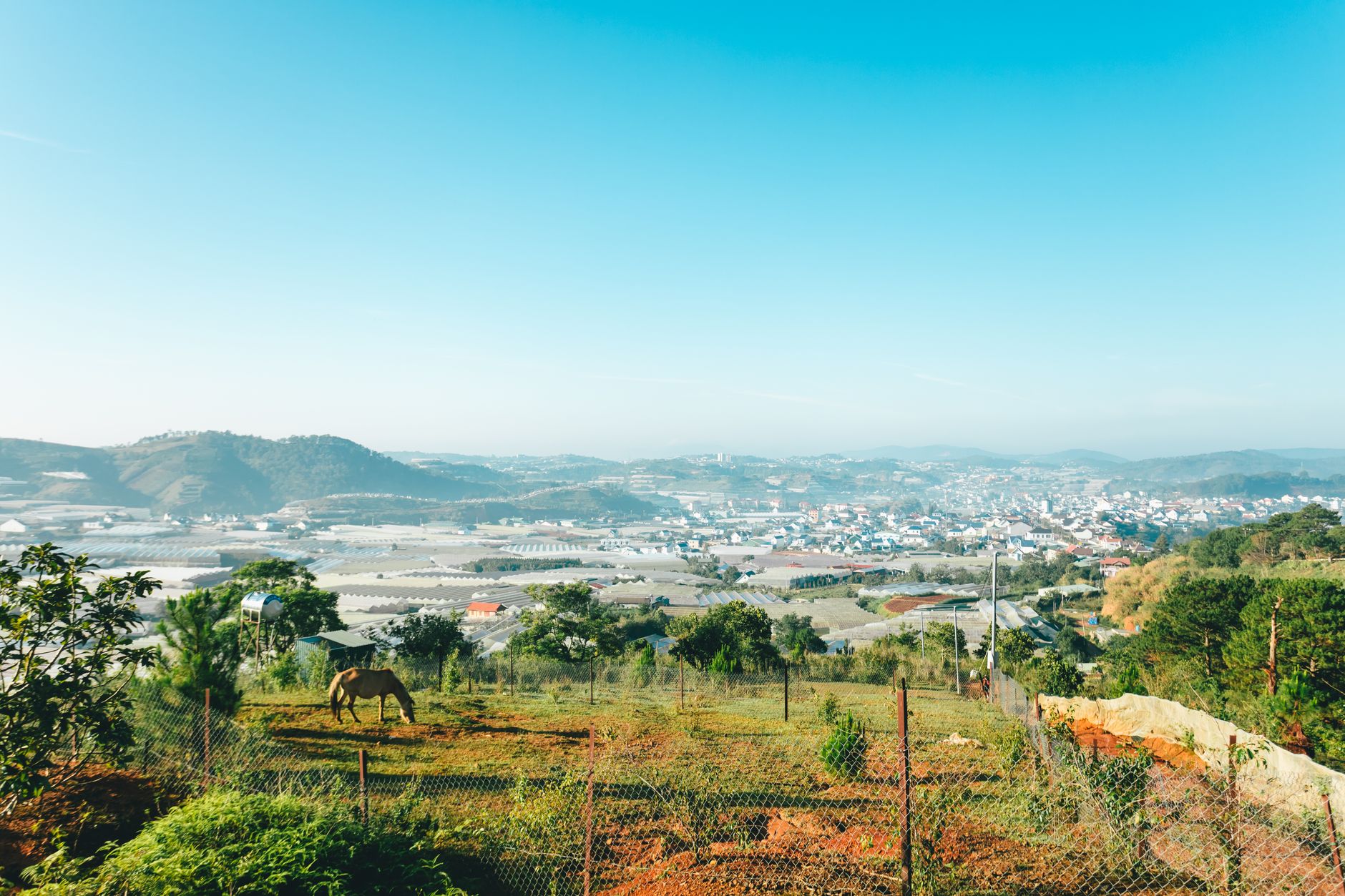
Yok Don is Vietnam's biggest national park and one of its least-visited. Here's what actually lives inside — and how to do it properly.
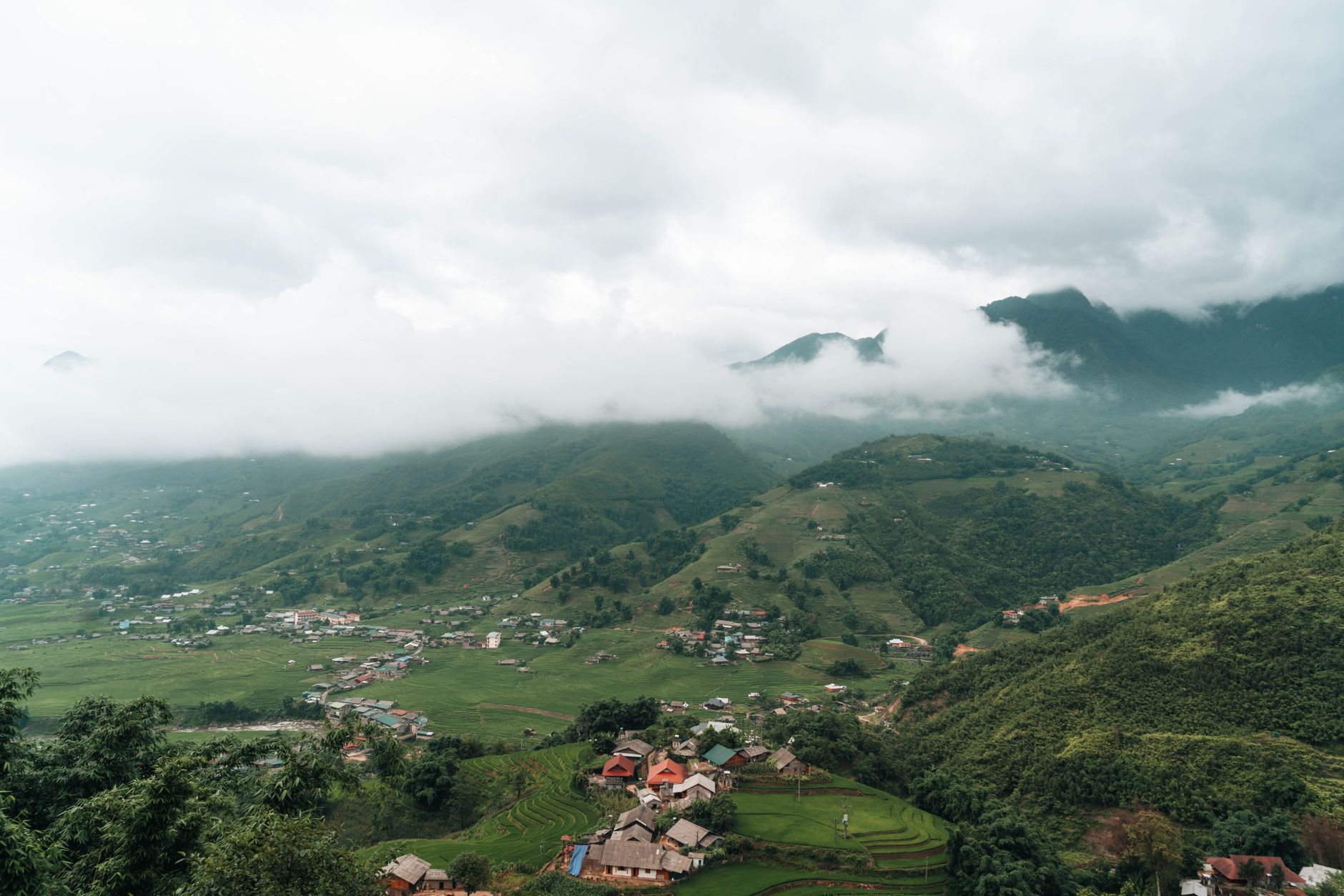
Y Ty is a Ha Nhi ethnic commune in Lao Cai province where sea-of-cloud mornings run from September to March — and almost nobody shows up compared to Sa Pa.

Y Ty's sea of fog is not a rumor — but it only appears reliably for a few weeks a year. Here's when to go, where to stand, and how to sleep close enough to catch it.

Yen Tu in Quang Ninh province is Vietnam's most significant Buddhist pilgrimage site — a forested mountain where a 13th-century king renounced his throne and founded a homegrown school of Zen.
Skip the crowds of Sapa for Y Ty, a remote highland outpost in Lao Cai where clouds settle in the valleys and ancient mud-walled houses dot the terraced hills.

A practical, no-nonsense guide to visiting Phong Nha Cave independently, including how to navigate the boat-sharing system, costs, and what to expect.
Most people blowing through Kien Giang province are thinking about Phu Quoc — the big beach, the resort strip, the familiar itinerary. Ba Lua sits roughly 20 km southwest of Ha Tien and gets a fraction of the attention, which is exactly the point.
Ba Lua is an archipelago of around 45 small islands — some forested, some bare karst — rising out of the Gulf of Thailand in the same dramatic way that Ha Long Bay's towers rise from the water. Locals and a few travel writers have started calling it the "Halong (하롱 / 下龙 / ハロン) of the south," which is a bit of a marketing shortcut but not entirely wrong. The limestone geology is similar. The scale is far smaller. The crowds are not comparable at all.
The islands are spread across a shallow bay edged by mangroves and fishing villages on the mainland side. Some islands have caves. A few have small sandy beaches accessible only at low tide. Most are uninhabited. The whole area sits within Kien Giang Biosphere Reserve, which has kept heavy development out so far.
The base for visiting Ba Lua is Ha Tien, a small coastal town on Vietnam (베트남 / 越南 / ベトナム)'s southwestern tip near the Cambodian border. Ha Tien is easy to reach:
From Ha Tien, you hire a boat to reach the archipelago. The Ha Tien boat pier is the main departure point. A chartered wooden boat for a half-day trip typically costs 500,000–800,000 VND depending on the vessel and group size — bargain before you board, and agree on which islands you'll visit. A full-day trip runs closer to 1,200,000–1,500,000 VND. There are no fixed-schedule ferries to Ba Lua; everything here is hired privately or through a guesthouse.

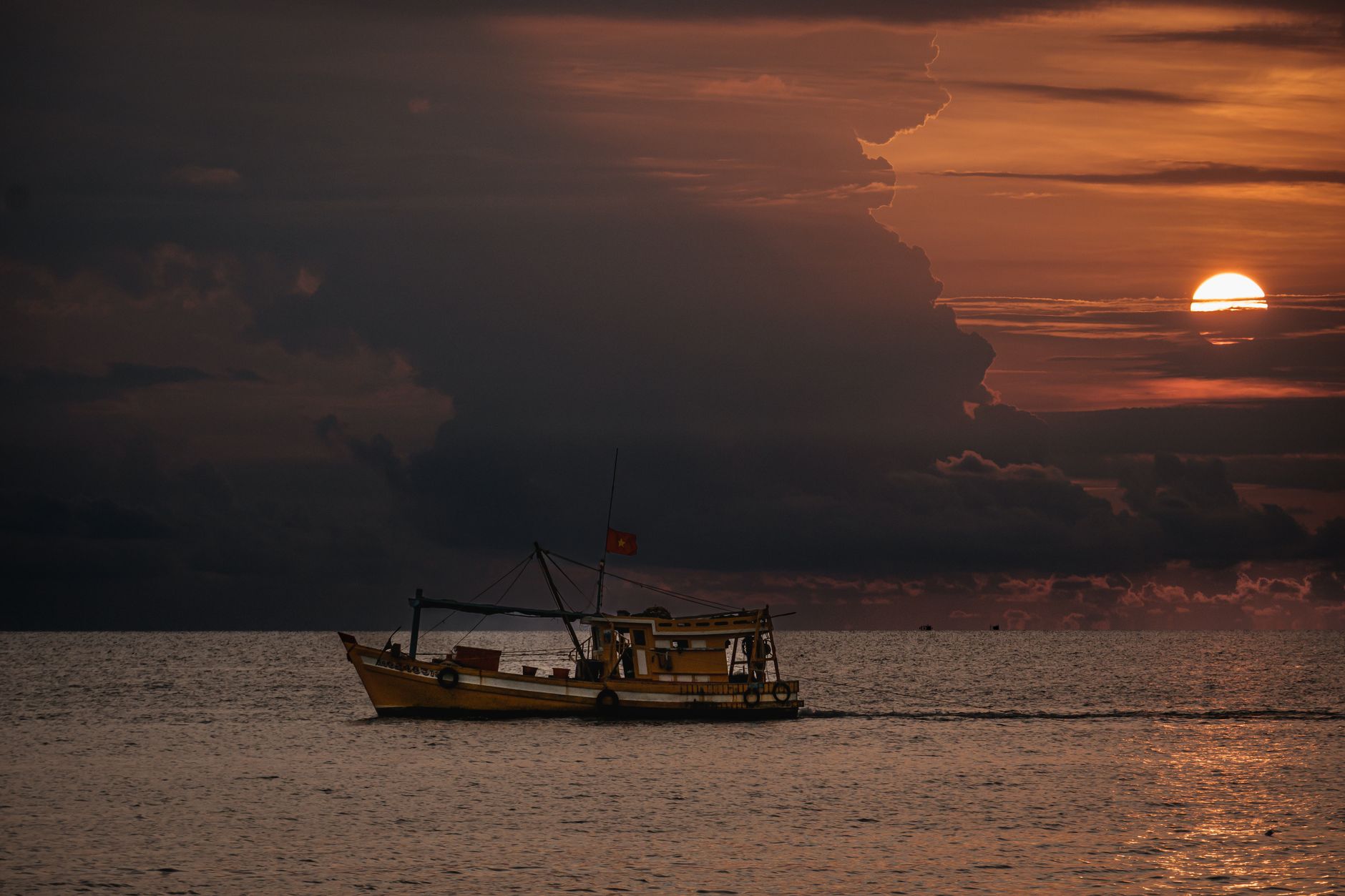
Photo by Karolina on Pexels
The boat trip itself is the experience. You move between islands slowly, with the driver often stopping to point out cave entrances or fishing traps. A few specific things worth asking your boatman to include:
Hon Trong and Hon Mai — Two of the larger islands, with beaches that appear briefly at low tide. Swimming is possible, water is clear, but check conditions first — currents can be unpredictable between islands.
The cave passages — Some limestone outcroppings have sea caves accessible by small boat or on foot at low water. Nothing on the scale of Phong Nha, but atmospheric in the way that any dark karst passage opening onto bright green water tends to be.
Fishing villages — A couple of floating or stilted settlements exist within the archipelago. Watching the daily catch come in around midday is worth building into the route.
If you're into kayaking, a few guesthouses in Ha Tien can arrange kayak rentals. Paddling between the smaller outcroppings at your own pace is genuinely good, especially in the early morning before the wind picks up.
Ha Tien is where most visitors sleep. It's a proper small town — you'll find guesthouses from around 200,000–400,000 VND per night at the budget end, and a handful of cleaner mid-range options in the 600,000–900,000 VND range. The riverfront near the night market is the convenient zone.
A few basic homestay options exist on the mainland edge of the archipelago, near the fishing communities. These are simple — fan rooms, shared bathrooms, meals cooked by the family — and rarely bookable online. Ask at the Ha Tien boat pier or through a local guesthouse owner who knows the fishing families. Rates are typically 150,000–250,000 VND per person including dinner and breakfast, which usually means freshly caught fish, steamed rice, morning broth.
Spending a night in or near the archipelago rather than just doing a day trip is worth it if your schedule allows. The light at dawn over the karst islands is the kind of thing you don't see from a Phu Quoc resort.

Photo by Menderes Kahraman on Pexels
Ha Tien has its own food identity, shaped by the Khmer influence that runs through this corner of the country. Look for "bun canh" at the market stalls near Dong Ho lagoon — the local version is thick-noodled and heavily laden with seafood. Grilled squid and crab are available at most waterfront spots, priced by weight. A solid seafood meal for two with rice and a beer won't exceed 200,000–300,000 VND at a local place.
For breakfast, the market near the main bus station has "banh mi" and rice porridge stalls open from around 6 a.m. Simple, cheap, the right way to start a boat day.
The best time to visit Ba Lua is November through April, when the Gulf of Thailand is calm and visibility on the water is good. From May onward, the southwest monsoon can make boat trips rough or outright cancelled — check with your boatman the evening before. Bring cash; Ha Tien's ATM coverage is thin and the islands have none. A half-day on the water is enough to get a real sense of the place; a full day lets you slow down and actually swim.