— HẾT —
Cập nhật lần cuối · May 29, 2026 · nghiên cứu độc lập, không tài trợ.
We use minimal analytics + ads (no personal tracking). See our privacy policy.
Vietnam's hotel pricing has clear seasonal logic. Know the 3-4 week windows in each region and you can book the same room for 30-40% less.

Cập nhật lần cuối · May 29, 2026 · nghiên cứu độc lập, không tài trợ.
Bài viết khác về thành phố này.

Locals live on Zalo, tourists default to WhatsApp — here's why that gap matters and how to bridge it before your trip.
…
Hotels, homestays, hostels — strongest inventory in Vietnam.
Winter in the north is damp, grey, and surprisingly chilly. Forget the tropical gear and pack for layering to survive the humidity.

Thousands of foreigners teach English or freelance in Vietnam on tourist visas. Here is what Vietnamese law actually says, when it gets enforced, and how to do it properly.
Bài viết khác trong vùng này.

The Wise debit card works well in Vietnam if you set it up right. Here's how to avoid fees, use the VND balance, and when it beats alternatives.

The Wise debit card works well in Vietnam if you know the fee structure. Here's how to use it at ATMs and merchants without losing money on bad rates.
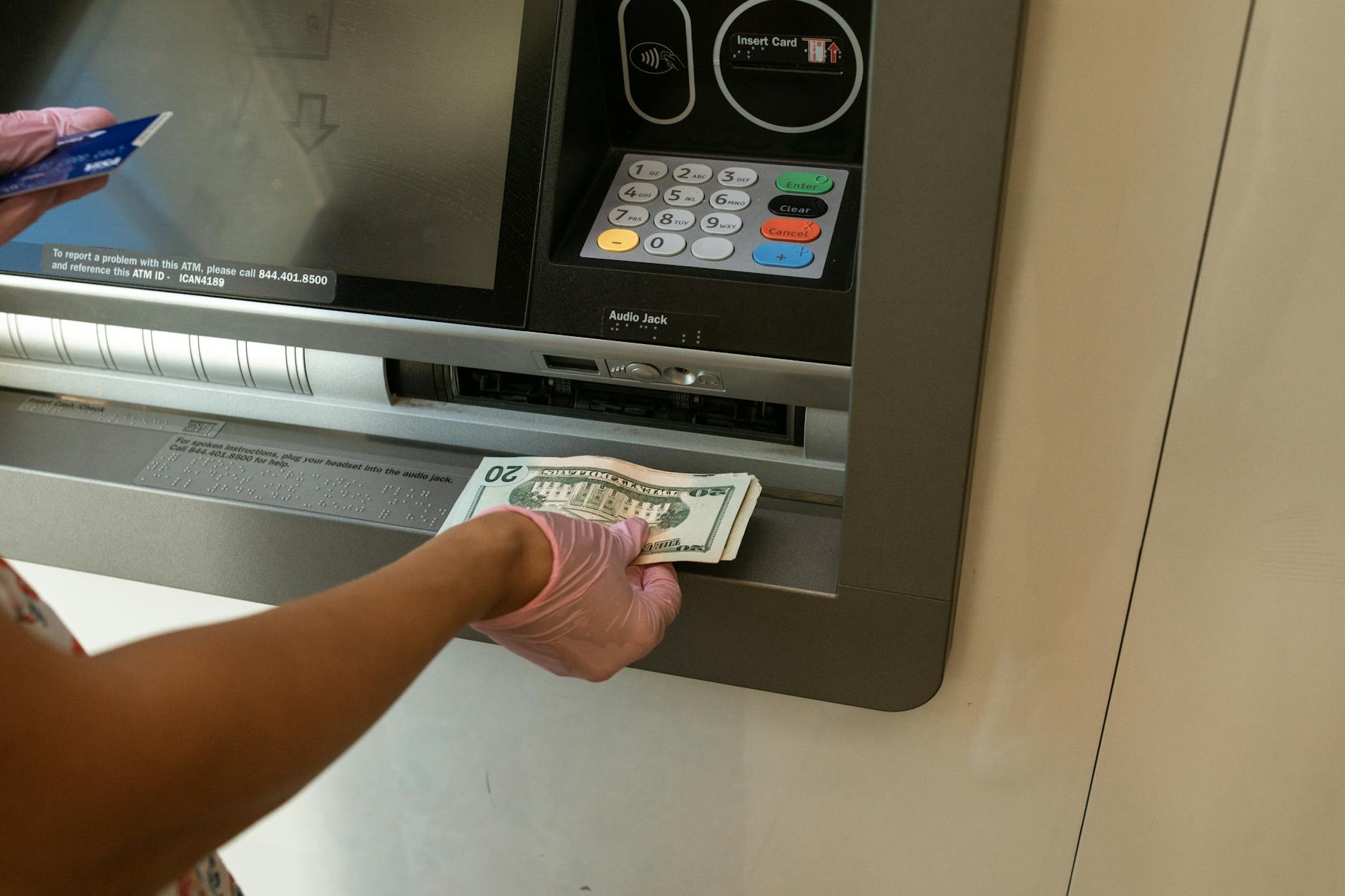
Vietnam runs on dong, but there are real situations where USD cash matters. Here is where you can actually pull USD from an ATM or bank counter.
More articles from the same category.

Forget the heavy gear. Packing for the Mekong Delta is about managing humidity, protecting your skin, and staying mobile on the water.

Wise works for sending VND to Vietnamese banks, but the process has quirks. Here's what fees to expect, which banks receive fastest, and why transfers get rejected.
Fees, speeds, and bank coverage compared for the three most-used international transfer services into Vietnam — so you pick the right one before you send.
Forget the resort-brochure packing lists. Here is the gear you actually need for Vietnam's coast, from the sands of Da Nang to the islands of Phu Quoc.
Mastering basic time and day markers in Vietnamese will save you from missed buses and confused taxi drivers. Here is the essential cheat sheet for your trip.

Most travel insurance policies have gaps that matter specifically in Vietnam — motorbike coverage, medical evacuation, and hospital payment methods. Here is what to check before you buy.
Vietnam (베트남 / 越南 / ベトナム)'s hotel market runs on three distinct regional climates, and the peaks in one region are often the troughs in another. Get the timing right and a 4-star room that costs 2,200,000 VND in high season drops to 1,400,000 VND or less.
Vietnam doesn't have a single national tourism season — it has three overlapping ones. The north (Hanoi, Sapa, Ha Long Bay) peaks October–November and March–April. The central coast (Da Nang, Hue (후에 / 顺化 / フエ), Hoi An) peaks February–August. The south (Saigon, Phu Quoc, the Mekong) peaks November–April. When one region is flush with visitors, another is sitting on empty rooms — and hotels discount to fill them.
The windows described below are the gaps between these peaks, typically 3–4 weeks wide, when demand is soft enough that hotels move off rack rate.
Early September is the single most overlooked window in northern Vietnam. Summer domestic tourism (Vietnamese families traveling in July–August) has ended. Foreign tourist arrivals pick back up in October. That leaves roughly September 1–20 as dead air for Hanoi hotels, when a guesthouse in the Old Quarter that charges 600,000–800,000 VND in October will advertise the same room for 380,000–450,000 VND.
For Sapa, the same window applies, with one caveat: early September still has a reasonable chance of rain and low cloud. The scenery is there; visibility is variable. If you can live with that, resorts on the valley edge that run 2,800,000 VND in October can be had for 1,600,000–1,900,000 VND.
Late November (roughly November 22 through December 5) is the second window. The October–November peak has just ended. Christmas travel hasn't started. Ha Long Bay liveaboards in particular drop rates visibly in this gap — a mid-range 2-day/1-night cruise that quotes 2,500,000 VND per person in October often runs 1,700,000–1,900,000 VND in late November, and boats are less crowded.
This window requires honesty: central Vietnam's shoulder season comes with a weather trade-off. Typhoon season runs through October, and Da Nang and Hoi An both take occasional direct hits. That risk is exactly why hotels discount.
From mid-September through mid-October, beachfront Da Nang hotels that charge 1,800,000–2,200,000 VND in July routinely list at 900,000–1,200,000 VND. Hoi An's boutique properties, especially along the Thu Bon River, follow the same pattern — rooms that go for 1,500,000 VND in peak season appear at 800,000–1,000,000 VND.
Hue is slightly more sheltered and its off-peak is more about tourist footfall than weather. Late August through mid-September sees fewer visitors at the imperial tombs — including the Tomb of Tu Duc and Tomb of Khai Dinh — and hotels in the city center drop from 1,200,000 VND to 750,000–850,000 VND for solid 3-star options.
If you watch the weather forecast and have flexible dates, this window is the best value on the entire coast.

Photo by Nguyen Ngoc Tien on Pexels
Phu Quoc's peak is December–March. Saigon is busy year-round but has softer periods. Late April (after Vietnamese Easter-adjacent holidays settle) through mid-May is one window: beach resorts on Phu Quoc's Long Beach that charge 2,500,000–3,200,000 VND in January often sit at 1,400,000–1,800,000 VND in late April. The sea is still calm, the island is green, and the crowds are gone.
The second window is early November — the brief lull before the December peak lands. Rates dip for about 3 weeks, then climb sharply once European winter-sun travelers arrive. Saigon itself doesn't move price as dramatically, but boutique hotels in District 1 and District 3 will negotiate or offer free upgrades in this window in ways they won't touch in December.
For the Mekong Delta, including Can Tho, there's no dramatic season — it's genuinely year-round. Prices are already low by Vietnamese standards. A decent guesthouse in Can Tho rarely exceeds 600,000–800,000 VND even in peak season.
Direct booking beats OTAs during shoulder season. Hotels that charge Booking.com or Agoda an 18–20% commission will often match or beat that price if you email them directly, especially for 3+ nights. A short email in English asking for their "best available rate" for specific dates works more often than travelers expect.
For liveaboard cruises (Ha Long Bay, Lan Ha Bay), the shoulder-season discount is most visible on the operators' own websites or through local Hanoi travel agents on Ma May Street or Hang Bac Street — not on aggregators, which often display static pricing.
Flexibility of 2–3 days on arrival date makes a real difference. A Tuesday check-in versus a Saturday check-in in a shoulder window can be a 15–20% variance on its own, separate from the seasonal drop.

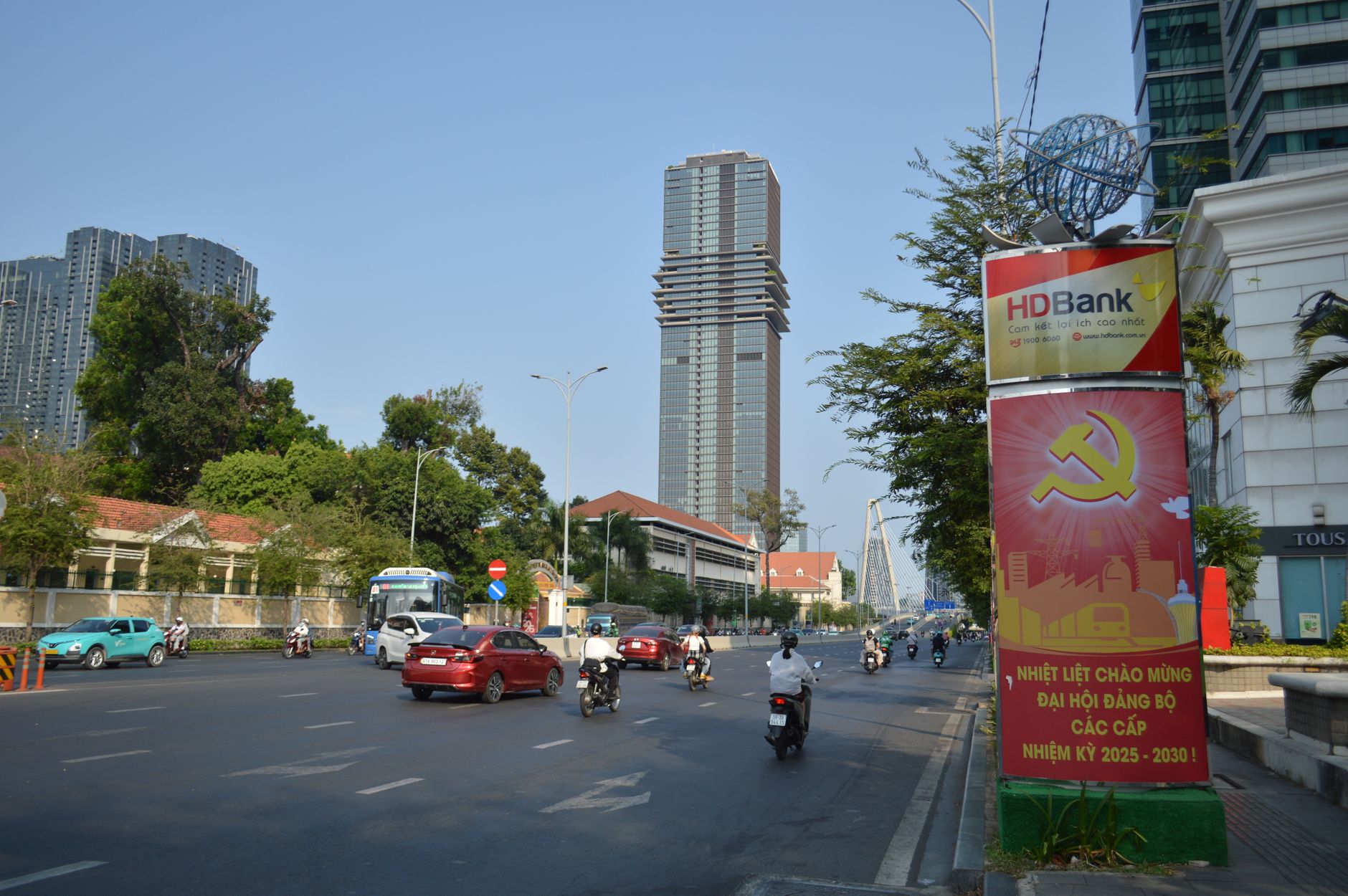
Photo by HONG SON on Pexels
Be clear-eyed about the trade-offs. Early September in the north means post-summer haze and some rain. The central coast shoulder season means typhoon risk. Late November in the north is fine weather-wise but fewer organized tours are running, so independent logistics matter more.
None of these are trip-ruining downsides for most travelers — but they're real, and worth factoring in before you book.
The two dates worth writing down: September 1–20 for the north, and late September through mid-October for the central coast — those are where the biggest discounts concentrate. For the south, target late April or the first three weeks of November. Book direct, email the hotel, and ask.