— HẾT —
Cập nhật lần cuối · May 29, 2026 · nghiên cứu độc lập, không tài trợ.
We use minimal analytics + ads (no personal tracking). See our privacy policy.
A Vietnamese SIM lasts longer than most tourists expect — if you top it up right. Here's how validity, data, and expiry actually work for longer stays.

Cập nhật lần cuối · May 29, 2026 · nghiên cứu độc lập, không tài trợ.
Bài viết khác về thành phố này.

Locals live on Zalo, tourists default to WhatsApp — here's why that gap matters and how to bridge it before your trip.

…
Hotels, homestays, hostels — strongest inventory in Vietnam.
Da Lat has quietly become Vietnam's most liveable remote-work base — cool air, cheap rent, and more cafes than you can reasonably test in a month.

Winter in the north is damp, grey, and surprisingly chilly. Forget the tropical gear and pack for layering to survive the humidity.
Bài viết khác trong vùng này.

The Wise debit card works well in Vietnam if you set it up right. Here's how to avoid fees, use the VND balance, and when it beats alternatives.
Thousands of foreigners teach English or freelance in Vietnam on tourist visas. Here is what Vietnamese law actually says, when it gets enforced, and how to do it properly.

The Wise debit card works well in Vietnam if you know the fee structure. Here's how to use it at ATMs and merchants without losing money on bad rates.
More articles from the same category.

Forget the heavy gear. Packing for the Mekong Delta is about managing humidity, protecting your skin, and staying mobile on the water.
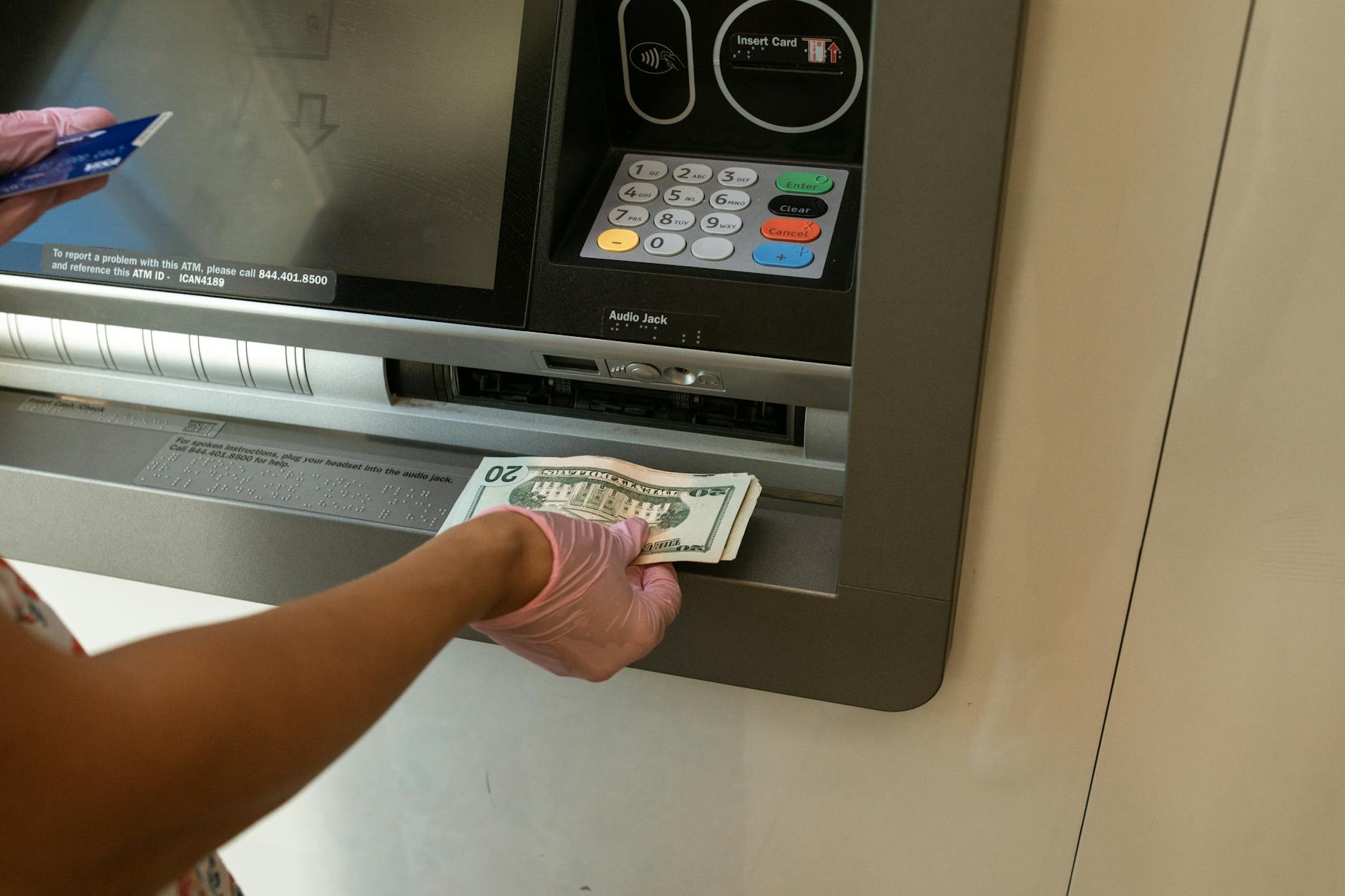
Vietnam runs on dong, but there are real situations where USD cash matters. Here is where you can actually pull USD from an ATM or bank counter.

Wise works for sending VND to Vietnamese banks, but the process has quirks. Here's what fees to expect, which banks receive fastest, and why transfers get rejected.
Fees, speeds, and bank coverage compared for the three most-used international transfer services into Vietnam — so you pick the right one before you send.
Forget the resort-brochure packing lists. Here is the gear you actually need for Vietnam's coast, from the sands of Da Nang to the islands of Phu Quoc.
Mastering basic time and day markers in Vietnamese will save you from missed buses and confused taxi drivers. Here is the essential cheat sheet for your trip.
A 30-day data plan does not mean your SIM card dies on day 31. For travelers staying in Vietnam (베트남 / 越南 / ベトナム) longer than a month — or returning frequently — understanding the difference between plan validity and SIM card validity saves you from buying a new number every trip.
Your Vietnamese SIM is running two separate clocks simultaneously, and mixing them up is the root of most tourist confusion.
Plan validity is how long your data package lasts. The standard tourist SIM sold at Noi Bai (Hanoi), Tan Son Nhat (Saigon), or Da Nang airports comes bundled with a 30-day data plan — typically offering unlimited or high-speed data for that window. When day 30 hits, data stops. Calls and texts may still work, but browsing grinds to a halt.
SIM card validity is different. The physical card — and your number — stays alive much longer, provided you keep it active. Viettel and Vietnamobile SIMs generally remain valid for 90 to 180 days after the last top-up or recharge, depending on the denomination loaded. Vinaphone and Mobifone follow similar rules. If you do nothing for six months, the number gets recycled. If you top up regularly, you can hold the same number for years.
The mechanics are simple once you know the system. When your initial plan expires, you recharge (called "nap tien" — adding credit) and then register a new data package on top of that credit.
Forget the airport counters for top-ups. The cheapest and fastest method is the network of tap hoa (small general stores) and convenience stores that you'll find on virtually every block in any Vietnamese city. Look for signs showing the Viettel, Vinaphone, or Mobifone logo — these shops sell scratch-off top-up cards or process electronic recharges directly.
A 50,000 VND top-up card covers a basic extension. For data-heavy users, 100,000 to 200,000 VND is more realistic. Show the shopkeeper your SIM card so they confirm your network, then either buy the physical card or ask them to recharge directly to your number. The whole transaction takes under two minutes.
Convenience chains — Circle K, GS25, Vinmart+ — also sell top-up cards, though staff English is hit or miss. Pointing at the network logo on your phone screen usually gets the job done.
Adding credit doesn't automatically restart your data. You need to activate a package. Each carrier has a USSD code sequence — dial it from your SIM and follow the prompts. Viettel's most common tourist reload is the MT7 package (around 70,000 VND for 30 days of 4G data, though packages change seasonally — always confirm current offers). Vinaphone uses similar codes accessible by dialing *098#.
If the Vietnamese menus feel intimidating, a simpler option: walk into any official carrier store (Viettel stores are everywhere, usually branded in red), hand them your phone, and ask for "gia han goi cuoc" — renewing the data plan. Staff in major cities like Hanoi (하노이 / 河内 / ハノイ), Hoi An, or Da Lat are accustomed to helping foreign visitors.

Photo by Nguyen Ngoc Tien on Pexels
If your plan expires but you're still within the SIM's dormancy window (usually 90 days from last activity), you can recharge and reactivate normally. You keep your number.
If you've exceeded the dormancy period — typically six months of zero activity — the carrier reclaims the number. At that point, you're buying a new SIM. Tourist SIMs at major airports run between 50,000 and 300,000 VND depending on the bundled data, and they require passport registration at the point of sale. This is a legal requirement, not optional — carriers are obligated to record foreign SIM registrations.
For stays of two to six months, the play is simple: buy a standard tourist SIM on arrival, recharge it monthly, and keep the same number. Monthly data costs 70,000 to 150,000 VND depending on the package — roughly $3 to $6 USD, which is hard to beat.
For stays beyond six months or if you're working remotely, consider switching to a regular local SIM rather than the tourist variant. The registration process is the same (passport required), and you get access to longer-validity packages and slightly cheaper rates. Some carriers offer 90-day data packages that reduce the maintenance overhead to once a quarter.
If you're based in Hanoi, the main Viettel store on Tran Duy Hung street in Cau Giay district is efficient and has English-capable staff. In Saigon, the cluster of carrier stores around Nguyen Thi Minh Khai street handles tourist queries regularly.

Photo by Tuan Vy Spotter on Pexels
If you visit Vietnam multiple times a year, keeping an old Vietnamese SIM alive between trips is worth the minimal effort. As long as you top up at least 10,000 to 20,000 VND before the dormancy deadline — which you can do via some carrier apps or through a local contact — your number survives until your next arrival. You skip the airport SIM queue entirely, just pop it in and reload a data package.
Your tourist SIM won't die when the 30-day plan runs out — only the data does. A 50,000 VND top-up from any corner shop and a quick USSD package activation, and you're back online. The system is low-cost and genuinely easy once you've done it once.