— HẾT —
Cập nhật lần cuối · May 30, 2026 · nghiên cứu độc lập, không tài trợ.
We use minimal analytics + ads (no personal tracking). See our privacy policy.
Japanese passport holders get 45 days in Vietnam visa-free, but there are real limits. Here is when you need an e-visa and how to extend your stay.

Cập nhật lần cuối · May 30, 2026 · nghiên cứu độc lập, không tài trợ.
Bài viết khác trong vùng này.

Vietnam's wellness scene has matured fast. Here's how to spend 7 days across four retreats — Hoi An, Da Lat, Phu Quoc, and Mai Chau — depending on your pace and budget.

…
Hotels, homestays, hostels — strongest inventory in Vietnam.
Locals live on Zalo, tourists default to WhatsApp — here's why that gap matters and how to bridge it before your trip.

Thousands of foreigners teach English or freelance in Vietnam on tourist visas. Here is what Vietnamese law actually says, when it gets enforced, and how to do it properly.
More articles from the same category.
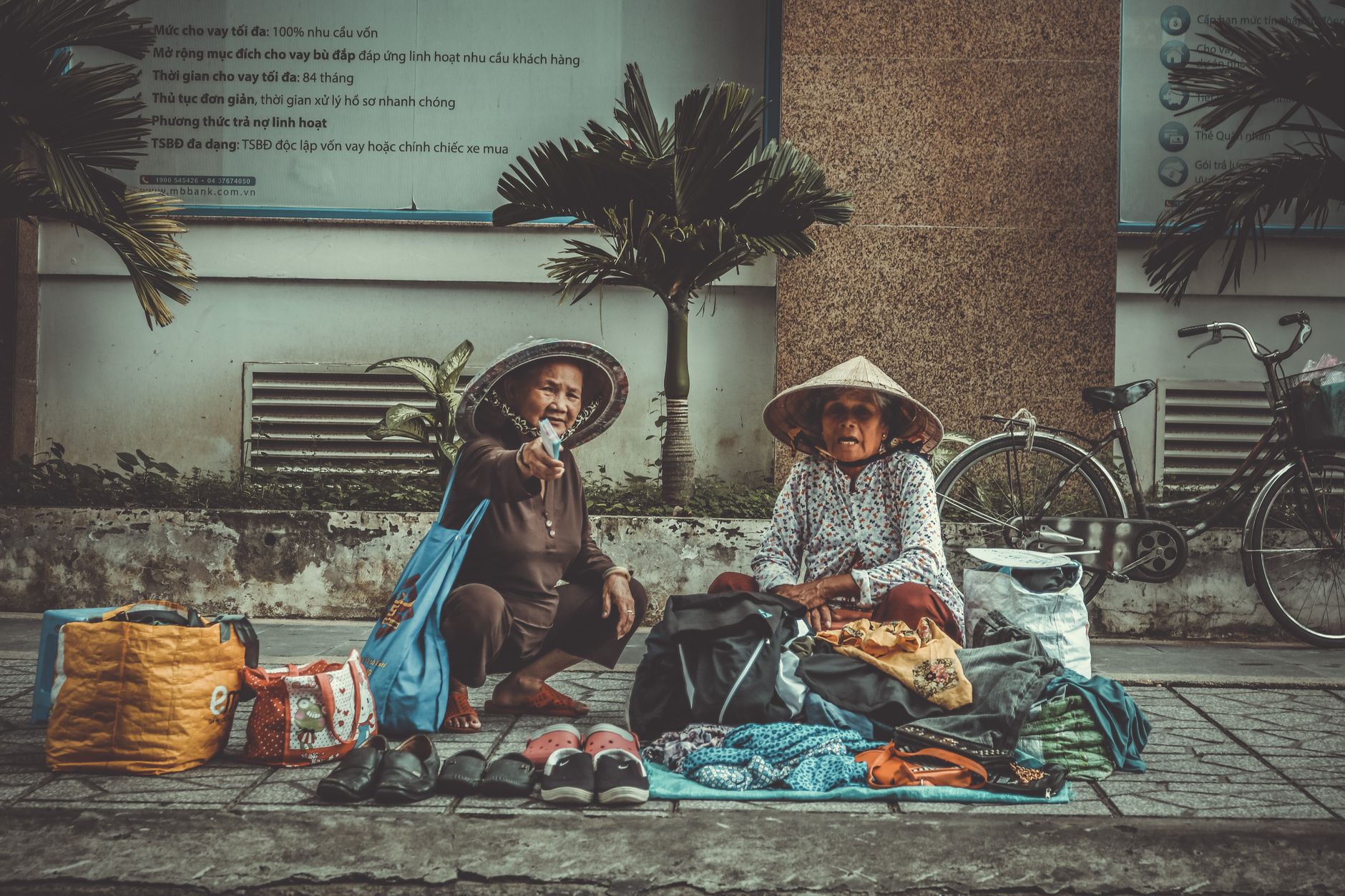
Forget the heavy gear. Packing for the Mekong Delta is about managing humidity, protecting your skin, and staying mobile on the water.

Winter in the north is damp, grey, and surprisingly chilly. Forget the tropical gear and pack for layering to survive the humidity.

The Wise debit card works well in Vietnam if you know the fee structure. Here's how to use it at ATMs and merchants without losing money on bad rates.
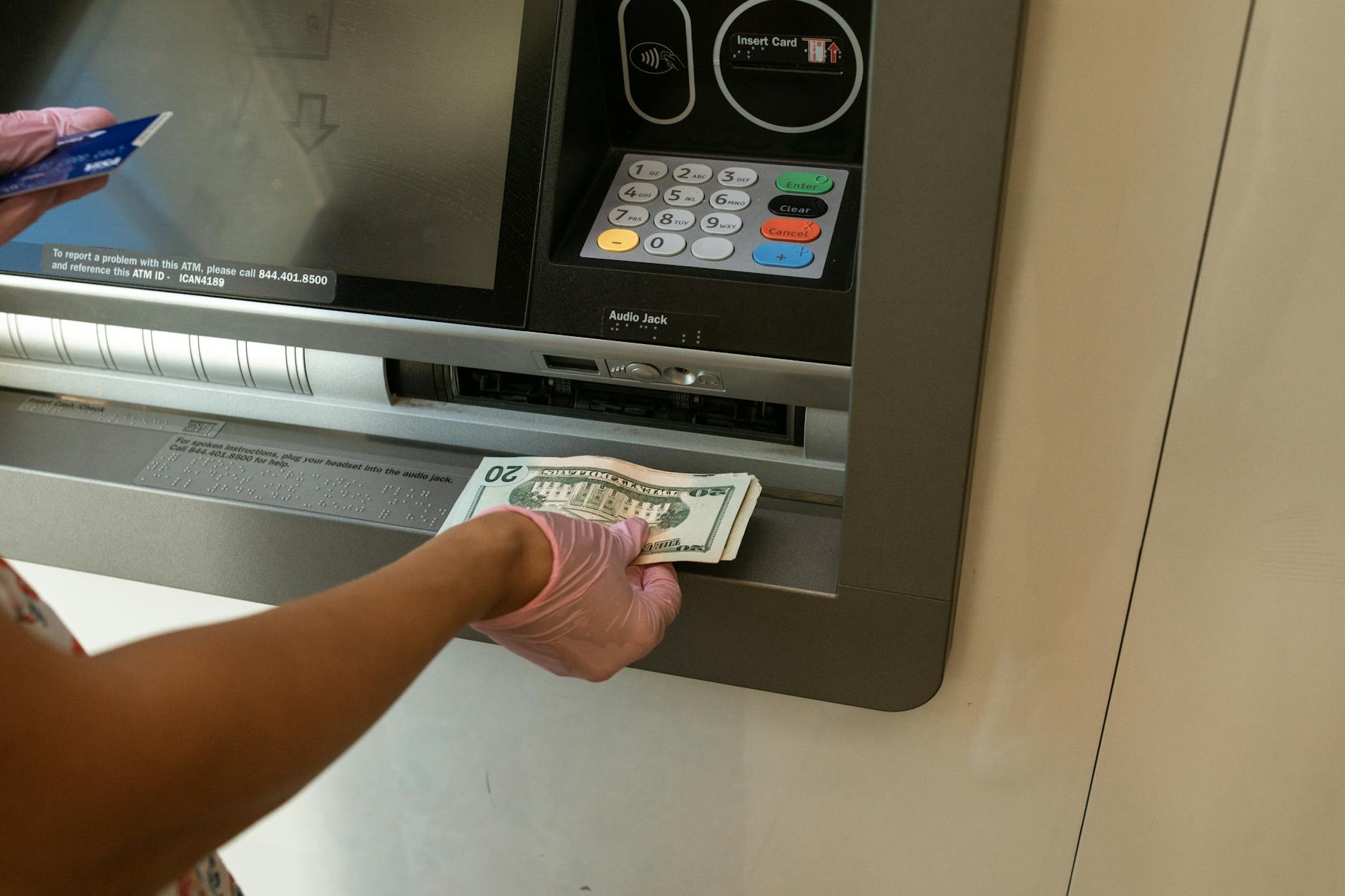
Vietnam runs on dong, but there are real situations where USD cash matters. Here is where you can actually pull USD from an ATM or bank counter.

Wise works for sending VND to Vietnamese banks, but the process has quirks. Here's what fees to expect, which banks receive fastest, and why transfers get rejected.
Fees, speeds, and bank coverage compared for the three most-used international transfer services into Vietnam — so you pick the right one before you send.
Japanese passport holders can enter Vietnam (베트남 / 越南 / ベトナム) without a visa for up to 45 days — one of the more generous exemptions in Southeast Asia. But the exemption has hard edges, and if your trip is longer or more complicated than a single straight run, you need to plan ahead.
Vietnam extended its visa-free window for Japanese citizens from 15 days to 45 days in August 2023, as part of a broader policy change covering several countries. The exemption applies to Japanese nationals travelling on a standard Japanese passport — single or multiple entry from the same passport is not the issue here; what matters is that each stay cannot exceed 45 consecutive days.
You do not need to apply for anything in advance. Arrive at Noi Bai (Hanoi), Tan Son Nhat (Saigon), Da Nang, or any other international port of entry, present your passport, and immigration stamps you in. Your permitted stay is marked on the stamp — check it, because officers occasionally write 30 days by habit.
This works for tourism, visiting family, short business trips, and most casual long-stay travel. A 45-day run covers Hanoi to Saigon (사이공 / 西贡 / サイゴン) with serious detours: Ha Giang in the north, the full central stretch through Hue and Hoi An, down to Phu Quoc for a week of doing nothing.
The exemption only covers a single continuous stay. There is no "reset" provision for border hopping: leaving to Laos for a weekend and coming back does not restart your 45 days in the way it did under older rules. Re-entry after a trip abroad is a new entry, and a new 45-day period starts — but only if you have actually exited and stayed outside Vietnam for a meaningful period. Immigration has discretion here and extended same-week border runs are increasingly scrutinised.
You need an e-visa if:

Photo by HONG SON on Pexels
Use only the official government portal. Third-party sites charge 3–5x the government fee for the same result — a PDF you print and carry.
What you need: a passport valid for at least six months beyond your intended exit date, a digital passport photo (white background, recent), your accommodation address in Vietnam, a credit or debit card for the $25 fee.
Processing is typically 3 working days. You will receive the e-visa by email as a PDF. Print it or save it offline — some land border officers want a physical copy.
The e-visa covers all international ports of entry, including land borders. You can enter at Noi Bai and exit at Moc Bai with no issue.
Visa extensions inside Vietnam are possible but not simple. The formal route is applying at a Department of Immigration office in a major city — there are offices in Hanoi, Saigon, Da Nang, and others. Processing takes several business days and requires paperwork including proof of accommodation.
In practice, many travellers on longer stays simply get the 90-day e-visa from the start, which is cleaner than scrambling for an extension mid-trip.
If you entered on the 45-day exemption and realise you want more time, your options are: apply for an extension at the immigration office before your stamp expires, or exit Vietnam and re-enter (ideally after a genuine trip of a few days abroad, not a same-day run). Overstaying — even by one day — results in a fine at the airport and possible entry bans. Do not overstay.

Photo by DΛVΞ GΛRCIΛ on Pexels
The visa exemption covers tourism and short stays. It does not authorise you to work, volunteer for pay, or enroll in long-term study. If your activities go beyond travel, you need the appropriate visa category — a work permit or business visa arranged through your employer or sponsor in Vietnam.
For most Japanese travellers, the 45-day exemption is all you need — just arrive, and you have six weeks to eat your way from Hanoi pho stalls to Hoi An banh mi carts to Saigon com tam counters. If your trip stretches beyond that or involves multiple entries, spend the $25 and 10 minutes on the official e-visa portal before you leave Japan. The exemption is generous; just know its limits before you land.