— HẾT —
Cập nhật lần cuối · May 29, 2026 · nghiên cứu độc lập, không tài trợ.
We use minimal analytics + ads (no personal tracking). See our privacy policy.
Most weasel coffee sold in Vietnam has little to do with wild civets and a lot to do with caged animals and marketing spin. Here is what is actually going on.

Cập nhật lần cuối · May 29, 2026 · nghiên cứu độc lập, không tài trợ.
Bài viết khác về thành phố này.

Locals live on Zalo, tourists default to WhatsApp — here's why that gap matters and how to bridge it before your trip.

…
Hotels, homestays, hostels — strongest inventory in Vietnam.
Da Lat has quietly become Vietnam's most liveable remote-work base — cool air, cheap rent, and more cafes than you can reasonably test in a month.

Winter in the north is damp, grey, and surprisingly chilly. Forget the tropical gear and pack for layering to survive the humidity.
Bài viết khác trong vùng này.
The Wise debit card works well in Vietnam if you set it up right. Here's how to avoid fees, use the VND balance, and when it beats alternatives.
Thousands of foreigners teach English or freelance in Vietnam on tourist visas. Here is what Vietnamese law actually says, when it gets enforced, and how to do it properly.
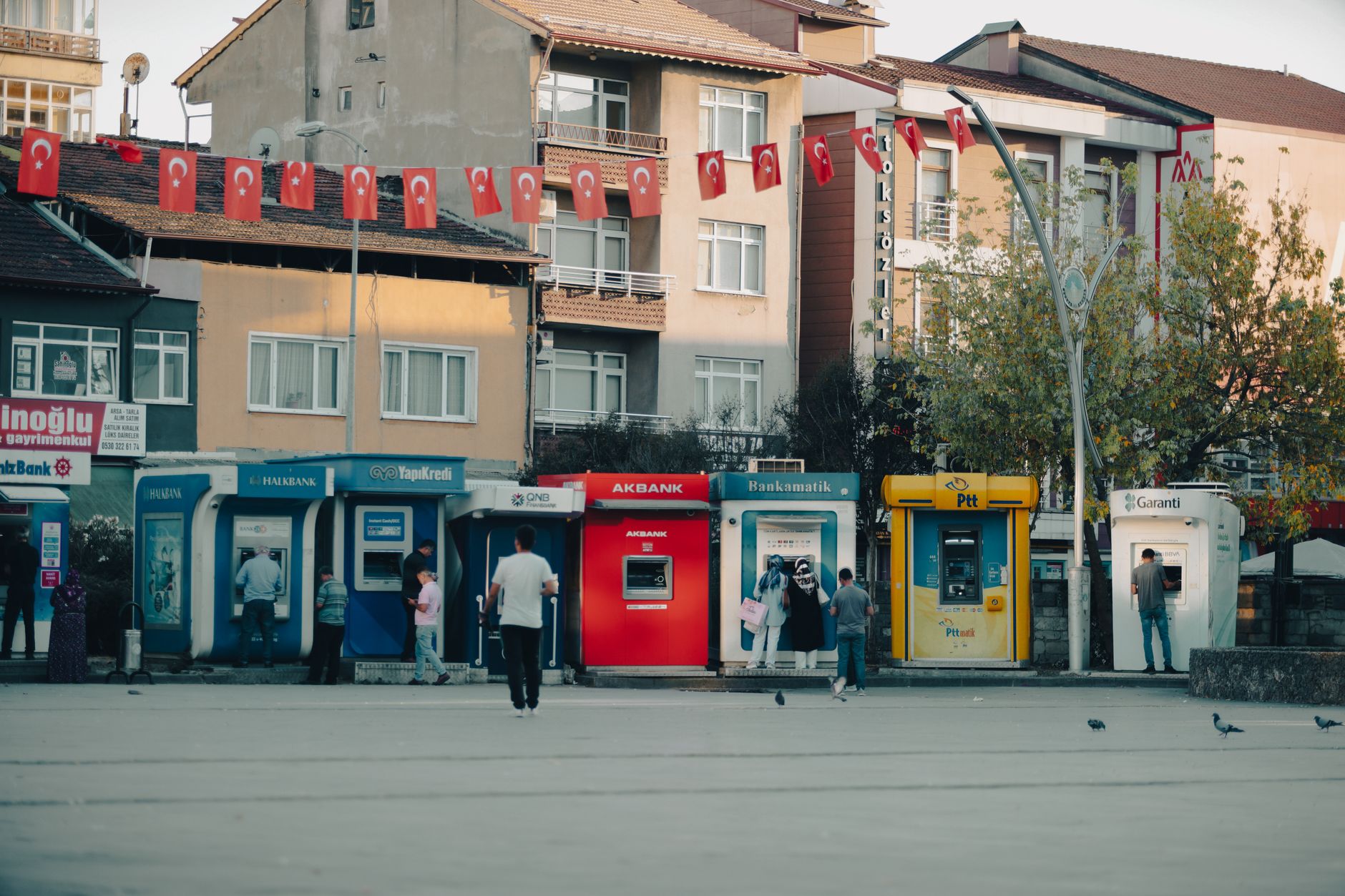
The Wise debit card works well in Vietnam if you know the fee structure. Here's how to use it at ATMs and merchants without losing money on bad rates.
More articles from the same category.

Forget everything you know about standard noodle soup. In the Central Highlands city of Pleiku, the local obsession is 'pho kho', a two-bowl ritual that defines the region's breakfast culture.

Quy Nhon is often overlooked for its neighbors, but its rice-based specialties, particularly the local take on vermicelli, define the city's culinary identity.
Phu Yen is often overshadowed by its neighbors, but its rice-based specialties and deep-sea ingredients offer a distinct flavor profile worth the detour.

Discover the best spots to enjoy a steaming bowl of bun rieu in the cool mountain city of Pleiku, featuring local favorites, pricing, and what makes this highland version unique.

Skip the tourist packages and eat your way through My Tho. Here is a curated, morning-to-night food trail featuring the best local spots, from iconic noodle soups to hidden market sweets.

Vietnam's herbal tea tradition goes well beyond lotus tea. Artichoke, chrysanthemum, and voi leaf each have a devoted following — here's what they taste like and where to find them.
Vietnam (베트남 / 越南 / ベトナム) is one of the world's largest coffee producers, and "ca phe chon" — literally civet coffee, often marketed as weasel coffee — sits at the expensive, photogenic end of the souvenir shelf. A small jar costs anywhere from 300,000 to 2,000,000 VND depending on where you buy it. The pitch is romantic: wild civets roam coffee plantations at night, eat only the ripest cherries, and the beans recovered from their droppings carry a smoother, less bitter flavour. What most shops selling it do not tell you is considerably less romantic.
The term covers a wide spectrum of products, and that spectrum matters. At one end is genuine wild-civet coffee — beans collected from the droppings of free-ranging Asian palm civets in forest or semi-wild plantation environments. This exists, but it is genuinely rare and genuinely expensive to produce. At the other end, and far more common in tourist markets from Hanoi to Saigon, is coffee that was processed by civets kept in small wire cages on farms, fed a monotonous diet of coffee cherries with no other food source, and living in conditions animal welfare organisations have consistently documented as stressful and cramped.
A 2013 investigation by the World Animal Protection organisation found that the vast majority of civet coffee — not just in Vietnam but across Southeast Asia — came from caged animals. That picture has not changed substantially in the years since. The civets you sometimes see displayed in small enclosures at Da Lat coffee farms or in souvenir shops near Hoi An are not there for ambience. They are the production unit.
The word "wild" appears on a lot of packaging. It is largely unverified. There is no third-party certification system in Vietnam that meaningfully audits whether beans labeled wild-civet were actually collected from free-ranging animals. A roaster in Da Lat (달랏 / 大叻 / ダラット) can source beans from a cage farm, package them attractively, and use the same "wild" language as a producer who genuinely collects from forest floor droppings. Buyers cannot tell the difference from the label, the taste, or the price alone — though suspiciously cheap ca phe chon (anything under 500,000 VND per 100g) is almost certainly not what it claims.
There is also a second layer of misleading practice: synthetic and artificial civet-flavour treatments applied to ordinary Robusta beans. Some products sold as ca phe chon contain no civet processing at all — just flavouring agents added post-roast. This is not illegal, but it is rarely disclosed.

Photo by HONG SON on Pexels
A small number of producers do operate differently. Ethical wild-civet coffee involves collecting droppings from unfenced land where civets move freely, without capture or feeding intervention. The animals eat what they choose, when they choose. Bean collection is labour-intensive and yield is unpredictable — a genuine wild producer might collect only a few kilograms per season from a given area. This is why honest wild ca phe chon costs what it costs, and why buying a 200g jar for 150,000 VND from a street stall should tell you everything you need to know.
If you want to seek out credible producers, look for ones who are transparent about their land, show verifiable sourcing (some will take you to the collection area), and do not keep live civets on-site as a display feature. A producer proud of wild collection does not need a caged animal as a prop. The Da Lat highlands and parts of the Central Highlands near Buon Ma Thuot have a handful of small operations that fit this description, though they sell primarily to specialty buyers rather than tourist shops.
Some people genuinely enjoy ca phe chon and argue the flavour profile — lower acidity, slightly earthy, less bitter — justifies the premium. That is a fair personal preference. But it does not resolve the sourcing question. Vietnamese coffee more broadly is worth exploring on its own terms: a well-made "ca phe sua da" (iced coffee with condensed milk) from a good Robusta roast, or a slow-drip "vietnamese coffee" through a phin filter, delivers a genuinely distinct flavour experience without the ethical ambiguity. Hanoi's "egg coffee" has its own devoted following for good reason.
If the flavour of low-acid, processed coffee appeals to you, there are also naturally processed single-origin Vietnamese coffees — particularly from Arabica-growing areas around Da Lat — that achieve a comparable smoothness through legitimate fermentation methods and transparent supply chains.

Photo by Nimit N on Pexels
The short answer: not from a tourist market shelf, a souvenir strip, or any vendor displaying a live civet. The product in those contexts is almost certainly from a caged-farm operation, and possibly not even genuinely civet-processed at all.
If you are curious about ca phe chon specifically, spend time researching specialty coffee importers or Da Lat-based producers before your trip, ask direct questions about how and where beans are collected, and be prepared to pay a price that reflects genuinely low-yield wild production. If a vendor cannot answer basic questions about sourcing, that is your answer.
For most visitors, the more honest and more interesting move is to go deeper into what Vietnam's legitimate coffee culture actually offers — which is considerable, and does not require an animal to suffer for it.
Ca phe chon is legal to buy and export from Vietnam in small quantities for personal use, so customs is not the issue — ethics is. If you do purchase, keep receipts and packaging for customs declarations when returning home. Most Vietnamese coffee drinkers themselves drink Robusta-based blends, not civet coffee, which remains largely a tourist-facing product.