— HẾT —
Cập nhật lần cuối · May 29, 2026 · nghiên cứu độc lập, không tài trợ.
We use minimal analytics + ads (no personal tracking). See our privacy policy.
Coffee farm tourism around Da Lat and Buon Ma Thuot has matured past the photo-op stage — here's how to find experiences that actually benefit the people growing your cup.

Cập nhật lần cuối · May 29, 2026 · nghiên cứu độc lập, không tài trợ.
Bài viết khác về thành phố này.

Thousands of foreigners teach English or freelance in Vietnam on tourist visas. Here is what Vietnamese law actually says, when it gets enforced, and how to do it properly.
…
Hotels, homestays, hostels — strongest inventory in Vietnam.
Yok Don is Vietnam's biggest national park and one of its least-visited. Here's what actually lives inside — and how to do it properly.
Da Lat has quietly become Vietnam's most livable remote-work base — cool air, cheap rent, and a cafe scene dense enough to keep you caffeinated for months.
Bài viết khác trong vùng này.
Forget everything you know about standard noodle soup. In the Central Highlands city of Pleiku, the local obsession is 'pho kho', a two-bowl ritual that defines the region's breakfast culture.

Quy Nhon is often overlooked for its neighbors, but its rice-based specialties, particularly the local take on vermicelli, define the city's culinary identity.

Hoi An is slow, cheap, and surprisingly well-connected. Here is what a working month actually looks like — costs, internet, and where to sit with a laptop.
More articles from the same category.
Phu Yen is often overshadowed by its neighbors, but its rice-based specialties and deep-sea ingredients offer a distinct flavor profile worth the detour.

Discover the best spots to enjoy a steaming bowl of bun rieu in the cool mountain city of Pleiku, featuring local favorites, pricing, and what makes this highland version unique.

Skip the tourist packages and eat your way through My Tho. Here is a curated, morning-to-night food trail featuring the best local spots, from iconic noodle soups to hidden market sweets.

Vietnam's herbal tea tradition goes well beyond lotus tea. Artichoke, chrysanthemum, and voi leaf each have a devoted following — here's what they taste like and where to find them.
Skip the generic hotel buffet and head to the village markets for authentic Thai ethnic snacks. Here is what you need to find in Mai Chau.
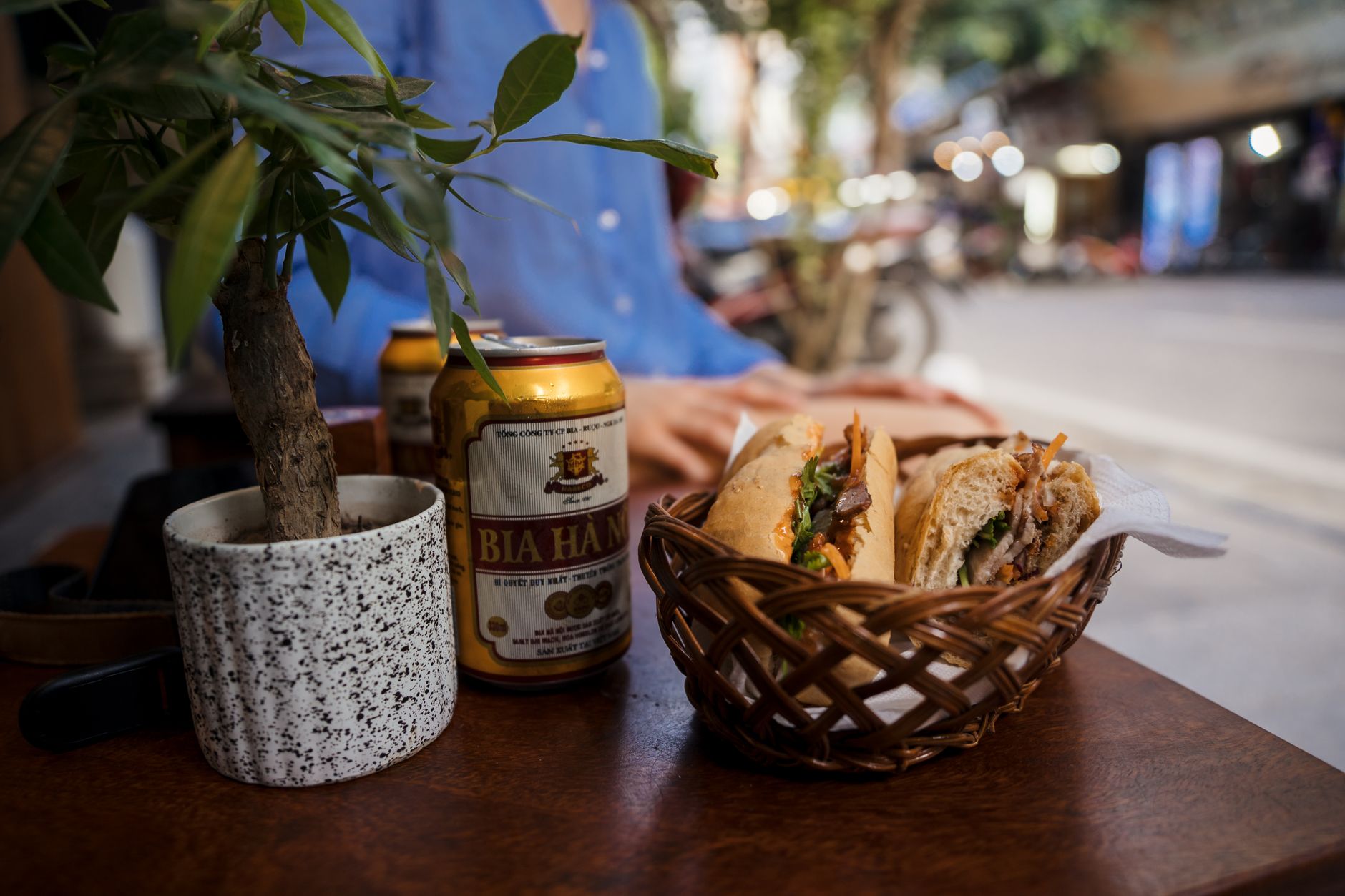
Pairing the right drink with Vietnamese street food is half the meal. Here is what locals actually order, and when.
Vietnam (베트남 / 越南 / ベトナム) is the world's second-largest coffee producer, yet most visitors drink "ca phe sua da" on a plastic stool without ever understanding where the beans came from or who picked them. That gap is finally closing, and for travelers willing to look past the Instagram-ready terraces, there are real farm visits worth making.
Five years ago, a "coffee farm experience" in Vietnam usually meant a resort pouring you a pour-over on a deck overlooking someone else's trees. The farmers were offstage. What's changed in Da Lat and Buon Ma Thuot is a small but growing cohort of farm owners — many of them third-generation Robusta growers who pivoted to Arabica or specialty processing — who figured out that hosting guests directly is more profitable than selling green beans through a middleman at 35,000–40,000 VND per kilogram.
That economic logic is the foundation of anything worth calling ethical farm tourism. If the farmer isn't earning meaningfully more from your visit than from the commodity market, the "experience" is just theatre.
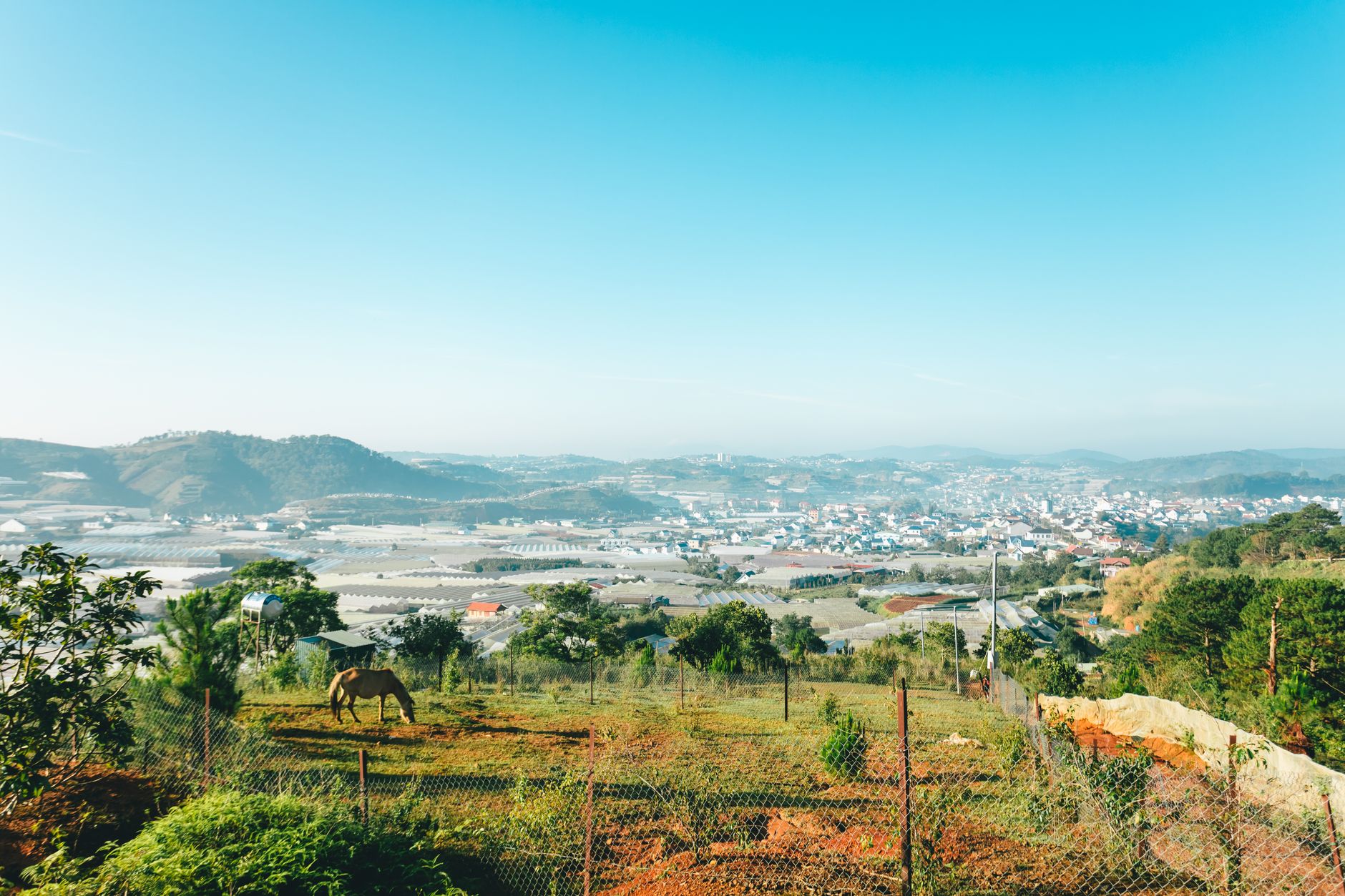
Da Lat (달랏 / 大叻 / ダラット) sits at around 1,500 meters and produces almost all of Vietnam's Arabica. The farms here are smaller — typically 1 to 5 hectares — which makes direct visits more personal and logistically easier than the plantation-scale operations around Buon Ma Thuot.
A good Da Lat farm visit runs two to four hours and covers: walking the rows during harvest season (October through January is peak), watching or participating in wet processing or dry processing depending on the farm's method, and cupping two or three of their lots side by side. You should leave with a clear sense of why one processing choice tastes different from another — that's the educational value that justifies the price.
Farms like Lang Biang Farm and Nguyen Thanh Binh's operation near Cau Dat have been hosting small groups for several years. Entry fees range from 150,000 to 350,000 VND per person, which typically includes a guided walk and a tasting. Buying a bag of their beans directly — expect 180,000 to 280,000 VND per 250g for specialty-grade — is the highest-value thing you can do for the farmer. That margin dwarfs anything from export channels.
Avoid any operator that charges under 80,000 VND for a farm "tour." At that price point, you're subsidizing a middleman, not a farmer.

Photo by HONG SON on Pexels
Buon Ma Thuot, about 200 km northeast of Da Lat by road, is Vietnam's coffee capital by volume — the Central Highlands here produce the Robusta that fills most of the country's instant coffee and a significant share of global blends. The scale is industrial in places, but the scene has changed. A handful of farmers and small cooperatives, several of them run by members of the Ede ethnic minority community, have built genuine hospitality around their land.
"Vietnamese coffee" in the specialty sense has a louder voice here than it did a decade ago. The Buon Ma Thuot Coffee Festival (held every two years) has pushed growers to think about provenance and presentation. Outside of festival weeks, the town is quieter and more authentic — better for a real visit.
The cooperative model matters here. Cooperatives like Cao Nguyen Coffee or smaller Ede-led groups pool resources for wet mills and drying beds, which means guests can see post-harvest processing at a scale that individual farms can't show. A visit arranged through one of these groups typically costs 200,000 to 400,000 VND and should include a meal. If it includes a meal, that's a good sign — it means the farm family is involved, not just a tour guide.
Getting there from Da Lat takes about four to five hours by bus (VND 120,000–180,000 on the Phuong Trang or Duc Thanh lines) or you can fly into Buon Ma Thuot airport from Hanoi or Saigon in under two hours.
Farm tourism sounds virtuous but can replicate the same extractive dynamics as conventional tourism if you're not paying attention.
A few practical checks: Ask whether the guide is the farmer or an employee of a separate tour company. Tour-company-mediated visits often pay the farm a flat fee of 50,000–100,000 VND per group regardless of group size, with the tour company keeping the rest. Booking directly — by messaging a farm's Facebook page, showing up at a local coffee shop and asking for an introduction, or using platforms like Farmstay Vietnam — routes more money to the right people.
Also ask what the farm pays its pickers. Harvest labor in the Central Highlands typically runs 200,000 to 280,000 VND per day plus meals — farms paying at the low end of that during a labor-tight harvest season are cutting corners somewhere. You don't need to interrogate anyone, but farms that are proud of their practices will tell you unprompted.
Tipping is not standard in rural Vietnam but a direct cash tip to a farmer guide — 50,000 to 100,000 VND — is always appropriate and always appreciated.
Photo by HONG SON on Pexels
The honest answer is context. Understanding that Robusta grown at 600 meters tastes structurally different from Arabica at 1,500 meters — and why Vietnamese "ca phe trung") developed partly as a way to improve lower-grade Robusta's mouthfeel — makes every cup you drink afterward more interesting. That's the actual value of going to the source.
Best months for farm visits are October through January, when the harvest is active and farms have more to show. Outside that window, you'll see the trees but miss the action. Bring cash — card readers are rare on farms — and budget at least half a day per visit, not ninety minutes.