Why Time Matters
While English is widely understood in tourist hubs like Hanoi or Saigon, knowing how to express time and days in Vietnamese is a game-changer. It is the difference between catching your train to Sapa and watching it pull out of the station. Vietnamese is a tonal language, but don't let that intimidate you; locals will appreciate the effort, even if your pitch is slightly off.
The Days of the Week
In Vietnamese, the days of the week are structured logically. They use the word "thu" (meaning 'order') followed by a number. Note that the week starts on Monday, not Sunday.
- Monday: Thu hai (pronounced: too high)
- Tuesday: Thu ba (pronounced: too bah)
- Wednesday: Thu tu (pronounced: too too)
- Thursday: Thu nam (pronounced: too nahm)
- Friday: Thu sau (pronounced: too sow)
- Saturday: Thu bay (pronounced: too bye)
- Sunday: Chu nhat (pronounced: choo nyut)
Pro tip: If you are asking about a specific day, use the phrase "ngay nao?" (which day?). For example, "Ngay nao di Ha Long?" (Which day are we going to Ha Long?).

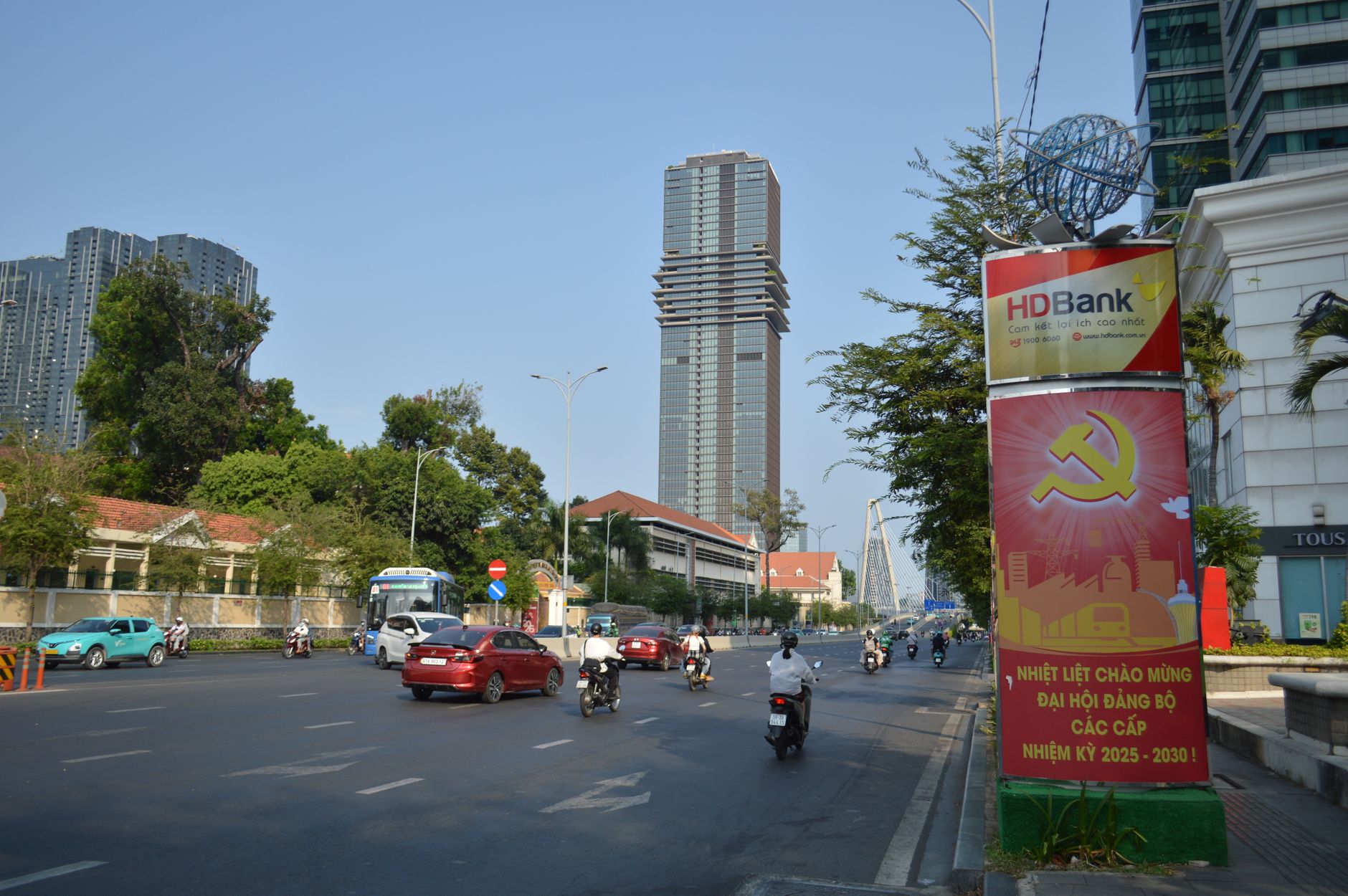
Photo by Nguyen Ngoc Tien on Pexels
Telling Time
Vietnamese uses a 24-hour clock in formal settings like bus stations or airports, but in daily life, people often use a 12-hour system with descriptors for the time of day.
- Morning: Sang
- Afternoon: Chieu
- Evening: Toi
To ask the time, say: "May gio roi?" (What time is it?).
When telling time, the structure is [Hour] + "gio" + [Minute].
- Example: 8:30 AM is "tam gio ruoi" (eight o'clock and a half).
- Example: 2:00 PM is "hai gio chieu" (two o'clock afternoon).
Essential Phrases for Logistics
Beyond just the numbers, these phrases will help you navigate your itinerary without relying on translation apps.
- Hom nay: Today. (e.g., "Hom nay an gi?" - What are we eating today? Maybe some "pho" or "banh mi".)
- Ngay mai: Tomorrow. Use this when booking your "vietnamese coffee" tour or a trip to "Ninh Binh (닌빈 / 宁平 / ニンビン)".
- Hom qua: Yesterday.
- Bao lau: How long. Use this to ask about travel duration, like "Di Hue bao lau?" (How long does it take to get to Hue?).
- Luc nao: When. Use this for scheduling, such as "Luc nao di?" (When are we leaving?).
Photo by Nguyen Ngoc Tien on Pexels
Cultural Context
Time in Vietnam is often fluid. If you are meeting a local friend for a "ca phe sua da (연유커피 / 越南冰咖啡 / ベトナムアイスコーヒー)", don't be surprised if they arrive 10 or 15 minutes late. It is not considered rude; it is simply part of the local rhythm. However, for transport, be punctual. Buses and trains in cities like Da Nang or Hue run on strict schedules. Always aim to be at the station 30 minutes early.
If you are planning a trip around a holiday like "Tet" or the "Mid-Autumn Festival", be aware that businesses may close or operate on limited hours. Asking "Co mo cua khong?" (Is it open?) followed by the day of the week is a very useful way to avoid a wasted trip to a closed museum or market.
Bottom line
You do not need to be fluent to get by, but learning these few markers shows respect and helps you avoid logistical headaches. Keep a small notebook handy, or just practice these on your next ride through the streets of Saigon or Hanoi.
Last updated · May 30, 2026 · independently researched, never sponsored.