— FIN —
Dernière mise à jour · May 30, 2026 · recherche indépendante, jamais sponsorisée.
We use minimal analytics + ads (no personal tracking). See our privacy policy.
Da Lat has quietly become Vietnam's most liveable remote-work base — cool air, cheap rent, and more cafes than you can reasonably test in a month.

Dernière mise à jour · May 30, 2026 · recherche indépendante, jamais sponsorisée.
Autres articles sur cette ville.

Da Lat has quietly become Vietnam's most livable remote-work base — cool air, cheap rent, and a cafe scene dense enough to keep you caffeinated for months.

…
Hotels, homestays, hostels — strongest inventory in Vietnam.
From Da Lat's hillside wineries to Hanoi's old-quarter street food, this 8-day itinerary connects Vietnam's most distinctive food cultures in one focused trip.

Vietnam's herbal tea tradition goes well beyond lotus tea. Artichoke, chrysanthemum, and voi leaf each have a devoted following — here's what they taste like and where to find them.
Autres articles dans cette région.

Forget everything you know about standard noodle soup. In the Central Highlands city of Pleiku, the local obsession is 'pho kho', a two-bowl ritual that defines the region's breakfast culture.

Quy Nhon is often overlooked for its neighbors, but its rice-based specialties, particularly the local take on vermicelli, define the city's culinary identity.

Hoi An is slow, cheap, and surprisingly well-connected. Here is what a working month actually looks like — costs, internet, and where to sit with a laptop.
More articles from the same category.
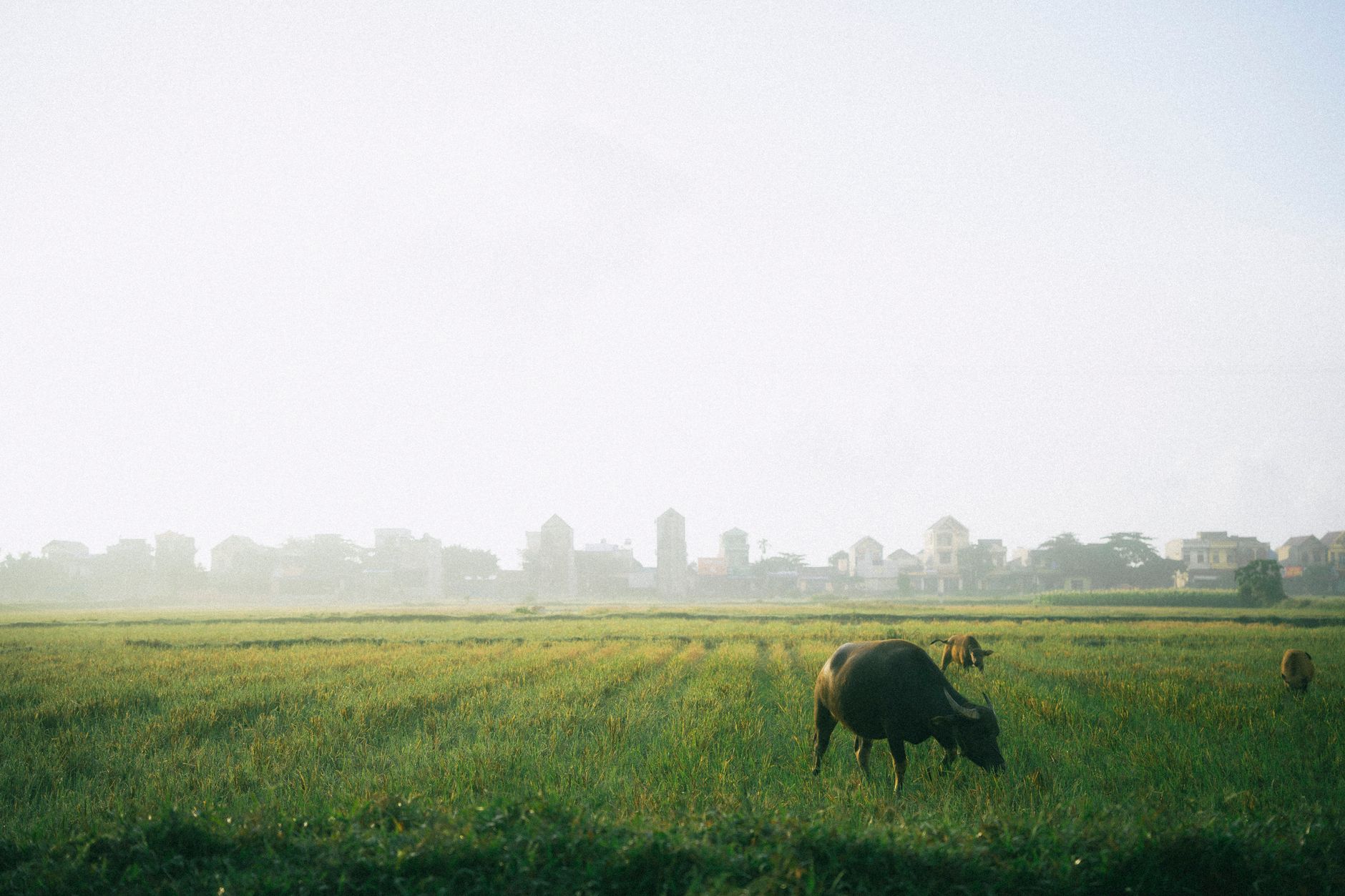
Hoi An works better as a slow-living base than most people expect — if you know where to sleep, where to plug in, and how far your budget actually stretches.

Skip the crowded highways and ride this 4-day motorbike loop from Quy Nhon through the dramatic cliffs of Phu Yen and the quiet valleys of the Central Highlands.
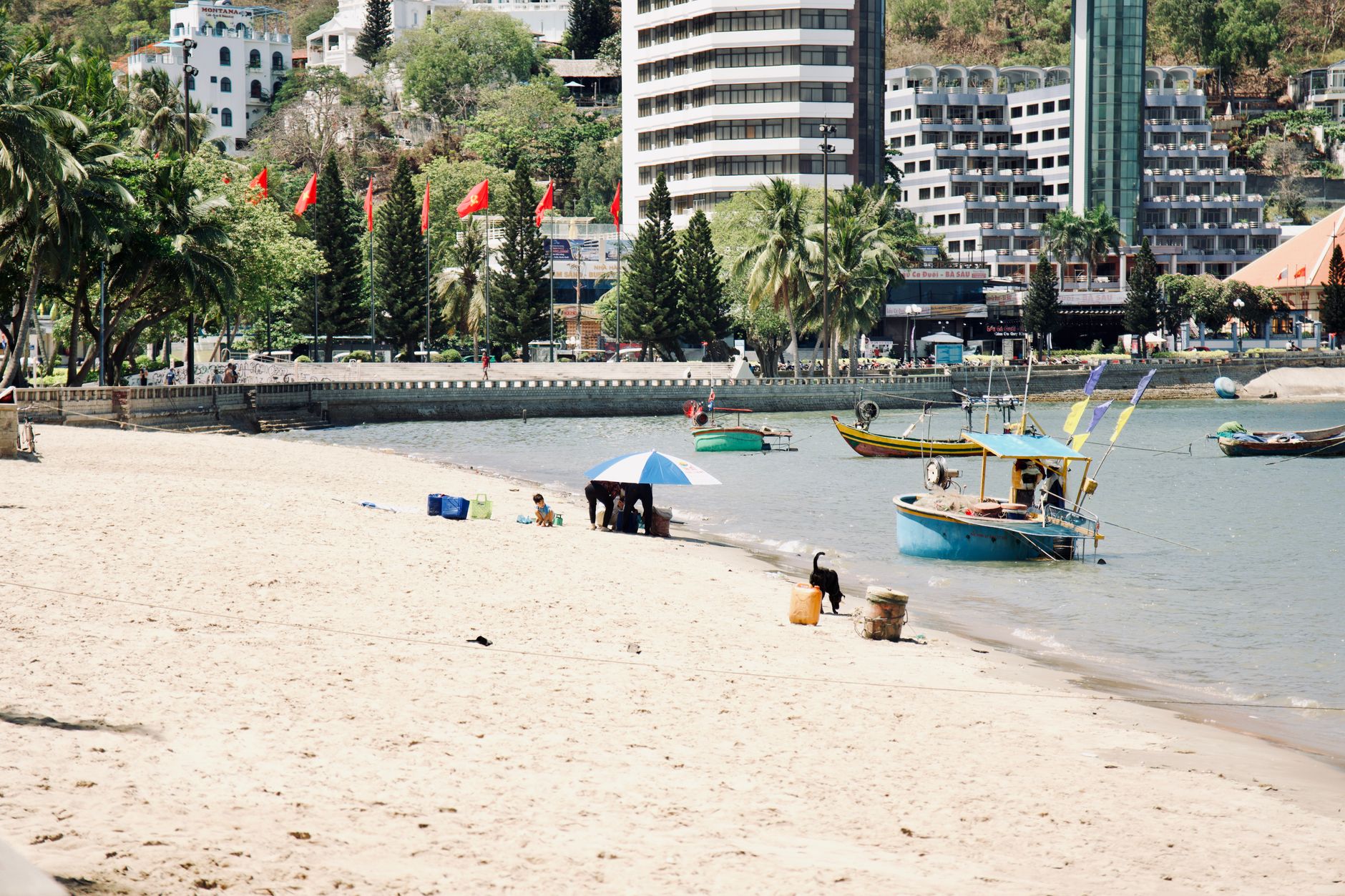
Escape the weekend crowds with this slow-paced, five-day family itinerary to Vung Tau, featuring kid-friendly seafood spots, shaded walks, and quiet coastal day trips.
Vung Tau is Saigon's pressure-release valve — two hours by ferry, a long beach, and one of the south's best street-food scenes. Here's how to do it in 48 hours.

Five destinations within reach of Saigon, each with a best season and a reason to go — a practical rotation for residents and repeat visitors alike.

Five destinations within 150 km of Hanoi, each with a best season, a practical transport option, and a reason to actually go.
Da Lat doesn't try to sell you on the nomad lifestyle. It just makes it easy to stay longer than you planned — the weather alone does half the work.
At 1,500 metres above sea level, the city sits in a permanent 15–22°C band that feels genuinely unusual after months in Hanoi or Saigon. No ceiling fans running all night, no sweating through a laptop session at noon. That single fact explains more about the growing remote-work scene here than any coworking trend piece.
The practical case is straightforward. Monthly apartment rents in the Xuan Huong Lake area or along Nguyen Cong Tru street run 4,000,000–8,000,000 VND for a decent one-bedroom, often furnished, often with fast fibre. That is not Chiang Mai pricing, but it is well below Hanoi's Ba Dinh or Saigon (사이공 / 西贡 / サイゴン)'s District 1. Most landlords are used to short-term tenants and will negotiate 1–3 month leases without drama.
Food costs are another pull. A bowl of "banh canh" at a morning stall near Cho Da Lat (달랏 / 大叻 / ダラット) market costs 25,000–35,000 VND. "Mi quang" with mushrooms instead of the coastal shrimp version shows up frequently at lunch spots around Phan Dinh Phung street. Vegetables are absurdly cheap because half of them were grown within 20 km of wherever you're eating them — Da Lat supplies a significant chunk of Vietnam's highland produce.
Vietnamese coffee culture here runs deep. "Ca phe sua da" is everywhere, but Da Lat also has its own weasel-coffee tradition and a newer specialty roaster scene that would not embarrass Hanoi's Tay Ho neighbourhood.
Let's be precise about what exists and what doesn't.
Dedicated coworking spaces — the kind with standing desks, hot-desking memberships, and a Slack community — are thin on the ground. There are one or two spots that call themselves coworking spaces, typically charging 80,000–150,000 VND per day for a desk and reasonably fast Wi-Fi. They are fine. They are not Bangkok or Lisbon.
What Da Lat actually has is an enormous number of cafes that function as de facto work spaces. Owners here have figured out the math: remote workers order multiple drinks, stay three or four hours, and come back the next day. Tables are wide. Plug sockets appear near seats, not just near the barista counter. Wi-Fi passwords are posted without asking.
The highest concentration of these is along and around Hoang Dieu, Truong Cong Dinh, and the streets climbing toward Bao Dai's former summer palace. A typical setup: concrete floors, local pine furniture, windows facing a misty garden, Vietnamese indie music at a volume that doesn't intrude on a call. A flat white runs 55,000–75,000 VND. You will not be the only person with a laptop open.
For calls requiring silence and a stable connection, most nomads here have adopted a rotation strategy — apartment for meetings, cafe for async work and context-switching. It is a rhythm Da Lat rewards because the distances are short: the city's walkable core is maybe 2 km across.
Monday through Wednesday tend to be head-down work days best done from whichever cafe has become your regular. Thursday afternoon is when people start moving — a motorbike out to the Langbiang plateau (12 km north) takes 25 minutes and costs nothing except petrol. Friday evenings, the area around Phan Boi Chau fills up with weekend visitors from Saigon, which changes the vibe noticeably. Experienced long-termers often use Saturday morning for the Cho Da Lat market run and then find a quieter quarter of the city to work through the afternoon.

Photo by HONG SON on Pexels
The most practical areas for monthly rental are:
Facebook groups ("Da Lat Expats", "Da Lat Nomads") and direct outreach via Google Maps reviews on guesthouses are more reliable than booking platforms for monthly stays. Most good monthly apartments never reach Airbnb.

Photo by 🇻🇳🇻🇳 Việt Anh Nguyễn 🇻🇳🇻🇳 on Pexels
Honesty requires flagging the gaps.
The coworking infrastructure is genuinely underdeveloped compared to Da Nang's Hoi An corridor or Saigon. If your work involves frequent in-person collaboration, hardware that needs specialist repair, or large-file uploads on a deadline, you will run into friction. Power cuts, while infrequent, do happen — particularly after heavy rain. A portable battery and a backup 4G SIM (Viettel has the strongest coverage in the highlands) are not optional extras here.
The social scene for nomads is real but small. The community that exists is friendly precisely because it is not overwhelming. If you need a full calendar of nomad meetups and co-living events, Da Lat will disappoint. If you want to actually get work done and occasionally share a hotpot with three other people in a similar situation, the scale is about right.
And the weekends: from Friday evening through Sunday, Da Lat belongs to domestic tourism. Prices in cafes and restaurants tick up, streets near Cho Da Lat get congested, and the city's quieter weekday personality goes underground. Plan around it rather than against it.
A tourist e-visa covers 90 days, sufficient for a genuine trial stay. Motorbike rental runs 120,000–180,000 VND per day or 1,800,000–2,500,000 VND per month for a semi-automatic — essential for Ward 8 or Ward 10 apartments. Budget 10,000,000–13,000,000 VND per month all-in (rent, food, coffee, transport) for a comfortable solo setup, less if you cook regularly at the apartment.