— 終 —
最終更新 · May 29, 2026 · 独自取材、スポンサーなし。
We use minimal analytics + ads (no personal tracking). See our privacy policy.
Vietnam has two 'Bach Ma' temples with almost nothing in common except the name. Here's what each one actually is and why the confusion is worth sorting out.

最終更新 · May 29, 2026 · 独自取材、スポンサーなし。
この都市に関する他の記事。

Winter in the north is damp, grey, and surprisingly chilly. Forget the tropical gear and pack for layering to survive the humidity.

…
Hotels, homestays, hostels — strongest inventory in Vietnam.
Thousands of foreigners teach English or freelance in Vietnam on tourist visas. Here is what Vietnamese law actually says, when it gets enforced, and how to do it properly.
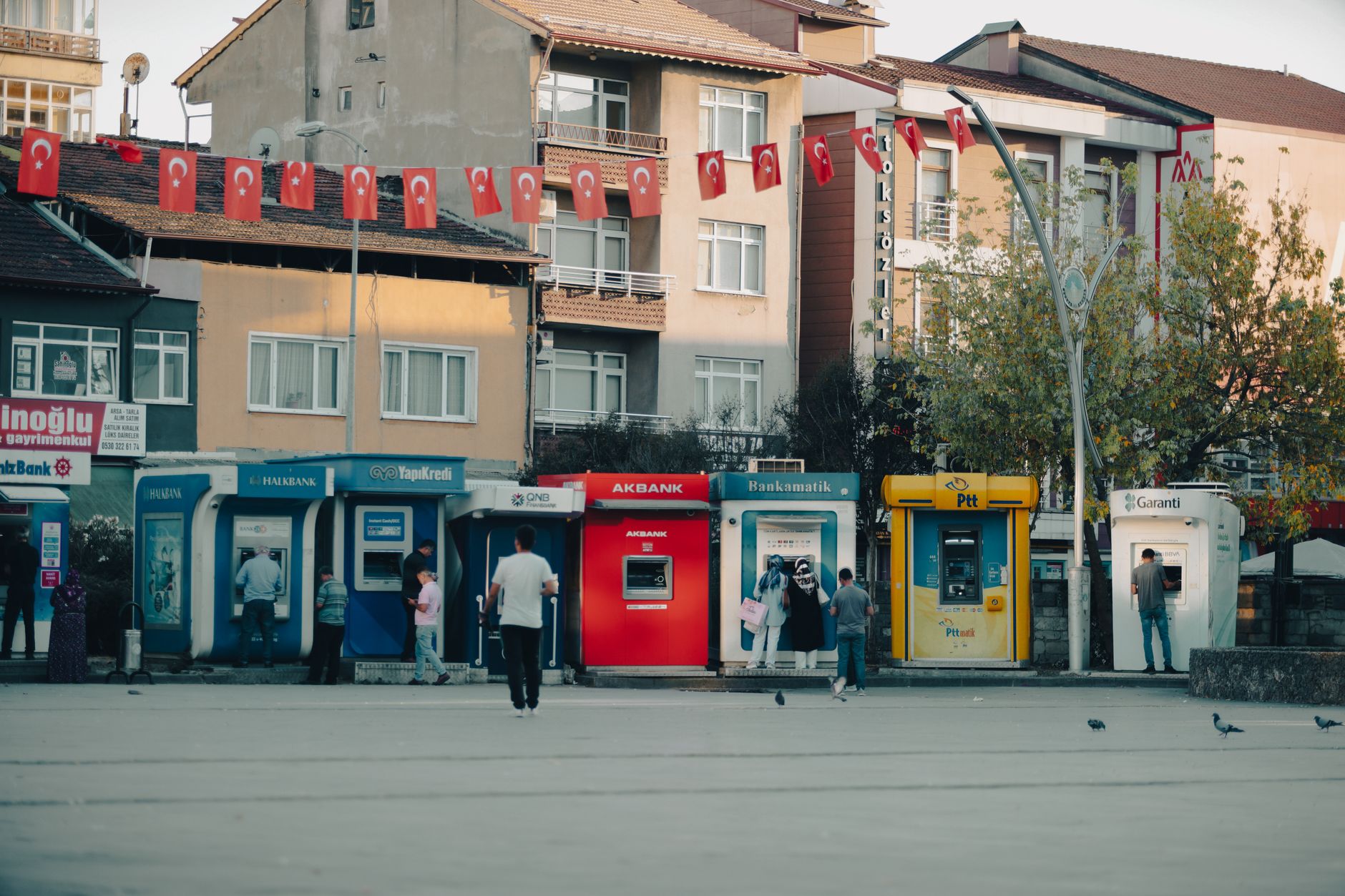
The Wise debit card works well in Vietnam if you know the fee structure. Here's how to use it at ATMs and merchants without losing money on bad rates.
この地域の他の記事。
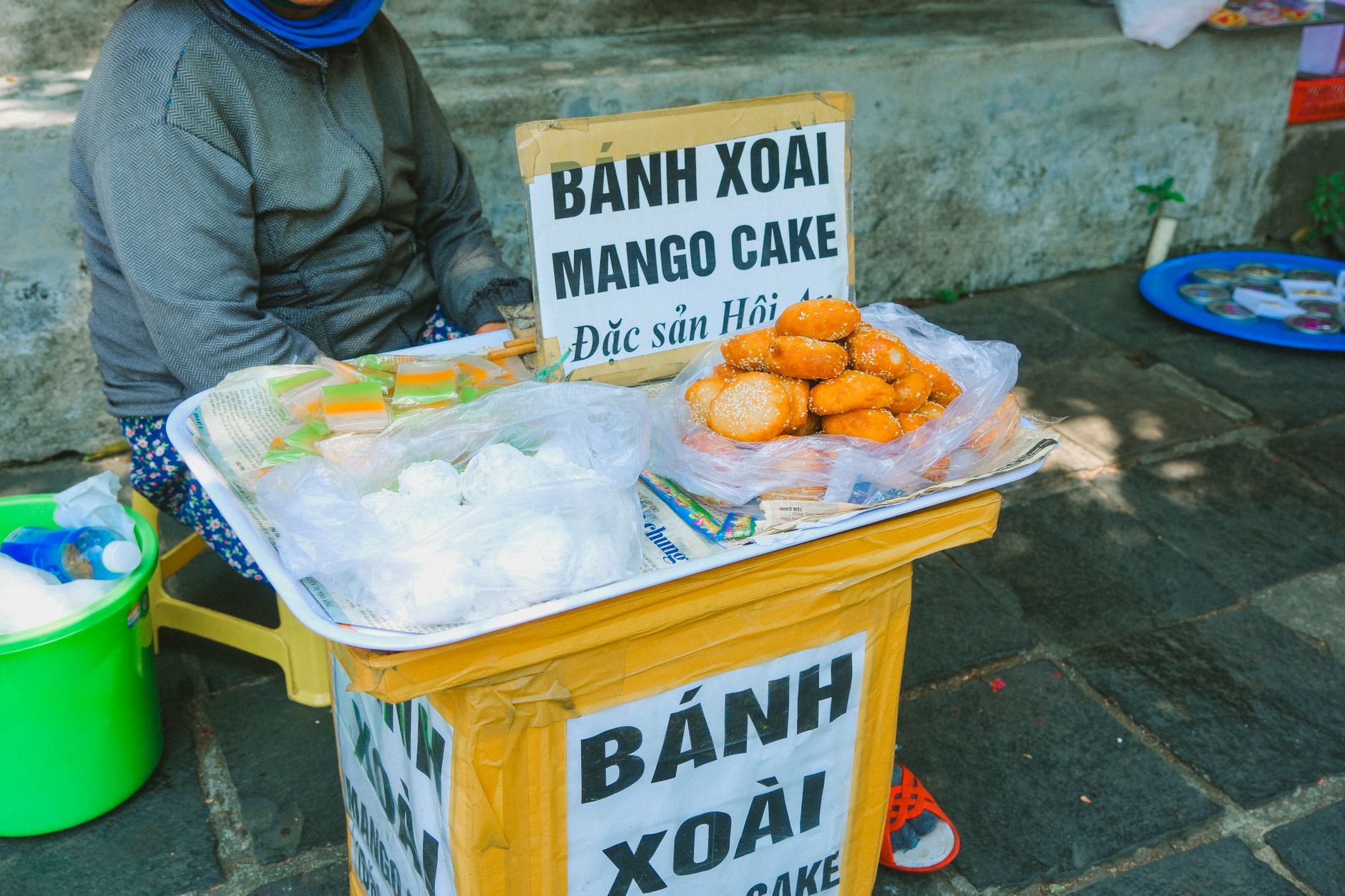
Forget everything you know about standard noodle soup. In the Central Highlands city of Pleiku, the local obsession is 'pho kho', a two-bowl ritual that defines the region's breakfast culture.

Quy Nhon is often overlooked for its neighbors, but its rice-based specialties, particularly the local take on vermicelli, define the city's culinary identity.
Da Lat has quietly become Vietnam's most liveable remote-work base — cool air, cheap rent, and more cafes than you can reasonably test in a month.
More articles from the same category.
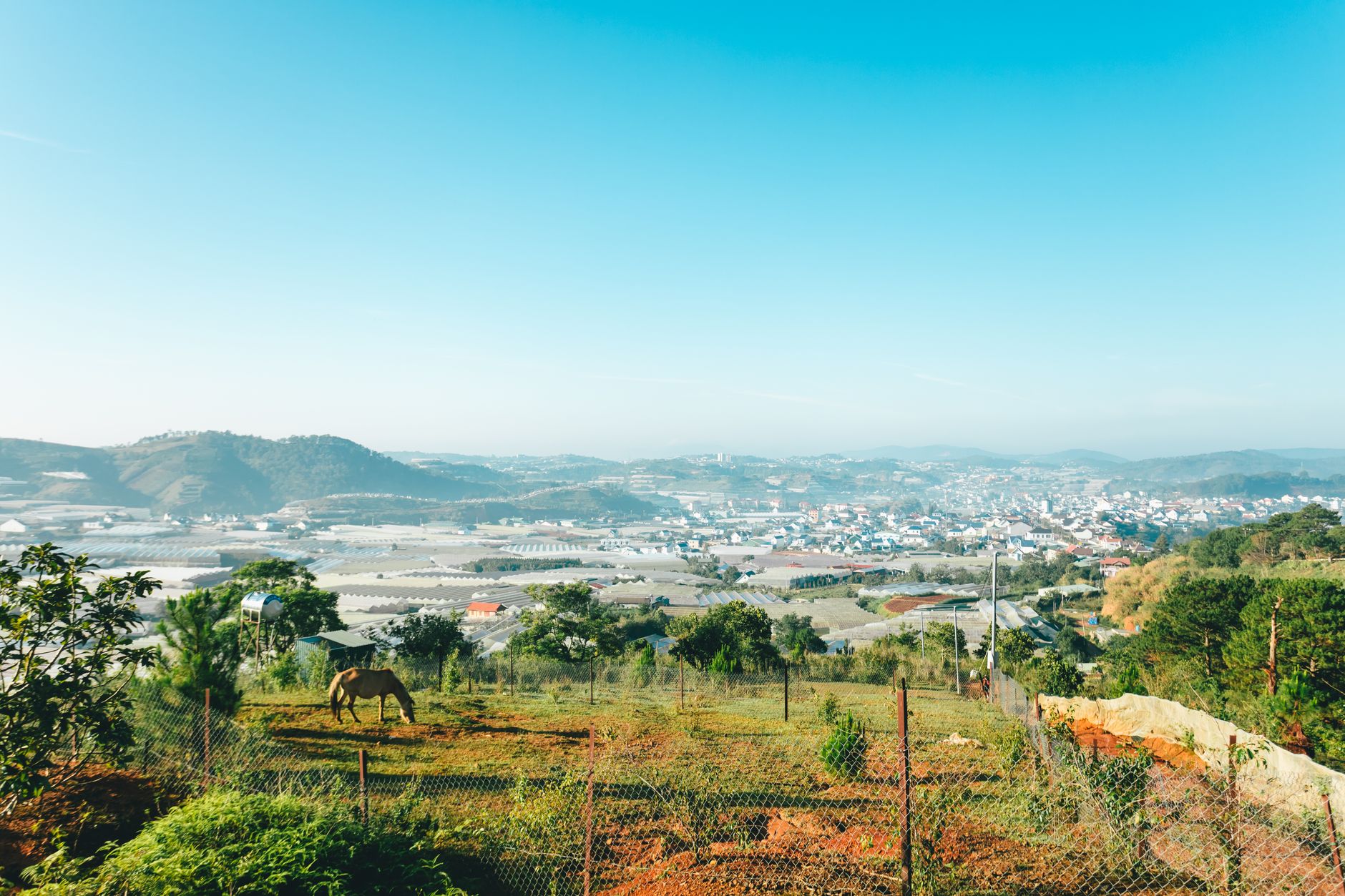
Yok Don is Vietnam's biggest national park and one of its least-visited. Here's what actually lives inside — and how to do it properly.
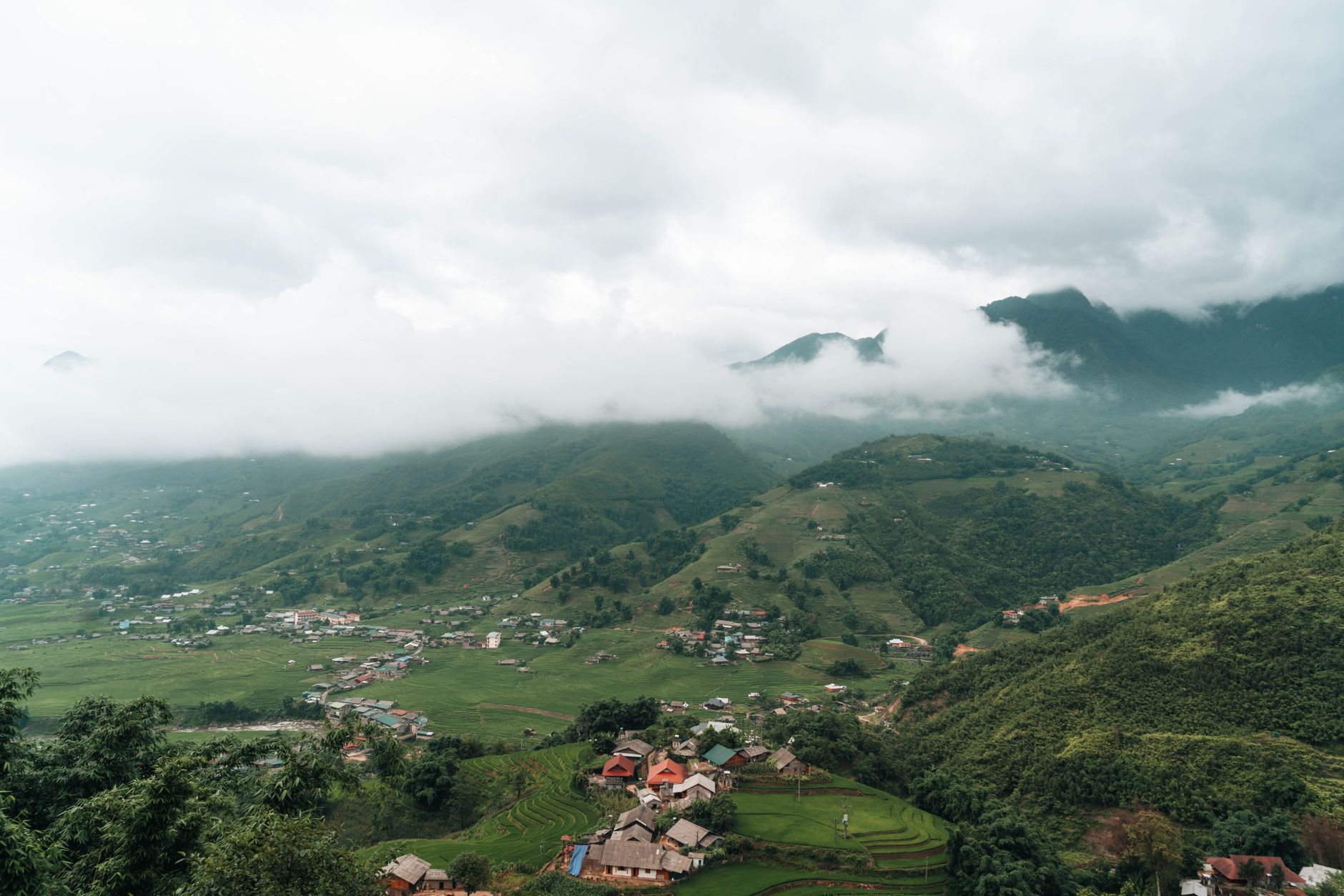
Y Ty is a Ha Nhi ethnic commune in Lao Cai province where sea-of-cloud mornings run from September to March — and almost nobody shows up compared to Sa Pa.

Y Ty's sea of fog is not a rumor — but it only appears reliably for a few weeks a year. Here's when to go, where to stand, and how to sleep close enough to catch it.

Yen Tu in Quang Ninh province is Vietnam's most significant Buddhist pilgrimage site — a forested mountain where a 13th-century king renounced his throne and founded a homegrown school of Zen.
Skip the crowds of Sapa for Y Ty, a remote highland outpost in Lao Cai where clouds settle in the valleys and ancient mud-walled houses dot the terraced hills.

Skip the mega-resort bubble and head south to the An Thoi archipelago. This independent day-trip route covers speedboat logistics, quiet snorkeling spots, and local seafood.
Vietnam (베트남 / 越南 / ベトナム) has two temples called Bach Ma — White Horse — and they share almost nothing except a name and a legend involving a horse. One sits inside Hanoi's Old Quarter, wedged between silk shops and banh mi carts. The other crowns a 1,450-metre peak in Thua Thien-Hue province, swallowed in cloud forest. Visiting one when you meant the other is the kind of mix-up that actually happens, so here is what you need to know about both.
Hanoi (하노이 / 河内 / ハノイ)'s Bach Ma Temple sits on Hang Buom Street in the heart of the Old Quarter, about 150 metres from the corner of Hang Ngang. It is one of the oldest temples in the city — the original structure dates to the ninth century, though what you see today is a heavily restored Nguyen-dynasty version. The founding legend says King Ly Thai To, while building the walls of Thang Long Citadel, kept watching them collapse. A white horse appeared and traced a path; Ly Thai To followed that path for the wall's foundation. The temple was built in the horse's honour.
In practice, Bach Ma is a functioning Taoist shrine dedicated to Long Do, the guardian spirit of Hanoi. It is small — you walk through a narrow gate off Hang Buom, cross a short courtyard, and you are already inside. The main hall holds a wooden horse statue draped in red cloth, incense smoke thickens the air near the altar, and older worshippers come through most mornings with offerings of fruit and paper goods. There is no entry fee. Dress modestly: shoulders and knees covered.
What makes Hanoi's Bach Ma worth the stop is the contrast with its surroundings. Hang Buom is one of the livelier streets in the quarter — if you are walking between Dong Xuan Market and Hoan Kiem Lake, you pass directly by it. Spending twenty minutes inside, then stepping back into the noise of motorbikes and street vendors, gives you a clearer sense of how the Old Quarter actually layers the sacred and the commercial without much separation. The temple is not a museum piece; people pray here.
If you are interested in Hanoi's broader religious landscape, the city has other landmarks worth pairing into the same half-day: the One Pillar Pagoda near Ba Dinh Square and the Temple of Literature about 2 km southwest of Hoan Kiem Lake each tell a different chapter of the same story.
Bach Ma National Park, about 40 km south of Hue and 45 km west of Da Nang, is an entirely different proposition. The name refers to the mountain itself — the peak and its surroundings were developed by the French in the 1930s as a highland retreat, and around 140 stone villas were built across the slopes. Most are ruins now, slowly losing to moss and tree roots, which is half the appeal.
The park covers roughly 37,000 hectares of wet tropical forest and is one of the more biologically dense areas in the country — birdwatchers come specifically for species that do not appear elsewhere in Indochina. The forest runs thick enough that even on a clear day the summit road disappears into cloud by mid-morning. If you drive up early and the weather turns, which it often does, you may find yourself walking through actual mist rather than looking at it from a distance.
There is no temple at the mountain's summit in the same sense as the Hanoi shrine. Bach Ma the mountain takes its name from the same white horse mythology — the cloud-wrapped peak supposedly resembles a white horse in silhouette — but the site is primarily a national park and hiking destination, not a pilgrimage site. The distinction matters if you are travelling specifically for religious or cultural tourism versus nature.
The main draw is the trail network. The Hai Vong Dai summit trail is around 2 km from the upper parking area and on a clear morning gives you sight lines toward the coast. The Do Quyen waterfall loop is another popular route — roughly 4 km round trip, manageable in two to three hours. Entry to the park costs around 60,000 VND per person; a motorbike can handle the 16-km access road, but check conditions in advance because rain closes sections regularly.
Hue is the obvious base — you can reach the park entrance in under an hour. If you are coming from Da Nang, budget about ninety minutes each way. The park sits between both cities, which makes it a reasonable day trip from either, though an overnight in Hue lets you combine it with the Tomb of Khai Dinh or the old citadel without feeling rushed.
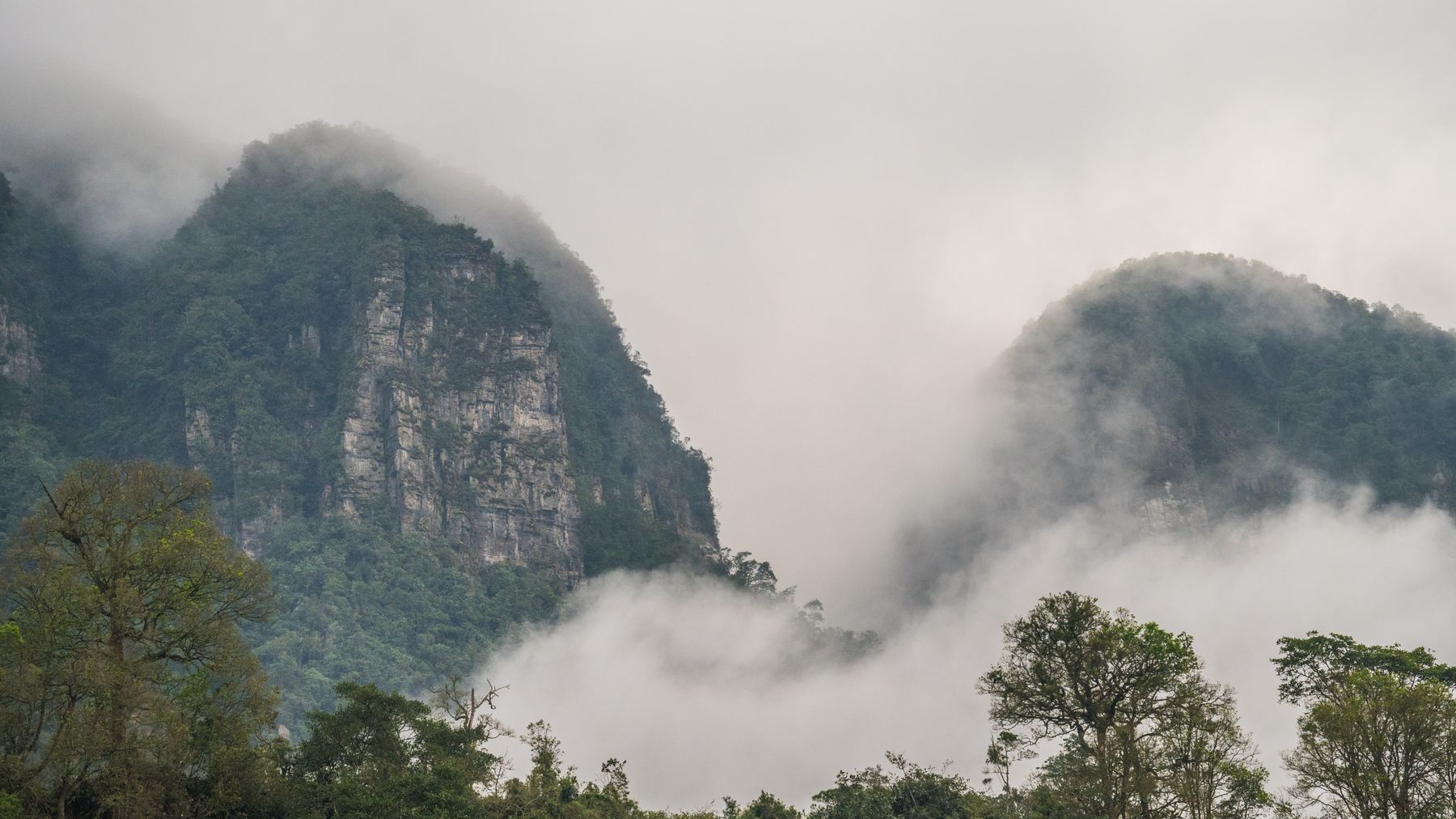
Photo by Juan Felipe Ramírez on Pexels
Beyond the name, both Bachs Ma reflect something genuinely Vietnamese about how landscape and legend get woven together. The horse motif — divine guidance, a spirit that marks sacred ground — appears repeatedly in Vietnamese mythology, and both sites are read through that framework even though one is a city shrine and one is a national park summit.
If you are building a central Vietnam itinerary and want both threads — the Hanoi cultural stop and the Hue-area nature day — they work cleanly as bookends to a longer north-to-south trip. Neither requires more than half a day, and neither will disappoint if you arrive knowing what it actually is.
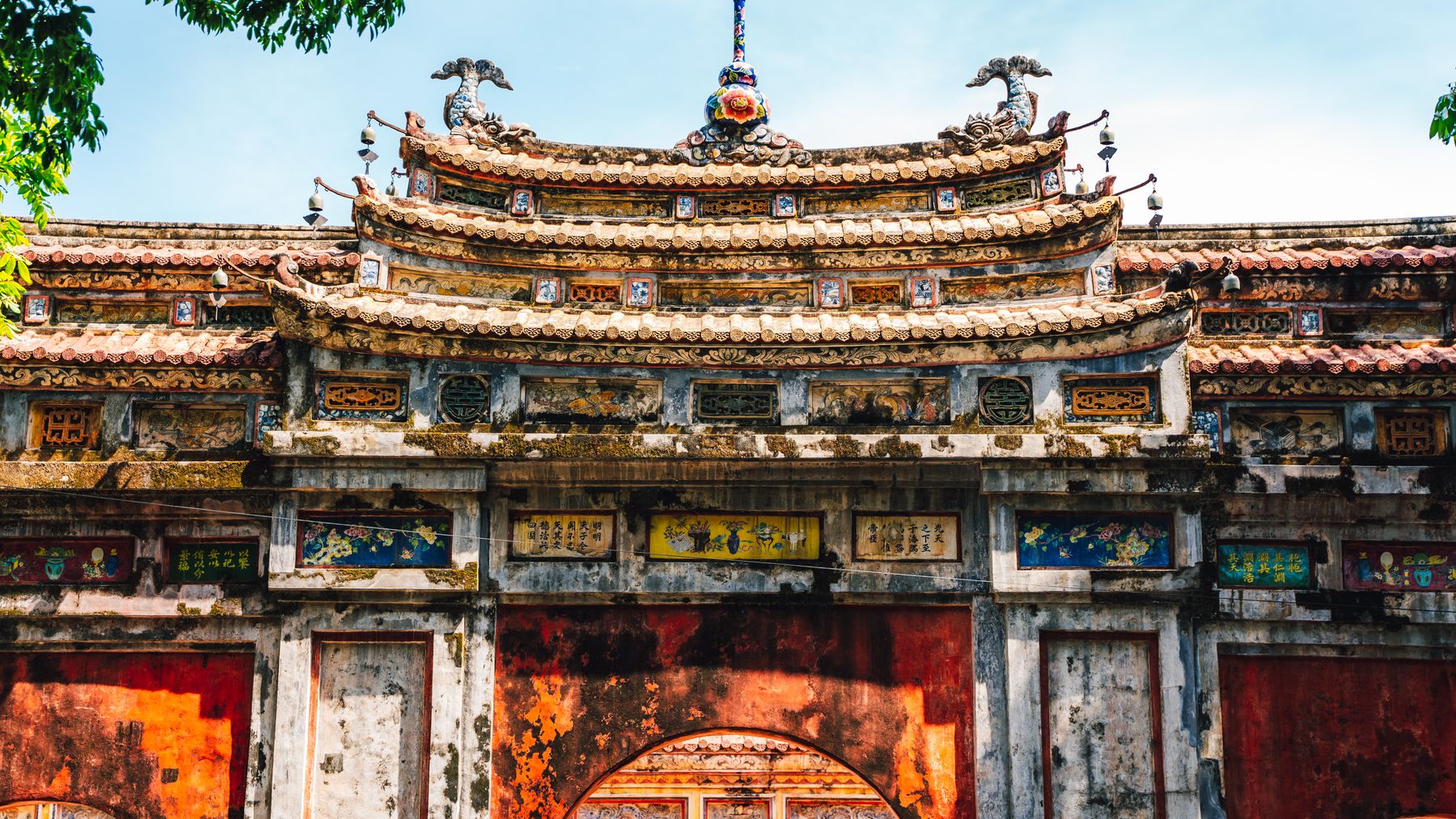
Photo by Vietnam Tri Duong Photographer on Pexels
Hanoi's Bach Ma Temple (Hang Buom Street) is free, open daily, and takes twenty minutes. Bach Ma National Park charges 60,000 VND entry; allow a full day from Hue or Da Nang and check the park's official line for road closures after heavy rain — the summit road floods unpredictably between October and December.