Day 1-2 — Saigon: The Urban Sanctuary
Start your journey in Saigon, but skip the usual tourist trail. Instead, head to the Vinh Nghiem Pagoda in District 3. Its architecture is a blend of traditional Vietnamese and Japanese influences, offering a rare sense of scale in a crowded city. Spend your morning here observing the daily chants. In the evening, visit the Giac Lam Pagoda, one of the oldest in the city. It is a quiet, wooden structure that feels worlds away from the nearby main roads. For your meals, stick to the local vegetarian scene; try a bowl of "banh canh" chay (vegetarian tapioca noodle soup) at a nearby street stall to keep your diet light.
Day 3-4 — The Path to Can Tho
Take a bus to Can Tho, the heart of the Mekong Delta (메콩 델타 / 湄公河三角洲 / メコンデルタ). The city is home to the Munirangsyaram Pagoda, a Khmer-style temple that stands out for its vibrant colors and intricate carvings. This is a working temple, and you will often see monks going about their daily routines. Spend your second day here visiting the floating markets early, but retreat by 9:00 AM to the temple grounds for meditation. The humidity here is high, so keep your "non la" (conical hat) handy for the walk between sites.
Day 5-6 — The Quietude of Soc Trang
Travel further south to Soc Trang, a province with a significant Khmer population and some of the most serene temple complexes in the region. The Bat Pagoda (Chua Doi) is famous for its fruit bats, but the real draw is the peaceful, tree-lined path leading to the main hall. Spend your time here practicing walking meditation in the gardens. The local food is distinct; look for "bun nuoc leo," a fragrant, fermented fish-based noodle soup that is a regional staple. It is a humble, honest dish that reflects the simplicity of the area.

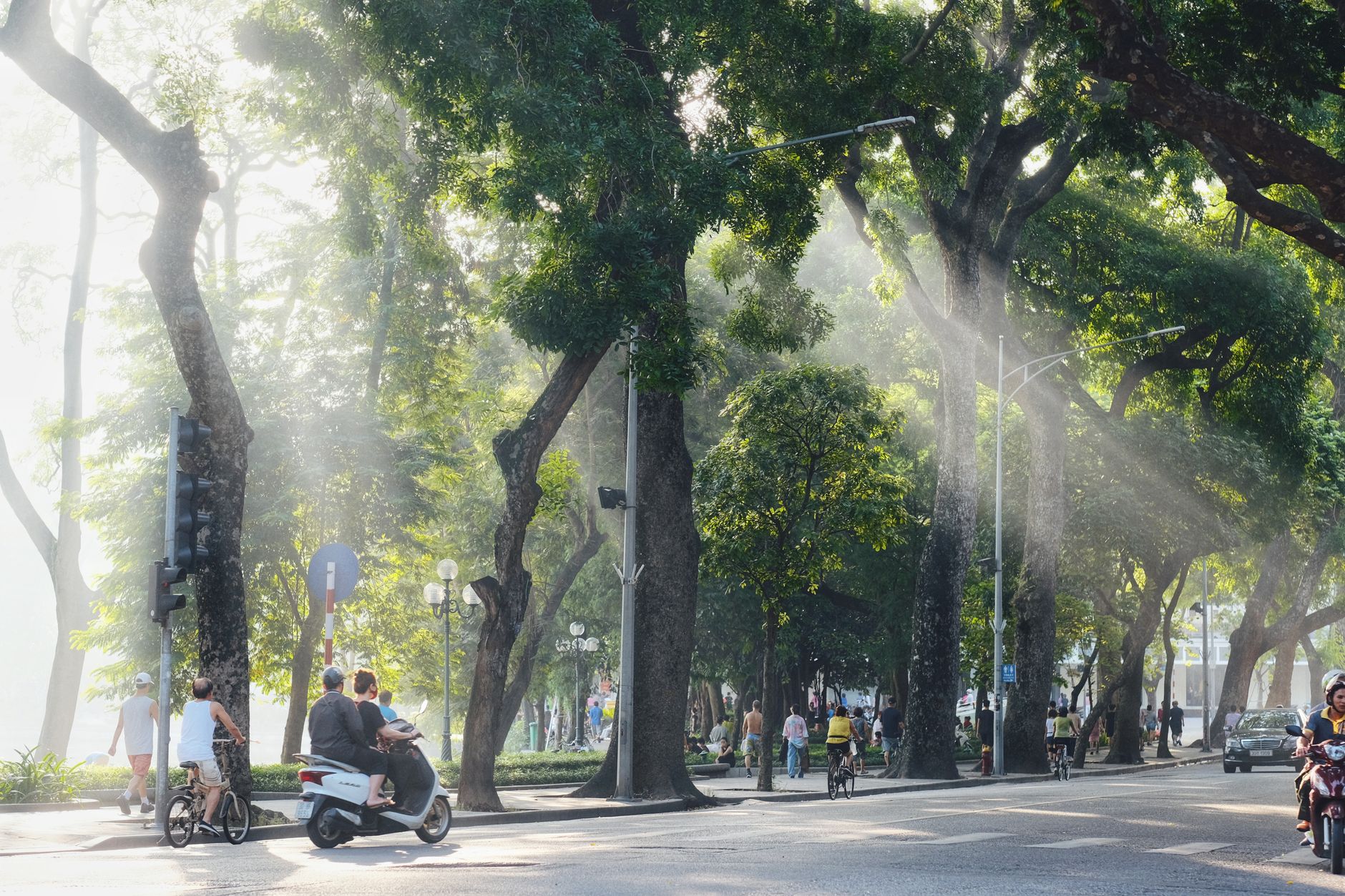
Photo by Quang Nguyen Vinh on Pexels
Day 7-8 — The Islands of the Delta
Head toward the coast near the border of the Mekong Delta. While many travelers rush to the beaches, find a local monastery or temple stay near the rural outskirts of the delta. This is where you can truly disconnect. Spend these two days in silence, waking up at 5:00 AM for the morning bell. The air is cooler, and the only sound is the rustle of palm leaves. If you are looking for a simple meal, a bowl of "hu tieu" from a local vendor is the perfect way to break your fast.
Day 9 — Returning to the Flow
Make your way back toward Saigon (사이공 / 西贡 / サイゴン). Stop in My Tho to visit the Vinh Trang Pagoda. It is a massive, ornate structure that serves as a bridge between the quiet rural temples you have just visited and the more elaborate urban centers. It is a good place to reflect on the past week before re-entering the pace of the city.
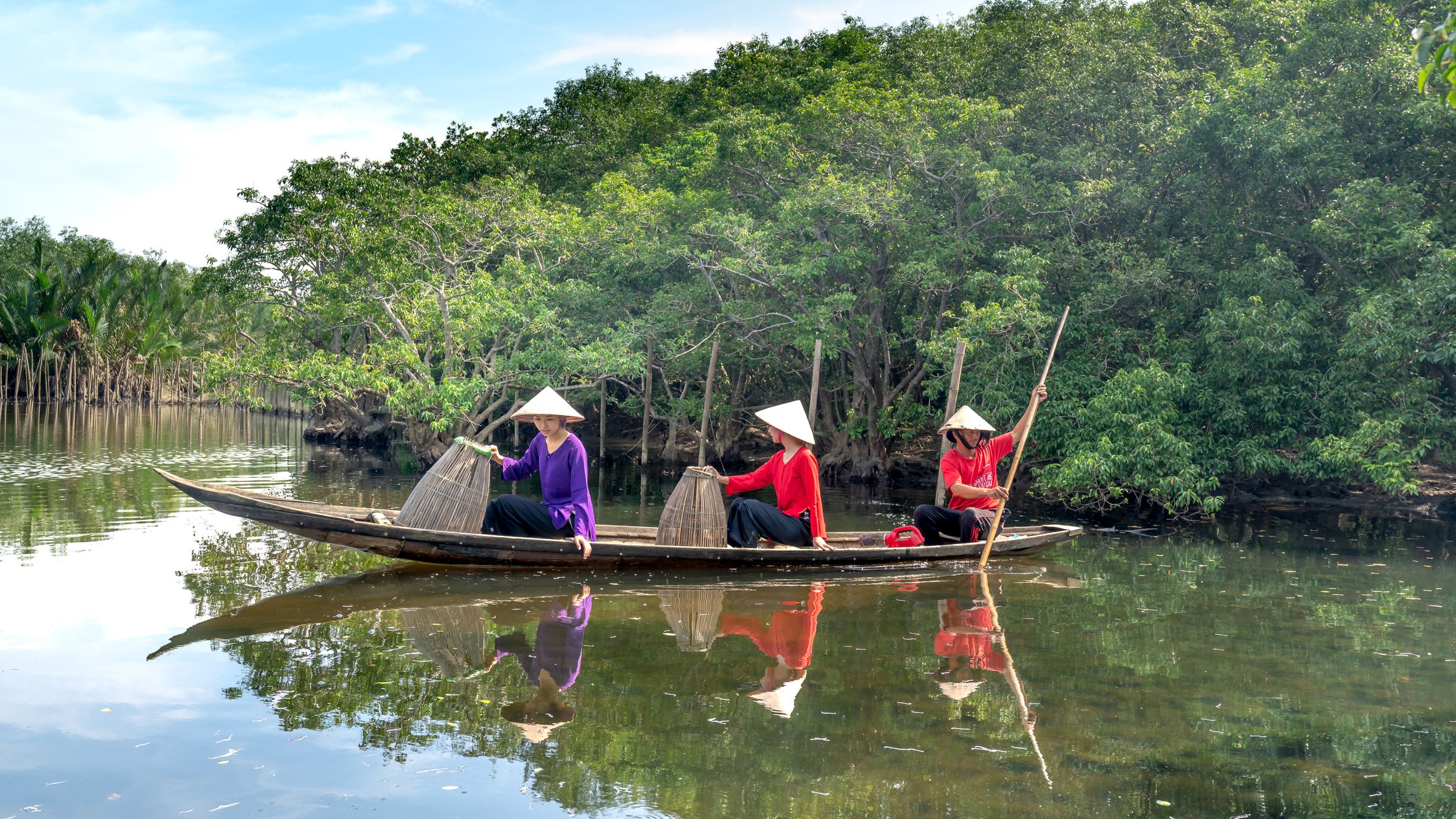
Photo by Quang Nguyen Vinh on Pexels
Day 10 — Final Reflection
Spend your final day in Saigon at the Jade Emperor Pagoda. While popular, if you arrive at 6:00 AM, you can find a corner to sit and observe the incense smoke and the quiet devotion of the locals. It is a fitting end to a trip centered on the intersection of faith and daily life. Grab a final "vietnamese coffee" at a quiet cafe in the alleyways of District 1 to process the journey before your flight.
Practical notes
Dress modestly: keep your shoulders and knees covered at all times when entering temple grounds. Always remove your shoes before stepping onto the wooden platforms of the main halls. If you choose to offer a small donation, use both hands when presenting it to the monks or placing it in the donation box.
Last updated · May 30, 2026 · independently researched, never sponsored.