Day 1 — Settling into Da Nang
Start your trip in Da Nang, but bypass the high-rise hotels of My Khe. Instead, find a guesthouse in the An Thuong area or near the Han River. Spend your first afternoon at the beach, but head south toward the Non Nuoc stretch where the crowds thin out. For dinner, find a local stall serving "banh xeo"—the crispy, turmeric-infused pancake is a staple here. End the night with a "ca phe sua da" at a sidewalk cafe near the Dragon Bridge.
Day 2 — The Peninsula and the Market
Rent a scooter and head to the Son Tra Peninsula. The winding roads offer views of the coastline without the tourist crush. Stop at the Linh Ung Pagoda, but focus on the smaller, unmarked trails leading to the rocky coves on the eastern side. In the evening, head to the Han Market to watch the local trade, then grab a bowl of "mi quang" at a street-side vendor. The turmeric-dyed noodles, topped with pork, shrimp, and a crunch of rice crackers, are the definitive flavor of this region.
Day 3 — The Road to Hoi An
Take the coastal road south toward Hoi An. It is a short 30km ride. Instead of staying in the Ancient Town, book a homestay near An Bang Beach. The morning is best spent cycling through the rice paddies that separate the town from the sea. For lunch, seek out "cao lau," a dish of thick, chewy noodles that can only be authentically made with water from the local Ba Le well.
Day 4 — Island Life at Cu Lao Cham
Take a morning boat to Cu Lao Cham. Most visitors do a rushed day trip, but if you can, stay overnight in a local homestay. The island is part of a biosphere reserve, and the snorkeling here is decent, though the real draw is the quiet pace of life once the last tour boat leaves at 3:00 PM. Eat fresh grilled seafood caught by the villagers that morning.
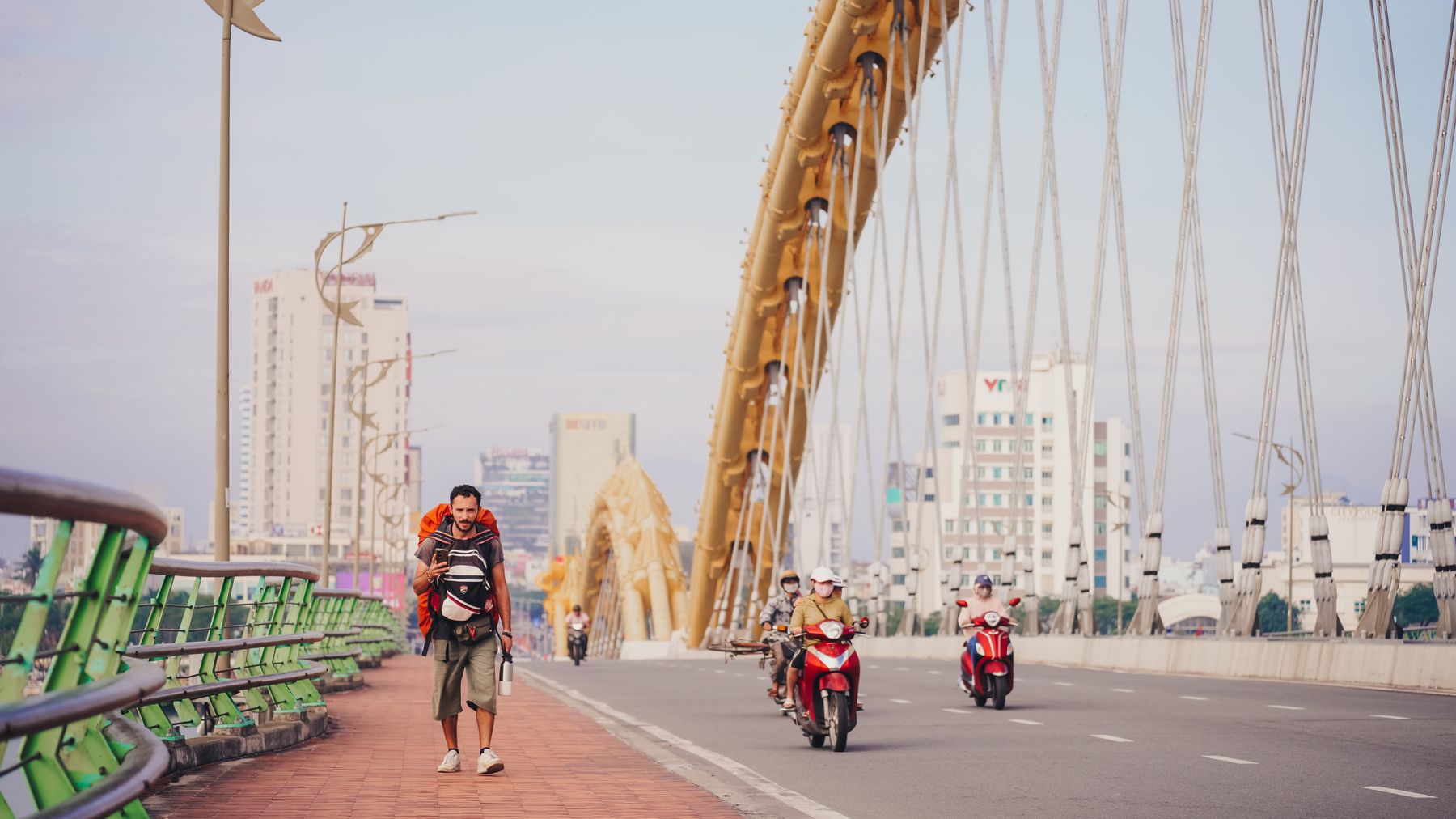
Photo by Xuân Thống Trần on Pexels
Day 5 — Moving South to Lang Co
Head north briefly to the Lang Co lagoon area. This is a quieter, more contemplative stretch of coast. The water is calm, and the backdrop of the Bach Ma mountains creates a dramatic contrast. Spend the day swimming and eating steamed clams at the shacks lining the lagoon. It is a simpler, more rustic experience than the polished resorts of the city.
Day 6 — The Imperial Coastline
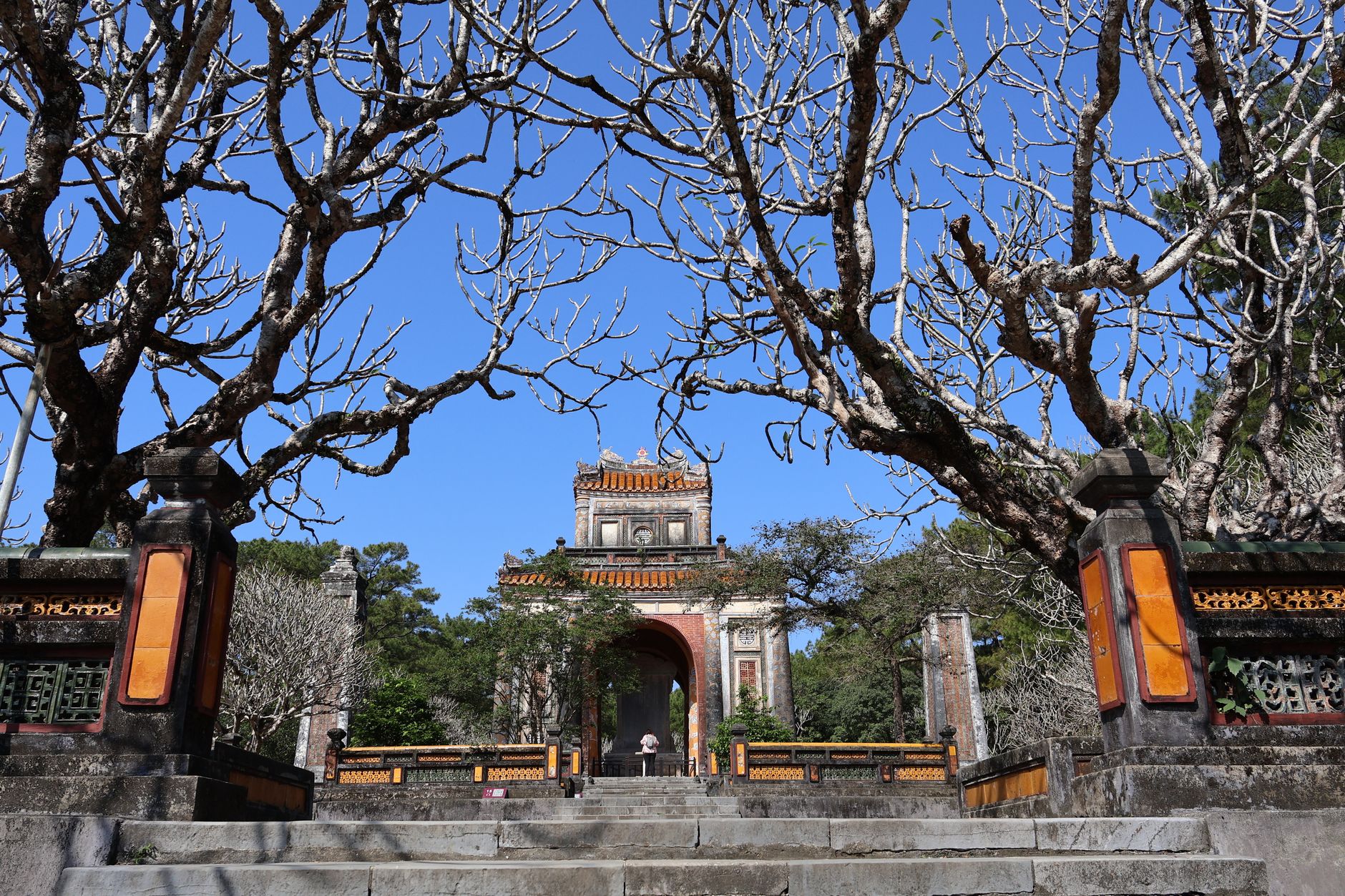
Travel toward Hue. While the city is known for the "Imperial Citadel Thang Long" and the "Tomb of Tu Duc," focus your beach time on the Thuan An or Vinh Hien beaches. These are where local families go on weekends. Grab a bowl of "bun bo hue (분보후에 / 顺化牛肉粉 / ブンボーフエ)" for breakfast—the spicy, lemongrass-heavy beef broth is essential fuel for a day of exploring the nearby lagoons.
Day 7 — The Quiet Stretch to Tam Ky
Head south again, passing through the rural province of Quang Nam. Stop in Tam Ky to visit the Tam Thanh mural village. The beaches here are vast and largely empty. You will find very few foreign tourists, which means you will be eating at local spots where menus are non-existent. Point at what the locals are eating; it is rarely a mistake.

Photo by Quang Nguyen Vinh on Pexels
Day 8 — Arrival in Quy Nhon
Take the train or a private car further south to Quy Nhon. This city is the current "insider" favorite for those who find Da Nang (다낭 / 岘港 / ダナン) too busy. The city beach is clean and well-maintained, but the real gems are the bays further out, like Bai Xep. The fishing village vibe is still very much intact here.
Day 9 — Exploring the Quy Nhon Coves
Spend your day exploring the coastline around Quy Nhon. Rent a bike and head toward the Eo Gio cliffs. The landscape here is rugged and dry, feeling distinct from the lush north. For lunch, look for "banh canh," a thick noodle soup often served with fish cakes in this region. It is a hearty, savory meal perfect for a beach day.
Day 10 — Final Sunset
Spend your final day in the quiet coves of Bai Xep. It is a small village where the ocean meets the cliffs. There is no rush here. Spend your afternoon reading in a hammock or swimming in the shallow, clear water. Before you leave, enjoy one last "vietnamese coffee" while watching the local fishermen mend their nets on the sand.
Practical notes
Trains are the most reliable way to traverse the coast, offering better views than the highway. For food, always look for the stalls with low plastic stools and a single, well-made dish on the menu; these are consistently the best spots for authentic regional flavors.
Last updated · May 30, 2026 · independently researched, never sponsored.