This itinerary moves north to south in 10 days without backtracking, hitting the essential regions but with enough time to eat properly and avoid the blur of a speed run. You'll stay in real neighborhoods, not just the tourist strip, and spend half your budget on food.
Day 1 — Arrival in Hanoi, Old Quarter walkabout
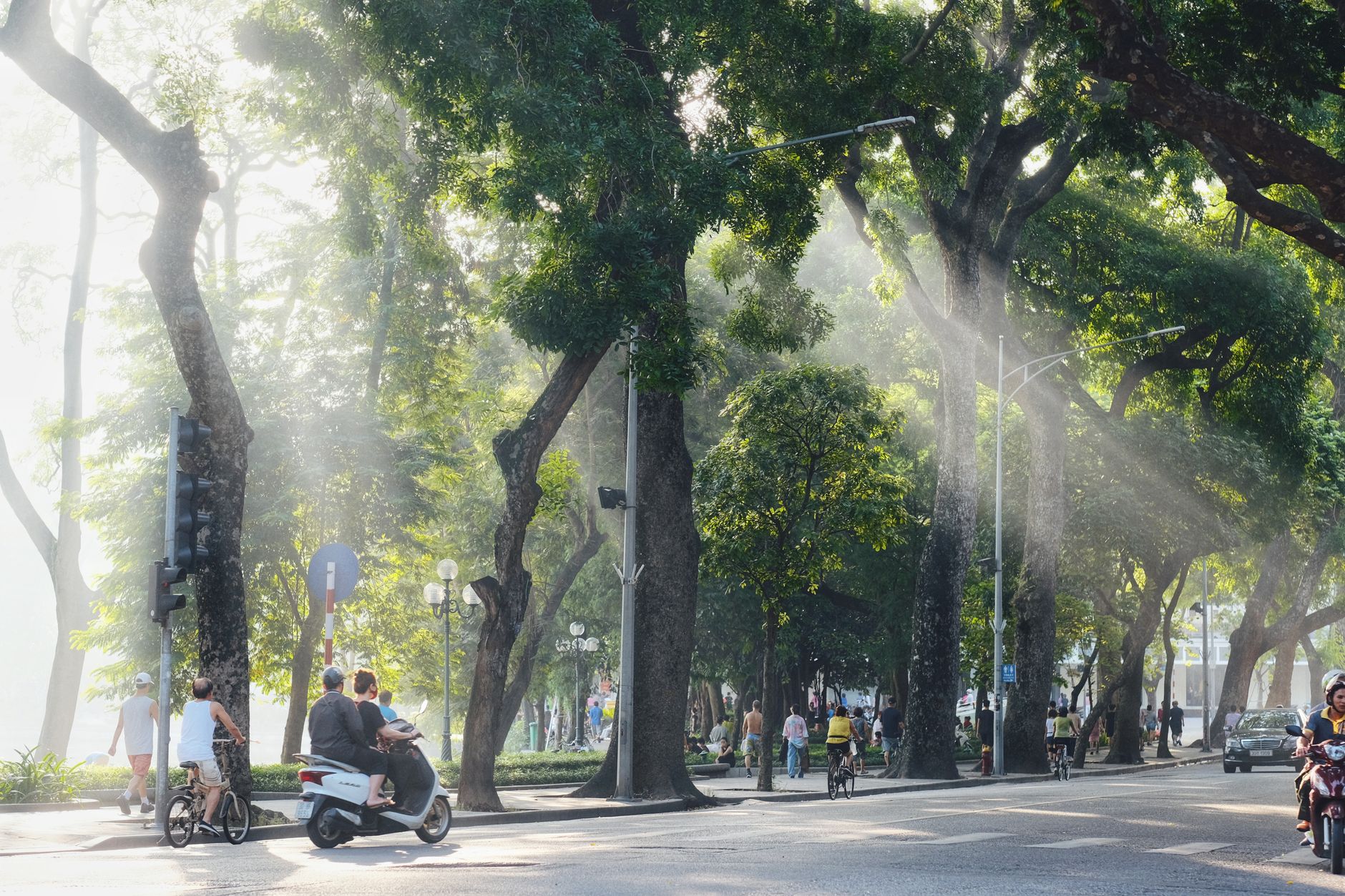
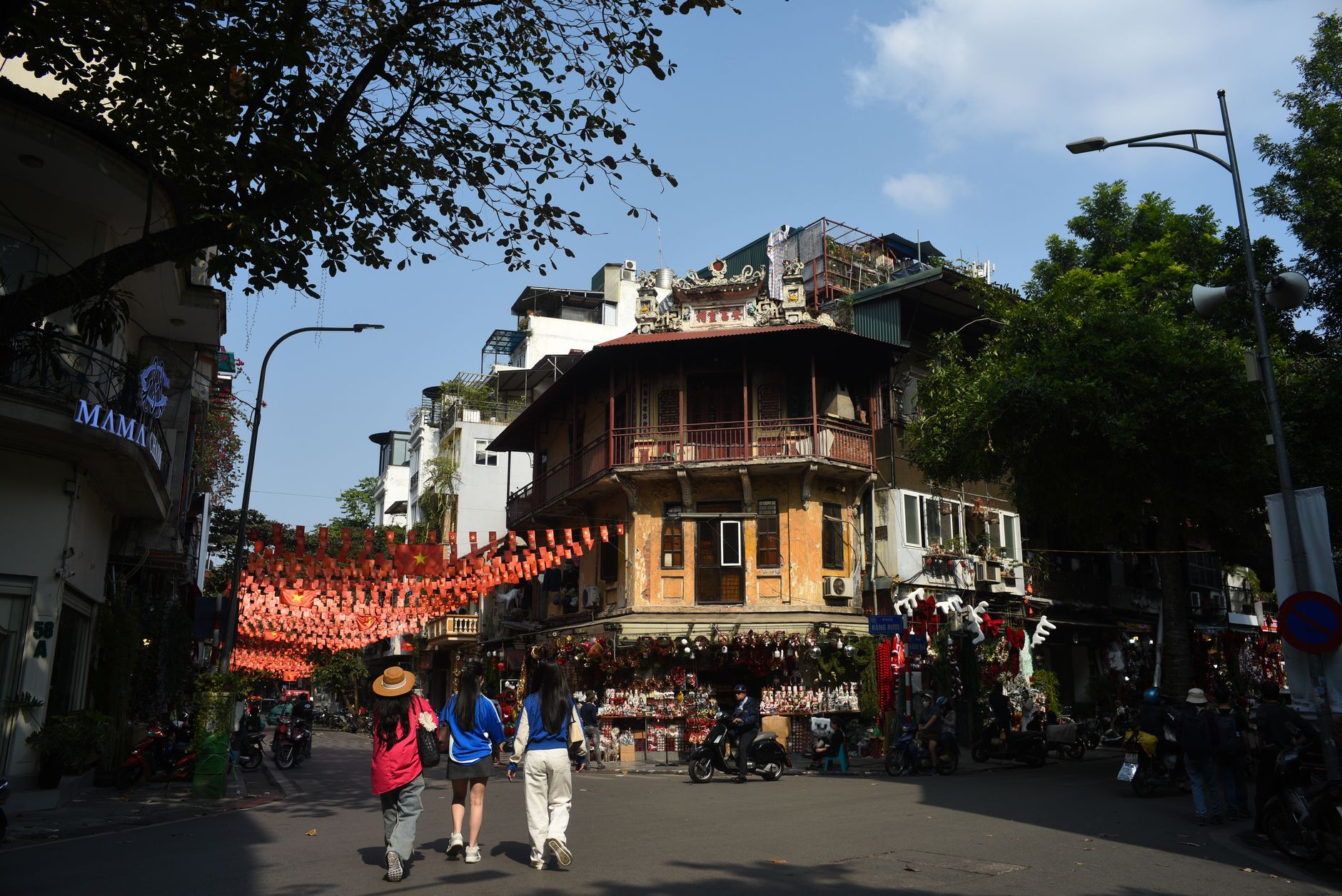
Land in Hanoi, dump your bag at a hotel in the Old Quarter (around Hang Dao or Bat Dan streets), then walk. The grid here is disorienting on purpose — each street historically sold one thing: silver, silk, paper, shoes. Wander Hang Gai (fabric alley), poke into temples. By afternoon, sit down for a bowl of "pho" at Pho 2000 (7 Hang Dieu, near Hoan Kiem Lake, around 35,000 VND) or head to a less famous shop and eat the same thing for 25,000 VND.
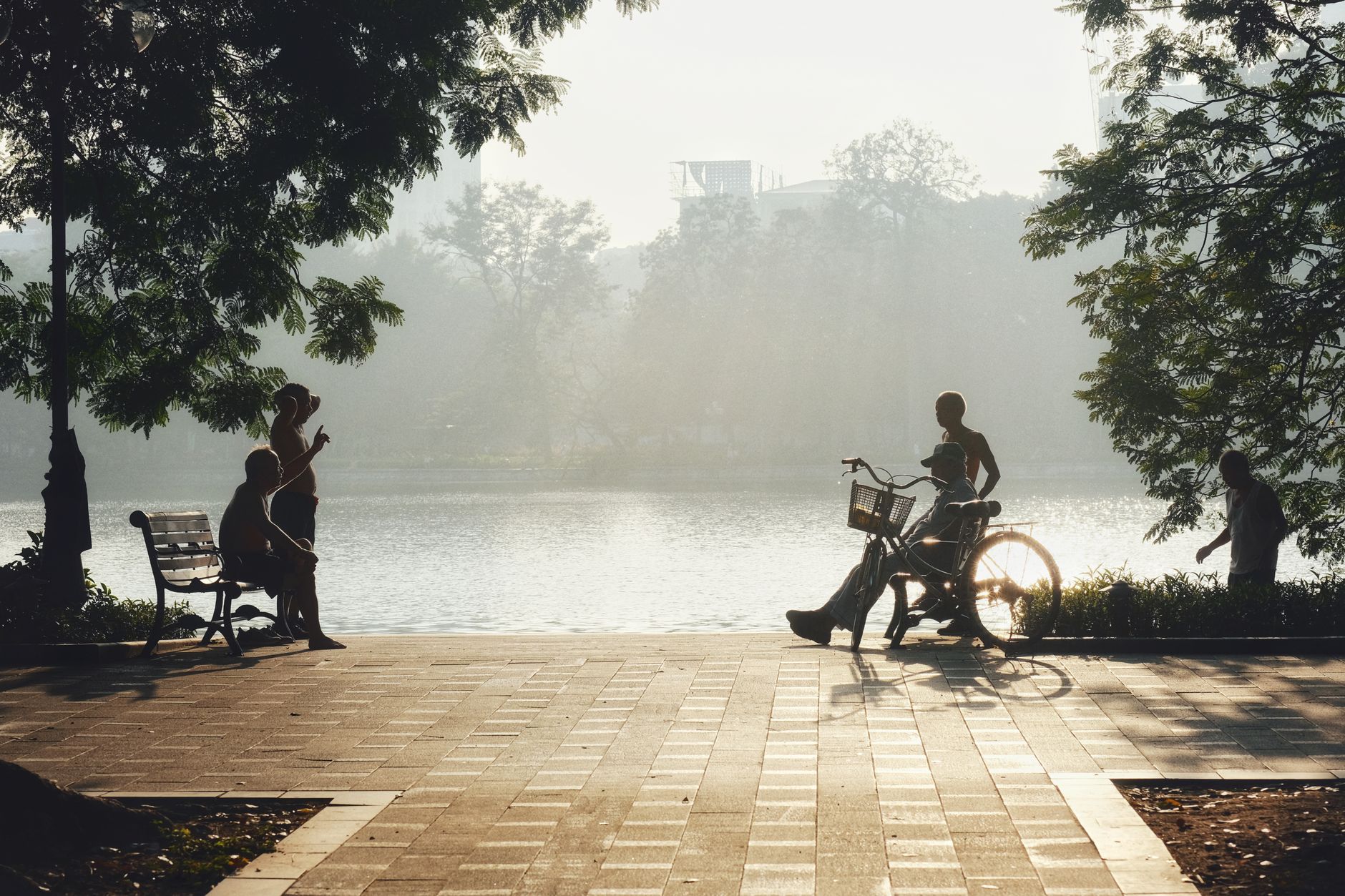
Evening: egg coffee at Cafe Pho Co (downstairs, dark, no sign — 9A Hang Manh). Dinner at a street stall on Hang Ga doing "bun cha" (grilled pork over rice noodles, 40,000 VND). Walk back to Hoan Kiem Lake at dusk.
Day 2 — Temples, markets, politics of food
Breakfast at Pho Thin (13B Hang Gai), a spot that's been here since 1925. Then bike to Tran Quoc Pagoda, the oldest temple in Hanoi, sitting on a peninsula in the Red River. Double back to visit Temple of Literature, the first university (1070), where scholars sat for royal exams.
Lunch: "com tam" (broken-rice) at a stall in the old French quarter (around 25,000 VND). Afternoon: Ben Thanh Market is a tourist trap; instead, go to Dong Xuan Market near the old quarter's north edge — real vendors, dried squid, live poultry, chaos.
Dinner: "banh cuon" (rolled rice cakes) and "cha gio" (fried spring rolls) at a family-run spot on Hang Bac. The owner's mother rolls them by hand.
Day 3 — Ha Long Bay overnight cruise
Leave Hanoi early (6:30am pickup from your hotel). Halong (하롱 / 下龙 / ハロン) City is 160 km east, 3 hours by minibus. Board a mid-range junk (book through a real agent, not your hotel — expect 1.2–1.8M VND for overnight). These boats look romantic on Instagram but are crowded in high season.
You'll anchor among limestone karsts, kayak into sea caves, swim. The food onboard is edible but unremarkable. Bring snacks. The point is the geology, not the luxury. Overnight in a cabin (expect noise from other tourists).
Return to Hanoi on Day 3 evening. Collapse. Eat late-night "pho" at a 24-hour shop to recover.
Day 4 — Sapa or Mai Chau (choose one)
Sapa (overnight): A mountain town 370 km northwest. Catch the 9:50pm train from Hanoi (Tran Quy Cap station) — it's a sleeper train (bunk cabin, 8–12 hours, around 800,000 VND). You arrive in Sapa around 6am. Hike through terraced rice paddies, visit Hmong and Dao villages, eat local dishes with vegetables you won't recognize. Return by train the same night (21:50 departure, arriving Hanoi 6:30am Day 5). It's brutal but doable.
Mai Chau (overnight, easier): 160 km southwest of Hanoi, 3 hours by car. Stay in a stilt house homestay (500,000–800,000 VND) run by Thai ethnic families. Hike rice paddies, swim in streams. Return next morning. No train; easier logistics.
Pick Sapa if you want mountain views and don't mind the night train. Pick Mai Chau if you want a softer pace and more time to sleep.

Image by Cheong. Original uploader was Cheong Kok Chun at en.wikipedi via Wikimedia Commons (CC BY-SA)
Day 5 — Hanoi to Hue (fly or 15-hour bus)
Fly from Hanoi Noi Bai to Hue (1 hour, ~900,000 VND return). Or take an overnight bus (Hoa Phat, Hanh Cafe, etc. — 15 hours, ~400,000 VND, cramped). If you flew, arrive early afternoon; if you bussed, arrive morning Day 6.
Check into a hotel in Hue's old town (near Trang Tien Bridge, not the touristy "backpacker" area on Nguyen Trai). Walk the Perfume River at sunset. Eat "bun hue" — a regional variation of "bun" with thicker broth and pork blood (40,000 VND, at any stall near the market).
Day 6 — Hue: royal tombs and Imperial Citadel
Hire a motorbike taxi (around 400,000 VND for 8 hours) or join a group tour. Visit the Tomb of Tu Duc (20 km south, 30,000 VND entry) — a 19th-century emperor's mausoleum, overgrown and haunting. Then Tomb of Khai Dinh, more ornate, 15 km further.
Afternoon: return to Hue city and walk the Imperial Citadel Thang Long (old walled city, 30,000 VND). It's half-ruins, half-restored, photogenic.
Dinner: find a local "com" (rice) stall. Hue's food is spicier than the north — lots of chili, lemongrass, shrimp paste. Eat at a plastic table and watch the river.
Day 7 — Hue to Hoi An (120 km, 3 hours)
Bus or car south. Hoi An is a compact, preserved 18th-century trading town — UNESCO site, no cars inside the old town, lantern-covered streets. Check in, drop bag, walk immediately. The whole old town is walkable in 90 minutes.
Eat "cao lau" (thick noodles with crispy breadcrumbs and pork, 30,000 VND) at a stall on Tran Phu street. Dinner: "banh xeo" (sizzling pancake, 25,000 VND) at a local place away from tourist row.
Buy a tailor-made shirt or "ao dai" (a fitting takes 24 hours; a shirt, 8–12 hours, 200,000–400,000 VND). Hoi An's tailors are good but not miraculous — manage expectations.

Image by CEphoto, Uwe Aranas via Wikimedia Commons (CC BY-SA)
Day 8 — My Son ruins and Hoi An markets
Book a tour or hire a driver (800,000 VND for a car with English driver, 4 hours round trip) to My Son, a 15th-century Champa Hindu temple complex 40 km west. It's in a valley, humid, mossy, less crowded than Angkor but similar vibe. Allow 2–3 hours to walk the ruins.
Return to Hoi An by early afternoon. Visit Hoi An Market (4–7am best, around Tran Phu), walk through neighborhoods (Cam Pho, Cam Chau), eat "goi cuon" (fresh spring rolls, 15,000 VND) at a morning stall.
Evening: walk the river, sit at a waterside cafe, eat grilled fish at a restaurant along the water.
Day 9 — Hoi An to Saigon (flight or 12-hour drive)
Fly from Da Nang (35 km from Hoi An, 45 min) to Saigon (1 hour flight, ~900,000 VND). Or take a minibus (12 hours, 400,000 VND, tedious).
Arrive in Saigon by early afternoon. The city is sprawling, car-mad, loud. Stay in District 1 (old colonial center) or Binh Thanh (local neighborhood, better food). Walk Ben Thanh Market, eat "mi quang" (turmeric noodles with shrimp, 35,000 VND) at a stall nearby.
Dinner in District 1: "hu tieu" (clear pork broth over rice noodles, 30,000 VND) at a streetside shop on Ton That Thiep or Ly Tu Trong.
Day 10 — Cu Chi Tunnels, Mekong return
Option A: Cu Chi Tunnels. A former Viet Cong underground network, now a museum, 35 km northwest of Saigon (45 min by car, 500,000–800,000 VND tour including guide and lunch). You'll crawl through narrow tunnels, watch a short film, eat lunch (usually fried spring rolls, rice, water). It's tourism theater, but the history is real. Most tours include a boat trip on the Sai Gon River.
Option B: Mekong Delta day trip. Ben Tre or Can Tho (2 hours south). Small villages, fruit orchards, floating markets (4–6am is best but requires an early start), coconut candy factories, local lunch in a homestay. More relaxed than Cu Chi.
Return to Saigon evening. Final dinner: "bun oc" (snail noodle soup, 30,000 VND) at a street stall, or splurge on dinner at a mid-range restaurant (Hoa Sua, Oc Vang, etc., ~300,000 VND per person).
Fly out the next morning or stay an extra night if your flight is late.
Frequently Asked Questions
How much does a Ha Long Bay overnight cruise cost for one person?
A mid-range junk boat on Ha Long Bay runs 1,200,000 to 1,800,000 VND per person for an overnight trip. Book through a reputable agent rather than your hotel. The cruise covers kayaking into sea caves and anchoring among limestone karsts, but food onboard is described as edible rather than exceptional, so bring snacks. High season means the boats get crowded.
What is the cheapest way to eat well on Day 1 in Hanoi?
Street food in the Old Quarter keeps costs low. A bowl of pho runs 25,000 VND at a local shop or 35,000 VND at Pho 2000 on Hang Dieu near Hoan Kiem Lake. Bun cha — grilled pork over rice noodles — costs around 40,000 VND at a stall on Hang Ga. The itinerary suggests spending half your total budget on food across the trip.
When should you take the overnight train to Sapa from Hanoi?
Depart on the 9:50pm train from Tran Quy Cap station in Hanoi. The sleeper bunk cabin takes 8 to 12 hours and costs around 800,000 VND, arriving in Sapa around 6am. The return train leaves Sapa at 21:50, reaching Hanoi by 6:30am the following morning. If the night train schedule feels too demanding, Mai Chau is a softer alternative 160 km southwest, reachable by car in 3 hours.
Practical notes
Budget: 40M–60M VND (USD 1,600–2,400) per person for 10 days, mid-range. That's hotels (600k–1.2M VND/night), transport between cities (flights cheaper than buses), meals (street food 25–40k, restaurant 80–150k), and entry fees. Domestic flights within Vietnam are cheap (Vietjet, Bamboo Airways)—book in advance. Book hotels 2–4 weeks ahead if traveling Oct–Dec or Jan–Mar (peak season). July–Sept is monsoon; prices drop, crowds thin, but expect rain. Bring a lightweight rain jacket and waterproof bag. Learn 5 Vietnamese food words (thank you, delicious, how much) — small gesture, huge payoff in markets and stalls. Your phone needs a local SIM (Viettel, Vinaphone; buy at airport, top up as you go). Cash is still king outside cities — ATMs exist but aren't everywhere. Tipping is not expected but appreciated (5–10% at nicer restaurants, round up at street food if you're happy).
Last updated · May 29, 2026 · independently researched, never sponsored.