Hue spent nearly 150 years as Vietnam (베트남 / 越南 / ベトナム)'s imperial capital, and the proof is everywhere — crumbling citadel walls, elaborate royal tombs hidden in jungle, and temples packed with centuries of devotion. This itinerary skips the rushed temple tours and instead lingers where the story actually lives. You'll need comfortable walking shoes, a light rain jacket (the Perfume River valley gets humid), and patience for Vietnam's slower pace.
Day 1 — The Imperial Citadel and Royal Quarters
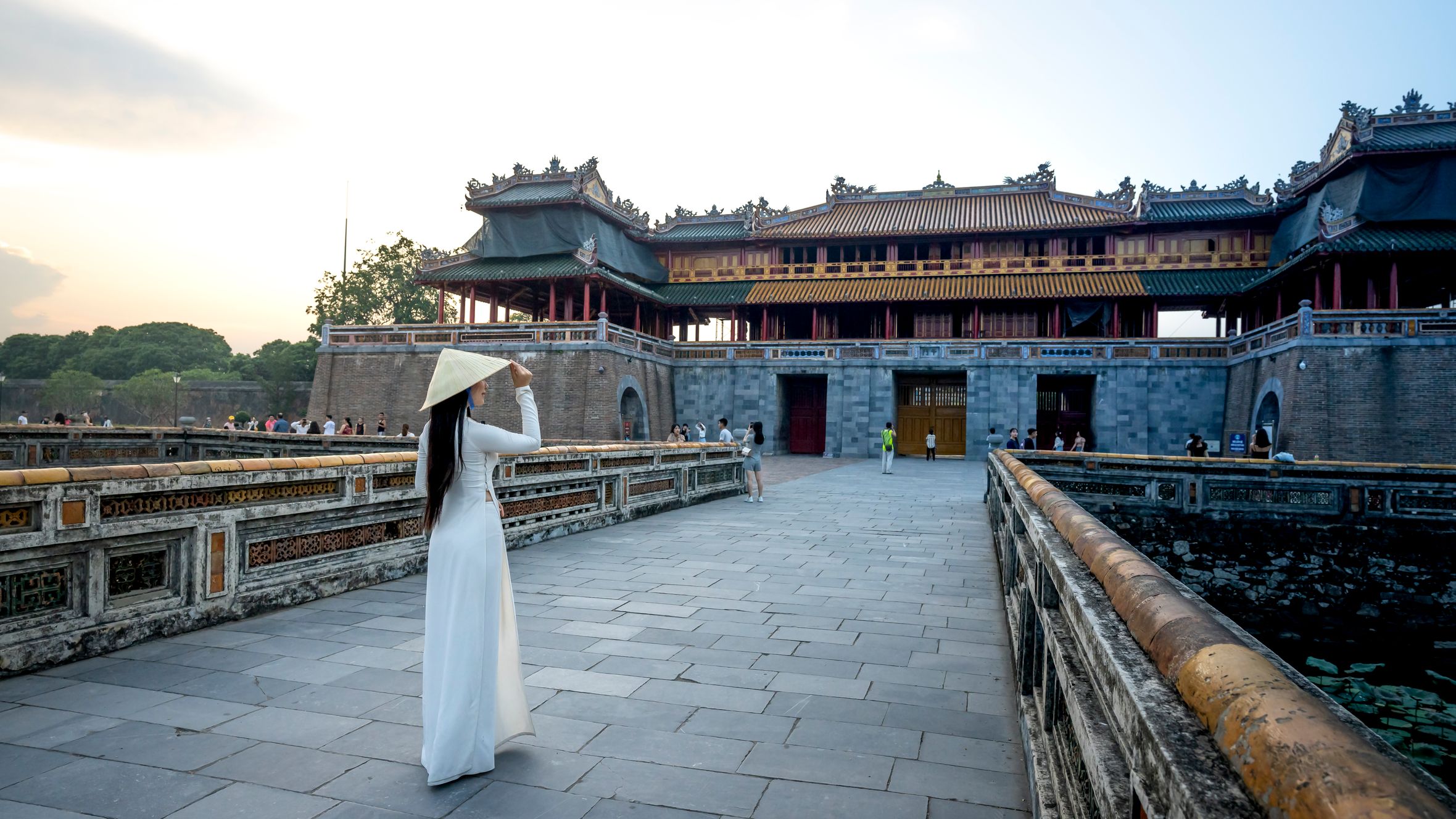
Start at the Imperial Citadel (Thanh Ha Citadel), a 10-meter-high walled compound built in 1804 by Emperor Gia Long. The entry gate, Ngo Mon, is the money shot — a massive triple-tiered structure where emperors once received officials. Walk the ramparts and you'll spot bullet holes from 1968, when the North Vietnamese Army held the citadel for 26 days. Don't skip that history; it's carved into the walls.
Inside, the Royal Quarters are partially restored. The Thai Hoa Palace (where emperors held court) still has its original ornate roof tiles and carved pillars. Behind it, the gardens and residential chambers give you a sense of day-to-day royal life — smaller than Forbidden City grandeur, but that's Hue (후에 / 顺化 / フエ)'s charm. The complex takes a full morning; budget 3-4 hours and hire a guide if you want specifics about which emperor lived where. Entry is 150,000 VND.
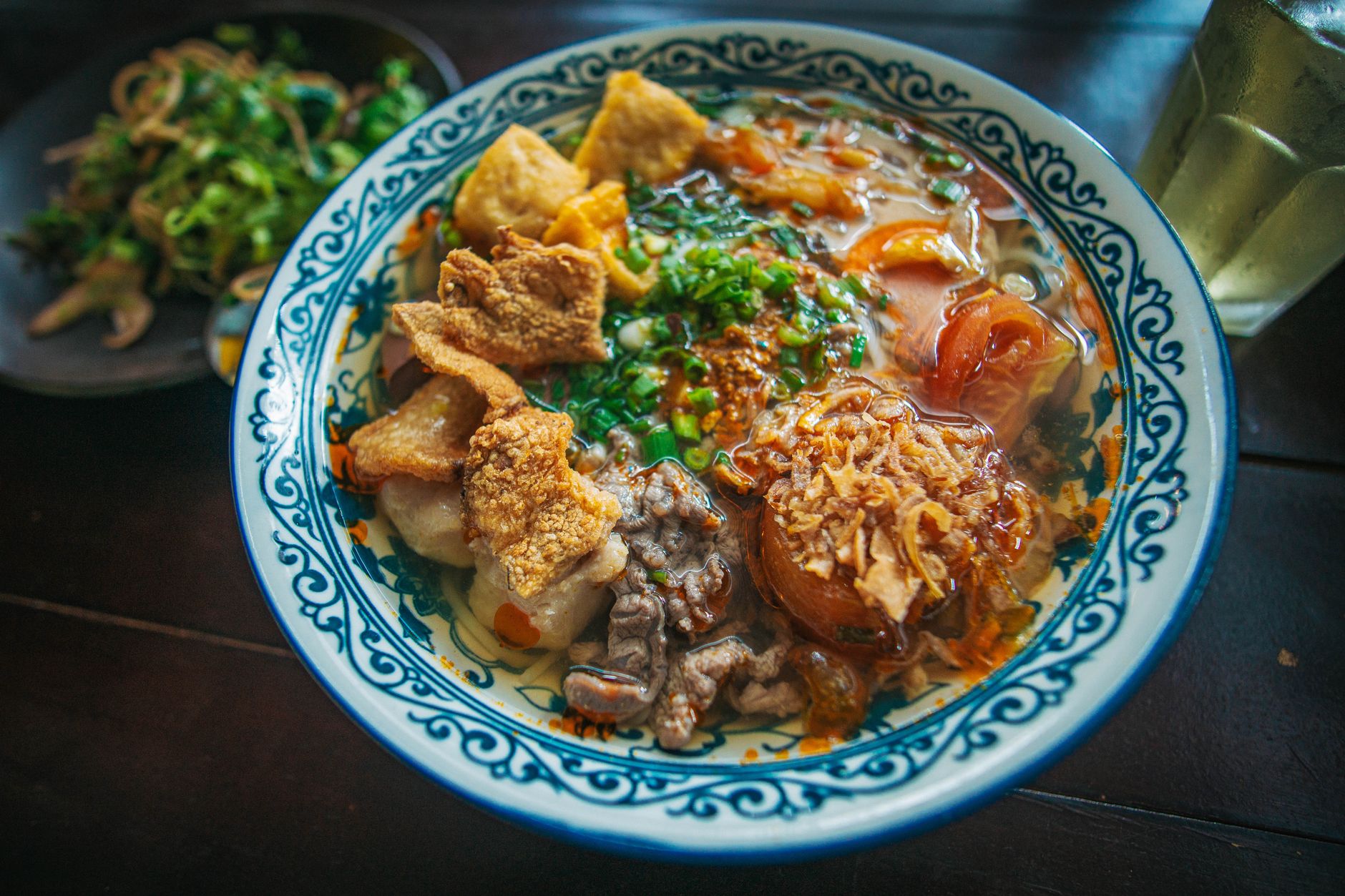
Lunch at one of the streetside shops on Thong Nhat Street, just outside the citadel walls. Try "com tam" (broken rice) with grilled pork or the local "bun hue" — a heavier, more assertive cousin of "bun cha", with beef offal and shrimp paste. Expect 40,000-60,000 VND.
Afternoon: visit the Temple of Literature (Van Mieu), a 17th-century Confucian shrine. It's quieter than Hanoi's Temple of Literature and gives you insight into how education and philosophy shaped the court. The courtyard has old trees and a central pond that dates to the original construction.
Day 2 — Tomb of Tu Duc and Tomb of Khai Dinh
Both tombs are about 8 km south of the city center. You can hire a motorbike taxi for about 100,000 VND for a half-day, or rent a bicycle if you're willing to sweat.
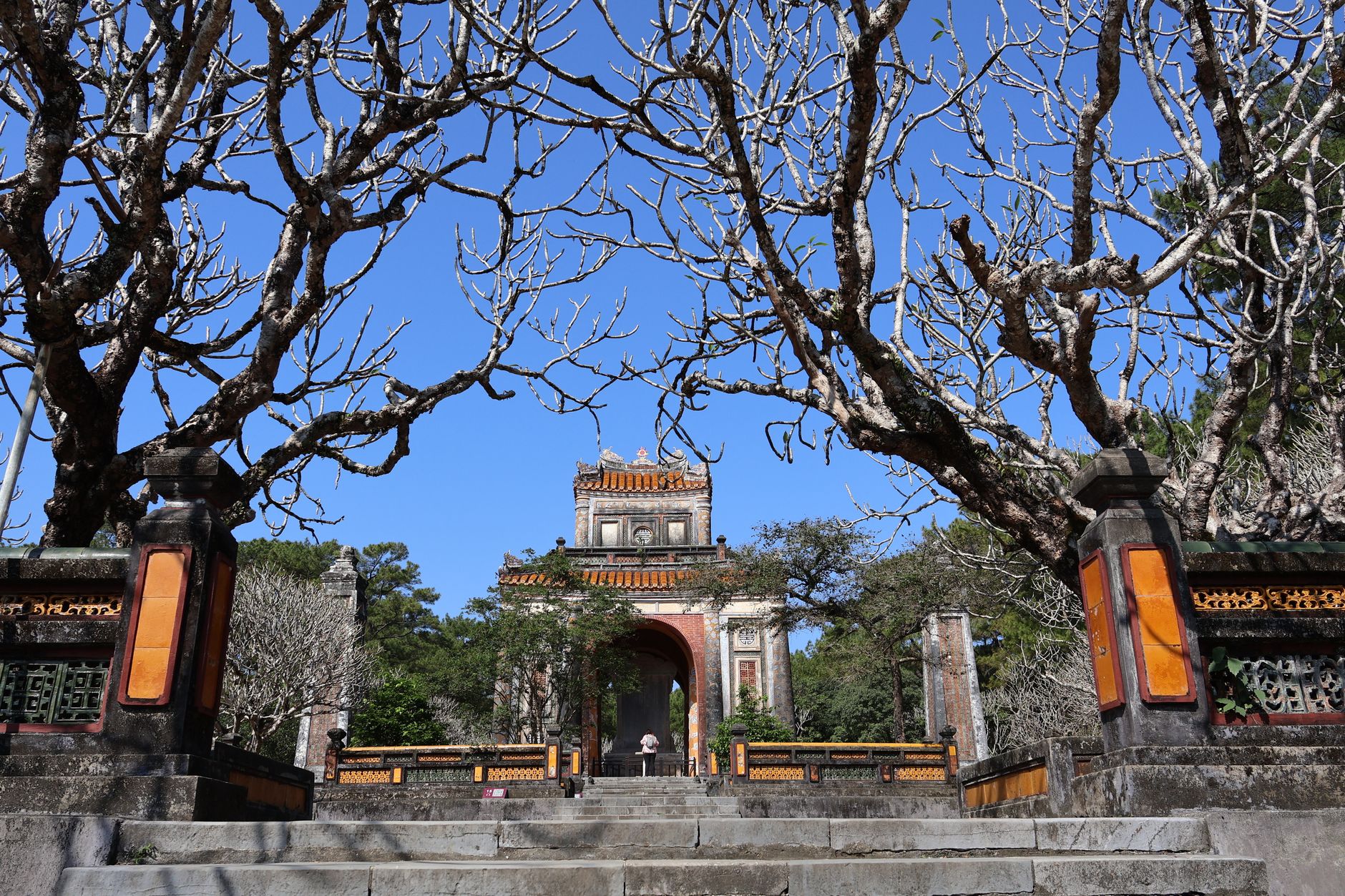
Tomb of Tu Duc (Hoa Khiem): This is the largest and most intact royal mausoleum in Vietnam. Emperor Tu Duc, who reigned 1847–1883, essentially designed his own tomb complex — a 12-hectare estate with courtyards, gardens, temples, and an artificial lake. The main point: Tu Duc was artistic and intellectual, not a warrior king. His tomb reflects that. You'll walk through forested grounds, pass a lotus pond, and reach the central temple where his remains were interred. The quietness is deliberate — Tu Duc wanted a place for meditation, not pomp.
Entry is 150,000 VND. Spend at least 2-3 hours here. Bring water.
Tomb of Khai Dinh (Ung Mausoleum): Built 1920–1931, this is Vietnam's most ornate royal tomb and the closest thing Hue has to art deco architecture. Emperor Khai Dinh was the last major builder before the French colonialized and the monarchy's power collapsed. The tomb is a riot of colored tiles, ceramic dragons, mirrors, and gilt statuary — part Versailles, part pagoda. The main building has a 360-degree tile mural of mountains and cranes. It's gaudy, and that's exactly why it matters: Khai Dinh was trying to show that Vietnam's monarchy could match European opulence. The restoration work is recent and sometimes overzealous, but the intent is clear.
Entry is 150,000 VND. 1.5 hours is enough, but the craftsmanship repays a close look. Bring a small flashlight if you want to see the interior murals without your phone's flash.
Return to Hue by late afternoon. Dinner: find a restaurant on Hung Vuong Street and order grilled fish (ca nuong) or a simple pho. Hue's nightlife is minimal, so eat early.

Photo by Quang Nguyen Vinh on Pexels
Day 3 — Thien Mu Pagoda and the Perfume River
Thien Mu Pagoda is Vietnam's tallest pagoda, built in 1601. The seven-story tower is visible from anywhere along the Perfume River (Song Huong), and it's the symbol of Hue. Get there early (before 8 a.m.) to beat both tourists and the heat.
The pagoda grounds are dense with smaller temples, bell towers, and a monastic garden. Monks live on-site; if you're respectful and quiet, you can watch their morning routines. The main hall has a central Buddha statue and side chapels dedicated to Bodhisattvas. The staircase to the tower is narrow and steep (256 steps), but the view of the river valley justifies it.
Entry is free (donations accepted). Spend 1.5-2 hours.
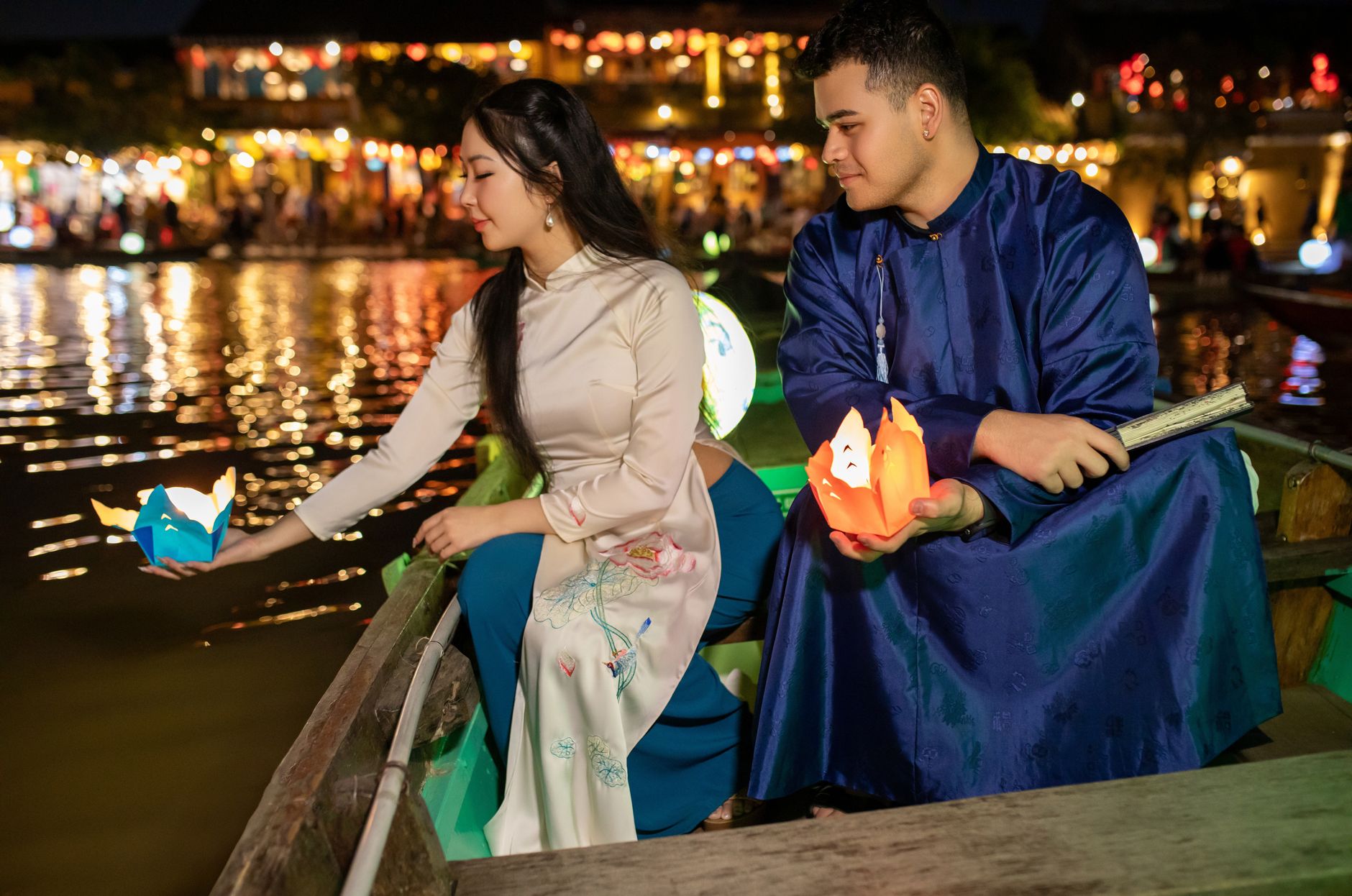
After the pagoda, take a dragon boat tour down the Perfume River. Most hotels arrange these; expect 200,000-300,000 VND per person for a 1-1.5 hour cruise. The boats are long wooden vessels carved like dragons — a Hue tradition. You'll pass the Tomb of Minh Mang (another royal mausoleum, visible from the water) and see fishermen with cormorants, though that practice is now more tourist theater than working fishing.
Lunch on the boat or at one of the riverside restaurants near the dock. Try "hu tieu" (clear pork and shrimp soup) — Hue's street-food version is lighter and more delicate than Saigon's.
Afternoon: visit Dong Ba Market, Hue's central market, right on the river's edge. This isn't a tourist market; it's where locals buy fish, vegetables, spices, and dry goods. The spice section (toward the back) has turmeric, star anise, and other ingredients for Hue's distinctive cuisine. You'll see vendors making "banh hoai"'s famous crepes, which Hue also claims). Wander, take photos (ask permission), and buy a packet of dried shrimp or turmeric as a souvenir. Budget 45 minutes.
Day 4 — Bach Ma National Park Day Trip
Bach Ma National Park sits on the border between Hue and Da Nang, about 40 km south. The drive takes 1-1.5 hours by car (arrange through your hotel; expect 600,000-800,000 VND for the day, including driver). The park is a 37,489-hectare reserve with cloud forests, waterfalls, and a former French hill station.
Entry is 40,000 VND. Most visitors hike to Doi Mong Muoi (Ten Peaks Pass, the highest point at 1,454 meters). The trail is 4 km one-way, takes 2-2.5 hours, and is steep but well-marked. You'll pass through cloud forest, rhododendron groves, and old French colonial bungalows (now ranger stations). The view from the pass looks across the Truong Son Mountains; on clear days, you can see down to both coasts.
Alternatively, hike to Waterfall 5 (Nam Phuong Falls), a 1.5 km walk that ends at a cold, clear pool. The water comes directly from the cloud forest and is refreshing but cold.
Bring plenty of water, a rain jacket (it rains every afternoon here), and insect repellent. Lunch is basic — pack something from Hue or eat at the park's small canteen.
Return to Hue by evening. This day is a break from imperial architecture; the history here is ecological and French colonial, not Vietnamese royal.

Photo by Quang Nguyen Vinh on Pexels
Day 5 — Dragon Boat Sunrise and Departure
If your flight or bus leaves in the afternoon, catch a sunrise dragon boat tour (most hotels can arrange a 6 a.m. departure, 150,000-200,000 VND per person). The river is glassy at dawn, the light is soft, and you'll have it mostly to yourself.
Afterwise, spend the morning in Dong Ba Market again — you may have missed stalls the first visit. Buy "non la" (conical hats) for souvenirs, fresh herbs (mint, cilantro) to smell, and maybe a roll of silk fabric from one of the fabric merchants.
For a final meal, return to a restaurant you liked on Day 1, or try one of the humble pho stalls near Dong Ba. Order a big bowl of "bun rieu" (crab and tomato noodle soup) — it's Hue's soul food.
If you have an evening flight, visit one last small temple or garden you didn't see. Hue rewards lingering; the imperial sites don't change, but the light, the river, and the rhythm of daily life do.
Frequently Asked Questions
How much does it cost to visit Hue's imperial sites over five days?
Most major sites charge 150,000 VND per entry, including the Imperial Citadel, Tomb of Tu Duc, and Tomb of Khai Dinh. Transport between the citadel and the two tombs south of the city runs around 100,000 VND for a half-day motorbike taxi. Budget 40,000-60,000 VND per meal at streetside shops on Thong Nhat Street. Total daily spend on entry fees and food can stay well under 500,000 VND.
What is the difference between the Tomb of Tu Duc and the Tomb of Khai Dinh?
Tu Duc's tomb is a 12-hectare estate built for quiet meditation, with forested grounds, a lotus pond, and restrained imperial architecture — reflecting an artistic emperor who reigned 1847-1883. Khai Dinh's tomb, built 1920-1931, is the opposite: dense with colored tiles, ceramic dragons, mirrors, and gilt statuary, designed to match European opulence as the monarchy's power was collapsing. Both charge 150,000 VND entry and sit about 8 km south of the city center.
When should a first-time visitor arrive in Hue to avoid bad weather?
The article notes the Perfume River valley gets humid and recommends packing a light rain jacket regardless of season. The Imperial Citadel alone requires 3-4 hours on foot, and the two southern tombs add another 3-4 hours of walking — wet conditions make that significantly harder. Arriving earlier in the day also helps: the citadel and both tombs reward slow exploration, and rushing due to afternoon rain or fading light means missing details like the interior murals at Khai Dinh.
Practical notes
Hue is compact enough to navigate without a tour operator, but hiring a local guide (ask at your hotel) for the Imperial Citadel and one tomb makes the history stick. Most guides charge 300,000-500,000 VND for a half-day and speak English. Hue's wet season (September–October) brings high water to the Perfume River; dry season (November–April) is ideal. Book accommodation on Thong Nhat Street or near Dong Ba for walkable access to food and sights.
Last updated · May 29, 2026 · independently researched, never sponsored.