This itinerary trades temples and museums for bowls of "pho", grilled pork, and the regional dishes that define Vietnamese food. You'll move from Hanoi's crowded food stalls to Hue's imperial heritage kitchens to Saigon's cafes and wet markets. Each day builds on the last — by day 7, you'll recognize the regional patterns and know how to order in Vietnamese.
Day 1 — Hanoi: Pho, Egg Coffee, Old Quarter Stalls
Arrive morning or early afternoon. Head straight to the Old Quarter — cramped, loud, perfect.
Start with breakfast "pho (쌀국수 / 越南河粉 / フォー)" if you arrived early; otherwise, lunch at a stall on Hang Manh or Pho Thin. The broth differs by vendor — some use bone (18–24 hours of simmering), others quick-boil beef knuckle. Ask for "pho tai nam" (rare beef and brisket); order "them nem chua" (pickled pork rolls) on the side. Cost: 35,000–50,000 VND. Don't overthink it — eat at the counter, watch locals, move on.
Afternoon: coffee and a nap. Go to Giang Cafe on Hang Gai Street (near Hoan Kiem Lake). Order "ca phe trung" ("egg coffee (에그커피 / 蛋咖啡 / エッグコーヒー)") — a signature Hanoi drink of thick espresso topped with whipped egg yolk and condensed milk. The shop is tiny, no seating; stand at the counter with tourists and businesspeople. Cost: 35,000 VND. Then rest at your hotel.
Dinner: "bun cha" in the south Old Quarter (Hang Than or Au Trieu Street, near the Lake). "Bun cha" is grilled pork patty and pork belly over cold rice noodles, with a sweet dipping sauce. Order "bun cha thit nuong" (grilled pork). Dip the noodles in the sauce, wrap in herbs, eat. Cost: 40,000–60,000 VND. The vibe is loud; tables spill onto the street.
Evening: walk Hoan Kiem Lake perimeter. Eat "banh cuon" (steamed rice-flour rolls with shrimp and pork) from a street vendor near Ngoc Son Temple. Cost: 15,000–20,000 VND per order.
Day 2 — Hanoi: Cha Ca, Bun Rieu, Markets
Breakfast: "banh mi" from Banh Mi 25 (125 Hang Manh Street) or any street cart in the Old Quarter. "Banh mi" is crispy baguette, pate, cold cuts, pickled daikon, cilantro, mayo. Cost: 25,000–35,000 VND. Eat standing up.
Mid-morning: visit Dong Xuan Market (the biggest covered market in Hanoi). Walk the wet-goods section — fish, herbs, vegetables — to see what goes into Vietnamese kitchens. No food purchase necessary; just observe.
Lunch: "cha ca" on Cha Ca Street (one street, entirely devoted to this one dish). "Cha ca" is turmeric-marinated fish, fried and served with fresh herbs, dill, peanuts, and a light sauce. The most famous stall is Cha Ca Ta at the top of the street (established 1958). Order "cha ca" and "banh chuoi chien" (fried banana). Cost: 100,000–150,000 VND. Book ahead if possible; tables fill by 11:30 a.m.
Afternoon: rest or walk to Temple of Literature (a cool-down space with fewer crowds than other pagodas).
Dinner: "bun rieu" (tomato-crab noodle soup) at a stall in the Old Quarter. The broth is tangy from tomato and crab paste; noodles are fine rice vermicelli. Often served with "cha" (fish cake) and "oc" (snails). Cost: 40,000–60,000 VND. Eat at the stall; it's casual.
Night: wander the Hang Buom area (Silk Street) for dessert. Eat "banh cam" (sesame seed balls with mung bean filling) from a bakery cart. Cost: 10,000–15,000 VND.
Day 3 — Travel Day: Hanoi to Hue
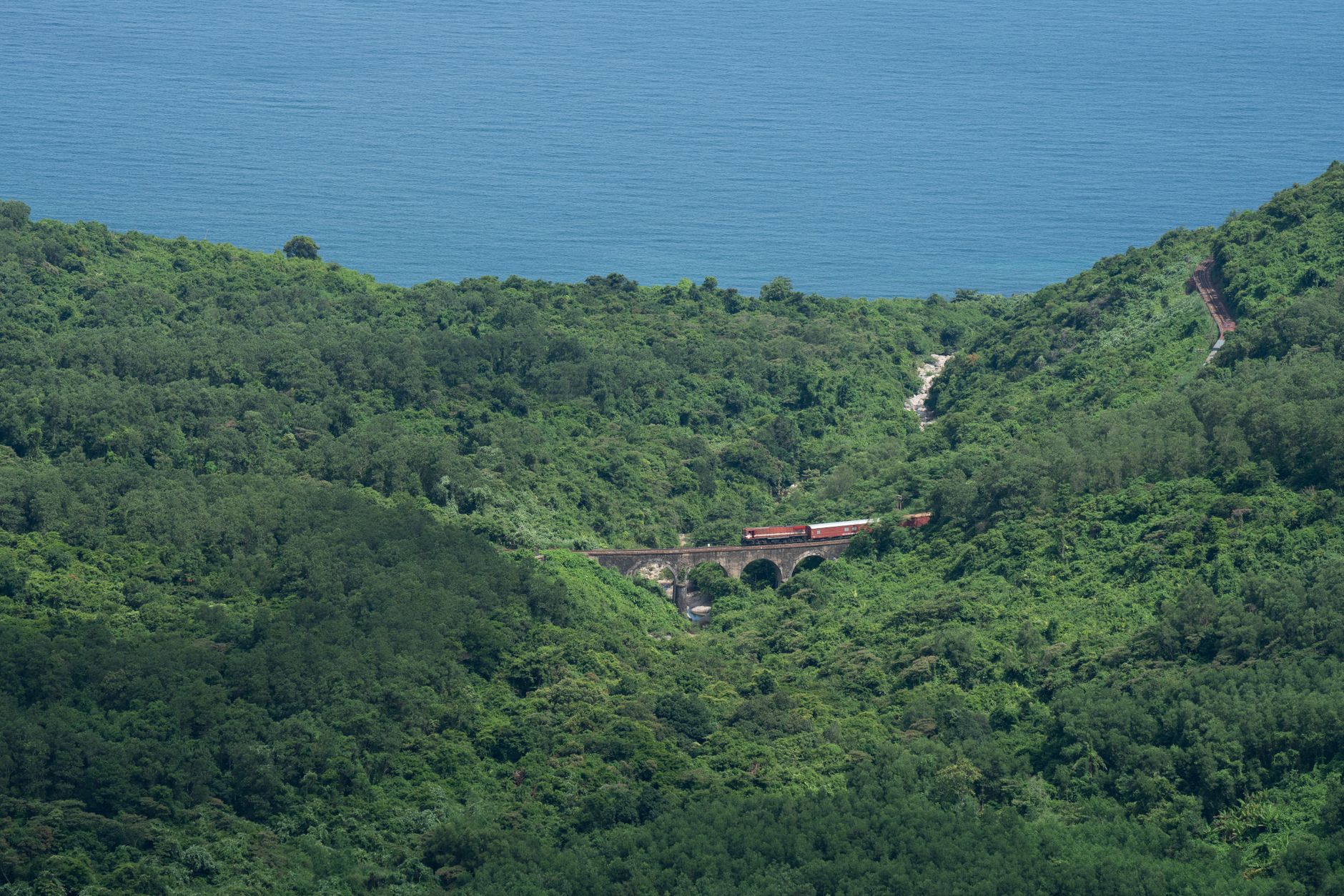
Flight (2 hours) or overnight train (16 hours; depart evening of Day 2 if you prefer). If flying, book the 7–8 a.m. flight to arrive early afternoon.
Lunch in Hanoi before departure: "com tam" (broken-rice) from a stall near your hotel. Broken rice is cheaper rice (the grains that snap during milling); it cooks fluffier than normal rice. Serve with grilled pork chop, fried shallots, pickled vegetables, egg. Cost: 35,000–50,000 VND.
Arrive Hue by mid-afternoon. Check into hotel, rest. Dinner: light meal at a hotel restaurant or street stall near Dong Ba Market. Order "hu tieu" (tapioca-flour noodle soup with pork and shrimp) — a gentler, lighter soup than "bun rieu". Cost: 30,000–45,000 VND.

Photo by Cats Coming on Pexels
Day 4 — Hue: Bun Bo Hue, Tomb of Tu Duc, Imperial City
Breakfast: "bun bo Hue" (spicy beef-noodle soup) at Bun Bo Hue O Ngu (47 Nguyen Sieu Street) or any local stall. "Bun bo Hue" is thicker noodles than pho, spicier broth (chili oil, lemongrass), with beef shank, pork knuckle, and a pork-blood cake. Signature of the imperial city. Cost: 40,000–60,000 VND.
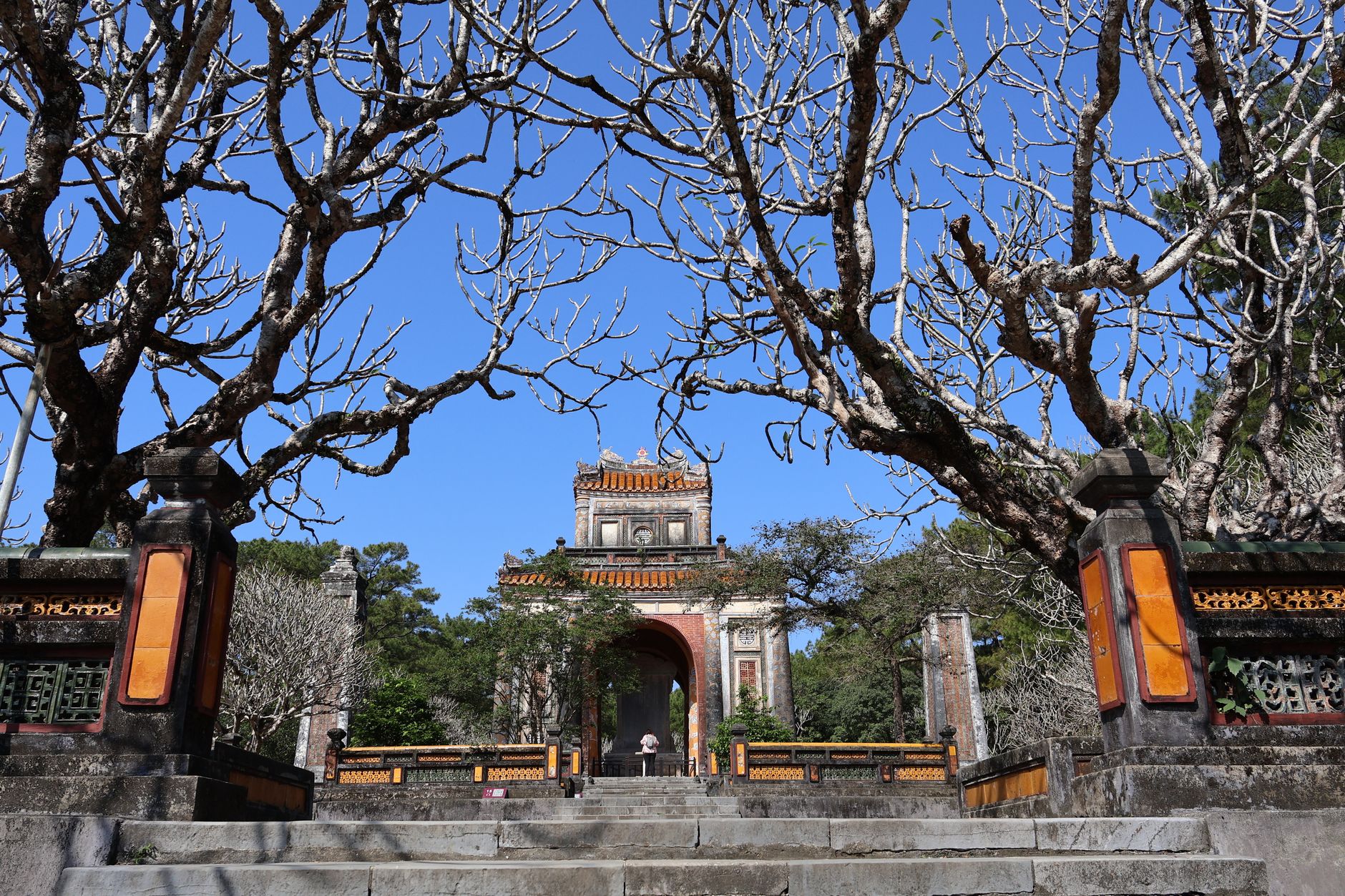
Morning: visit Tomb of Tu Duc (about 7 km south of the city center, 20 minutes by taxi). The tomb is in a wooded compound; the settings are serene. Return by early afternoon.
Lunch: at a restaurant near Dong Ba Market. Try "banh chung" (square sticky-rice cake with pork and mung bean, traditionally for Tet) if available; otherwise, order grilled pork skewers with "ca trai" (a regional green vegetable). Cost: 50,000–70,000 VND.
Afternoon: walk the Hue Citadel (the walled imperial center). Street food stalls line the perimeter; grab "cao lau" if you see it — a Hoi An dish, but sometimes in Hue too. "Cao lau" is chewy noodles, crispy pork belly, greens, and a light broth. Cost: 35,000–50,000 VND.
Dinner: "banh canh" (tapioca-flour pudding cake with pork and shrimp) at a stall near your hotel. It's comforting, thick, not spicy. Cost: 25,000–40,000 VND.
Day 5 — Hoi An: Cao Lau, Banh Mi, Night Market
Travel: Hue to Hoi An by car (about 2.5 hours, 130 km). Book a private driver or join a minibus tour. Depart early morning.
Arrive Hoi An by noon. Lunch: "cao lau" at any stall in the old town (Street 86 or near the Japanese Bridge). This is the Hoi An specialty — chewy noodles, crispy pork belly, fresh greens, and a light sauce. The noodles are made locally with water from a specific well (so the story goes). Cost: 35,000–50,000 VND.
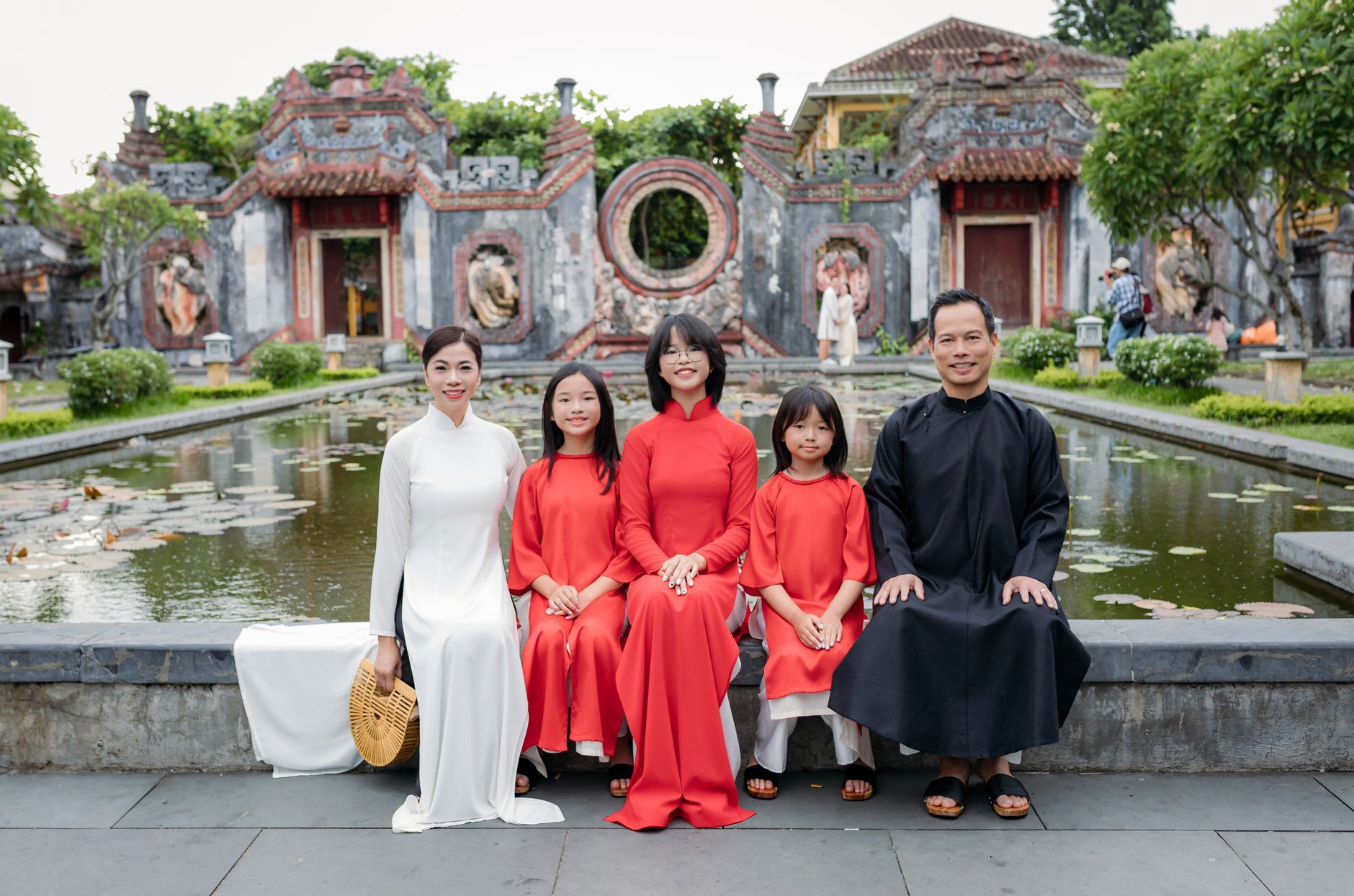
Afternoon: walk the Hoi An old town (narrow streets, wooden shophouses, lantern-lit alleys). The town is compact; you can cover it in 2–3 hours.
Dinner: "banh mi" from Banh Mi Phuong (a famous stall near the Central Market) or any corner vendor. Hoi An's banh mi is similar to Hanoi's but sometimes with a lighter, airier baguette. Cost: 20,000–30,000 VND.
Night: explore the night market on Hoang Van Thu Street. Stalls sell "banh trang nuong" (grilled rice paper with sesame seed), "trang tom" (shrimp on sugar cane), and grilled seafood. Cost: 10,000–30,000 VND per item.
Day 6 — Travel Day: Hoi An to Saigon
Flight (1.5 hours) or car (10 hours). Recommend flying to save time.
Breakfast in Hoi An before departure: "banh canh" from a local stall (silky, comforting, portable if wrapped). Cost: 25,000–40,000 VND.
Depart mid-morning, arrive Saigon by early afternoon. Check in, rest. Dinner: light meal at your hotel or a nearby "pho" stall to ease into the bigger city.
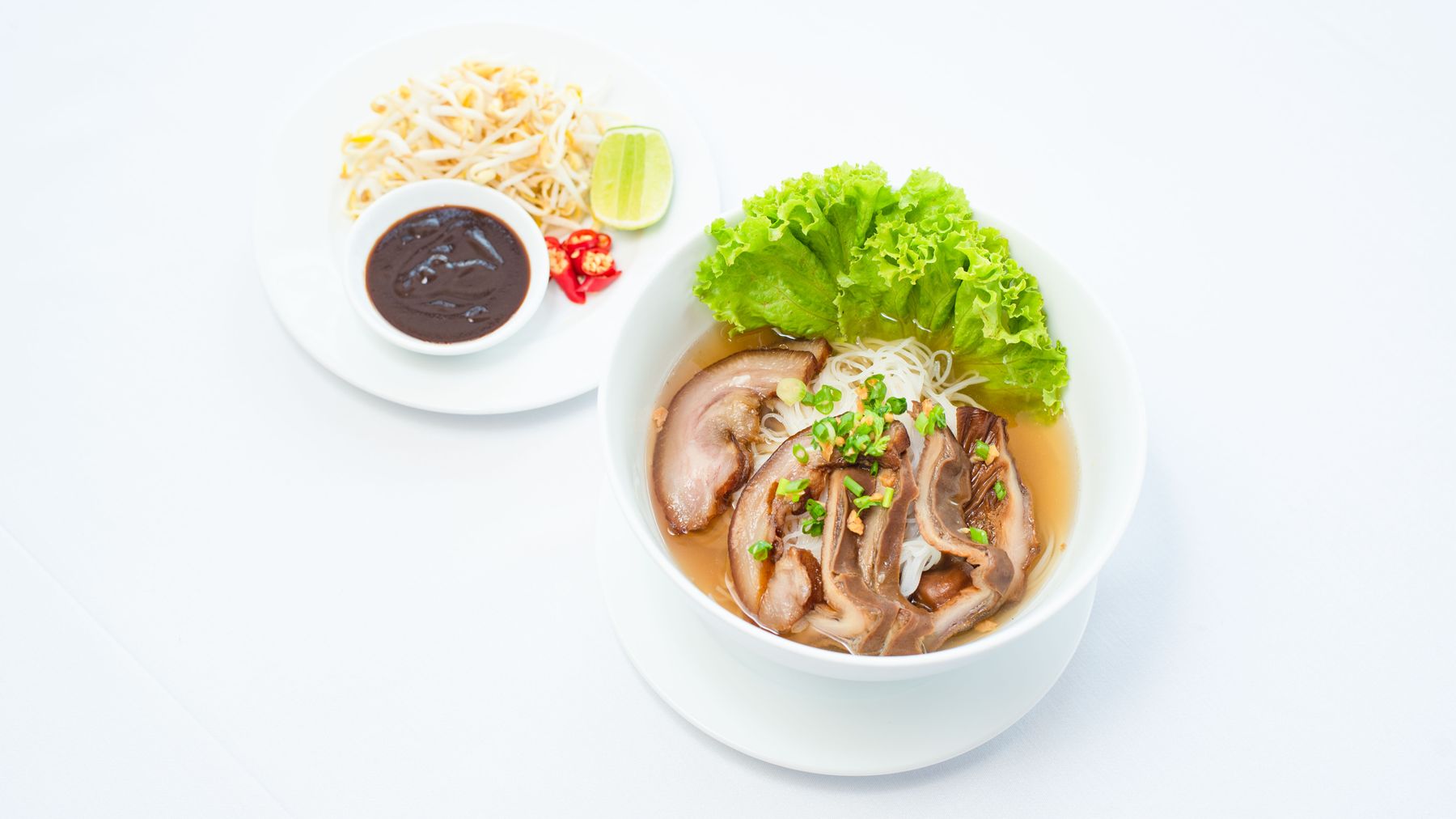
Photo by Sophal R on Pexels
Day 7 — Saigon: Cholon, Com Tam, Street Food
Breakfast: "com tam" from a stall in District 1 or District 3 (both have many). Saigon's broken rice is often served with grilled pork chop, "trung chien" (fried egg), "canh chua" (sour soup), and pickled vegetables. Cost: 35,000–50,000 VND.
Mid-morning: visit Ben Thanh Market (the central market of Saigon, near the tourist zone). Walk the food section and snack on "banh cam" (sesame balls) or "banh hoai" (Hoi An-style shrimp cake, sometimes sold here). Cost: 10,000–20,000 VND.
Lunch: "hu tieu" (tapioca-flour noodle soup) at a stall in Cholon (District 5, the Chinese neighborhood). "Hu tieu" is thinner and more delicate than "bun rieu"; broth is clear, pork-based. Often served with dried shrimp, squid, and quail egg. The most famous place is Hu Tieu Nam Vang, but any Cholon stall will do. Cost: 30,000–50,000 VND.
Afternoon: walk Cholon. Visit Binh Tay Market (the large wet market in Cholon) or Dong Xuan Market's smaller Saigon equivalent. Street vendors sell tropical fruit, dried seafood, and pickled goods.
Dinner: "banh mi" from a stall on Nguyen Hue Street or in District 1. Saigon's banh mi vendors sometimes offer variations — "banh mi thit nuong" (grilled pork), "banh mi dac biet" (special, with extra pate and cold cuts). Cost: 25,000–40,000 VND.
Night: if energy remains, eat dessert "banh flan" (caramel custard cake, Vietnamese style) from a bakery. Cost: 15,000–25,000 VND.
Booking Notes and Reservations
Most street stalls do not take reservations; arrive early (7–8 a.m. for breakfast) or after the lunch rush (2–3 p.m.). The exception is Cha Ca Ta in Hanoi — call ahead or ask your hotel concierge to book a table. Similarly, famous pho houses like Pho Thin and Pho 2000 (the latter a tourist draw) fill quickly at peak times; go early or late.
For sit-down restaurants (especially in Hue and Hoi An), ask your hotel to book the night before. Street food is first-come, first-served.
Budget: street food meals cost 30,000–70,000 VND (USD 1.25–3). A sit-down restaurant meal costs 100,000–200,000 VND. Drinks (coffee, beer) add 10,000–30,000 VND.
Frequently Asked Questions
How much does street food cost for a typical day in Hanoi?
Most Hanoi street meals cost between 15,000 and 60,000 VND. A bowl of pho runs 35,000-50,000 VND, banh mi costs 25,000-35,000 VND, and bun cha goes for 40,000-60,000 VND. Snacks like banh cuon from vendors near Hoan Kiem Lake cost as little as 15,000-20,000 VND per order. The main exception is cha ca on Cha Ca Street, which costs 100,000-150,000 VND per person.
What is egg coffee and where can you try it in Hanoi?
Egg coffee, called ca phe trung, is thick espresso topped with whipped egg yolk and condensed milk. It is a signature Hanoi drink available at Giang Cafe on Hang Gai Street, near Hoan Kiem Lake. The shop is small with counter seating only. A cup costs 35,000 VND. The drink is rich and sweet, closer to a dessert than a standard coffee.
When should you arrive at Cha Ca Street to guarantee a seat for lunch?
Tables at Cha Ca Street fill by 11:30 a.m., so arrive before then or book ahead if possible. The street in Hanoi is dedicated entirely to one dish: turmeric-marinated fish fried and served with fresh dill, herbs, peanuts, and a light sauce. The most established stall is Cha Ca Ta, open since 1958, located at the top of the street.
Practical Notes
This itinerary covers 1,000+ km in 7 days; flights save time and cost. Alternatively, take the overnight train Hanoi–Hue (comfortable, scenic) and fly Saigon home to avoid driving. Eat at the stall, not a tourist-branded restaurant, for authentic flavor and fair price. Bring cash (VND) — many stalls don't take cards. Learn to say "khong cay" (not spicy) if you prefer mild food, and "them nuoc mam" (more fish sauce) if you want more salt.
Last updated · May 29, 2026 · independently researched, never sponsored.