Why Tet changes everything
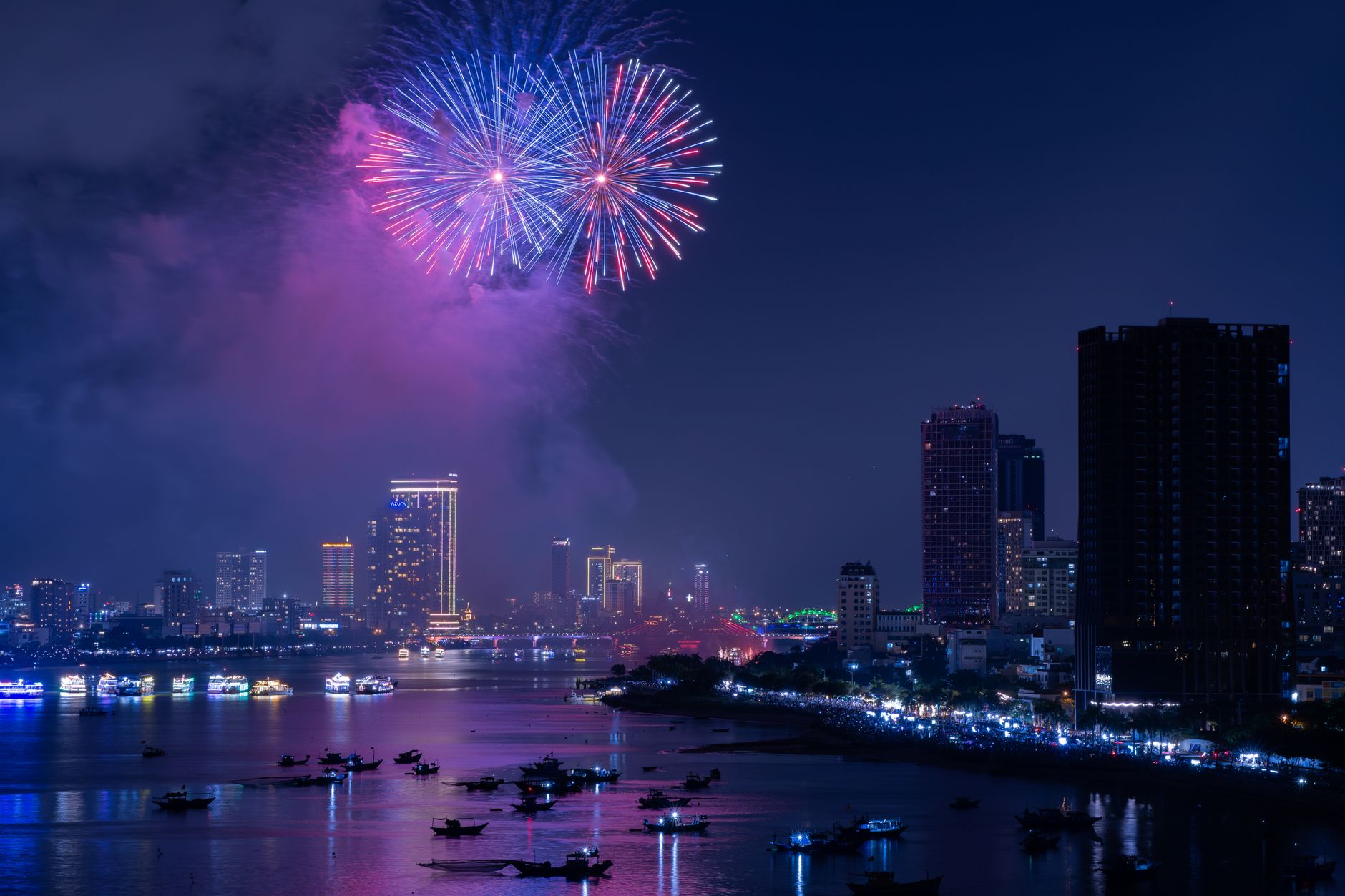
Tet Lunar New Year (late January or early February) transforms Vietnam (베트남 / 越南 / ベトナム). Most businesses close for 3–5 days. Streets empty mid-afternoon. Restaurants serving family meals instead of tourists. Hotel rates spike 30–50%. But if you time it right, you see the country at its most alive—temples packed with worshippers, markets overflowing, fireworks at midnight, and the generational ritual of "banh chung" and "ca tru" music in living rooms across the country.
This itinerary assumes you arrive 1–2 days before Tet (뗏 (베트남 설날) / 越南春节 / テト) Eve (Tet night is when the clock resets). It skips the peak chaos and positions you for temple visits, family-style meals, and street-level celebrations without fighting 10,000 other tourists.
Day 1 — Hanoi arrival, Old Quarter immersion
Morning/afternoon: Arrive at Noi Bai International Airport (32 km north of Hanoi). Take the airport minibus (Hanoi Jezebel or SkyBus, 250,000 VND per person, 45 min) to your hotel in the Old Quarter. A motorbike taxi (GrabBike) will cost 150,000–200,000 VND but takes longer in pre-Tet traffic.
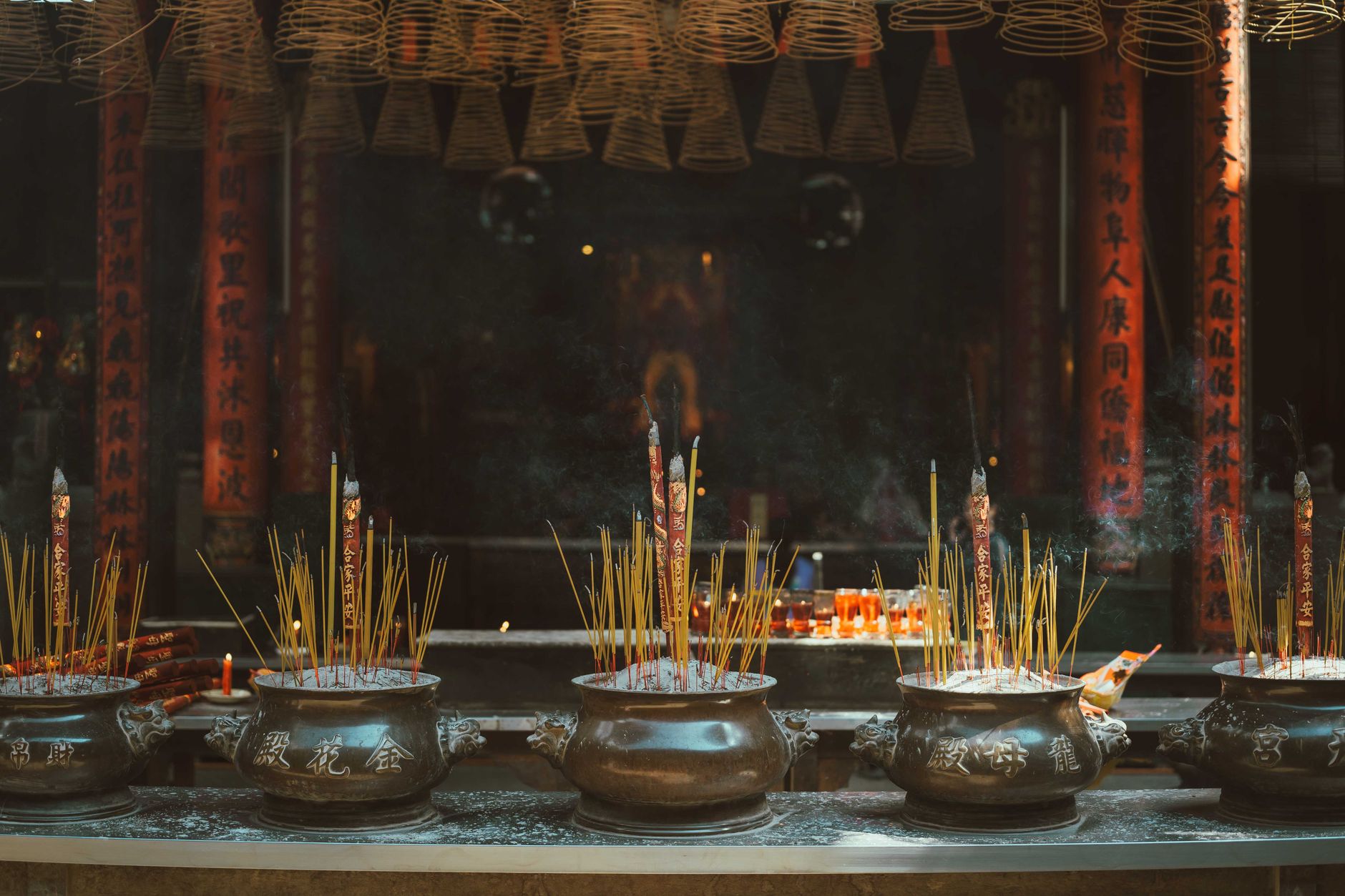
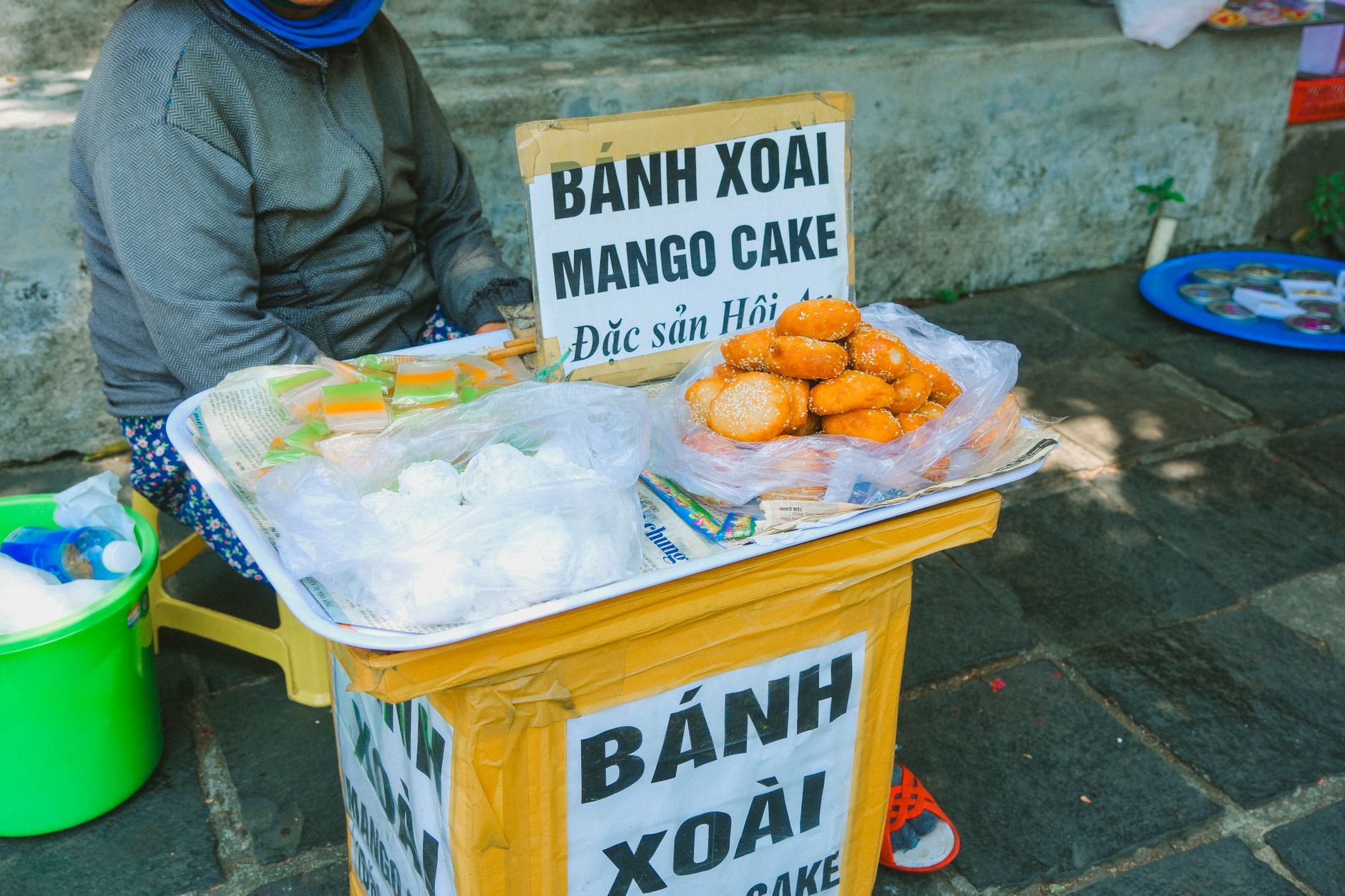
Check in and rest 2–3 hours. The Old Quarter is already decorated: red banners ("Chuc Mung Nam Moi" — Happy New Year) strung across Hang Dao Street, market stalls selling sticky rice cakes ("banh chung"), and incense smoke thickening the air.
Late afternoon: Walk through Dong Xuan Market (the oldest covered market in Hanoi, 1889). This is peak madness—families buying last-minute groceries, flowers, gold leaves for ancestor altars. Expect pushing, noise, and the smell of roasting peanuts. Grab a street "banh mi" from a vendor near the market entrance (35,000 VND).
Evening: Dinner at a family-style restaurant. Avoid tourist traps on Ta Hien Street. Instead, head to Quan Com (near Hoan Kiem Lake), a modest spot serving "com tam" (rice cakes) and grilled pork. Order a table and let locals show you what to eat. Budget 200,000–300,000 VND for two people.
Walk to the Tran Quoc Pagoda at dusk. It's the oldest Buddhist temple in Hanoi (6th century). During Tet, it's packed with worshippers lighting incense and bowing. You won't get inside, but the courtyard energy is worth the walk.
Sleep: Hanoi Old Quarter (budget: $40–70/night for a mid-range room). Hotels spike to $100+ during Tet week; book a week in advance.
Day 2 — Tet Eve temples and street rituals
Morning: Visit the Temple of Literature (Van Mieu), Hanoi's first university (1070). It's quieter than Buddhist temples and open longer on Tet Eve. Adults offer flowers and incense at the altars. Kids run through courtyards. Admission: 30,000 VND.
Midday: Lunch at a "pho" shop near the temple. Pho 2000 (Hang Gai Street) was famously visited by Bill Clinton in 1995; it still serves honest beef pho. A bowl costs 60,000–80,000 VND. Come before 1 p.m.; many shops close by 2 p.m. for Tet.
Afternoon: Walk to One Pillar Pagoda (Mot Cot Pagoda), a 11th-century wooden temple built by Emperor Ly Thai Tong. Its single stone pillar rises from a pond; legend says it grants fertility. Very crowded on Tet Eve, but photogenic.
Evening: Dinner at a hotel or established restaurant with a fixed menu. Street food stalls close by 6 p.m. Try a "goi cuon" (fresh spring roll) restaurant like Pho Cuon at 4 Hang Dao (rolls 25,000 VND each). Then head to Hoan Kiem Lake at 9 p.m. to watch crowds light lanterns and firecrackers. Stay until midnight if you can handle the noise and crowd.
Sleep: Same hotel, Hanoi Old Quarter.

Photo by Hugo Heimendinger on Pexels
Day 3 — Tet morning, then Ha Long Bay day trip
Early morning: Skip sunrise (too crowded). Sleep in, then take a local breakfast: "banh cuon" (steamed pork rolls) or "hu tieu" (clear pork-and-prawn soup) at a street stall. Budget 50,000 VND.
Mid-morning: Take a shuttle bus (Halong Legend or Tuan Chau Island, 300,000 VND return, departing 8:30 a.m. from Hanoi central) to Ha Long Bay. The 2.5-hour drive is scenic—you'll see villages, rice fields, and fewer tourists (many have already left for Tet family visits).
Arrive at the dock by noon. Board a "junk" (traditional wooden boat) for a 4-hour cruise. Most tours include lunch, a cave visit (Sung Sot Cave, stalactites and light shows), and a swimming stop at Titop Beach. Standard rate: 500,000–700,000 VND all-inclusive per person.
Return to Hanoi by 7 p.m.
Dinner: Quick meal near your hotel. Many restaurants remain closed, but 7–11 convenience stores and late-night pho shops (around Hang Gai) are open.
Sleep: Hanoi Old Quarter.
Day 4 — Flight to Saigon, evening street food crawl
Morning: Check out. Take a Grab motorbike to Noi Bai Airport (or airport bus, 250,000 VND). Hanoi is quietest on Tet day (days 1–2 of the lunar calendar), so streets are empty.
Flight: Vietnam Airlines, Vietjet, or Bamboo Airways to Tan Son Nhat International Airport (Saigon). Flight time 2 hours. Cost: 800,000–1,500,000 VND one-way, booked in advance.
Afternoon: Arrive Saigon, check into a hotel in District 1 (downtown). Budget $50–80/night. By Tet day 4, the city is reopening. Markets bustle again. Restaurants prepare for the weekend tourism surge.
Evening: Walk to Ben Thanh Market, Saigon's oldest market (1912). It's open for Tet and packed with locals buying seafood, silks, and souvenirs. Grab a food stall meal: grilled squid (muc nuong), "banh xeo" (sizzling crepes), or satay skewers. Budget 150,000–200,000 VND.
Wander District 1's food alleys (Nguyen Hue, Pasteur Street). Stop at a beer hoi (open-air beer garden) for draft "bia hoi" (3,000–5,000 VND per glass) and "bun cha" (grilled pork with noodles, 50,000 VND).
Sleep: Saigon, District 1.
Day 5 — Saigon day: temples, war history, final meals
Morning: Visit Jade Emperor Pagoda (Phuoc Hai Tu), an ornate Chinese temple in District 5 (Cholon). Built 1909, it's dedicated to the Jade Emperor of Taoism. Locals light incense, pray for good fortune in the new year. Admission: free. Go early (8 a.m.) before crowds.
Midday: Lunch at a "hu tieu" stall in Cholon (District 5). This is the city's Chinese neighborhood; the noodle soup is richer, more complex than northern versions. Bowl: 50,000–80,000 VND.
Afternoon: Visit the War Remnants Museum (neutral, factual presentation of Vietnam-American conflict history and post-war reconstruction). It's open during Tet and less crowded. Admission: 100,000 VND. Allow 2–3 hours.
Alternatively, visit the Ben Thanh Market again, or explore the Bitexco Financial Tower's observation deck (360° city views, 200,000 VND).
Evening: Final dinner at a rooftop restaurant in District 1 (Sky Garden, Saigon Saigon, or Broma). Order "banh canh" (thick tapioca pork soup) or a simple grilled fish. Cost: 300,000–600,000 VND for two people. Toast the Tet season with bia hoi or "ca phe sua da" (iced coffee with sweetened condensed milk).
Night: Depart for airport or stay overnight and leave next morning. Tan Son Nhat is 7 km from District 1 (Grab: 150,000–200,000 VND, 20 min).

Photo by Thien Le Duy on Pexels
Transport summary
- Hanoi to Ha Long Bay: Shuttle bus, 300,000 VND return, 2.5 hours each way. Book via your hotel or online (Halong Legend, Tuan Chau Island).
- Hanoi to Saigon: Flight (Noi Bai to Tan Son Nhat), 800,000–1,500,000 VND, 2 hours. Book 5–7 days in advance for Tet prices.
- In-city transport: Grab motorbike (50,000–100,000 VND per ride), taxi meter (100,000–200,000 VND across central Hanoi/Saigon), or walk.
Costs (per person, mid-range)
- Flights (Hanoi–Saigon return): 1,600,000–3,000,000 VND (depending on origin)
- Hotels (5 nights): 1,000,000–2,000,000 VND ($40–80/night)
- Food (street + restaurant, 5 days): 1,000,000–1,500,000 VND
- Attractions (temples, museums, Ha Long): 800,000–1,200,000 VND
- Total estimate: 4,400,000–7,700,000 VND ($180–320 USD) for 5 days, excluding international flights.
Frequently Asked Questions
How much does it cost to get from Noi Bai Airport into Hanoi?
The airport minibus (Hanoi Jezebel or SkyBus) costs 250,000 VND per person and takes about 45 minutes to reach the Old Quarter. A GrabBike motorbike taxi runs 150,000-200,000 VND but takes longer due to pre-Tet traffic. Noi Bai Airport sits 32 km north of the city. Budget travelers should note that hotel rates in the Old Quarter spike 30-50% during Tet week, so book at least a week ahead.
What temples are worth visiting in Hanoi during Tet?
Three temples appear in this itinerary. Tran Quoc Pagoda, Hanoi's oldest Buddhist temple dating to the 6th century, fills with worshippers lighting incense at dusk. The Temple of Literature (Van Mieu), founded in 1070, stays open longer on Tet Eve and is quieter than Buddhist sites; admission is 30,000 VND. One Pillar Pagoda, an 11th-century structure built by Emperor Ly Thai Tong on a single stone pillar, draws large crowds on Tet Eve.
When do restaurants and street food stalls close during Tet in Hanoi?
Closures happen fast. Street food vendors near Dong Xuan Market wind down by early evening, and many pho shops close by 2 p.m. on Tet Eve. Street stalls generally shut by 6 p.m. the evening before Tet. Most businesses close for 3-5 days once Tet begins. Plan to eat lunch before 1 p.m. and book dinner at an established restaurant with a fixed menu rather than relying on street food.
Practical notes
Book hotels and domestic flights 5–7 days before Tet to avoid sold-out rooms and premium pricing. Many restaurants close days 1–3 of Tet; stick to hotel restaurants, convenience stores, and street food stalls. Temples are open and busy all five days; wear long pants or skirts (respectful dress required). Motorbike rentals are rarely available during Tet week—stick to Grab or taxis. Hanoi streets empty fastest on Tet eve and Tet day; Saigon remains open. If you miss the exact Tet dates, this itinerary still works in late January or early February—just expect fewer crowds and more normal meal hours.
Last updated · May 29, 2026 · independently researched, never sponsored.