The practical reality
Vietnam (베트남 / 越南 / ベトナム) is not a legal safe haven for LGBTQ+ people, but it's also not a hostile destination in the way some countries are. Same-sex relationships are not explicitly illegal, and you won't face police harassment simply for existing as a gay, lesbian, or trans person as a tourist. That said, Vietnamese society remains socially conservative. Public displays of affection between same-sex couples will draw stares—the same way they might in rural areas of many countries. Local LGBTQ+ communities do exist and have spaces, but they tend to be quieter and more private than Western equivalents.
The key: Vietnam is navigable and reasonably safe for LGBTQ+ travelers if you're practical about public-facing behavior and do basic research. Thousands visit each year without incident.
Where LGBTQ+ spaces actually exist
Hanoi and Saigon both have underground but active LGBTQ+ scenes. Bars, clubs, and social groups operate openly enough that locals know where to find them, though they're not always advertised loudly on street signs. Check apps like Hornet or ask in established LGBTQ+ travel forums closer to your trip—recommendations shift seasonally and by word-of-mouth.
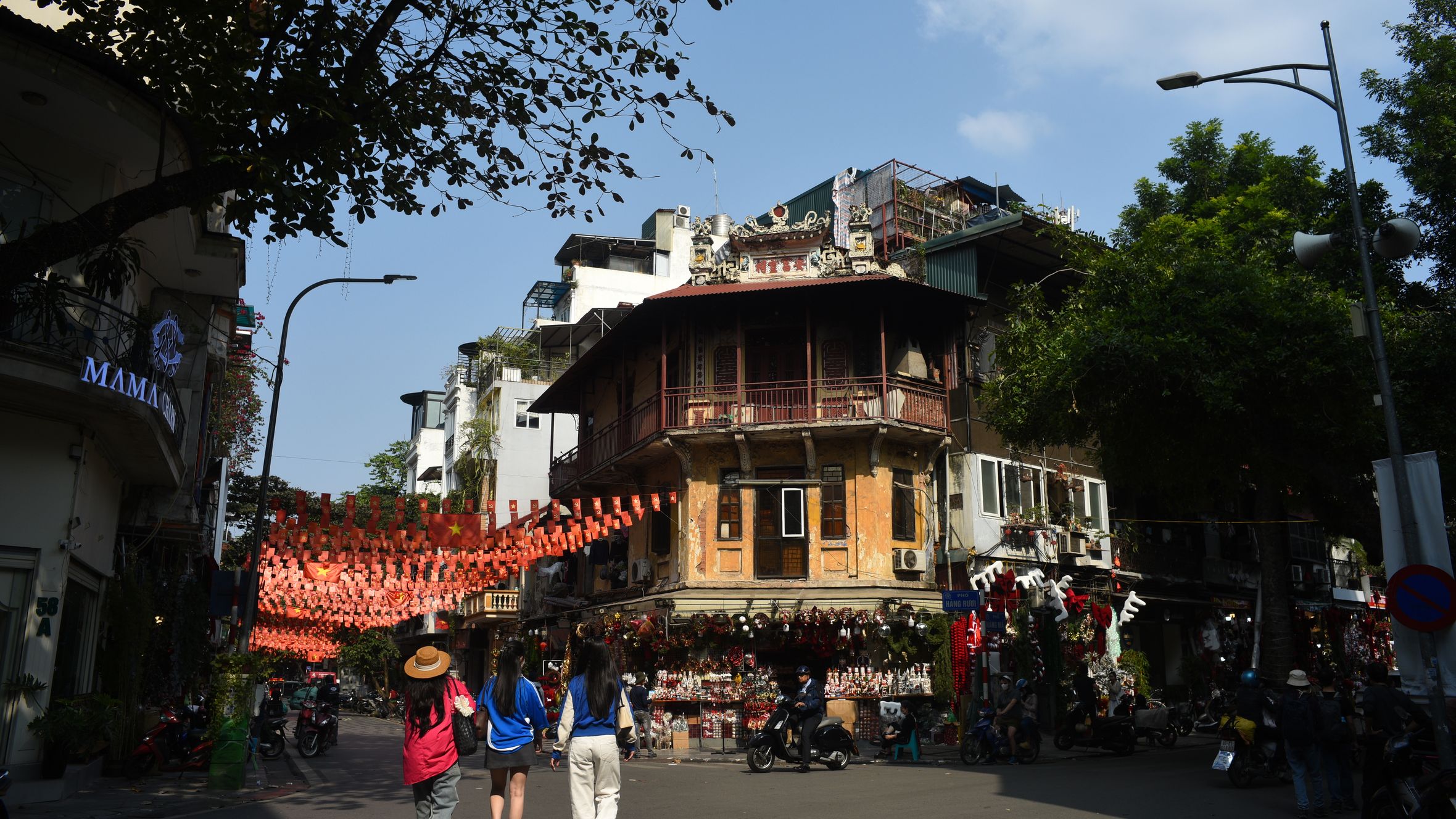
In Hanoi, the Old Quarter and around Hoan Kiem Lake have several gay-friendly bars and clubs. Saigon (사이공 / 西贡 / サイゴン)'s District 1 (Binh Thanh ward) has the highest concentration of LGBTQ+ venues. Both cities also have LGBTQ+-friendly guesthouses and hotels run by or catering to LGBTQ+ travelers.
Outside these two cities—Da Nang, Hue, Hoi An, Sapa, Da Lat—you'll find a much smaller scene. Smaller towns are not hostile, but they are more conservative. Holding hands with a same-sex partner in the street in Da Lat or Hoi An will attract attention. Many travelers choose to keep public affection low-key in these areas, or not worry about it at all depending on their comfort level.
Accommodation: how to find affirming places
Large, international hotel chains (Marriott, Hilton, Accor properties) have non-discrimination policies and are entirely safe. Budget options require more homework.
Use filters on Booking.com, Agoda, and Airbnb that allow you to search for "LGBTQ+ friendly" stays. Read recent reviews carefully—don't rely on self-labeling alone. Look for guesthouses with rainbow imagery or explicitly queer-owned listings. Price for mid-range queer-friendly guesthouses: 25,000–45,000 VND (~$1–2 USD) per night in Hanoi or Saigon; slightly cheaper outside major cities.
Avoid assumptions. A cheap hostel dorm might be perfectly fine, but call ahead and say you're traveling with your same-sex partner—listen to the tone of the response. Most will be accommodating. Some owners (rare) may decline a double room for a same-sex couple; better to find out before you arrive than at check-in.

Photo by Sóc Năng Động on Pexels
Trans and non-binary travelers: specific considerations
Vietnam does not have a legal framework for transgender recognition or identity documents. Visas and tourist identification require matching your passport name and gender marker. Bring your passport with you for all official interactions (hotels must copy your passport for the police register). Do not attempt to change documents while traveling.
Hormone medications are not always easy to access as a tourist. If you're on prescribed HRT, bring a 3+ month supply from home in labeled, original packaging. Bring a copy of your prescription or a doctor's letter stating the medication and dosage. Customs will not block prescribed medications for personal use, but having documentation makes entry smoother.
Public restrooms in Vietnam (especially street-level) are often marked as male or female. Use the one you feel safest in. People rarely police this; Vietnamese public restrooms have individual stalls.
Money: what things cost
Vietnam is cheap. You can eat well for 50,000–100,000 VND (~$2–4 USD) per meal at casual restaurants. A beer at a gay-friendly bar in Hanoi or Saigon: 30,000–60,000 VND (~$1.30–2.50 USD). A night out with drinks in an LGBTQ+ venue: plan 200,000–400,000 VND (~$8–16 USD) for 3–4 drinks and snacks.
Accommodation varies wildly. Dorm beds: 100,000–250,000 VND (~$4–10 USD). Private rooms in gay-friendly guesthouses: 300,000–600,000 VND (~$12–25 USD). Mid-range hotels: 600,000–1,500,000 VND (~$25–60 USD).
Internet and SIM cards are cheap (see local SIM guides for details), and WiFi is available everywhere. Apps like Grab (ride-hailing) work the same way for everyone—no discrimination in pricing or service.
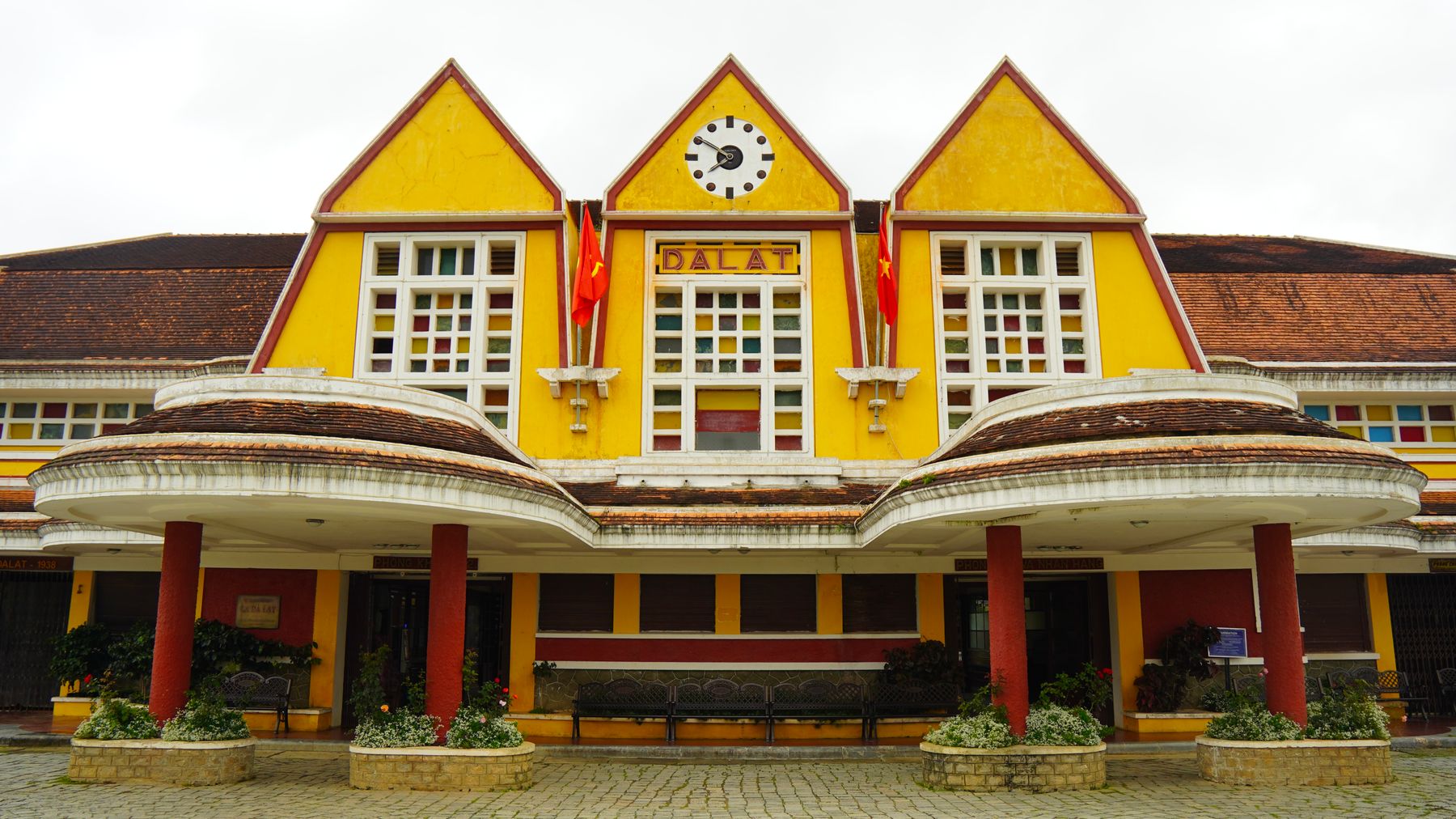
Photo by Tuan Vy on Pexels
Common pitfalls and how to avoid them
Over-sharing on arrival. You don't need to announce your sexuality to a taxi driver or hotel clerk. Keep early interactions simple and professional. Once you're settled, ask locals or other travelers where to connect with LGBTQ+ community if you want to.
Assuming rural = unsafe. Small towns are conservative but not inherently hostile to tourists. People in Sapa or Ninh Binh don't care about two foreign travelers sharing a room. The attention you get is curiosity, not aggression. Still, keep public affection low-key if you're uncomfortable.
Dating apps and hookups. Apps work in Vietnam, but understand that trans women and feminine-presenting men using these apps may face transphobia or fetishization. Be cautious about meeting strangers without telling someone where you're going. Use common sense as you would at home.
Legal documentation. Vietnam does not allow same-sex marriage or civil unions. Your partner is not your legal spouse in Vietnam, even if legally married in your home country. This affects hospital visitation rights and inheritance—carry a medical power of attorney document if you're worried about end-of-life decisions.
Outing yourself by assumption. Not all queer-presenting people in Vietnam identify as LGBTQ+. Gender expression doesn't always map to orientation or identity. Respect Vietnamese people's own language and labels—don't make assumptions about someone's identity based on appearance.
Practical steps before you go
- Register with your embassy or consulate (standard for any traveler, especially useful if you need help in an emergency).
- Bring a copy of your home country's LGBTQ+ legal documentation (marriage certificate, adoption papers, power of attorney) in case you need proof of relationship status.
- Download an offline map and Hornet or Blued (dating/social apps with venue listings) before you leave home.
- Join LGBTQ+ travel Facebook groups or Reddit communities specific to Vietnam—ask questions to people who've gone recently. Conditions and venues change.
- If you're on any medications, get a doctor's letter and bring extra supplies.
Frequently Asked Questions
Is Vietnam safe for LGBTQ+ travelers visiting for the first time?
Vietnam does not criminalize same-sex relationships, and tourists are unlikely to face police harassment simply for being gay, lesbian, or trans. However, Vietnamese society is socially conservative, and public displays of affection between same-sex couples will draw stares, particularly outside major cities. Thousands of LGBTQ+ travelers visit each year without incident. Being practical about public-facing behavior significantly reduces any friction.
Where can LGBTQ+ travelers find bars, clubs, and friendly accommodation in Vietnam?
Hanoi's Old Quarter and area around Hoan Kiem Lake have several gay-friendly bars and clubs. In Saigon, District 1 has the highest concentration of LGBTQ+ venues. Both cities have LGBTQ+-friendly guesthouses, with mid-range options running roughly 25,000-45,000 VND per night. International chains like Marriott, Hilton, and Accor have non-discrimination policies. In smaller cities such as Hoi An, Da Lat, and Da Nang, the scene is much smaller and more conservative.
What should trans travelers know about medications and documents before entering Vietnam?
Vietnam has no legal framework for transgender identity recognition, so visas and hotel check-ins require your passport name and gender marker as-is. Bring your passport for all official interactions. If you take prescribed hormone medications, carry a 3-month or longer supply from home in original labeled packaging, along with a copy of your prescription or a doctor's letter confirming the medication and dosage. HRT is not reliably accessible to tourists.
Practical notes
Vietnam is not a queer paradise, but it's a viable and increasingly accessible destination for LGBTQ+ travelers who go in with eyes open. Hanoi and Saigon have real community and venues. Smaller towns are neutral territory if you're willing to blend in slightly. Be practical about public displays, do your homework on accommodation, and connect with local LGBTQ+ travelers online before arrival. Thousands of LGBTQ+ people travel through Vietnam every year without problems—you can too.
Last updated · May 29, 2026 · independently researched, never sponsored.