Vietnam (베트남 / 越南 / ベトナム)'s vegetarian tradition runs deep, rooted in Buddhist practice and Chinese influence. The word "an chay" (strict vegetarian/vegan) appears on menus nationwide. But there's a catch: fish sauce, shrimp paste, and animal fat lurk in dishes that look plant-based. A plate of stir-fried greens might be cooked in lard. Tofu spring rolls could be fried in the same oil as meat. If you're strict vegan, eating out requires both knowledge and vigilance.
The Hidden Animal Products Problem
Fish sauce ("mam") is the biggest culprit. It's in soups, dipping sauces, stir-fries, even "vegetarian" dishes at non-Buddhist restaurants. When you order, ask explicitly: Khong co mam, khong co dau heo (no fish sauce, no lard). Don't assume the kitchen heard you—check the dish when it arrives.
Shrimp paste ("mam tom") shows up in curries and side dishes. Oyster sauce flavors a lot of greens. Animal stock bases "pho" and broths. Fried items might share oil with meat. Most Vietnamese cooks don't think of these as "animal products"—they're just ingredients, invisible to the untrained eye.
The phrase "an chay" carries moral weight in Vietnamese culture and signals intent. Use it. But pair it with specific negations: no fish sauce, no shrimp paste, no lard, no animal stock. Repeat it twice if needed.
Where to Eat: Buddhist Restaurants
Your safest bet is a Buddhist restaurant ("nha hang an chay"). These operate on lunar calendar days—especially the 1st and 15th of each lunar month, when practicing Buddhists eat vegetarian. On those days, even small temples and community halls serve meals. The food is genuinely plant-based: tofu, mushrooms, mock meat made from soy or wheat gluten, vegetables, rice.
In Hanoi, Saigon, Da Nang, and Hue, permanent "an chay" restaurants exist year-round. They're not trendy spots—often simple, family-run, with formica tables and lunch-rush energy. Prices run 30,000–80,000 VND per meal. Search "nha hang an chay" + your city name on Google Maps.
These places understand vegan needs. They use vegetable-based broths, coconut milk, and avoid fish sauce as a rule. The menu might not speak English, but the concept is universal: point, smile, and you'll eat well.
Markets and Street Stalls
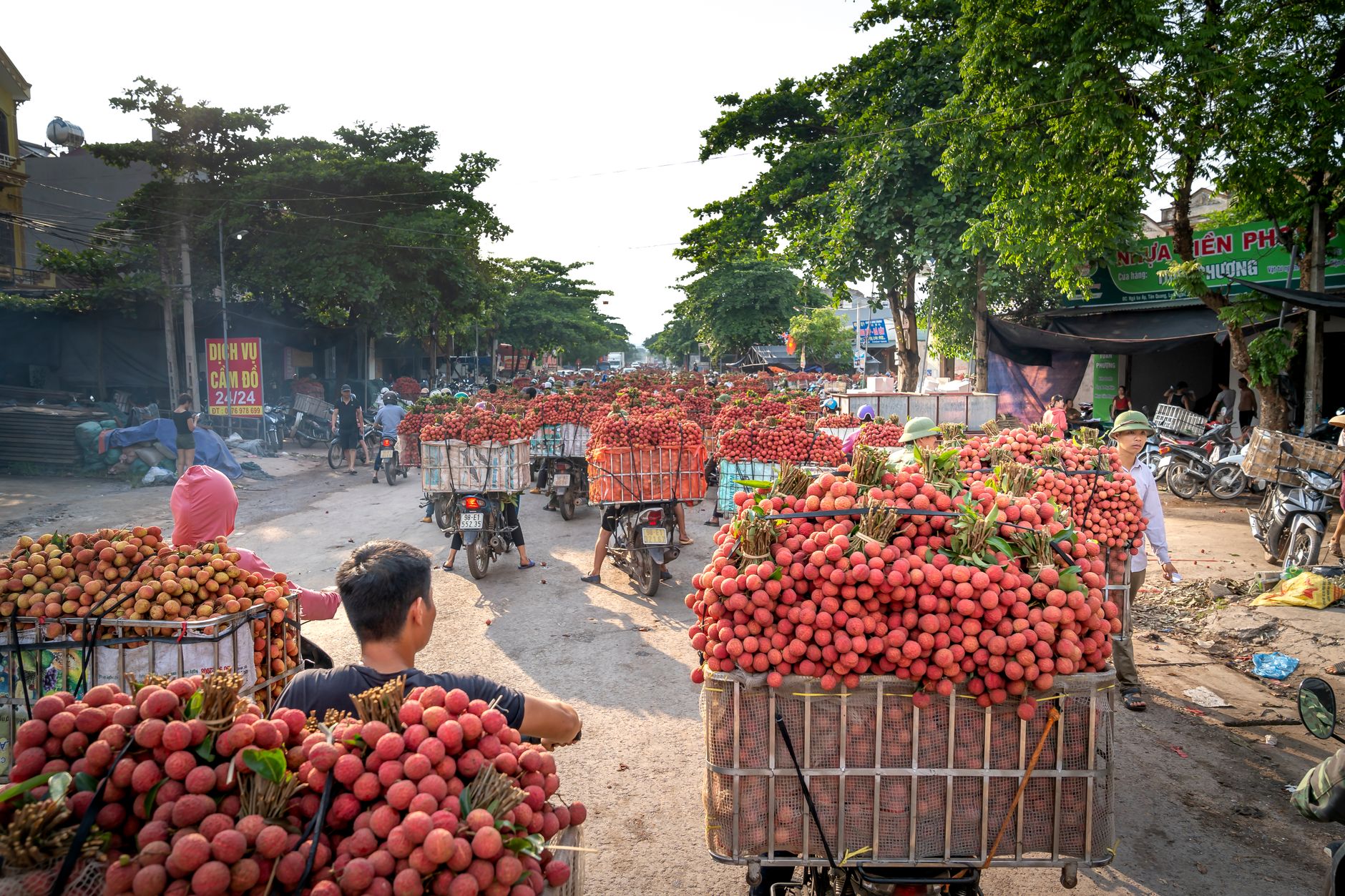
Morning markets ("cho") have dedicated vegetarian sections, especially near Buddhist temples or in neighborhoods with high vegetarian populations. Hanoi's Dong Xuan Market has a "an chay" corner. Saigon (사이공 / 西贡 / サイゴン)'s Ben Thanh Market has vegetable vendors and tofu stalls.
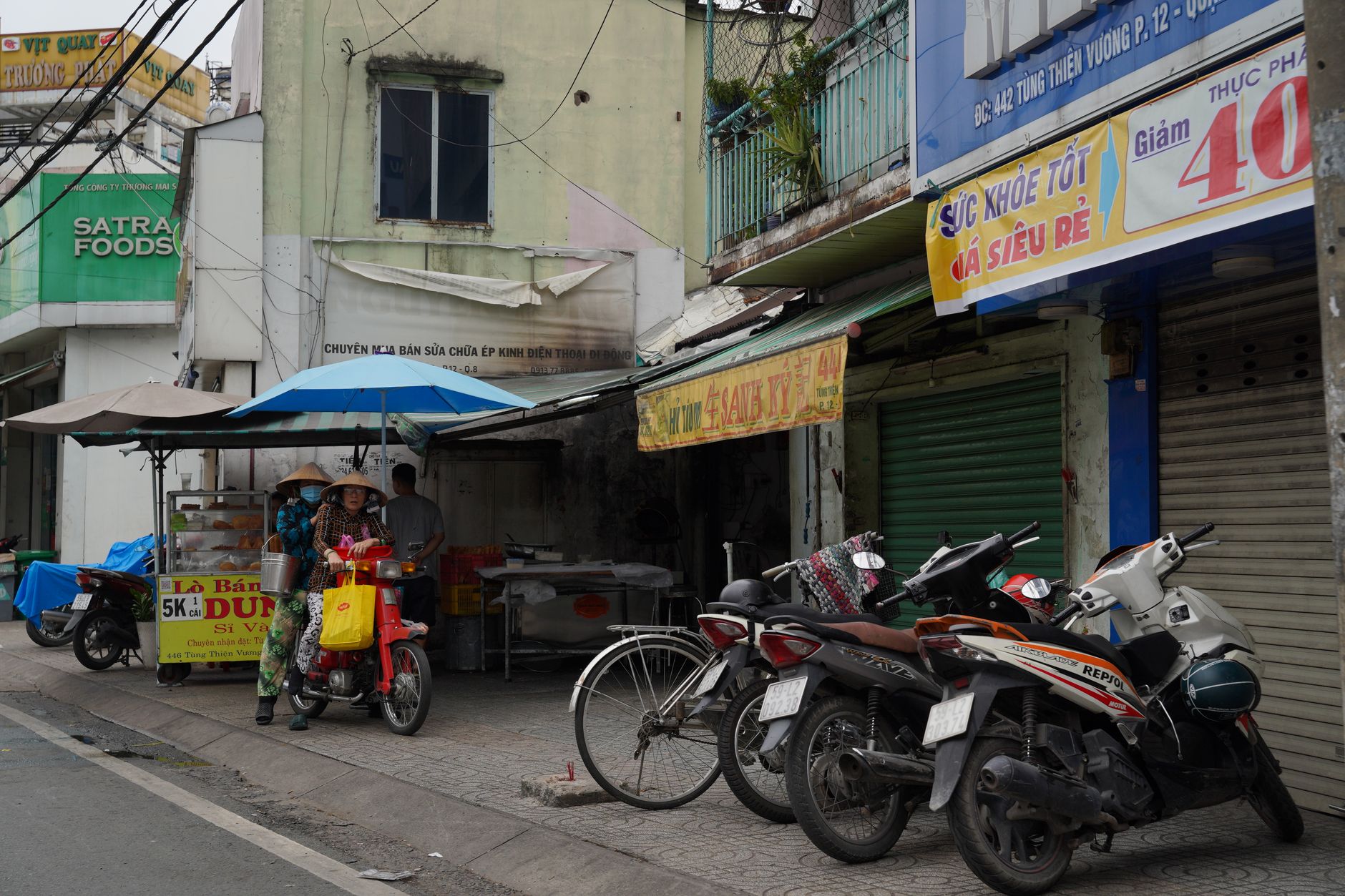
Buy tofu, fresh vegetables, herbs, rice noodles, and coconut milk. Many street stalls sell grilled corn, steamed sweet potato, banh cuon (rice paper rolls with veggies), and goi cuon (fresh spring rolls). Ask vendors to skip the fish sauce in dipping sauce.
For breakfast, stick to: sticky rice with mango (if in season), pho made with vegetable broth (rare, but ask), banh mi with only vegetables and tofu, or com tam (broken-rice porridge) with greens.

Photo by Thành Văn Đình on Pexels
Apps and Online Tools
HappyCow is the global vegan-restaurant finder and works in Vietnam's major cities. It maps vegan and vegan-friendly spots, user reviews, and photo galleries. Download the app before you arrive—it works offline if you pre-cache the city.
FatSecret and MyFitnessPal have databases of Vietnamese dishes and their ingredients (though Vietnamese-language labels can be spotty). Local Facebook groups like "Vegetarians & Vegans in Vietnam" connect travelers and locals, share restaurant tips, and warn about pitfalls.
Ordering Strategy: What Actually Works
Step 1: Choose a Buddhist restaurant or a busy market stall. Avoid random street-food carts unless a local guides you.
Step 2: Order a straightforward dish: grilled vegetables, tofu stir-fry, vegetable spring rolls, rice with steamed greens. Say "an chay" first. Then specify: "khong co mam, khong co dau heo, khong co dau ca" (no fish sauce, no lard, no animal fat).
Step 3: If the menu lists a dish as "an chay," ask how it's cooked. Is the stir-fry done in vegetable oil or lard? Is the sauce made with fish sauce or soy?
Step 4: When the food arrives, smell it. Fish sauce has a pungent, unmistakable aroma. If it smells off, send it back.
Step 5: Ask for dipping sauce options. Soy sauce, chili, lime, and salt are vegan. Fish sauce is not.
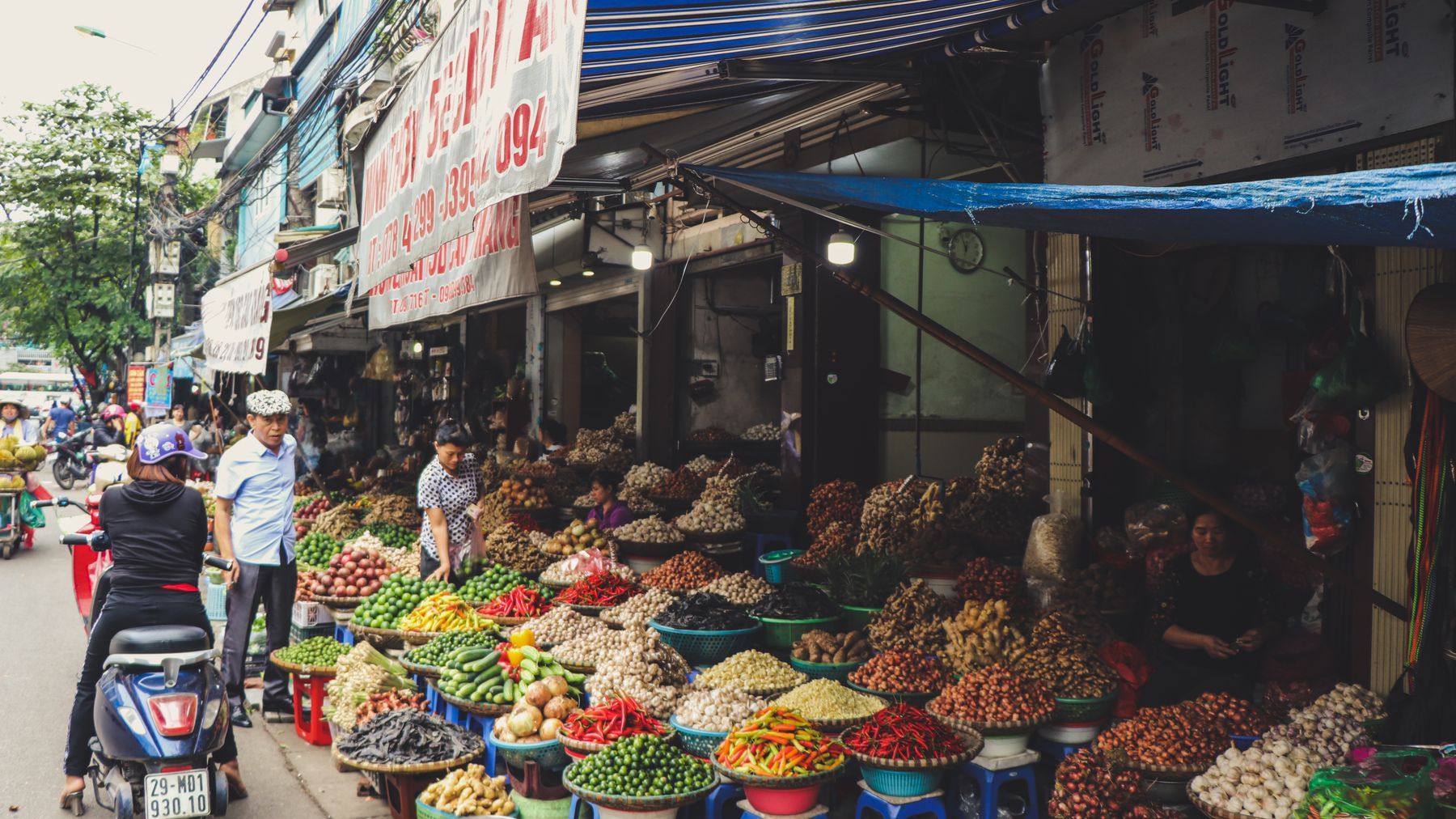
Photo by Hugo Heimendinger on Pexels
City-by-City Notes
Hanoi: The Old Quarter has temples with vegetarian restaurants on Lunar New Year. Hang Manh Street near Tran Quoc Pagoda has a small vegetarian community. Buddhist vegetarian stalls set up during Tet and Buddhist holidays.
Saigon: More cosmopolitan, more vegan-aware restaurants in Districts 1, 3, and Binh Thanh. Ben Thanh Market's vegetarian section is extensive. Several dedicated "an chay" restaurants near major temples.
Da Nang: Smaller city, fewer vegan spots. Beaches have tourist-friendly restaurants where you can negotiate plant-based meals. Buddhist temples usually offer vegetarian food on holy days.
Hue: Historic royal city with strong vegetarian Buddhist tradition. Temples serve lunch to visitors on lunar holy days. Several "an chay" restaurants near Perfume River.
Phu Quoc, Hoi An, Da Lat: Beach and mountain towns. Markets have vegetable sections. Tourist restaurants are more flexible with dietary requests. Less fish sauce reliance than big cities.
Practical Phrases
- An chay = strict vegetarian/vegan
- Khong co thit = no meat
- Khong co mam = no fish sauce
- Khong co dau heo = no lard/pork fat
- Khong co dau ca = no fish-based oils
- Khong co trung = no eggs
- Khong co sua = no dairy
- Chay tuyetdoi = absolutely vegan (most explicit)
Write these on your phone, show them to vendors. It removes ambiguity.
Frequently Asked Questions
How do I avoid hidden animal products in Vietnamese vegetarian dishes?
Fish sauce ("mam") is the most common culprit, appearing in soups, stir-fries, and dipping sauces even at restaurants serving seemingly plant-based food. Shrimp paste, oyster sauce, lard, and animal stock are also routine ingredients. When ordering, say "Khong co mam, khong co dau heo" (no fish sauce, no lard) and add specific negations for shrimp paste and animal stock. Repeat the request and check the dish when it arrives.
What type of restaurant is safest for strict vegans in Vietnam?
Buddhist restaurants ("nha hang an chay") are the most reliable option. They use vegetable-based broths, coconut milk, and avoid fish sauce by default. Menus typically feature tofu, mushrooms, vegetables, and mock meat made from soy or wheat gluten. Meals cost 30,000-80,000 VND. They operate in Hanoi, Saigon, Da Nang, and Hue year-round. Search "nha hang an chay" plus your city name on Google Maps to find nearby options.
When are Buddhist vegetarian restaurants busiest and easiest to find food?
Buddhist restaurants see peak activity on the 1st and 15th days of each lunar month, when practicing Buddhists observe vegetarian eating. On those days, temples and community halls also serve plant-based meals beyond dedicated restaurants. If your travel dates align with these lunar calendar days, you will have significantly more options, including informal community meals that are not available the rest of the month.
Bottom Line
Vegetarian and vegan eating is possible in Vietnam—the culture has roots in Buddhist practice—but it requires communication. Fish sauce and lard are invisible to most cooks; you have to ask, specifically and repeatedly. Buddhist restaurants and markets are your safest bets. Use HappyCow, learn key phrases, and don't assume a dish is vegan just because it looks plant-based. With those tools, you'll eat well and stay committed to your diet.
Last updated · May 29, 2026 · independently researched, never sponsored.