
What it is
Bao Tang Ca Phe — the World Coffee Museum — opened in 2018 in Buon Ma Thuot, the capital of Dak Lak province and the self-proclaimed coffee capital of Vietnam (베트남 / 越南 / ベトナム). The museum sits on a 20,000 sq m campus on Nguyen Dinh Chieu Street, about 2 km from the city center. It's the only museum in Southeast Asia dedicated entirely to coffee culture, housing over 10,000 artifacts from more than 30 countries.
The collection spans everything from ancient Ethiopian brewing tools to French colonial-era roasting equipment to the heavy metal machines used in Vietnam's robusta processing today. The building itself — a modernist structure with exposed laterite stone and wooden beams — was designed to echo the longhouse architecture of the Ede ethnic minority, who have lived in the Central Highlands (중부 고원 / 中部高原 / 中部高原) for centuries.
Why travelers go
Most visitors to Dak Lak are here for coffee anyway — plantation tours, cupping sessions, the annual coffee festival in March. The museum gives context to all of it. You'll understand why Vietnam became the world's second-largest coffee producer, how robusta differs from arabica at the processing level, and what the local Ede and M'Nong communities contributed to highland agriculture long before the French planted the first coffee trees here in the 1850s.
It's also just a pleasant place to spend a morning. The grounds include a garden with coffee varietals labeled by origin, a cupping room where you can taste five or six single-origin Vietnamese coffees side by side, and a shop selling beans from small Dak Lak producers at 80,000–150,000 VND per 250g bag — cheaper than Saigon boutique roasters by a wide margin.
For anyone who drinks vietnamese coffee daily (and if you're in Vietnam, you probably do), this is the backstory.
Best time to visit
Dak Lak has two seasons: dry (November–April) and wet (May–October). The dry season is more comfortable for travel, with clear skies and temperatures around 22–28°C. Coffee harvest runs from roughly November to February — visit then and you'll see the red cherries drying on tarps along every road in the province.
The museum itself is open year-round, Tuesday to Sunday, 7:30–17:00. It closes Mondays. The coffee festival (held every other March in even years) brings crowds but also extra programming at the museum — live roasting demos, barista competitions, Ede gong music performances.
How to get there
Buon Ma Thuot has a domestic airport (BMV) with daily flights from Saigon (1 hour, 800,000–1,500,000 VND) and Hanoi (1 hour 45 minutes). From Da Nang, there's no direct flight — you'd connect through Saigon or take the bus.
Overland from Nha Trang: 190 km west on QL26, about 4–5 hours by bus (Phuong Trang runs this route, ~150,000 VND). From Da Lat: 200 km north on QL27, roughly the same travel time.
Once in Buon Ma Thuot, the museum is a 10-minute taxi or Grab ride from the center. Expect to pay 25,000–40,000 VND.

Photo by Nay Sa Muel on Pexels
What to do inside
The exhibition halls
Three main halls cover global coffee history, Vietnamese coffee culture, and brewing methods worldwide. The Vietnamese hall is the strongest — it traces the journey from French colonial plantations through the post-1975 collectivization period to the explosion of smallholder farms in the 1990s that made Dak Lak a robusta powerhouse. There's a full-scale replica of a traditional Ede longhouse with a coffee preparation area inside.
Cupping and tasting
The on-site cafe offers guided tastings (50,000 VND for a flight of five cups). The staff walks you through robusta, arabica, and "ca phe chon" (weasel coffee) — the last one controversial for animal welfare reasons, but the museum presents it as cultural history rather than a sales pitch. You can also get a standard "ca phe sua da" for 25,000 VND.
The garden
A 15-minute loop through labeled coffee plants, pepper vines, and cacao trees. Useful if you're heading to a plantation tour afterward — you'll already know what you're looking at.
Admission to the museum is 60,000 VND for adults (as of 2024). Allow 2–3 hours for everything including tasting.
Where to eat nearby
Buon Ma Thuot's food scene leans toward Central Highland specialties. Within 2 km of the museum:
- Com Tam Ba Ghien (Ly Thuong Kiet Street): broken rice with grilled pork — a southern classic that migrated up with settlers. Plates run 35,000–50,000 VND. The com tam here uses a charcoal grill you can smell from the street.
- Bun Do stalls near Thanh Lich roundabout: a local vermicelli soup with fermented rice, tangy and specific to Dak Lak. Around 30,000 VND.
- Quan Nem Nuong Thanh Tam (Phan Chu Trinh Street): grilled pork sausage wraps with rice paper and herbs — 60,000 VND per set, enough for two.
For coffee (obviously): try Arul Coffee on Ba Trieu Street, a local roaster with a quiet garden setup and single-origin pour-over for 35,000 VND.
Where to stay
Buon Ma Thuot isn't a tourist hub, so accommodation skews toward business hotels and budget guesthouses.
- Hai Ba Trung Hotel (central, 400,000–600,000 VND/night): clean, air-conditioned, nothing fancy. Walking distance to the night market.
- Muong Thanh Buon Ma Thuot (800,000–1,200,000 VND/night): the most comfortable option in town. Pool, breakfast buffet, reliable Wi-Fi.
- Homestays near Lak Lake (30 km south): if you're combining the museum with a lake visit, Ede stilt-house homestays run 200,000–350,000 VND per person including dinner.
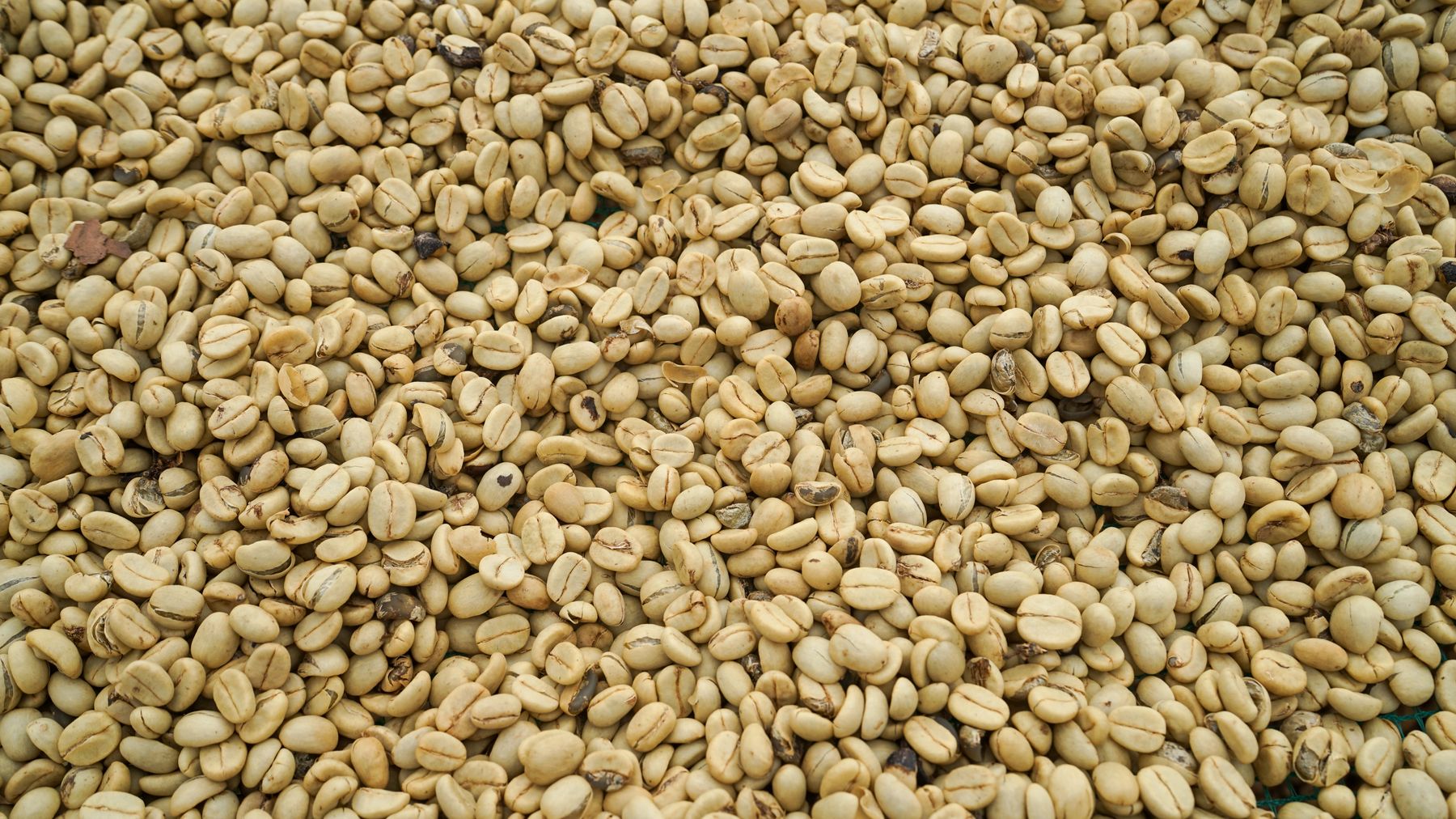
Photo by 1500m Coffee on Pexels
Practical tips
- Bring cash. The museum and most nearby restaurants don't accept cards.
- Combine with a plantation visit — most are 15–30 km outside town and can be arranged through your hotel for 300,000–500,000 VND including transport and a guide.
- The museum has English signage throughout, but the guided tour (available by request) is Vietnamese-only. Google Translate's camera mode works decently on the plaques.
- If you're arriving from Da Lat or Nha Trang by bus, book a morning departure — afternoon buses on QL26 sometimes hit delays from road construction in the mountain passes.
Common mistakes
- Skipping Buon Ma Thuot entirely. Most travelers pass through the Central Highlands without stopping. Dak Lak rewards a two-night stay — the museum, a plantation, Lak Lake, and Dray Nur waterfall make a solid itinerary.
- Visiting on Monday. The museum is closed. The coffee shops aren't, but you'll miss the main attraction.
- Expecting Hoi An-level tourist infrastructure. This isn't a polished destination. English is limited, signage is sparse outside the museum, and you'll need Grab or a rented motorbike to get around comfortably.
- Buying "weasel coffee" from roadside vendors. Most of it is fake or from caged civets. If you want ethically sourced beans, ask at the museum shop — they stock verified producers.
Final note
Bao Tang Ca Phe won't change your life, but it will change how you drink your next cup. For anyone spending time in the Central Highlands — or anyone who's been drinking ca phe sua da every morning and wants to know where it actually comes from — it's a worthwhile half-day stop in a town that deserves more attention than it gets.
Last updated · May 29, 2026 · independently researched, never sponsored.







