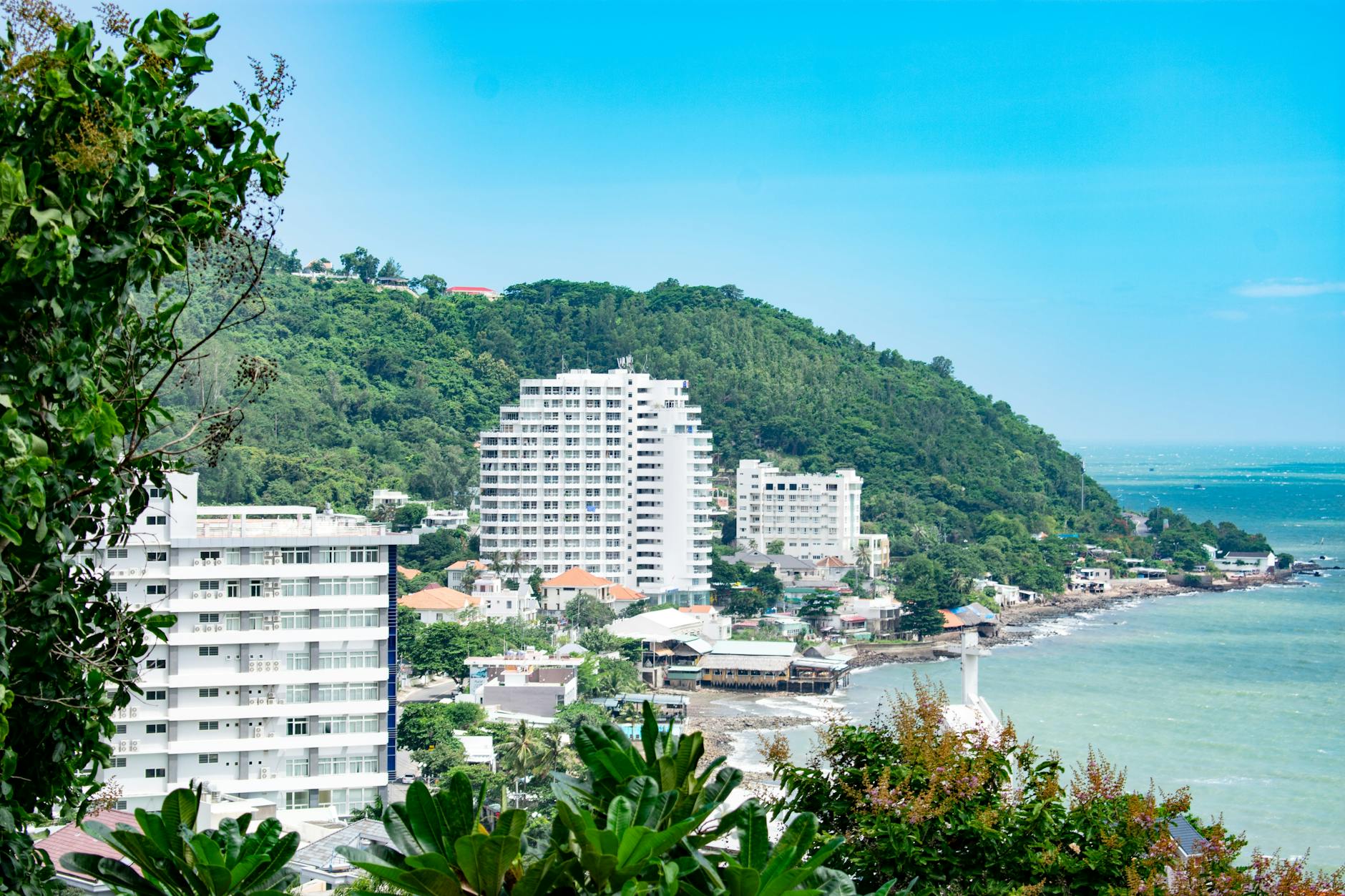
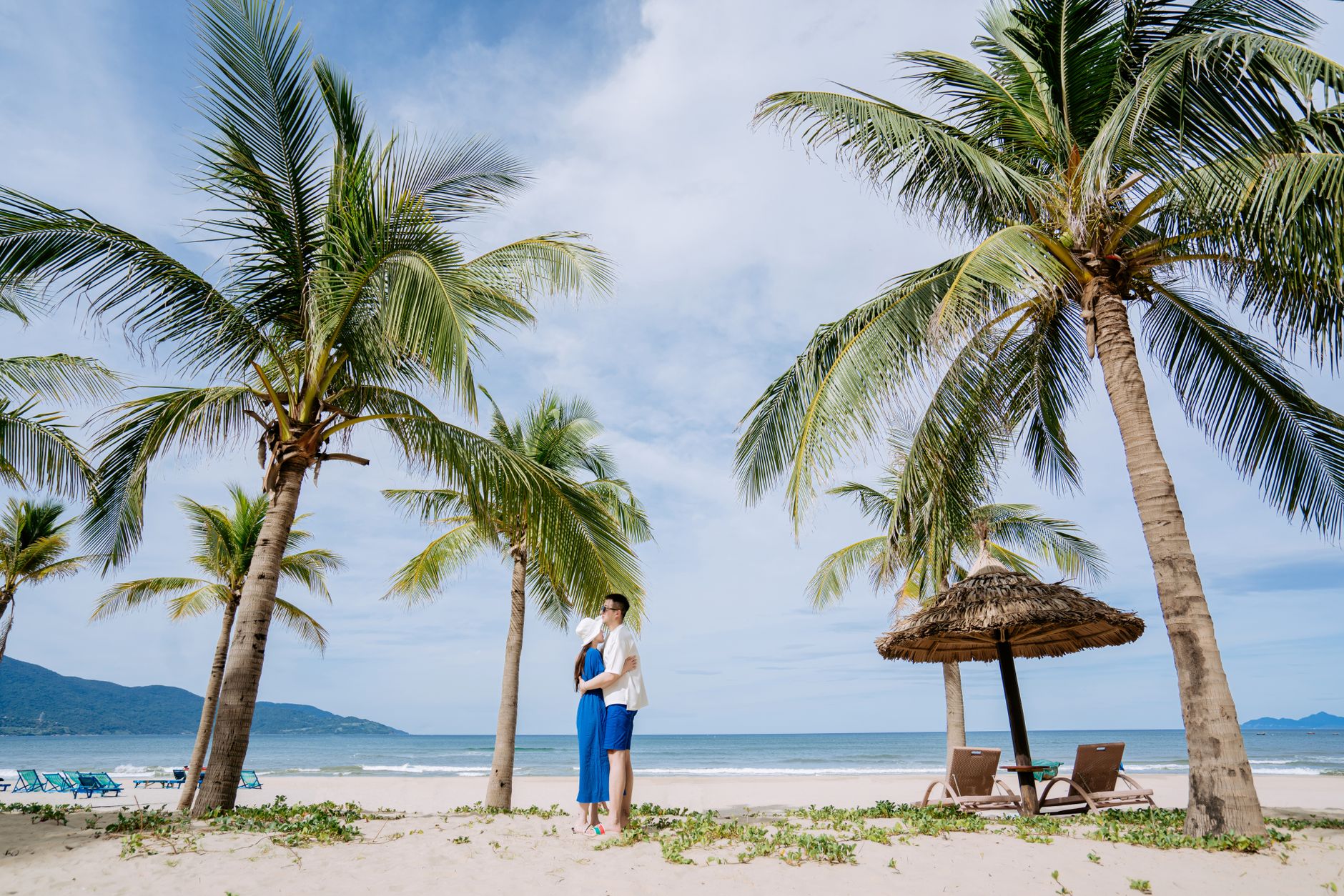
Bai Sau — literally "Back Beach" — is the 3 km crescent of sand that runs along Vung Tau's eastern coast. It's not a postcard tropical beach and nobody pretends it is, but for the millions of people living in Saigon, it's the nearest place you can stand in actual ocean water without getting on a plane. That proximity is the whole point.
What Bai Sau is (and isn't)
Vung Tau sits on a peninsula about 95 km southeast of central Saigon. Following the 2025 administrative merger, the area now falls under Ho Chi Minh City (호치민시 / 胡志明市 / ホーチミン市)'s expanded boundaries — though locals still call it Vung Tau and it still very much feels like its own coastal town.
Bai Sau faces the open sea, unlike Bai Truoc (Front Beach), which faces the shipping channel and is more of a promenade than a swimming beach. The surf at Bai Sau is rougher, the beach is wider, and the water is noticeably cleaner. During French colonial times, Vung Tau (붕따우 / 头顿 / ブンタウ) — then Cap Saint-Jacques — was already the go-to seaside escape from Saigon. That role hasn't changed in over a century.
Manage your expectations: the water is grey-green, not turquoise. On weekends the beach gets packed. Vendors will approach you every few minutes. But mid-week, especially in the early morning, Bai Sau is genuinely pleasant — a long, open stretch with decent waves and a constant breeze.
Why travelers go
Convenience, mostly. Phu Quoc and the central coast beaches are objectively better, but they require flights or long bus rides. Bai Sau is a day trip or easy overnight from Saigon. It works well as a decompression stop if you've been grinding through city sightseeing — a change of pace without burning a travel day.
The waves here are also surprisingly fun. Bai Sau is one of the few spots in southern Vietnam where you can actually body-surf or rent a surfboard. It's no Da Nang, but there's enough swell, especially between November and March, to make it worth paddling out.
Best time to visit
The dry season from November to April is ideal. Skies are mostly clear, humidity drops a notch, and the northeast monsoon kicks up the best surf. March and April can get hot — 34-36°C — but the sea breeze keeps it tolerable.
Avoid weekends and Vietnamese public holidays if you can. Bai Sau on a Saturday afternoon in summer is a wall of umbrellas, jet skis, and loudspeakers. Tuesday morning? Different beach entirely.
The rainy season (May to October) brings afternoon downpours and occasional red-flag days when swimming is banned due to rough currents. You can still visit, but you'll be rolling the dice on weather.
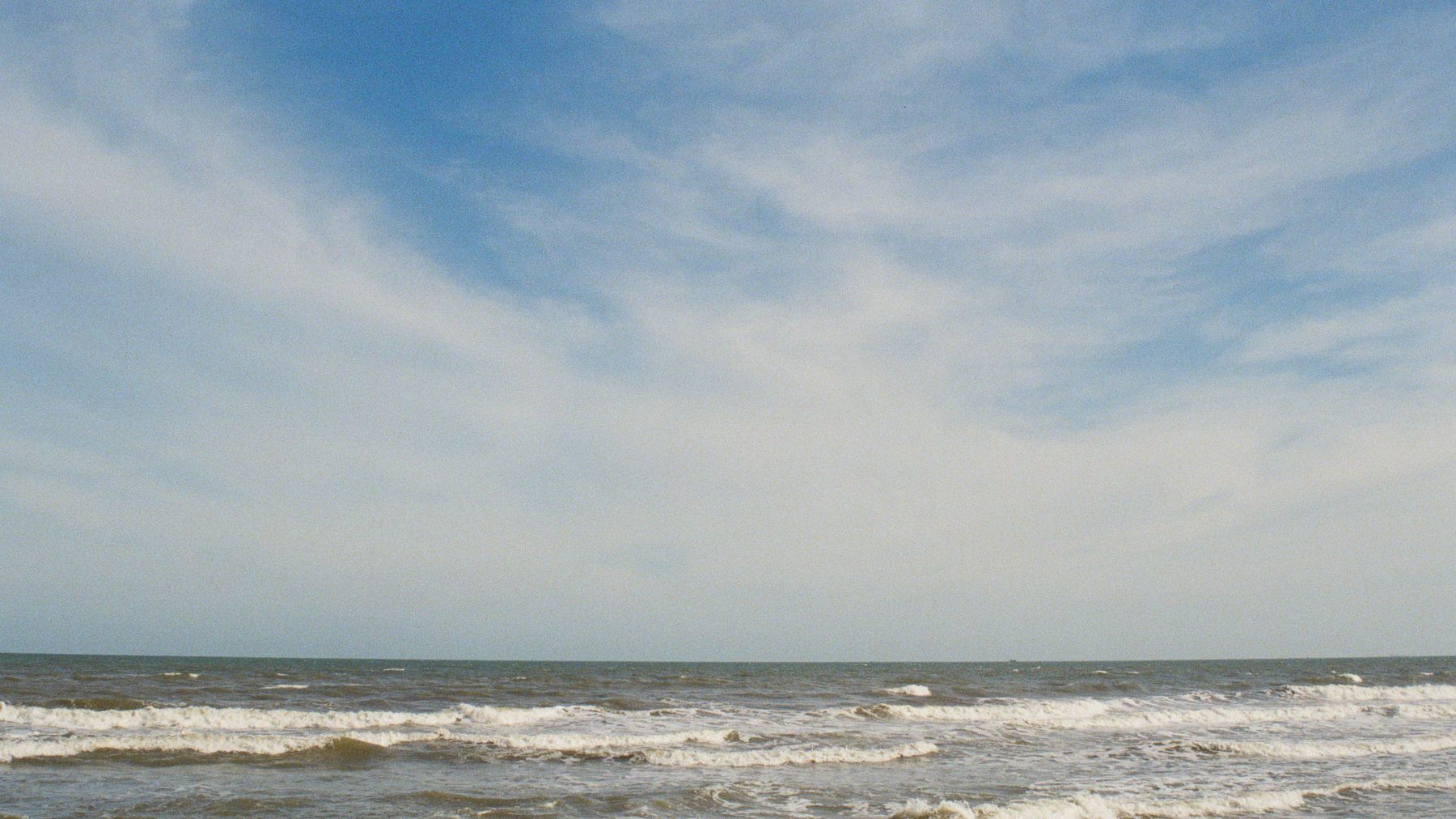
Photo by Spencer Lee on Pexels
How to get there from Saigon
The hydrofoil (Greenlines or Vung Tau Express) is the best option for travelers. It departs from Bach Dang Wharf in District 1 and takes about 90 minutes. Tickets run 250,000-350,000 VND one way depending on the operator and seat class. Book a day ahead on weekends — they sell out.
Buses leave from Mien Dong bus station (the new one in Thu Duc). The ride takes 2-2.5 hours depending on traffic. Futa and Thanh Buoi are the reliable operators, around 120,000-160,000 VND per seat.
If you're on a motorbike, it's about 2 hours via the Long Thanh - Dau Giay expressway and then Highway 51. Straightforward route, decent road.
From the Vung Tau ferry terminal or bus station, Bai Sau is 4-5 km southeast. A Grab bike costs about 20,000-30,000 VND.
What to do
Walk the full beach at low tide
Bai Sau stretches roughly from the foot of Nui Nho (Small Mountain) in the south to the Cua Lap estuary area in the north. At low tide, the sand firms up and you can walk the entire length in about 40 minutes. Early morning is best — the light is good and the only company is fishermen pulling nets.
Hike up Nui Nho to the Christ statue
The 32-metre Jesus statue on the southern headland is Vung Tau's most recognizable landmark. The hike up takes about 20 minutes from the base. You can climb inside the statue to the arms for a panoramic view of Bai Sau stretching north. Free entry, but dress modestly (no swimwear).
Rent a surfboard or boogie board
A few rental shacks on the southern end of the beach rent foam boards for around 50,000-100,000 VND per hour. The waves are beginner-friendly most days. Don't expect instruction — it's strictly DIY.
Visit the Robert Taylor Museum of Worldwide Arms
This one surprises people. A private collection of historical weapons and military artifacts in a villa about 1 km from the beach. It's small but genuinely interesting, and the air conditioning alone is worth the 50,000 VND entry fee on a hot day.
Drink bia hoi at sunset on Thuy Van Street
Thuy Van is the main drag running parallel to Bai Sau. In the late afternoon, the seafood restaurants and "bia hoi" joints set up plastic chairs facing the ocean side streets. A glass of fresh draught beer runs 10,000-15,000 VND. Order some grilled clams and watch the sky go orange.
Where to eat nearby
Vung Tau is a seafood town. The cluster of restaurants on Thuy Van Street between Bai Sau and the road all serve similar menus — grilled squid, steamed crab, stir-fried clams with lemongrass. Prices are reasonable if you stick to the places locals use: expect 150,000-300,000 VND per person for a full seafood spread with rice and drinks.
For breakfast, find a "banh mi" cart near Bai Sau park. Vung Tau has its own style — smaller rolls, heavy on pate and chili sauce, sometimes served with a little bowl of broth for dipping. It's not the Hoi An "banh mi" you've seen on YouTube, but it's very good.
If you want a break from seafood, "com tam" (broken rice) shops are everywhere. A plate with grilled pork, egg cake, and fish sauce runs about 40,000-55,000 VND.

Photo by Quang Vuong on Pexels
Where to stay
Thuy Van Street is lined with hotels in every price bracket. Budget guesthouses start around 300,000-500,000 VND per night for a clean room with air conditioning and hot water. Mid-range hotels with pools and sea-view rooms run 800,000-1,500,000 VND. A handful of upscale resorts sit at the southern end of the beach, 2,000,000 VND and up.
For a day trip, you don't need to book anything. But if you're staying overnight mid-week, you'll have your pick — walk in and negotiate.
Practical tips locals would tell you
- Swim between the flags. Bai Sau has real riptides, especially after storms. The lifeguard stations aren't decorative — pay attention to them.
- Bring your own towel and mat. Beach chair rental is 30,000-50,000 VND and involves aggressive upselling of drinks and food. Sitting on your own mat on the public sand is free and nobody bothers you.
- Sunscreen is expensive locally. Buy it in Saigon before you come. Convenience stores in Vung Tau charge tourist-area markup.
- Lock your stuff. Petty theft on the beach is common when people go swimming and leave bags unattended. Some hotels will lend you a waterproof pouch.
Mistakes to avoid
Going on a holiday weekend without booking transport back. Hydrofoil tickets for the Sunday evening return to Saigon sell out days in advance during Tet / 越南春节 / テト) or September 2 weekend. Book round-trip or prepare to take the bus.
Expecting Phu Quoc. Bai Sau is a local beach for a city of 10+ million people. It serves that purpose well. If you arrive expecting a quiet tropical paradise, you'll be disappointed. Come with the right expectations and it delivers.
Skipping sunscreen because it's overcast. The UV index in southern Vietnam is brutal year-round. Overcast days at Bai Sau still produce serious sunburns, especially with the sea reflection. Apply generously, reapply after swimming.
Last updated · May 29, 2026 · independently researched, never sponsored.