Being vegetarian in Vietnam (베트남 / 越南 / ベトナム) is easier than it sounds—and harder than you'd think. The cuisine has hundreds of plant-forward dishes, but meat broth and fish sauce hide in places you won't expect. This phrasebook cuts through the noise with phrases that actually work, cost realities, and the local tricks restaurants use that catch travellers off guard.
The core phrase: "Tôi là chay"
Start with "Tôi là chay" (I am vegetarian). This is your foundation. But it's incomplete. Vietnamese has two types of vegetarianism: "chay" (strict, Buddhist-influenced, no garlic/onion/alcohol) and "chay kiêng" (vegetarian but OK with garlic and onion). Most tourists mean the latter. If you don't specify, a restaurant might assume the strict version—which kills half your options.
What to actually say:
- "Tôi không ăn thịt hoặc cá" (I don't eat meat or fish) — clearer than "chay".
- "Không có mam tom, ca, hay thit" (No shrimp paste, fish, or meat) — the explicit blacklist. "Mam tom" (fermented shrimp paste) is the sneaky killer. It's in salads, dips, soups, and sauces you'd think are vegetable-only.
The fish sauce problem
Fish sauce ("nuoc mam") is in roughly 80% of Vietnamese savoury dishes. It's the salt, the umami, the backbone. When you say "no meat", many cooks hear "no visible meat"—and fish sauce doesn't count. You need to name it explicitly.
Ask: "Có nuoc mam khong?" (Does it have fish sauce?). Write it down if your Vietnamese is weak. Show it to the server on your phone.
Better: "Lam mon nay khong co nuoc mam, ca, tom, hay thit" (Make this dish without fish sauce, fish, shrimp, or meat). This forces the kitchen to remake it, which they'll do—usually for the same price, sometimes cheaper.
Dishes that are naturally safe
These require minimal negotiation:
- "Banh mi" (if you specify no pâté and no fish sauce mayo).
- "Banh xeo" (crispy pancakes) — ask for "banh xeo rau" (vegetable pancake) and confirm no shrimp paste.
- "Goi cuon" (spring rolls, fresh) — these are often vegetarian by default; check the sauce (often has fish sauce or shrimp paste).
- "Com tam" (broken-rice) — order with vegetables and tofu; confirm no fish sauce in the cooking.
- "Bun rieu" — the standard version is crab-based, but many places make a tomato-only version. Ask: "Bun rieu ca chua?" (tomato vermicelli).
- "[Banh chung](/posts/banh-chung-tet (뗏 (베트남 설날) / 越南春节 / テト)-sticky-rice-cake)" (sticky rice cakes, Tet special) — typically just rice, beans, and pork. The vegetarian version exists but you'll need to order ahead.
- "Hu tieu" (clear soup) — usually pork-broth based, but some southern spots have vegetable stock versions. Always ask about the broth.
The cost factor
Vegetarian food in Vietnam is cheap. A plate of stir-fried vegetables at a street stall runs 20,000–40,000 VND ($0.85–$1.70 USD). The negotiation for a "no fish sauce" remake usually doesn't change the price.
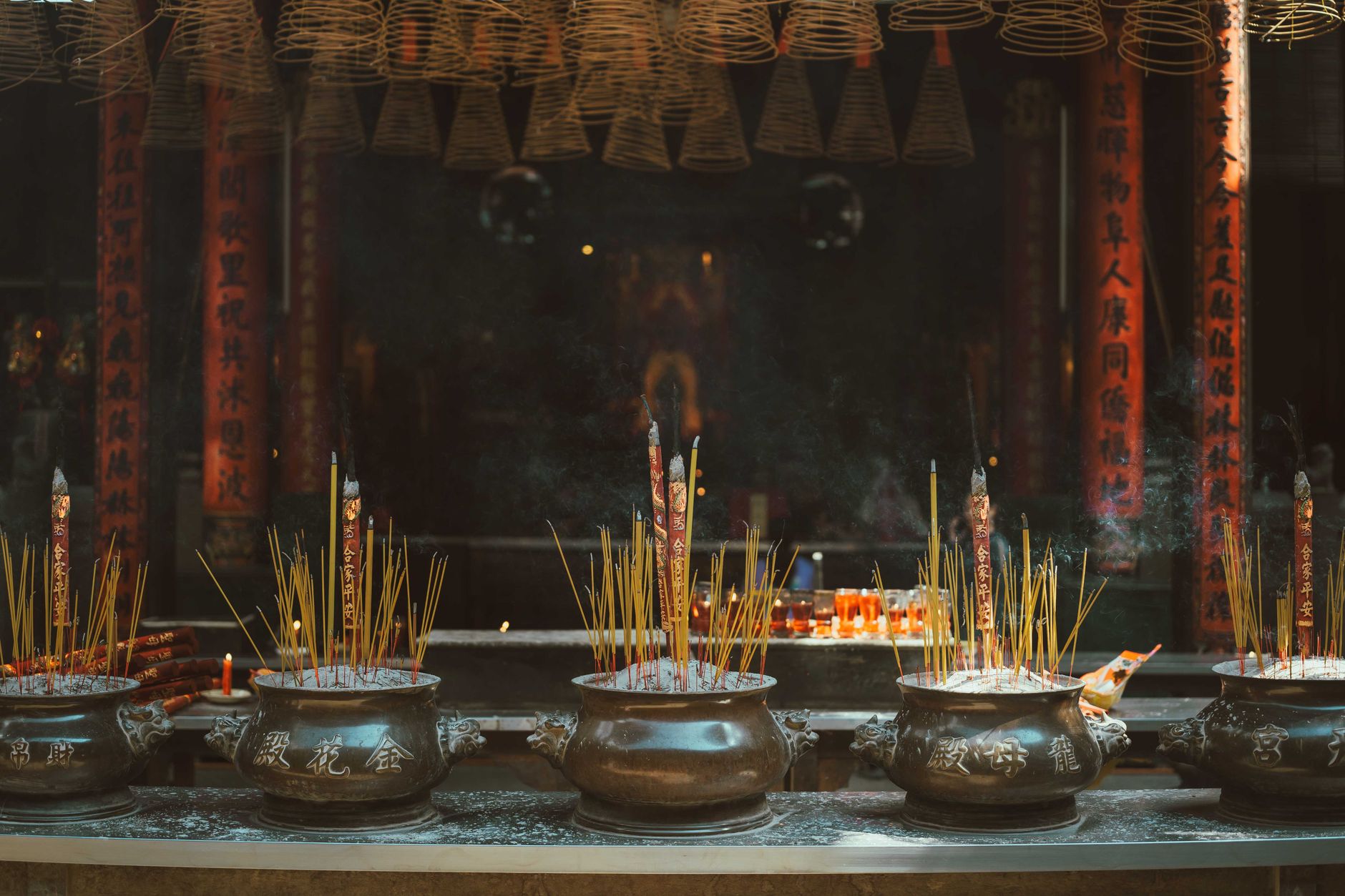
Exception: "Chay" restaurants (strictly vegetarian, often temple-affiliated) are slightly pricier—40,000–70,000 VND per dish—but guarantee no cross-contamination. They're worth the extra VND if you're strict.
Fancy Western-style vegetarian restaurants in Hanoi, Saigon, and Da Nang charge 80,000–150,000 VND per dish and cater to expat expectations. Real value? Street vendors and family-run shops.

Photo by Jordan Coleman on Pexels
Pitfalls and sneaky ingredients
Oyster sauce ("dau hao"). Often listed as vegetarian because it's not fish sauce. It's oyster-derived. If you're vegan or strict, you need to exclude this too. Ask: "Khong co dau hao?"
Fried tofu ("tahu chiên"). Safe, but confirm it wasn't fried in the same oil as meat. Many street vendors use a shared wok.
Vegetable soups. The broth is often simmered with pork bones overnight. Ask for "canh rau" (vegetable soup) and specify: "Lam voi nuoc loc rau, khong co xuong lợn" (Make with vegetable broth, no pork bones).
Peanut sauce ("sot den"). Usually vegetarian, but verify. It's safe 95% of the time.
Mushroom dishes. Genuinely vegetarian. Loved by Vietnamese cooks and reliably free of fish sauce if you ask.
Restaurant types and strategies
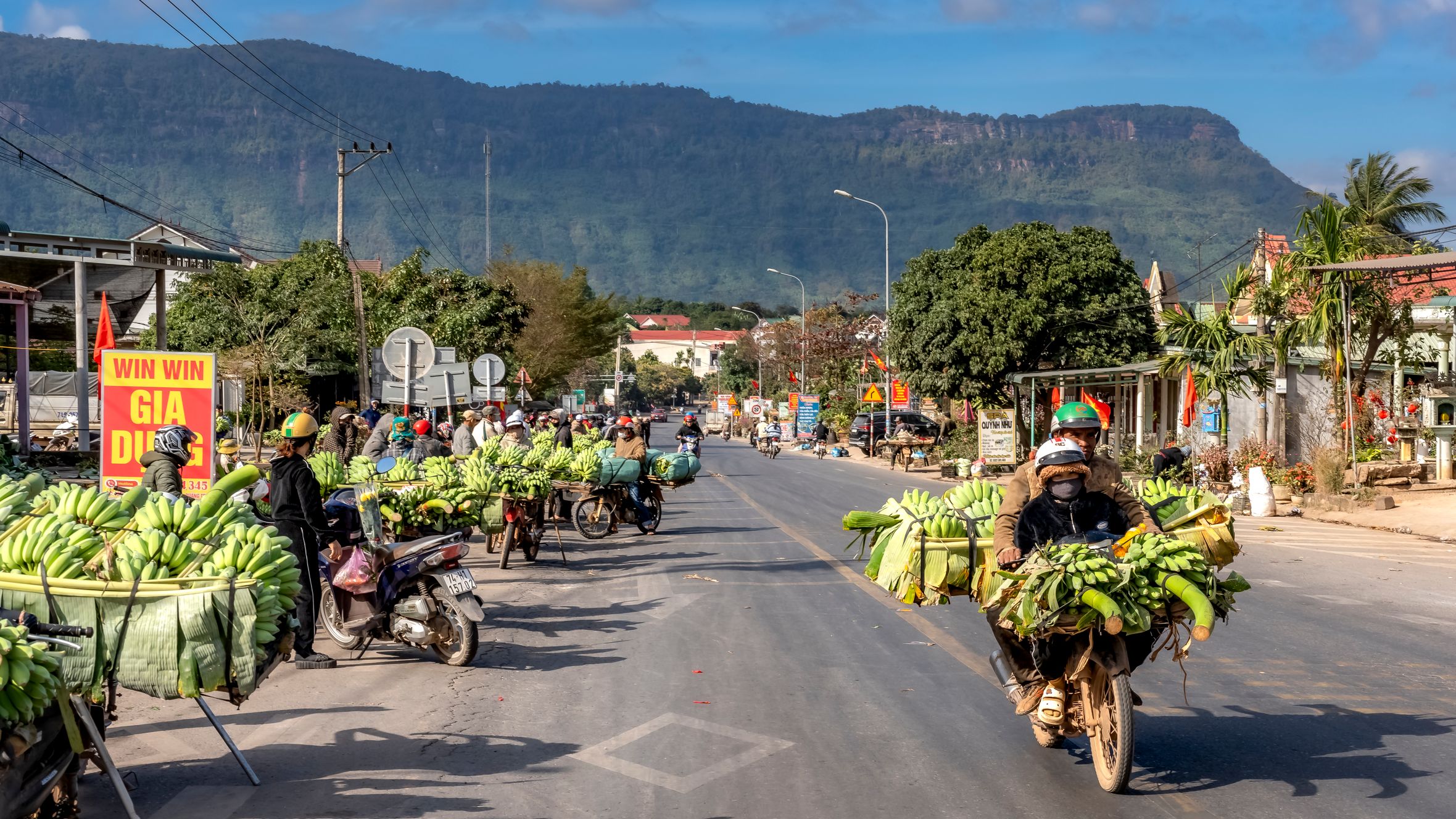
Street stalls and pho shops: The hardest to navigate because staff may not speak English and kitchen discipline is loose. Bring a written note in Vietnamese. Point to vegetables. Watch them cook.
Family-run restaurants: Mid-tier difficulty. The owner usually understands "no meat" but not "no fish sauce". Persist. Show the list. They'll remake it.
Dedicated vegetarian restaurants (look for "nha hang chay" signs or temple-run spots): Zero negotiation. Order anything. Price premium of 20–30% vs. street food, but peace of mind.
Western/expat restaurants: Safe because they cater to dietary restrictions, but boring and 2–3x the cost.
Phrases by meal
Breakfast:
- "Banh mi chay" (vegetarian sandwich) — pate-free, extra vegetables.
- "Com tam rau" (broken rice with vegetables).
- "Ca phe sua da" (iced coffee with milk) — almost always vegetarian by default.
Lunch:
- "Bun rieu ca chua khong ca khong tom khong thit" (tomato noodle soup without fish, shrimp, or meat).
- "Banh xeo rau khong mam tom" (vegetable pancake without shrimp paste).
- "Dia rau xao" (stir-fried vegetables plate).
Dinner:
- "Canh rau khong xuong" (vegetable soup without bones).
- "Tahu chiên xot den" (fried tofu with peanut sauce).
- "Mi quang rau" (turmeric noodles with vegetables).
Snacks:
- "Goi cuon rau" (vegetable spring rolls). Confirm the dipping sauce.
- "Banh cuon rau" (steamed rice rolls with vegetables).
- "Cha gio rau" (fried spring rolls) — usually have meat, but vegetarian versions exist. Always ask.

Photo by Change C.C on Pexels
Writing it down
Create a note on your phone in Vietnamese (or use Google Translate, then have a local refine it). Show it to servers. Write:
Toi khong an thit, ca, tom, va nuoc mam. Khong co mam tom, dau hao, hay xuong lợn. Lam an chi dung dau thuc vat. Cam on.
(I don't eat meat, fish, shrimp, or fish sauce. No shrimp paste, oyster sauce, or pork bones. Use only vegetable oil. Thank you.)
Having this written removes the guessing game.
Regional differences
North (Hanoi, Ha Giang, Sapa): Heavy meat culture. Vegetarian options exist but require more negotiation. "Chay" temples are common and reliable.
Central (Hue, Hoi An, Da Nang): Lighter cuisine with more fish and shrimp. Harder for strict vegetarians. Hoi An has a few dedicated vegetarian shops.
South (Saigon, Cu Lao Cham, Mekong Delta): Most vegetable-friendly. Diversity of vegetables, tofu shops, and expat awareness. Saigon has multiple vegetarian restaurants.
Bottom line
You won't starve. But you'll spend 30 seconds at every meal clarifying what "no meat" means to your cook. Write the phrase down, learn "mam tom" and "nuoc mam", and accept that some street vendors will remake your dish if you ask. Expect 20,000–50,000 VND per meal. Avoid the pure-meat-broth soups unless the kitchen explicitly agrees to remake them. And if a vegetarian restaurant is near you, eat there guilt-free—the markup is fair for the certainty.
Last updated · May 29, 2026 · independently researched, never sponsored.