The short answer
November through February is prime time—cool, dry, and comfortable. Skip May to September unless you're comfortable with afternoon downpours and oppressive heat. April and October are sweet spots if you want fewer people and don't mind the weather being a bit unpredictable.
The Mekong Delta climate
Vinh Long sits in the flat, tropical Mekong Delta (메콩 델타 / 湄公河三角洲 / メコンデルタ). There's no real winter; instead, you get a dry season and a wet season. The dry season (November–April) means blue skies and lower humidity. The wet season (May–October) brings afternoon thunderstorms, flooding in low-lying areas, and air that feels like you're breathing soup.
Unlike the highlands (Sapa, Da Lat), there are no "cool months" here. Even in January, midday temperatures hover around 27–28°C. The difference between seasons is humidity and rain, not temperature.
Month-by-month breakdown
November–February (dry season)
This is when Vinh Long feels most like a destination. Mornings are crisp, afternoons warm but not suffocating, and rain is rare. Humidity drops to 70–75%, which feels almost continental by Delta standards.
November and December are perfect. You'll have clear water in the canals, easy boat access to orchards and floating markets, and the energy feels right. Late November brings Tet Trung Thu (Mid-Autumn Festival), though it's more of a children's celebration than a major adult gathering. Expect some lantern decorations and extra treats at local markets.
January and February stay dry but bring the coolest mornings (15–16°C before sunrise—actually pleasant). Crowds start picking up in late January as overseas visitors avoid the northern Tet Nguyen Dan (Lunar New Year) rush in Hanoi. Still, Vinh Long stays sleepy compared to Sapa or Ha Long Bay. Book boats and homestays a week ahead, not months.
March–April (late dry, early heat)
March is the tail end of the dry season but temperatures creep toward 32°C. It's still manageable—you can kayak without melting. Hotels and boats are easier to book on short notice.
April is a gamble. It's the hottest month (sometimes 34–35°C) and the first rains start appearing. Afternoon storms are hit-or-miss. Tourist flow is lightest here—backpackers have moved to cooler destinations. If you're solo or on a tight budget, this is when guesthouses offer discounts. Just pack light clothes and a rain jacket.
May–September (wet season)
Avoid unless you have a specific reason to be here. The wet season is not a brief shower—it's 2–3 hours of hammering rain most afternoons, often starting around 2 p.m. Humidity sits at 85%+ and mold grows on everything.
May and June are the worst. Temperatures hover at 32–34°C with rain and nowhere to dry out. Tourist infrastructure gets minimal traffic. Some small tour operators reduce schedules or close for weeks.
July and August are slightly less wet but still unpleasant. This is peak rainy season across the Delta. The Mekong swells, some low-lying villages flood, and canal tours are canceled without notice. Foreigners are rare.
September edges back toward dryness but remains humid (80%+). October is the transition month—rains taper off, but weather is still unpredictable.

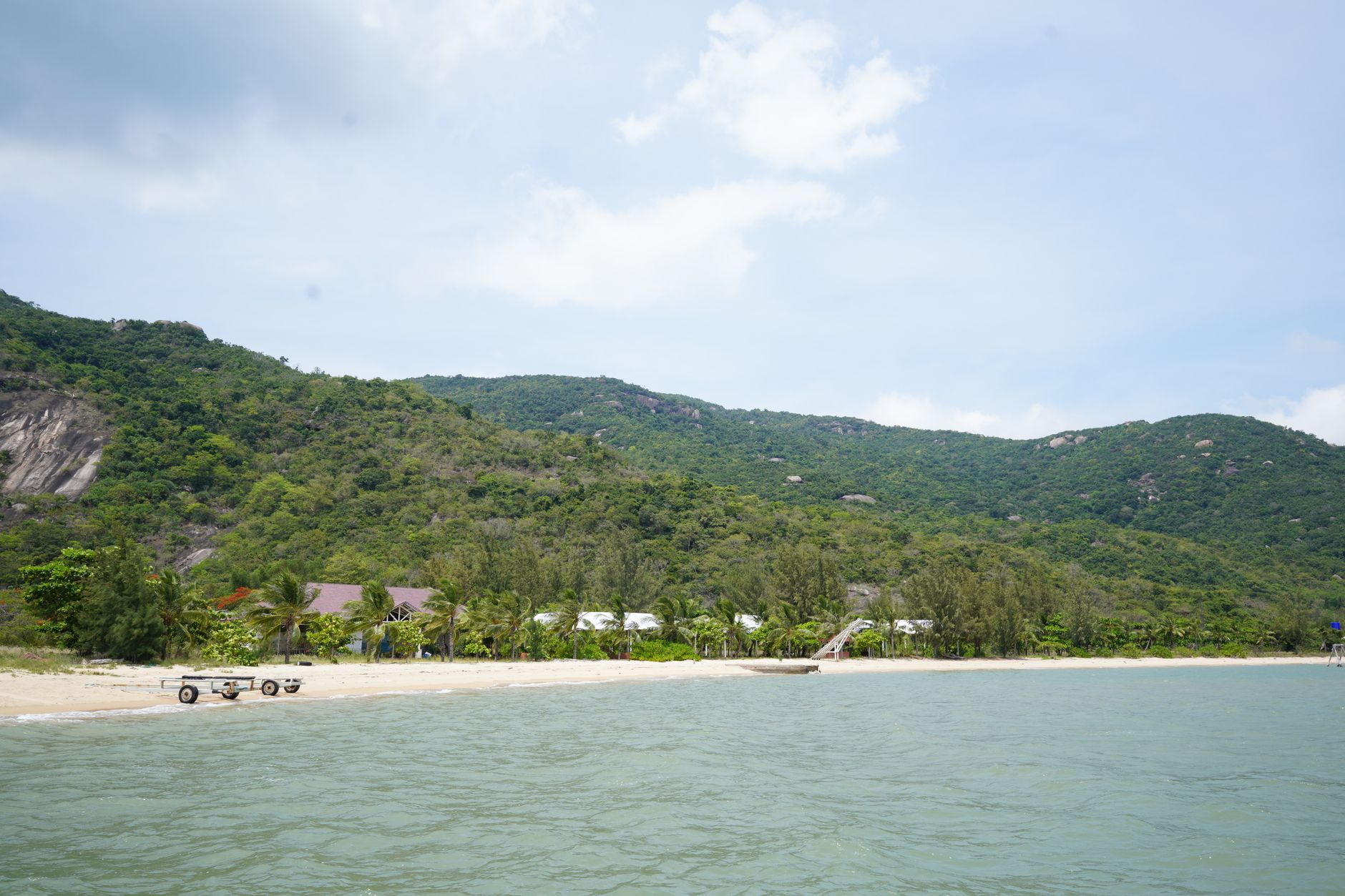
Photo by Agung Sutrisno on Pexels
Festivals and events
Vinh Long is not a festival hub. There are no major annual events that draw crowds or require advance planning, unlike Hung Kings Festival in Ha Bac or Tet celebrations in Hanoi.
Tet / 越南春节 / テト) Trung Thu (Mid-Autumn Festival, usually mid-September) brings lantern stalls and sweet rice cakes ("banh trung thu") to local markets. Kids parade with lanterns in the evening. It's low-key but charming if you happen to be there.
Tet Nguyen Dan (Lunar New Year, late January or February) affects the entire country. If you're traveling in late January, expect some hotels and restaurants to close for 3–5 days around the holiday. However, the Delta is less chaotic than Hanoi or Saigon. You can still eat and move around, just with fewer services.
Beyond that, Vinh Long relies on its water—floating markets, orchards, rice paddies, and homestay boat trips. There are no seasonal beach events or mountain festivals to chase.
Crowd levels
Peak season (November–February): Homestays and boat tours book up 1–2 weeks in advance. Floating markets (Cai Be, Can Tho) still aren't crowded by beach-resort standards—you'll see tour groups but not throngs. Average guesthouse prices: 200,000–300,000 VND/night for basic comfort; boats 150,000–250,000 VND/person for a day trip.
Shoulder (March–April, October): Fewer tour groups, easier bookings, some discounts. Guesthouses: 150,000–250,000 VND/night. Weather can be humid or rainy in October; hot in April.
Off-season (May–September): Very few tourists. Many boat operators work on reduced schedules. Guesthouses: 100,000–180,000 VND/night. Infrastructure is bare-bones, and you'll need patience. Only worth it if you're duck-feeding and don't mind the heat.

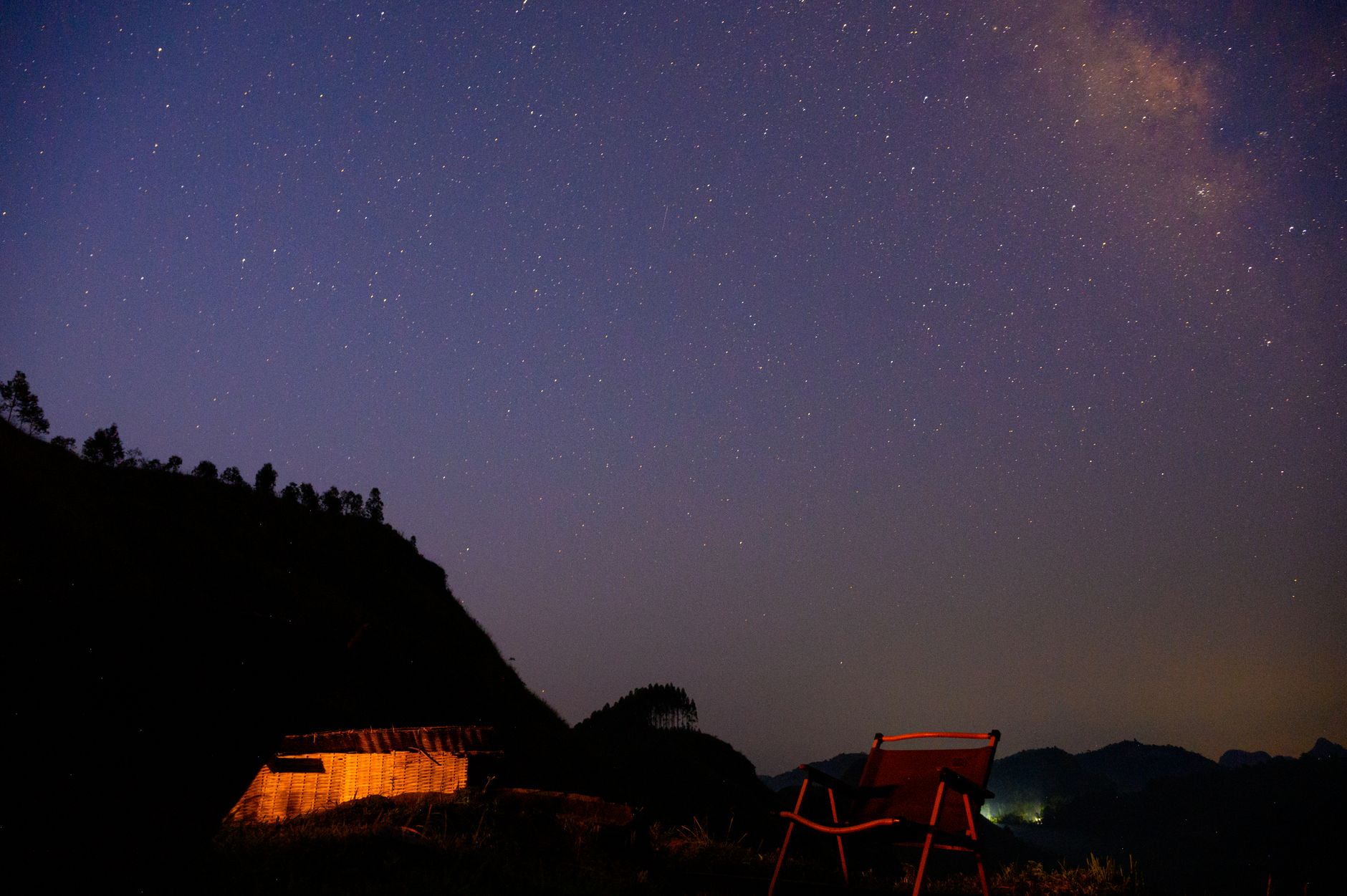
Photo by Quang Nguyen Vinh on Pexels
What actually happens here
Vinh Long is not a beach destination or a hiking hub. It's canal and orchard country. You take slow boats through fruit farms, visit floating markets, eat fresh tropical fruit at the source, and sleep in family-run homestays. The whole appeal is the pace and the water.
During the dry season, that works perfectly—clear canals, stable boats, comfortable mornings for exploring. During the wet season, boats still run but visibility drops, the landscape floods in places, and the energy feels subdued. It's still the same place, but the experience is muddier (literally).
Practical notes
Book accommodation and tours 7–10 days ahead during peak season. If you're flexible on dates, October or early April offers a good balance of comfort and fewer visitors. The wet season is negotiable only if you're backpacking on a shoestring and can handle cancelled plans. Most visitors plan Vinh Long as a 2–3 day side-trip from Saigon, not a main destination, so your dates are often fixed by a broader itinerary anyway.
Last updated · May 29, 2026 · independently researched, never sponsored.