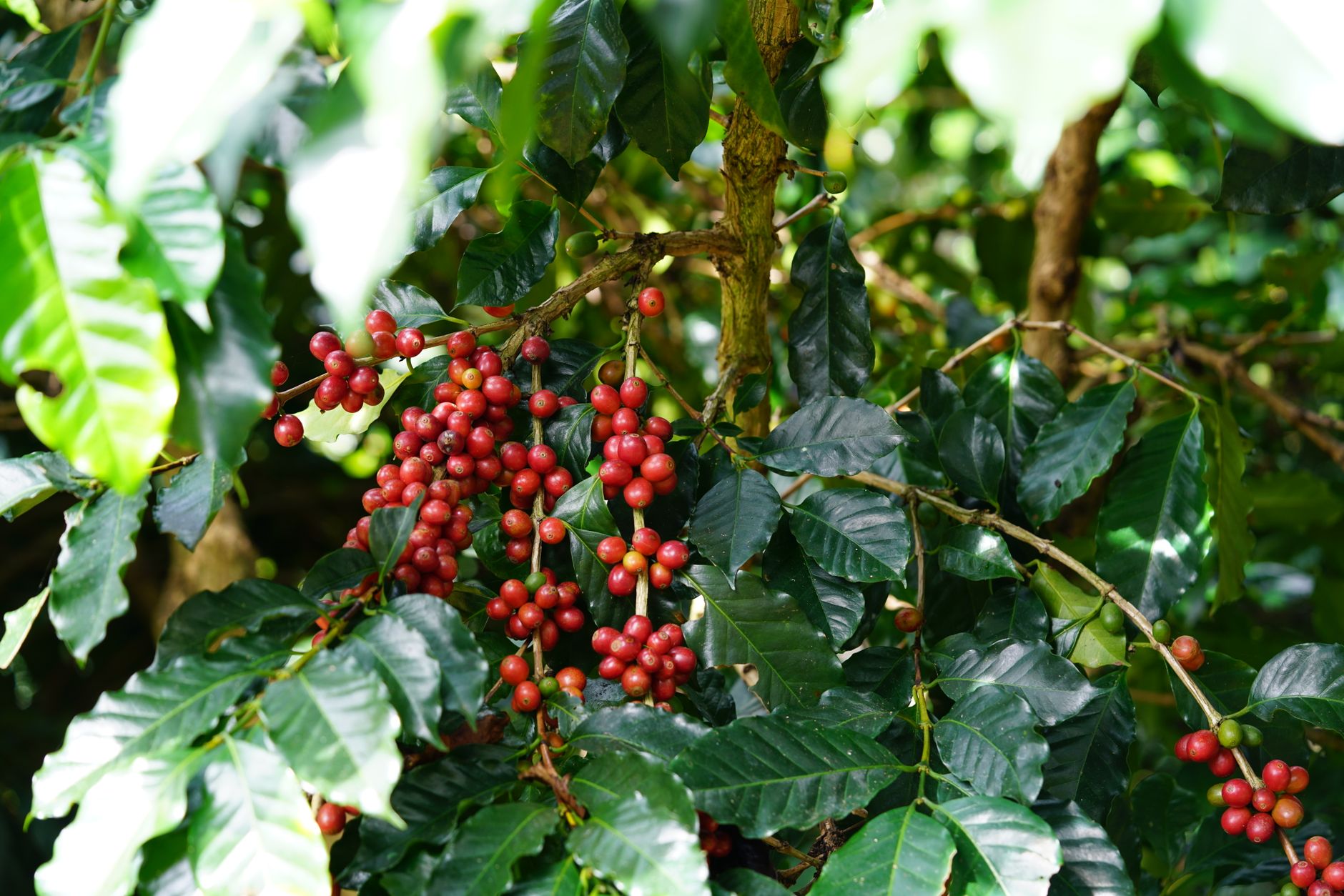
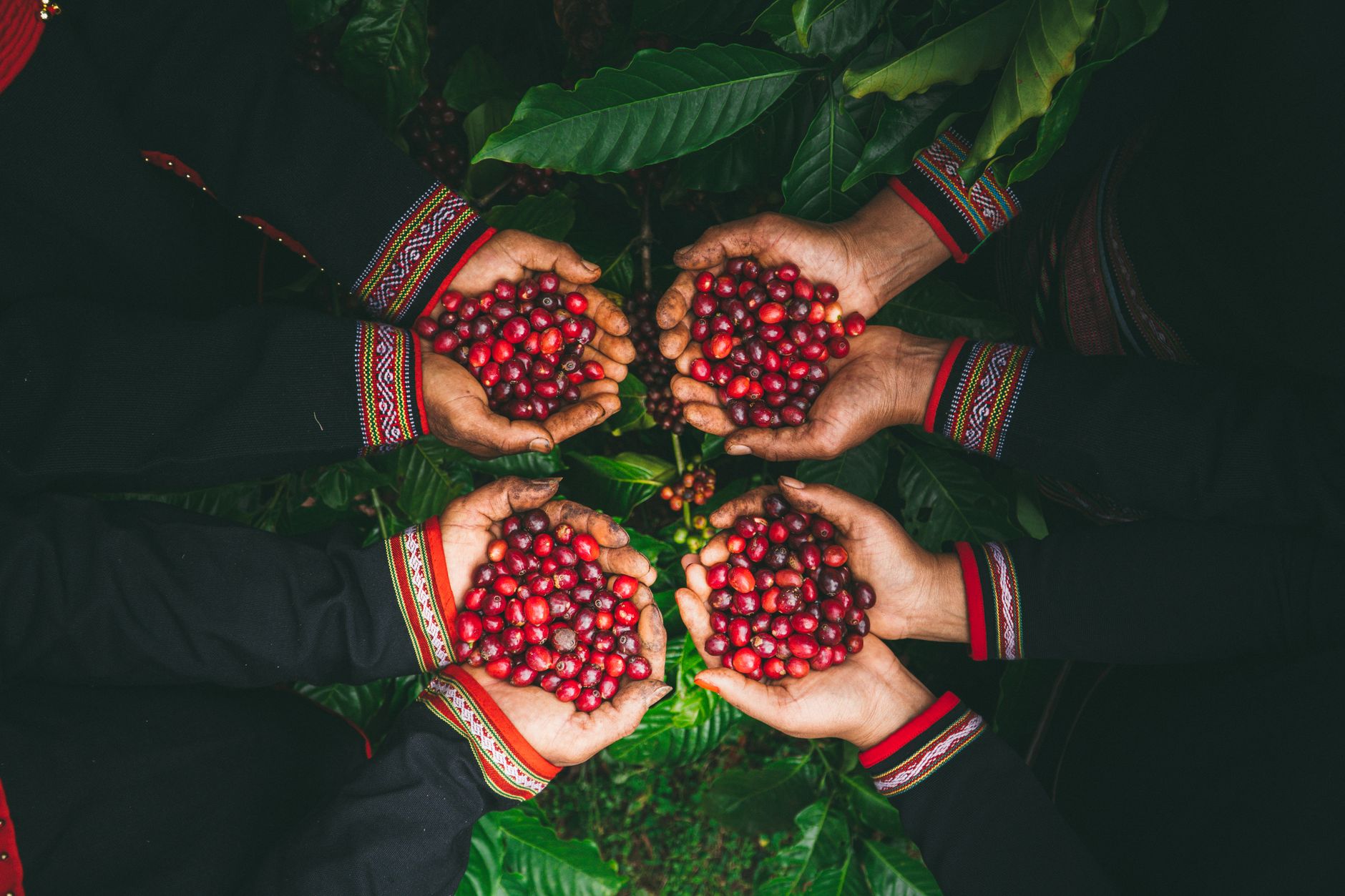
Buon Ma Thuot produces more coffee than any other province in Vietnam (베트남 / 越南 / ベトナム), yet most travelers pass through without stopping long enough to actually drink it properly — or to eat anything beyond a hotel breakfast. That's a mistake worth correcting.
The Coffee Market: More Than a Photo Stop
The Buon Ma Thuot Coffee Market (Cho Ca Phe Buon Ma Thuot) sits near the center of town, roughly 1 km from the main Nguyen Tat Thanh roundabout with its oversized coffee-cup monument. The market itself is a working wholesale hub — traders, processors, and roasters move through here daily — but it's open enough that you can walk in, ask questions, and buy directly from vendors.
Prices at the market for green (unroasted) Robusta beans run around 40,000–55,000 VND per kg depending on grade and season. Roasted and ground coffee for home brewing is 80,000–150,000 VND per 500g bag. The quality gap between what you buy here and what you find in a tourist-facing cafe in Hanoi or Saigon is real and noticeable.
If you want to understand the processing side — wet hull, dry process, honey — a few traders near the north entrance are willing to explain if you approach with basic curiosity and patience. Bring someone who speaks Vietnamese if you can; most vendors here don't work in English.
Where to Drink: The Cafe Culture of BMT
Buon Ma Thuot's coffee isn't consumed with ceremony. People drink it fast, strong, and often standing up at a plastic table outside a shophouse. "ca phe sua da" — iced coffee with condensed milk — is the default order, and the local Robusta-forward blend hits harder and bitterer than anything you'll get from Arabica-dominant blends in Da Lat.
Me Trang on Phan Boi Chau is the most established name in town — they have their own roastery and multiple outlets. A cup of their house filter coffee runs 25,000–35,000 VND. Reliable, clean, not pretentious.
For something less polished, walk down Ly Thuong Kiet street in the late morning. Rows of small ca phe shops open onto the street, each with its own roast profile and its own crowd of regulars. You'll pay 15,000–20,000 VND for a glass. These places don't have names in Roman script and won't appear on Google Maps — that's the point.
Buon Ma Thuot also has a handful of newer specialty cafes near the university district on Nguyen Cong Tru that do pour-overs and single-origin tastings, aimed at younger Vietnamese customers. Prices here sit around 50,000–70,000 VND and the coffee knowledge is genuinely solid if you want to geek out.

Photo by Đậu Photograph on Pexels
Lau Ca Lang: The Dish BMT Does Better Than Anywhere
"Lau ca lang" — catfish hot pot — is the meal you eat here when you want to understand why people actually live in the Central Highlands (중부 고원 / 中部高原 / 中部高原). Ca lang (striped catfish) is a freshwater species that thrives in the Serepok River basin, and the version served in Buon Ma Thuot tends to be fatty, firm, and deeply flavored in a way that farmed fish from the coast can't replicate.
The broth is sour and mildly spicy, usually built on tamarind and tomato, with fresh dill and green onion added in quantity. You eat it communally over a tabletop burner, adding morning glory, banana blossom, and rice noodles as you go.
The best area to find lau ca lang is along Le Hong Phong street and the short stretch of Nguyen Van Cu that runs perpendicular to it — a cluster of open-air restaurants operates here from around 5pm. Expect to pay 120,000–180,000 VND per person for a full meal including fish, vegetables, noodles, and rice. Most places charge by the weight of fish ordered; ask before you sit if budget matters.
Com Lam: Eat It Here, Not at a Tourist Village
"Com lam" — sticky rice cooked inside a bamboo tube over open fire — is technically an Ede and M'nong ethnic tradition, not a BMT street food invention. But the city has absorbed it well, and you'll find it done properly at market stalls and a few permanent vendors rather than only at staged cultural shows.
The best com lam in town tends to appear at the Cho Ben Thanh BMT landmark) in the early morning, sold by women from surrounding villages who come in daily. A single tube costs 10,000–15,000 VND and comes split open with a smear of sesame salt. Eat it warm with grilled pork (thit nuong) from the adjacent stalls — another 25,000–40,000 VND — and you have a proper breakfast for under 60,000 VND.
Some restaurants along Le Hong Phong serve com lam as a side dish alongside lau ca lang, which is a reasonable combination if you want both in one sitting.

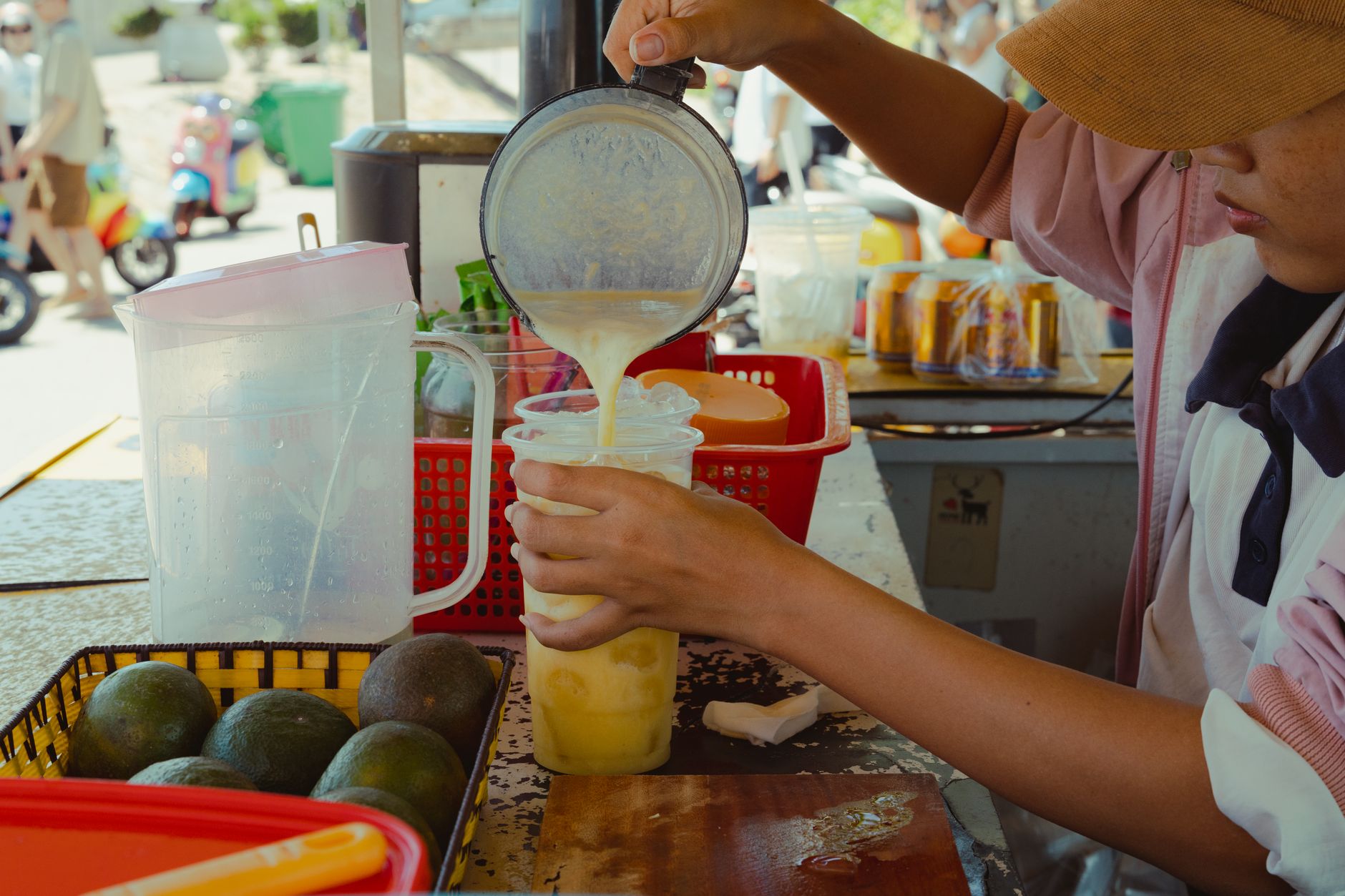
Photo by Thái Trường Giang on Pexels
The Food Street After Dark
Phan Boi Chau street between the roundabout and the market area transforms after 6pm into a loose night-food strip. It's not a curated "walking street" in the Hoi An sense — just vendors setting up wherever there's foot traffic. You'll find grilled corn, banh mi carts, fresh fruit stands, and small noodle stalls running until around 10pm.
The crowd here is almost entirely local. Prices are accordingly honest: a bowl of noodles is 30,000–40,000 VND, banh mi around 20,000–25,000 VND.
Practical Notes
Buon Ma Thuot is about 200 km from Da Lat by road — a four-to-five hour drive through mountain terrain, or accessible by direct flights from Hanoi and Saigon. Two full days is enough to cover the coffee market, a proper ca lang dinner, and a morning at the fresh market. The city gets genuinely cool at night even in dry season, which makes eating outdoors actually pleasant rather than an act of endurance.
Last updated · May 29, 2026 · independently researched, never sponsored.