City Center Hotels: Handy, Not Historic
The downtown core (around Nguyen Cong Tru and Ly Thuong Kiet streets) has no shortage of 350,000–700,000 VND ($15–30 USD) guesthouses and budget hotels. Places like Saigon Buon Ma Thuot Hotel or Dakruco Hotel offer clean rooms, air-con, and reliable WiFi if you need a base for a night or two. A few mid-range options—Thaco Hotel, Alagon Buon Ma Thuot—push into the 950,000–1,400,000 VND ($40–60 USD) range and throw in breakfast and maybe a small gym.
Dakruco sits on Nguyen Chi Thanh, a five-minute walk from the Trung Nguyen Coffee Village showroom, so you can knock out the corporate coffee experience without arranging transport. Rooms are dated but functional—think tiled floors, firm mattresses, and a lobby restaurant that does a reasonable "com tam" (broken rice) plate for around 55,000 VND. The Saigon Buon Ma Thuot Hotel, on Phan Chu Trinh, is a step up in presentation: the lobby tries harder, the breakfast spread includes "banh mi" with pate and pickled daikon, and there is a rooftop terrace where you can drink the local robusta while watching the city wake up.
Stay here if you're passing through town for a morning coffee-factory tour, want nightlife (such as it is: karaoke bars and beer joints on Tran Hung Dao), or prefer a pillow you know over an adventure. The city itself has no major historical draw—no citadel, no pagoda complex worth a detour. You're here for the coffee ecosystem, not the sights.
One practical note about city stays: most hotels include motorbike rental or can arrange one for 120,000–150,000 VND per day. You will need it. Buon Ma Thuot's city center is walkable for meals and ATMs, but every plantation, waterfall, or ethnic village worth visiting is 10–50 km out on provincial roads. Grab operates here but coverage is thin outside the center, especially after 8 PM.
Coffee Plantation Farmstays: The Real Buon Ma Thuot Experience
This is where the trip becomes worth the flight. Dozens of coffee estates in the surrounding villages (Ea Sup, Ea H'Leo, Cau Dat) now host farmstay guests. Think simple bungalows or renovated plantation houses, typically 700,000–1,900,000 VND ($30–80 USD) per night.
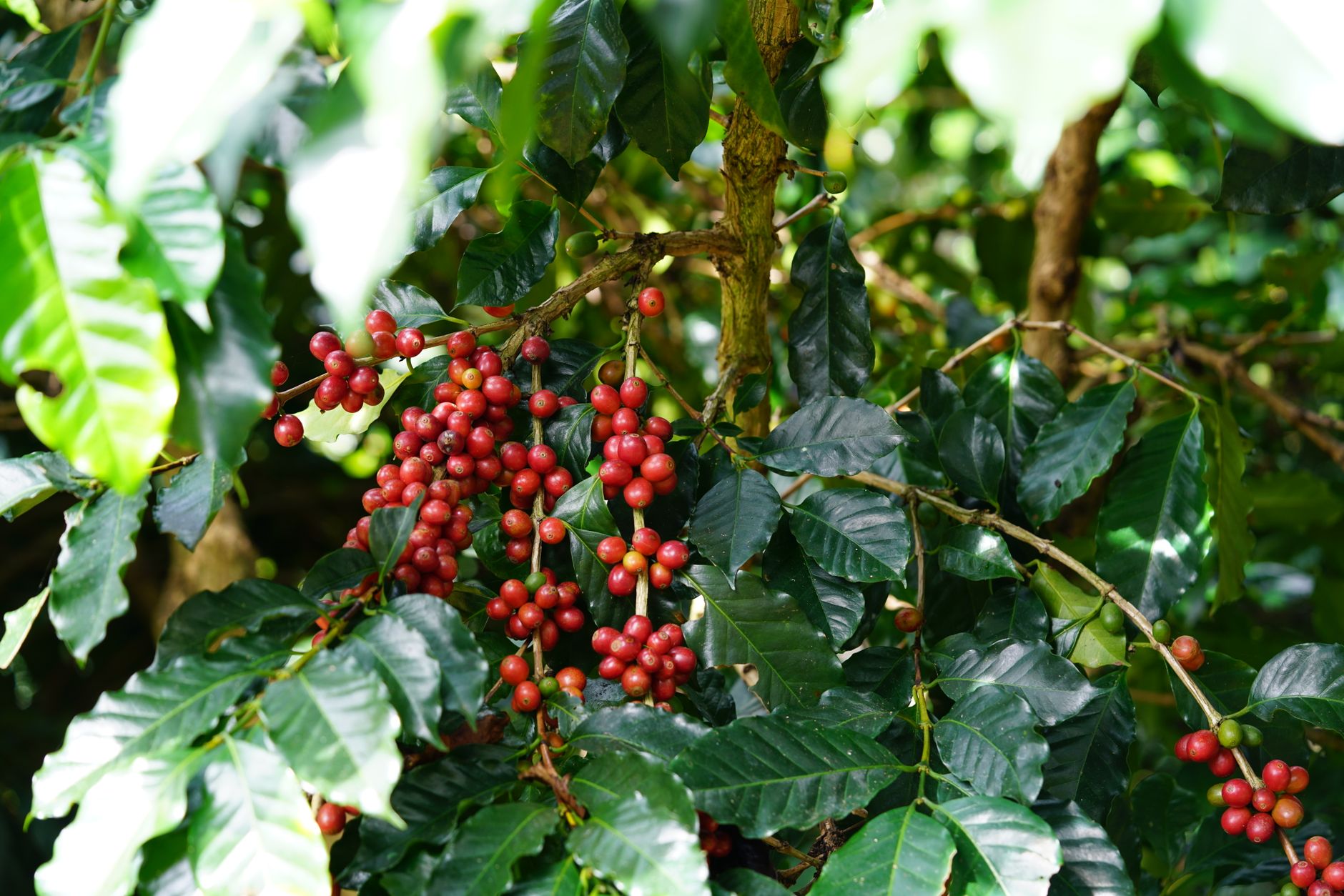
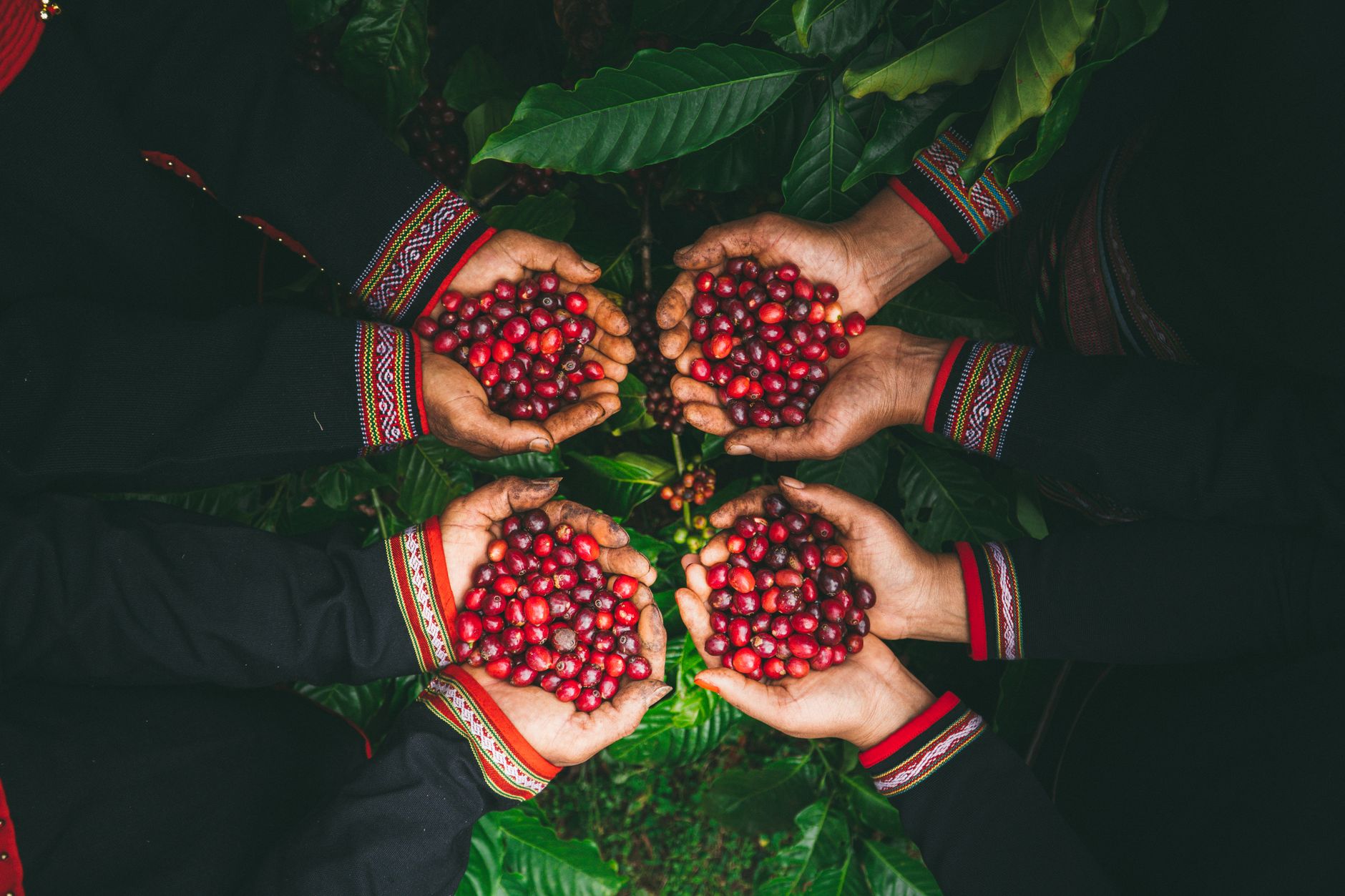
A solid choice: Terracotta Coffee Homestay (Ea Sup, 12 km south of town), around 450,000 VND ($19 USD) for a double, includes breakfast on the terrace and a walk through the owner's 3-hectare plot. You'll pick coffee cherries (November–January is harvest season), see wet-processing, and taste the result within hours. No tour-group varnish; just real work and conversation over coffee you helped pull off the branch.
Another: Cau Dat Eco Farmstay, 25 km northeast, runs closer to $50–70 and adds a small restaurant and a larger garden where you can see vanilla and cocoa interspersed with the coffee. The owner speaks decent English and will push you to understand soil pH and bean genetics if you ask.
For something more rustic, look into homestays in Ea H'Leo district, about 40 km north of the city. A handful of Ede-minority families open rooms during harvest season—expect a mattress on a raised platform in a traditional longhouse, shared meals of grilled pork and bamboo-tube rice, and coffee roasted over a wood fire in a cast-iron pan. Prices are negotiable, usually 200,000–350,000 VND per person including dinner and breakfast. You will not find these on any booking platform; ask at the Dak Lak Tourism Office on Le Duan or get a local contact from your hotel front desk.
Why stay here? Because a two-day plantation stay teaches you more about Vietnamese coffee than a year of cafe hopping in Saigon (사이공 / 西贡 / サイゴン). You'll see why altitude, shade trees, and processing matter. You'll understand the actual economics—why small farmers sell cherries to middlemen, why instant coffee dominates local consumption, why Buon Ma Thuot's reputation is real but fragile. And the accommodation is honest: no pool, no spa, just a bed and land.

Photo by Quang Nguyen Vinh on Pexels
Lak Lake Resort: The Comfort Outlier
Lak Lake (Thac Bon, 50 km south) is the region's only scenic water body, ringed by Koho ethnic minority villages and a few mid-range resorts. Lak Lake Eco Resort and Lak Tented Camp sit in the 1,200,000–3,500,000 VND ($50–150 USD) range and offer a hybrid: genuine Lak setting (boat tours, village walks, stilt-house homestays) plus restaurant service, swimming, and a calmer pace than a working plantation.
The drive from the city center takes about 90 minutes on Highway 27, which is paved but narrow and shared with logging trucks—leave before 7 AM or after noon to avoid the worst of the commercial traffic. Lak Tented Camp runs a shuttle twice daily for guests, departing from a pickup point near the Victory Monument roundabout at 9 AM and 2 PM. If you are driving yourself, fill up on fuel in town; there is only one small gas station in Jun village before the lake.
Good for: a softer entry to the Highlands if you want nature and cultural encounters but not manual coffee work. Or a second night after plantation stays, to decompress. Not good for: those wanting to stay deep in coffee country—Lak pulls you away from it.

Photo by 1500m Coffee on Pexels
What to Eat (and Where) No Matter Where You Sleep
Buon Ma Thuot is not a food destination the way Hue or Da Nang are, but you can eat well if you know where to look. The city's signature dish is "com lam"—sticky rice cooked inside a bamboo tube over charcoal—served alongside grilled wild boar or chicken with lemongrass. Look for it at the string of open-air restaurants on Le Hong Phong, about 2 km west of the center, where a full spread for two runs 180,000–250,000 VND.
Breakfast defaults to "pho" or "bun bo"—the Central Highlands (중부 고원 / 中部高原 / 中部高原) version of "bun bo Hue" uses a lighter, less fermented shrimp paste and more black pepper. A bowl costs 30,000–40,000 VND at the cluster of stalls near Hai Ba Trung market. For a faster morning, most "banh mi" carts along Nguyen Tat Thanh charge 15,000–20,000 VND and stuff the baguette with pork floss, pate, and a smear of chili sauce.
Coffee, obviously, is everywhere. Skip the Trung Nguyen Legend franchise locations (overpriced, aimed at domestic tourists) and look for small family-run shops where the owner roasts on-site. A glass of "ca phe sua da" at these places costs 15,000–20,000 VND and tastes noticeably different from what you get in Hanoi—heavier body, more chocolate notes, less of the caramel-butter flavor that comes from Hanoi-style roasting with added oil. If you have been drinking egg coffee up north, this is a different universe. Ask for "ca phe den" (black coffee) first to taste the bean without condensed milk masking it.
Plantation farmstays typically include meals or cook on request. Expect home-style Highland food: boiled vegetables, grilled river fish, rice, and as much coffee as you can handle. It is simple and repetitive, but it is real, and after a morning pulling cherries off branches in 28-degree heat, you will not care about variety.
Common Mistakes Visitors Make
Booking only one night. A single overnight in Buon Ma Thuot—arrive in the afternoon, leave the next morning—barely scratches the surface. You need at minimum two nights: one for a plantation visit and one for either Lak Lake or the Ede villages. Three is better if you want to see a wet-processing facility and have an unhurried conversation with a farmer.
Coming in the wrong season. The harvest window (November through January) is when the plantations are alive—workers in the fields, drying beds full of cherries, the smell of fresh pulp everywhere. Visit in July or August and you will see green bushes and empty patios. The experience is not the same.
Expecting Da Lat vibes. Da Lat is 200 km southeast and sits at 1,500 meters elevation—cool air, pine forests, French-era villas, a developed tourist economy. Buon Ma Thuot is at 500 meters, warmer, flatter, and built around agriculture rather than tourism. People who arrive hoping for a second Da Lat leave disappointed. Buon Ma Thuot rewards a different kind of curiosity.
Skipping the Ethnographic Museum. The Dak Lak Ethnographic Museum on Le Duan is one of the best small museums in Vietnam's highlands. It covers the Ede, M'nong, and Jarai cultures of the region through textiles, musical instruments, and full-scale longhouse reconstructions. Entry is 20,000 VND. Most tourists walk past it on the way to coffee tours, which is a waste.
Not learning a few phrases. The local Kinh Vietnamese accent is thick, and English is scarce outside the top-tier hotels. Memorize "Cho toi mot ca phe den" (give me a black coffee) and "Bao nhieu tien?" (how much?) at minimum. Smile, point, and use your phone calculator for prices—it works.
Quick Reference: Buon Ma Thuot Accommodation at a Glance
- City center budget hotels (Nguyen Cong Tru / Ly Thuong Kiet area): 350,000–700,000 VND/night. Air-con, WiFi, no frills. Walk to restaurants and ATMs.
- City center mid-range (Thaco, Alagon, Dakruco): 950,000–1,400,000 VND/night. Breakfast included, some with gym/pool. Motorbike rental available.
- Plantation farmstays (Ea Sup, Ea H'Leo, Cau Dat): 200,000–1,900,000 VND/night. Book direct via Facebook or phone. Best November–January.
- Lak Lake resorts (50 km south): 1,200,000–3,500,000 VND/night. Scenic lake, minority village tours, boat rides. Good as a second stop.
- Ede longhouse homestays (Ea H'Leo district, 40 km north): 200,000–350,000 VND/person. Seasonal, harvest-period only. Ask locally.
- Best time to visit: November–January (harvest). March–April (dry, quieter). Avoid May–October (heavy rain, muddy plantation roads).
- Getting there: 1-hour flight from Saigon (Tan Son Nhat to Buon Ma Thuot Airport). 6-hour bus from Saigon (300 km). 5-hour bus from Da Lat (200 km). Limited direct connections from Hanoi—connect via Saigon or Da Nang.
Why Buon Ma Thuot Isn't for Everyone
This city doesn't glamorize. There are no temples to tick off, no beaches, no colonial villas or mountain trekking. The economy is monoculture—literally. Restaurants are functional, not refined. The rainy season (May–October) is muddy and oppressive. If you're collecting "experiences" or want Instagram material, go to Hoi An or Da Lat.
But if you care why your "ca phe sua da" costs 30,000 VND in Hanoi and tastes different in every cafe, Buon Ma Thuot is non-negotiable. Stay on a plantation. Work a morning. Sit with the owner's family for lunch. That's the trip.
Practical Notes
Book plantation farmstays direct via email or Facebook (they rarely use Booking.com); expect spotty English but genuine warmth. Arrive mid-November through January for harvest season and the best coffee scenery; March–April is dry but slower. Buon Ma Thuot is 300 km northeast of Saigon (6 hours by bus) or a 1-hour flight; most tourists skip it. That's the point.
If you are combining the Central Highlands with other regions, the most logical route runs Saigon to Buon Ma Thuot (flight or bus), then overland to Da Lat (5 hours by bus through mountain switchbacks), then down to the coast at Nha Trang or back to Saigon. Travelers heading north could also connect through Da Nang by air, then continue to Hue or Ha Giang from there. Buon Ma Thuot fits best as a two- or three-night detour inside a longer itinerary, not as a standalone destination.
Final Note
Buon Ma Thuot is not trying to impress you, and that is exactly its value. The accommodation is basic, the food is honest, and the coffee is the real thing—grown, processed, and served within the same few kilometers. If you have spent weeks in Vietnam drinking "ca phe" without understanding where it comes from, a couple of nights on a plantation here will permanently change how you taste it.
Last updated · May 29, 2026 · independently researched, never sponsored.