Buon Ma Thuot is where Vietnam (베트남 / 越南 / ベトナム) grows about 40% of the world's robusta coffee, yet most visitors skip it entirely. Spend five days here and you'll understand why serious coffee drinkers should care—and why the Highlands feel genuinely removed from the beach-resort grind.
Day 1 — Arrival and Orientation
Fly from Saigon (사이공 / 西贡 / サイゴン) (Ho Chi Minh City) to Buon Ma Thuot. The flight is about 90 minutes; budget three hours total from city center. Air routes via Vietjet or Bamboo Airways cost 800,000–1,500,000 VND return. A taxi from Buon Ma Thuot airport into the city center costs around 200,000 VND; negotiate or use Grab to avoid surprises.
Check into a mid-range hotel in the city center (Tay Nguyen or Thom Tay area). Spend the afternoon walking the streets around Nguyen Hue and Ly Thuong Kiet—the old French-era quarter feels lived-in, not polished. Grab coffee at a local "ca phe sua da" stall; robusta tastes thicker, earthier, less fruity than the arabica you may know. It's an acquired taste, but this is the moment to acquire it.
Dinner: Eat "com tam" (broken-rice) at any busy street stall—the local staple, cheap, and filling. Try a mixed plate with cha siu (grilled pork), an omelet, and pickles for around 40,000 VND.
Day 2 — Coffee Plantation and Roastery
Book a half-day plantation tour the night before (your hotel can arrange, or contact a tour operator like Buon Ma Thuot Tours or Lak Tented Camp). Start early, around 7 a.m., to beat the heat.
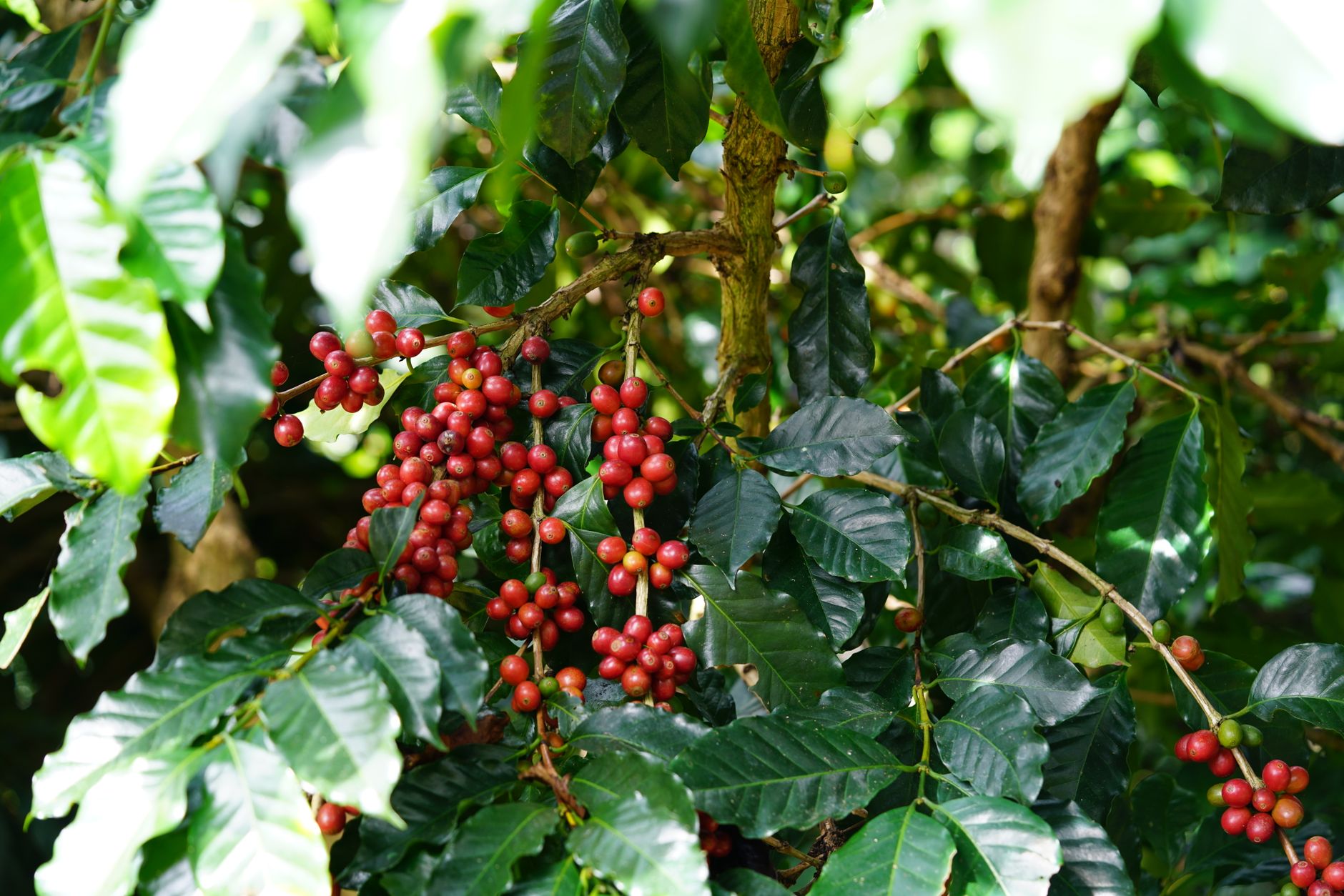
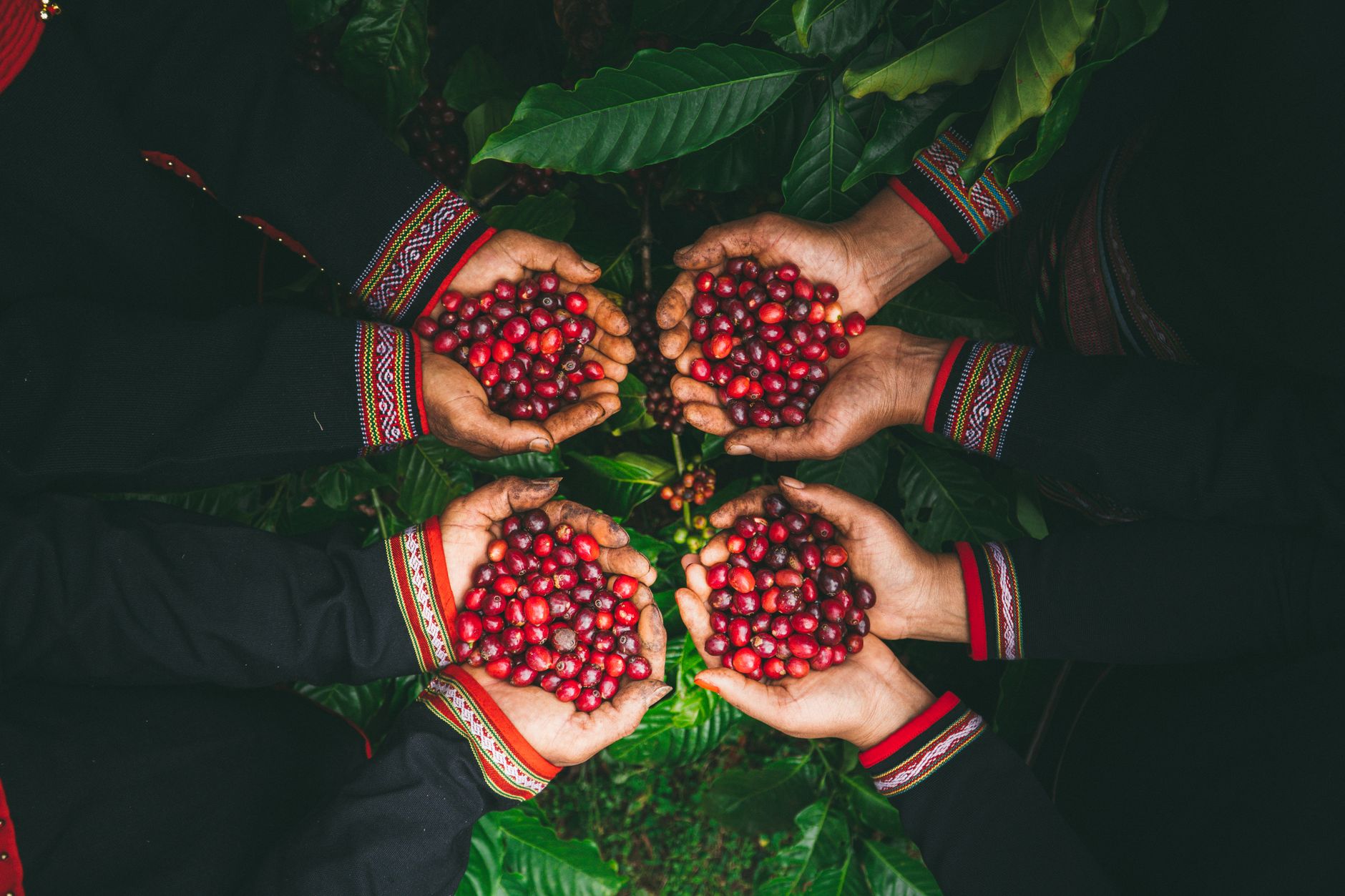
The tour drives you 20–30 km into the surrounding countryside to a working robusta plantation. You'll walk between rows of stubby coffee bushes, pick berries, and learn the harvest cycle—Buon Ma Thuot's season runs October to January, so timing matters if you want to see picking in action. The berries are red when ripe; workers hand-pick and dry them on raised beds for 3–4 weeks. Your guide will show you the drying process and the sorting by hand.
The farm stay (usually included) offers a light lunch: noodle soup, fresh fruit, coffee. Expect to pay 250,000–400,000 VND per person for the full morning experience.
Return to the city by early afternoon. Visit a local roastery—Atik Cafe or Moka Cafe are centrally located and roast on-site. Watch the roaster work, taste samples of light and dark roasts, and buy a small bag (100g–250g costs 60,000–120,000 VND). Ask the roaster how robusta differs: it's higher in caffeine and chlorogenic acid, which gives it bitterness and body. Local roasters often blend 80% robusta with 20% arabica from Da Lat for balance.
Dinner: Grilled fish at Buon Ma Thuot's night markets near the Serepok River. The fish is fresh, cooked over charcoal, and served with salt, lime, and chili. Budget 100,000–150,000 VND for two.
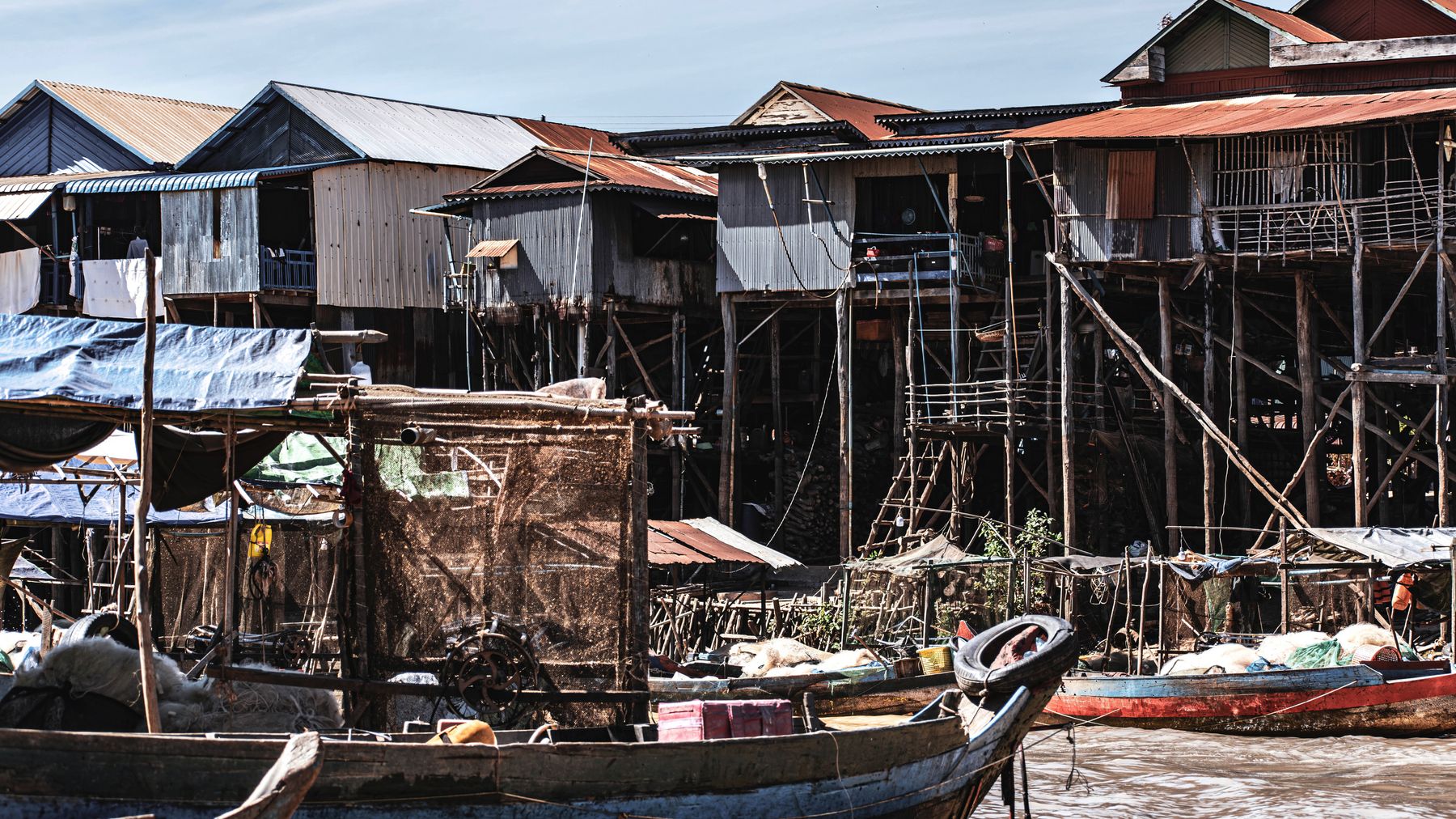
Photo by Karolina on Pexels
Day 3 — Lak Lake and Minority Villages
Take a full-day tour (departing 7–8 a.m.) to Lak Lake, about 50 km south. The lake is the largest in the Central Highlands and surrounded by villages of the Mnong ethnic minority.
Your guide will take you by jeep to a traditional "nha san" (stilt house) village. You'll walk through settlement, observe daily life—weaving, cooking, child-minding—without the staginess of some tourist traps. The Mnong are traditionally hunters and farmers; many still grow rice and cassava around the lake. If timing aligns, you might see ox carts, a primary means of transport here.
The tour includes a boat ride on the lake, usually late afternoon when the light softens. Lunch is often at a family home or a basic restaurant overlooking the water. The food is simple: grilled fish, rice, wild herbs, salt egg. It's plain, regional cooking—not spiced for outsiders.
Cost: 300,000–500,000 VND per person, including transportation, guide, lunch, and boat ride. Book through your hotel or a tour operator.
Return to the city by evening. Rest and eat a light dinner—pho or bun (noodle bowls) at a local spot.
Day 4 — Dray Nur Falls
Dray Nur is one of the Central Highlands' most powerful waterfalls, located about 40 km northwest of Buon Ma Thuot in Krong Kmar district. A day trip is standard.
The drive takes 90 minutes each way. The fall plunges 40 meters into a forest pool. During the rainy season (May–October), the volume is dramatic; in dry months (November–April), it's still scenic but less thunderous. Swimming is possible in the pool below if you bring swimwear and don't mind cold water.
The hike to the base takes 20–30 minutes on a steep, muddy path (wear proper shoes). Locals and guides navigate it easily; tourists should go slowly. The roar and mist are worth the scramble. Some tours combine Dray Nur with a nearby minority village or a second waterfall, Dray Sap, which is shorter but has a cave.
Cost: 250,000–400,000 VND per person for a guided half-day or full-day tour, depending on package.
Return to the city by mid-afternoon. Spend the evening packing and resting.

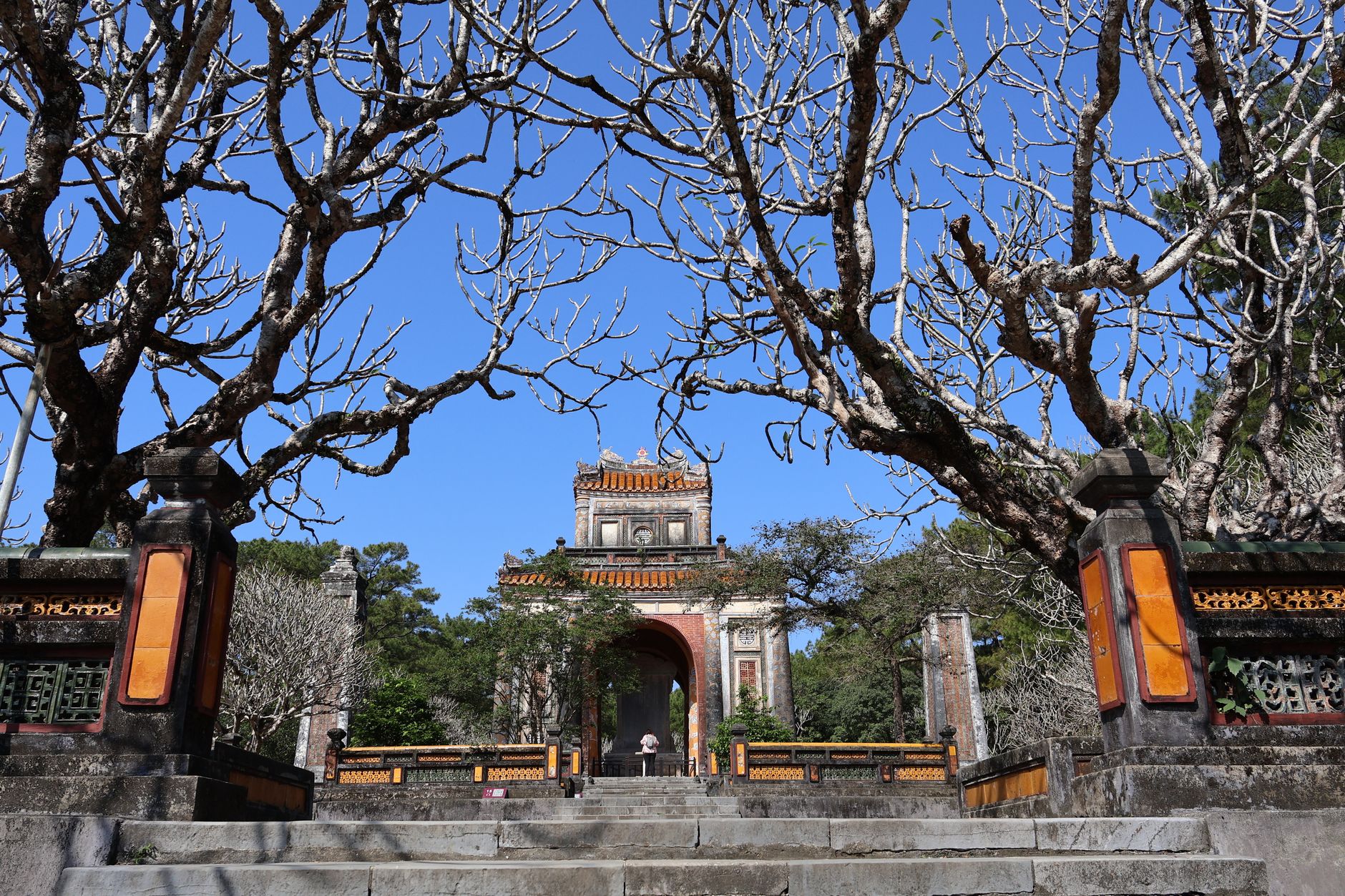
Photo by Quang Nguyen Vinh on Pexels
Day 5 — Ethnographic Museum and Departure
Visit the Buon Ma Thuot Museum of Ethnography in the morning (located on Nguyen Hue Street in the city center). The museum houses artifacts from the region's ethnic minorities—Mnong, Ede, M'Nong, Bahnar, Jarai—including traditional looms, hunting tools, gongs, and ceremonial dress. The audio guide or a human guide helps contextualize the pieces. Allow 1.5–2 hours.
Admission is around 30,000 VND. Many labels are in Vietnamese only, so hiring a guide (50,000–100,000 VND) adds clarity.
After the museum, grab a final coffee—try a local variant called "ca phe trung" (egg coffee), which is denser and creamier than the standard version and uniquely suited to robusta's heaviness. Head to the airport by early afternoon for your flight back to Saigon. Evening flights are typical; confirm your booking the day before.
Frequently Asked Questions
How much does a coffee plantation tour cost near Buon Ma Thuot?
A half-day robusta plantation tour, arranged through your hotel or operators like Buon Ma Thuot Tours or Lak Tented Camp, costs 250,000–400,000 VND per person. The tour drives 20–30 km into the countryside, includes walking the plantation, learning the harvest and drying process, and a light lunch of noodle soup, fresh fruit, and coffee. Book the night before and start around 7 a.m. to beat the heat.
What is the best time of year to visit Buon Ma Thuot for coffee harvest season?
Buon Ma Thuot's robusta harvest runs October to January. Visiting during these months lets you watch workers hand-pick ripe red coffee berries and see them laid out on raised drying beds for 3–4 weeks. Outside this window the plantations are still worth visiting, but the picking activity that makes the tour most engaging will not be happening.
How do I get from Ho Chi Minh City to Buon Ma Thuot on a budget?
Fly with Vietjet or Bamboo Airways; return flights cost 800,000–1,500,000 VND and the flight itself is about 90 minutes, though budget three hours total from the city center. From Buon Ma Thuot airport, a taxi into the city center costs around 200,000 VND. Use Grab or negotiate the fare in advance to avoid being overcharged on arrival.
Practical notes
Buon Ma Thuot lacks the infrastructure gloss of Hanoi or Saigon. Hotels are functional; restaurants serve real local food, not tourist approximations. Bring cash (VND) for small vendors; ATMs are available but not everywhere. The Highlands are cool year-round (18–25°C) compared to lowland Vietnam; pack a light jacket. October–January is harvest season and the best time to see active plantation work; July–September is rainy and less ideal. Hiring a local guide for day trips adds context and ensures access to family-run experiences rather than organized-tour traps. Allow two full days minimum for coffee immersion; three days is better.
Last updated · May 29, 2026 · independently researched, never sponsored.