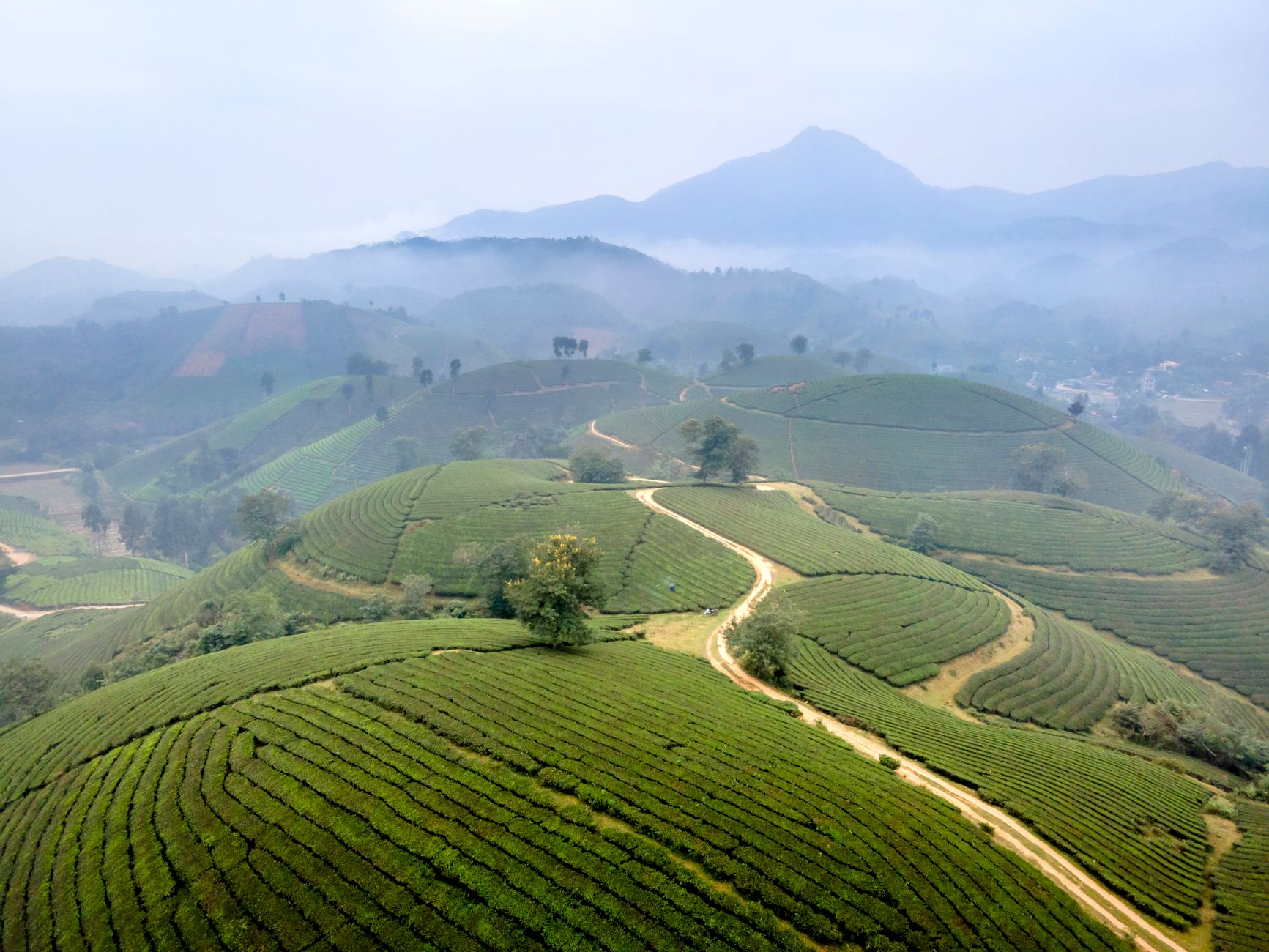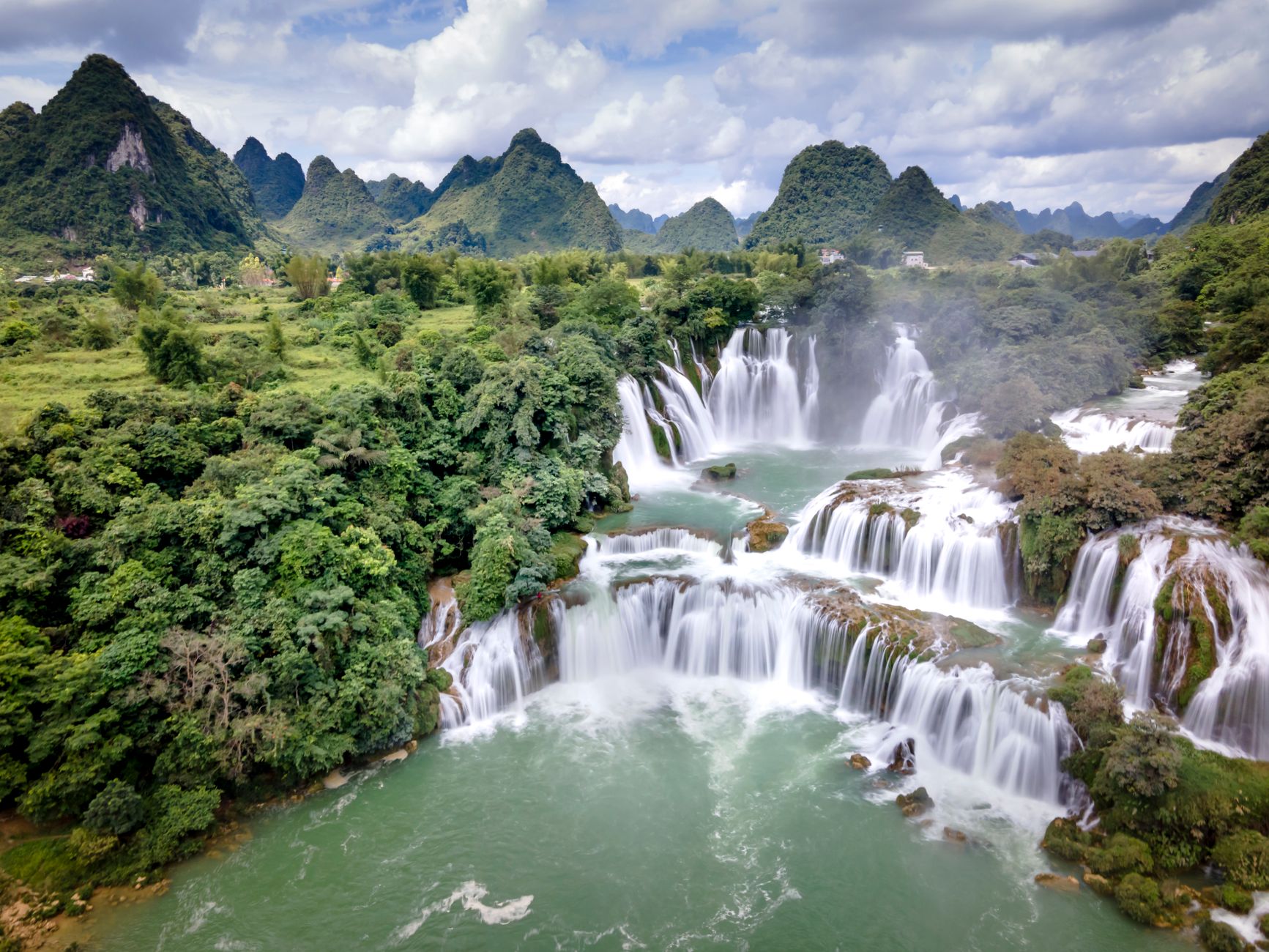
Buu Long sits about 6 km from Bien Hoa city center in Dong Nai province, and roughly 30 km northeast of Saigon. It's one of those places that locals treat as a weekend default — families with kids, couples on motorbikes, groups of uncles fishing — but relatively few foreign travelers bother with. That's part of its appeal.
What it is
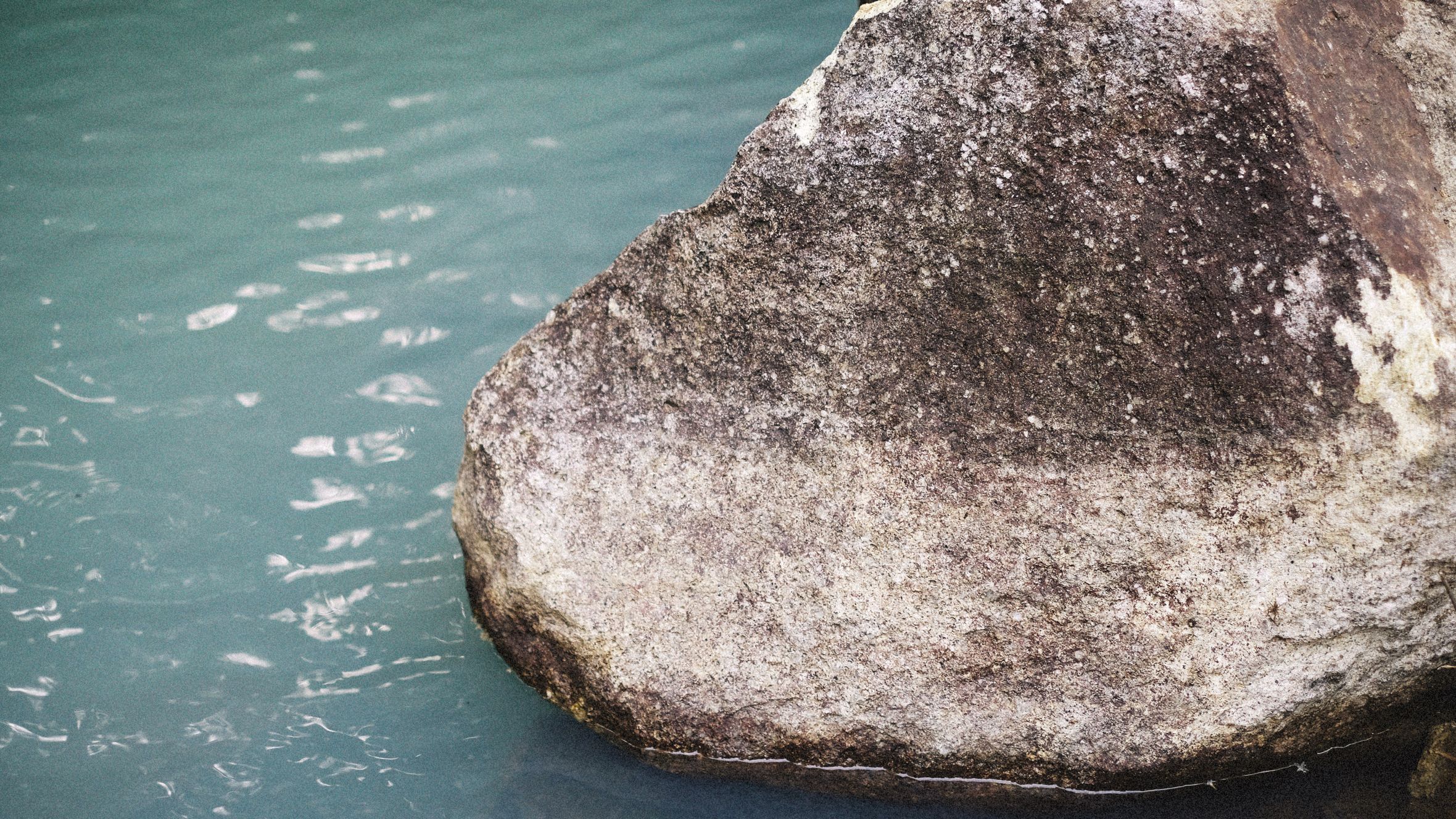
Buu Long Tourist Area (Khu Du Lich Buu Long) is built around Long An lake, a body of water surrounded by weathered granite formations and low hills covered in tropical scrub. The rock here is old — granite karst that's been eroding for millions of years into shapes that loosely recall Ha Long Bay, which is why Vietnamese media sometimes calls this place "Ha Long Bay of the South." That comparison oversells it, but the landscape is genuinely distinctive for southern Vietnam (베트남 / 越南 / ベトナム), where flat rice paddies and rubber plantations are the norm.
The area also includes Buu Long Pagoda, perched on one of the granite hills, and several smaller temples scattered around the lake. A quick geography note: Dong Nai province recently absorbed the former Binh Phuoc province in an administrative merger. Buu Long's location hasn't changed — it's still just outside Bien Hoa — but you may see updated provincial references on newer maps.
Why travelers go
The honest answer: proximity to Saigon and the fact that it doesn't feel like Saigon. The granite outcrops rising from still water create a landscape you won't find elsewhere in the southern lowlands. It's not a full-day destination on its own, but it pairs well with other Dong Nai stops — the Cau An Hao area, Tri An Lake, or the Dong Nai coffee farms further north. For anyone based in Ho Chi Minh City (호치민시 / 胡志明市 / ホーチミン市) who wants to get out without committing to a Mekong Delta or Phu Quoc trip, Buu Long is a reasonable option.
Best time to visit
The dry season — December through April — is the comfortable window. Skies are clear, humidity is lower (relatively), and the lake water looks its best under direct sun when the granite reflects green. The wet season (May through November) brings afternoon downpours that can make the hillside paths slippery and the lake muddy. Weekdays year-round are quieter than weekends, when the parking lot fills with motorbikes by 9 AM.
Early morning visits (before 8 AM) get you the best light on the lake and fewer people at the pagoda.
How to get there from Saigon
By motorbike or car: Take National Highway 1A (Quoc Lo 1A) northeast toward Bien Hoa, then follow signs toward Buu Long. The ride is about 30 km and takes 45–90 minutes depending on traffic. Saigon's northeastern corridor is congested during rush hours, so leave before 7 AM or after 9 AM.
By bus: Catch a public bus from Ben Xe Mien Dong (Eastern Bus Station) in Saigon heading to Bien Hoa. The fare is around 20,000–30,000 VND. From Bien Hoa bus station, a Grab bike to Buu Long runs about 25,000–40,000 VND.
By Grab/taxi: A Grab car from central Saigon costs roughly 250,000–350,000 VND one way. Not cheap, but straightforward.
Entry to the tourist area itself costs around 30,000–50,000 VND per person (prices adjust periodically).

Photo by Sóc Năng Động on Pexels
What to do
Walk the lake circuit
A paved path loops around Long An lake, roughly 2 km. The eastern side has the best views of the granite formations reflected in the water. It's flat, easy, and takes about 30–40 minutes at a slow pace. Benches are scattered along the route.
Visit Buu Long Pagoda
The pagoda sits on a granite hill overlooking the lake. The architecture blends Vietnamese Buddhist and Khmer-influenced styles — the main hall has a layered spire that feels more Mekong Delta than northern Vietnam. Stairs carved into the rock lead up; the climb takes about 10 minutes. From the top, you get a wide view of the lake and surrounding countryside. Dress modestly (knees and shoulders covered).
Rent a swan boat
Pedal boats shaped like swans are available for hire on the lake — around 80,000–100,000 VND for 30 minutes. It's kitschy, sure, but paddling among the granite outcrops is the only way to see them up close. The water is calm enough that even small kids handle it fine.
Explore the smaller temples and caves
Several small shrines and shallow caves are tucked into the granite hills around the lake's perimeter. None are individually remarkable, but the combination of incense smoke, worn stone, and tree roots pushing through rock gives the area a layered, lived-in atmosphere. Look for the cave temple on the northern hillside — it's easy to miss if you stick to the main path.
Climb to the hilltop viewpoints
Beyond the pagoda, informal trails lead to higher granite outcrops. The footing is uneven and there are no guardrails, so wear proper shoes. The reward is a wider panorama over the Dong Nai River plain.
Where to eat nearby
Buu Long itself has a few food stalls selling standard Vietnamese fare — rice plates, instant noodles, snacks. Nothing destination-worthy. For better eating, head into Bien Hoa proper.
Dong Nai is known for "bun bo Hue" — the spicy beef noodle soup originally from Hue but deeply adopted in the south. Shops along Pham Van Thuan street in Bien Hoa serve solid bowls for 40,000–55,000 VND. You'll also find good "com tam" (broken rice plates with grilled pork) at stalls near Bien Hoa market — a southern staple that's consistently reliable in this part of the country.
If you want Vietnamese coffee before or after, the local "ca phe sua da" culture in Bien Hoa is strong. Small sidewalk cafes outnumber chain shops.
Where to stay
Most visitors treat Buu Long as a day trip from Saigon. If you want to stay locally:
- Budget: Guesthouses (nha nghi) in Bien Hoa run 200,000–400,000 VND per night. Basic but functional.
- Mid-range: Hotels along the Bien Hoa highway corridor offer air-conditioned rooms with breakfast for 500,000–900,000 VND.
- Resort-style: A handful of newer resorts near Dong Nai River charge 1,200,000–2,000,000 VND per night with pools and gardens.

Photo by Toàn Văn on Pexels
Practical tips locals would tell you
- Bring water and sunscreen. Shade is limited along the lake path, especially midday.
- Wear closed-toe shoes if you plan to climb the hills. The granite is smooth and can be slippery, particularly after rain.
- The parking lot charges a small fee (5,000–10,000 VND for motorbikes). Keep your ticket.
- Mosquito repellent is useful near the lake in the late afternoon.
Common mistakes to avoid
- Coming on a Sunday expecting solitude. Weekends are packed with local families. If you want calm photos of the lake, visit on a weekday morning.
- Expecting a full-day destination. Two to three hours covers Buu Long thoroughly. Plan a second stop — the Dong Nai countryside or a lunch spot in Bien Hoa — to round out the trip.
- Skipping the smaller trails. Most visitors stick to the main lakeside path and the pagoda stairs. The quieter hillside trails are where the place gets interesting.
- Driving back through Saigon at 5 PM. The Bien Hoa–Saigon corridor is notorious for rush-hour gridlock. Leave by 3 PM or wait until after 7 PM.
Practical notes
Buu Long works best as part of a broader Dong Nai day trip from Saigon, not as a standalone destination. Pair it with lunch in Bien Hoa and a stop at a local coffee farm or Tri An Lake for a full day. It's a low-key, unpretentious spot — and in a country where major tourist sites can feel engineered for Instagram, that's worth something.
Last updated · May 29, 2026 · independently researched, never sponsored.