Three granite boulders, stacked on top of each other with no apparent reason to stay upright, sitting in the middle of a low hill in Dinh Quan district. That's Da Ba Chong — and it's one of those places in southern Vietnam (베트남 / 越南 / ベトナム) that locals know well but rarely makes it onto tourist itineraries.
What it is and why it's there
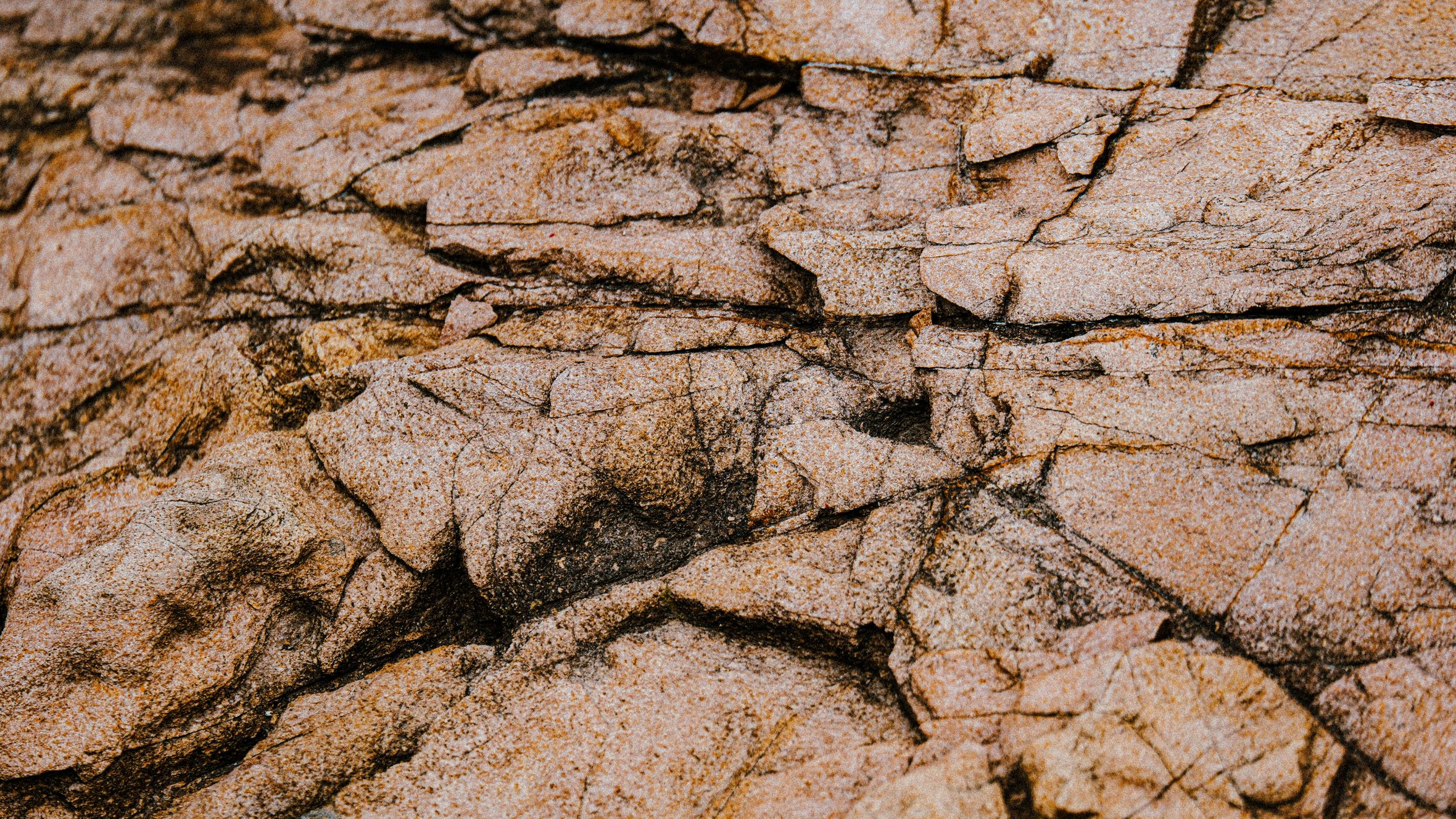
Da Ba Chong (literally "three stacked stones") is a natural rock formation about 120 km northeast of Saigon, in what is now the expanded Dong Nai province. The formation consists of three large granite boulders balanced on top of one another, the largest estimated at over 200 tons. Geologists attribute the formation to millions of years of erosion wearing away softer surrounding rock, leaving the harder granite cores perched in what looks like an impossible arrangement.
The site has carried spiritual significance for local communities for centuries. There's a small shrine at the base, and you'll often see incense and offerings. During the resistance wars, the area around Da Ba Chong served as a base for guerrilla forces — there's a modest monument nearby marking this history, similar in spirit to the way Cu Chi Tunnels preserves wartime memory in the south.
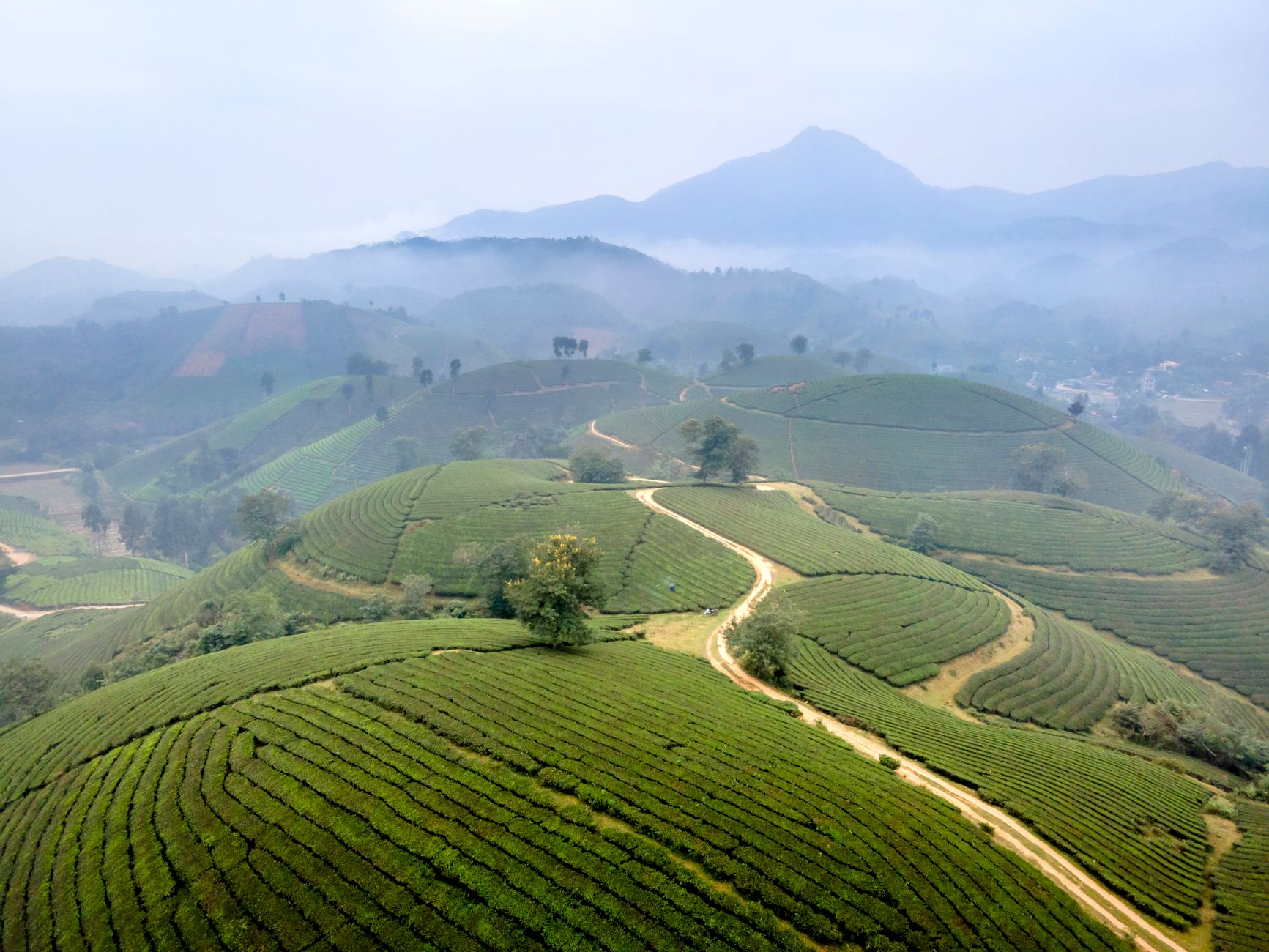
The surrounding area was designated a provincial heritage site, and it sits within a larger zone of gentle hills, cashew orchards, and laterite roads that feel far removed from the sprawl of Saigon (사이공 / 西贡 / サイゴン).
Why travelers go
Honestly, Da Ba Chong isn't a full-day destination on its own. People come here for three reasons: the genuinely strange visual of these balanced rocks (they photograph better than you'd expect), the quiet countryside scenery of Dinh Quan district, and the chance to combine it with other stops in the Dong Nai highlands — La Nga River, Tri An Lake, or even a longer push toward Cat Tien National Park.
It's the kind of place that rewards a motorbike trip more than a bus tour. You get there, you walk around for 30-45 minutes, you sit under a tree, and then you ride on. The journey is most of the appeal.
Best time to visit
November through April — the dry season in southern Vietnam. The laterite access roads get muddy and slippery in the wet months (May-October), and the surrounding landscape looks its best when the cashew trees are green but the trails aren't waterlogged. Weekday mornings are quietest; weekends bring domestic visitors, especially around Tet when families make day trips from Saigon.

Photo by HONG SON on Pexels
How to get there from Saigon
By motorbike
The most common way. Take National Highway 1A north to the Dong Nai Bridge area, then connect to Highway 20 heading toward Da Lat. At Dinh Quan town, turn off toward the site — it's signposted as "Da Ba Chong" from the main road, about 5 km down a smaller road. Total ride from central Saigon: roughly 120 km, 2.5-3 hours depending on traffic getting out of the city.
By bus + xe om
Catch a bus from Mien Dong bus station heading toward Bao Loc or Da Lat along Highway 20. Ask to be dropped at Dinh Quan town (around 60,000-80,000 VND). From Dinh Quan's main road, a local "xe om" (motorbike taxi) to Da Ba Chong runs about 30,000-50,000 VND one way. Agree on a return pickup time or you'll be waiting.
By car
Same route as motorbike. Parking is available near the site entrance — it's a dirt lot, free of charge.
What to do
Walk the rock formation trail. A short path loops around and up to the base of the three stacked boulders. It's not a hike — maybe 15 minutes of walking — but the angles change dramatically as you circle the rocks. The view from slightly uphill, where you can see all three stones plus the surrounding countryside, is the shot most people come for.
Visit the war memorial. A small monument and information boards (in Vietnamese) sit near the entrance area, documenting the site's role during wartime. Worth a few minutes even if you can't read the text — the old photographs are interesting.
Ride the back roads around Dinh Quan. The real pleasure here. Once you've seen the rocks, head out on the smaller roads through cashew and rubber plantations. The stretch between Dinh Quan and La Nga town follows the La Nga River and is genuinely pleasant riding — flat, quiet, with river views.
Combine with Tri An Lake. About 40 km southwest of Da Ba Chong, Tri An Lake is a large reservoir popular for fishing and lakeside eating. Makes a logical second stop if you're making a day of it from Saigon.
Stop at a local orchard. Dinh Quan district grows cashew, durian, and rambutan. Depending on season (durian peaks May-August, rambutan June-August), you can buy fruit directly from roadside sellers for a fraction of Saigon prices.
Where to eat nearby
Dinh Quan town has a strip of "com binh dan" (everyday rice) places along Highway 20. Look for the ones packed with truck drivers — that's your quality signal.
The local dish worth seeking is "ga nuong Dinh Quan" — grilled chicken from free-range birds raised in the surrounding hills, served with salt-pepper-lime dip and broken rice. A plate runs 80,000-120,000 VND and it's noticeably better than the Saigon version. A few restaurants near the Highway 20 junction specialize in this.
If you're continuing toward La Nga, the riverside restaurants serve freshwater fish — grilled snakehead or steamed tilapia with tamarind sauce. Simple, fresh, around 100,000-150,000 VND per dish.

Photo by Thái Trường Giang on Pexels
Where to stay
Most people visit Da Ba Chong as a day trip from Saigon or as a stop en route to Da Lat. If you want to overnight:
- Budget nha nghi (guesthouses) in Dinh Quan town: 200,000-350,000 VND/night. Basic rooms, fan or AC, hot water if you're lucky. Clean enough.
- Tri An Lake area homestays: 400,000-700,000 VND/night. A better overnight option — some have lake views and serve home-cooked meals.
- Push on to Da Lat: Another 3 hours up Highway 20. If you left Saigon early and visited Da Ba Chong by midday, Da Lat by evening is very doable.
Practical tips
- Bring water and sunscreen. There's minimal shade at the rock formation itself, and no vendors on site.
- The access road is paved but narrow. If you're on a motorbike after rain, take it slow on the last kilometer.
- Phone signal is fine — Viettel and Mobifone both cover the area. If you're picking up a SIM card for your trip, grab one in Saigon before you head out.
- There's no entrance fee as of early 2025, though this could change.
Mistakes to avoid
Don't make it your only destination. Da Ba Chong alone doesn't justify a 5-6 hour round trip from Saigon. Pair it with Tri An Lake, a ride along the La Nga River, or fold it into a Saigon-to-Da Lat road trip.
Don't come without your own wheels. Public transport gets you to Dinh Quan town, but the last stretch and any exploration beyond the rocks requires a motorbike or car. Renting a semi-auto in Saigon runs about 150,000-200,000 VND/day.
Don't skip the countryside. The rocks are interesting for 30 minutes. The ride through Dong Nai's plantation country is interesting for hours. Budget your time accordingly.
Last updated · May 29, 2026 · independently researched, never sponsored.