Chua Buu Quang — also known locally as Chua Gia Lao — sits in the forested hills of what was formerly Binh Phuoc province, now part of the expanded Dong Nai after the recent administrative merger. It's the kind of place that doesn't appear on most tourist radars, which is exactly why it's worth the trip if you're already in the south and want a temple visit that isn't choreographed for Instagram.
What it is and how it got here
Chua Buu Quang is a Mahayana Buddhist temple that dates back several decades, established by monks who chose this patch of hilly, laterite-red terrain for its isolation and natural surroundings. The name "Buu Quang" translates roughly to "Precious Light," and the alternative name Chua Gia Lao comes from the commune where it's located. The temple complex has been expanded over the years through donations from the local Buddhist community, but it still feels modest compared to the mega-pagodas you find closer to Saigon. There's no gilded everything here — just clean lines, incense smoke, and a lot of trees.
The grounds include the main worship hall, a smaller meditation area, gardens with Buddhist statuary, and walking paths through the surrounding greenery. Resident monks maintain the temple and are generally welcoming to visitors, though this is an active place of worship first and a tourist site second.
Why travelers go
Honestly, most foreign travelers don't — and that's part of the appeal. Chua Buu Quang draws Vietnamese Buddhists on pilgrimages and weekenders from Dong Nai and nearby provinces looking for a day of quiet. If you're the type who finds places like Bai Dinh too commercial or too crowded, this is the opposite end of the spectrum. The temple's hillside position gives it a cooler microclimate than the lowlands, and the surrounding forest hasn't been cleared for parking lots. You come here for the atmosphere, not for a checklist.
It also works well as a stop on a longer loop through the northern Dong Nai countryside, especially if you're combining it with rubber plantation scenery or the waterfalls in the area.
Best time to visit
The dry season — roughly November through April — is the most comfortable window. Roads to the temple are manageable year-round, but the red laterite tracks in the immediate area get slippery and muddy during heavy rains from June to September. Mornings are best for the light and the temperature; arrive before 9 AM if you can.
During Tet and major Buddhist holidays (Vesak in particular, usually in May), the temple sees more activity — ceremonies, chanting, and offerings. It's a more immersive experience but also busier. For solitude, go on a random weekday outside of festival season.
How to get there
The nearest major hub is Bien Hoa, the capital of Dong Nai, which is about 30 km south of Saigon (사이공 / 西贡 / サイゴン). From Bien Hoa, Chua Buu Quang is roughly 80–100 km north depending on the exact route, through the former Binh Phuoc area.
From Saigon: The most practical option is motorbike or private car. Head north on National Route 13 or cut through Thu Dau Mot and up through the countryside. Total drive time from central Saigon is around 2.5–3.5 hours depending on traffic and your exact starting point. A Grab car one-way would run 600,000–900,000 VND, though finding a return ride from the area can be tricky — negotiate a round trip or have a backup plan.
From Bien Hoa: About 1.5–2 hours by motorbike heading north. Local buses run toward the former Binh Phuoc towns, but schedules are irregular and you'll likely need a "xe om" (motorbike taxi) for the last stretch. Budget around 50,000–80,000 VND for the bus portion, plus 100,000–150,000 VND for the final ride.
Renting a motorbike in Saigon (150,000–200,000 VND/day) and making a day of it is probably the best move if you're comfortable on two wheels.

Photo by Hồng Quang Official on Pexels
What to do
Walk the temple grounds
Take your time with the main hall, the outdoor Buddhist statues, and the garden paths. The architecture is traditional southern Vietnamese pagoda style — less ornate than Hue's temples, more functional. Look for the large seated Buddha and the Quan Am (Avalokitesvara) figures in the gardens.
Sit in on morning chanting
If you arrive early enough (usually around 5:30–6:00 AM), monks conduct morning prayers. You're welcome to sit quietly at the back. Remove your shoes, dress modestly (cover shoulders and knees), and keep your phone silent.
Explore the surrounding hills
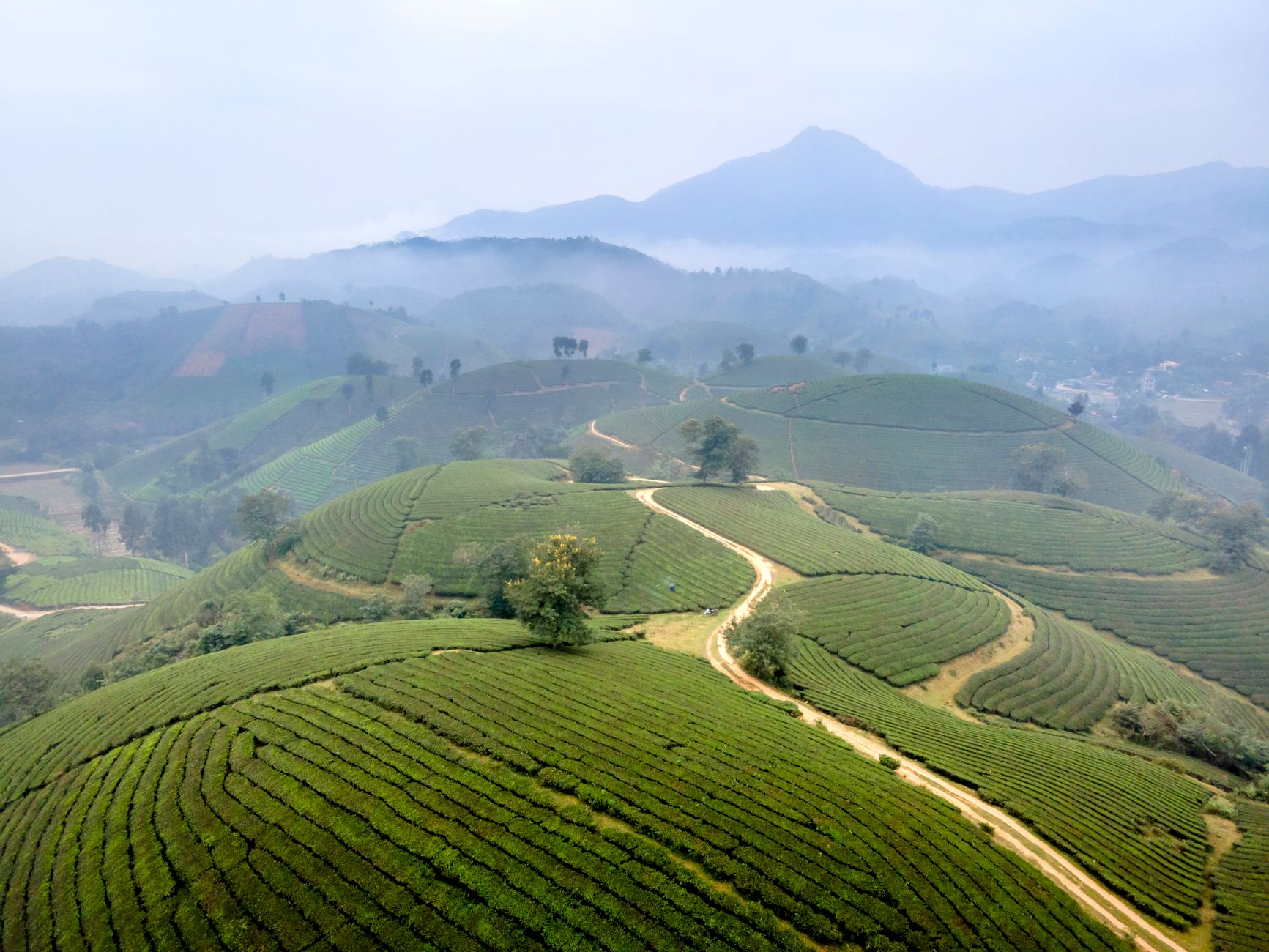
The area around the temple has informal walking trails through secondary forest and rubber plantations. Nothing is signposted — just follow the dirt paths and keep the temple's roofline in sight. Good for an hour of wandering.
Talk to the monks
Several of the resident monks speak some English or are happy to communicate through gestures and Google Translate. If you're genuinely curious about Vietnamese Buddhism or daily monastic life, this is a far better place to have that conversation than a tourist-heavy pagoda.
Visit nearby waterfalls
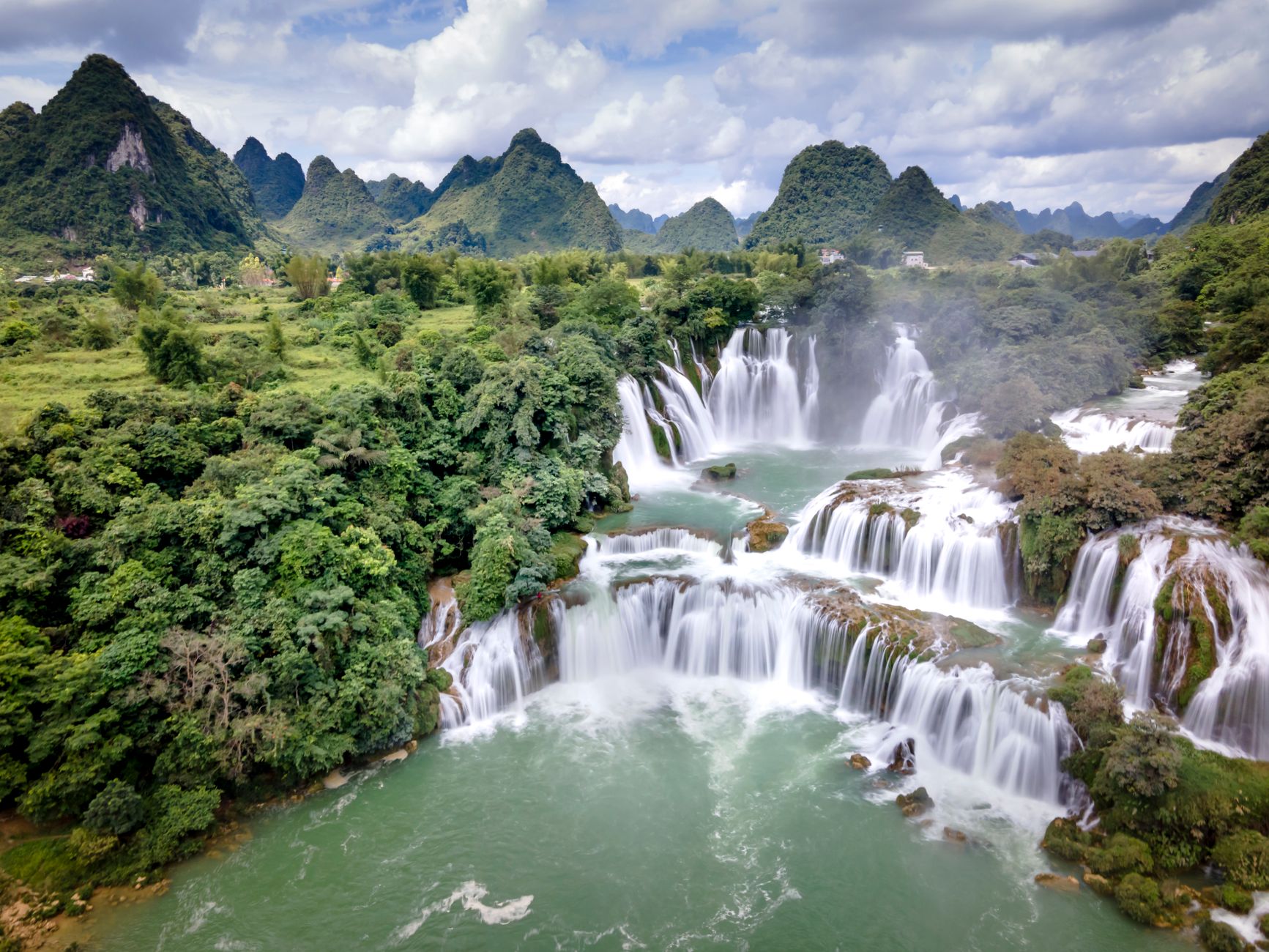
The northern Dong Nai / former Binh Phuoc area has several small waterfalls, particularly in the wet season. Ask locally for current conditions — some are seasonal and dry up by February.
Where to eat nearby
Don't expect a restaurant row. The closest food options are in the nearest town, usually small "com binh dan" (everyday rice) shops serving rice with grilled pork, fried egg, pickled vegetables, and broth for 30,000–45,000 VND. Look for "com tam" — broken rice with grilled pork chop — which is the default lunch across the south and done well even at roadside joints here.
If you pass through Bien Hoa on the way back, stop for "banh canh" — thick tapioca noodle soup with pork knuckle or crab, a southern staple that Bien Hoa does particularly well. A bowl runs 40,000–55,000 VND.
Where to stay
There isn't tourist accommodation at the temple itself, though some pagodas in Vietnam offer basic overnight stays for pilgrims — ask the monks if this is available and make a small donation (100,000–200,000 VND is appropriate). Otherwise, the nearest guesthouses and "nha nghi" (basic lodges) are in the closest town center, typically 150,000–300,000 VND per night for a clean room with air conditioning and hot water. Don't expect English-speaking staff.
For more comfort, base yourself in Bien Hoa (plenty of hotels in the 400,000–800,000 VND range) and make it a day trip.

Photo by ㅤ quang vinh ㅤ on Pexels
Practical tips locals would tell you
- Dress code matters. This is a working temple. Long pants or a skirt below the knee, covered shoulders. No one will turn you away, but you'll get looks.
- Bring cash. There are no ATMs nearby. Carry enough for food, fuel, and a small donation at the temple (any amount is fine — even 20,000 VND is appreciated).
- Water and sunscreen. There's limited shade on the roads getting there, and no convenience stores near the temple.
- Fuel up before the last stretch. Fill your tank in the nearest sizable town. Petrol stations thin out quickly in this area.
Common mistakes to avoid
- Trying to do it as a quick stop. The drive alone takes real time. Commit to a half-day minimum or combine it with other stops in the area.
- Showing up during lunch hours. Monks rest from roughly 11:30 AM to 1:30 PM. The temple is open but the atmosphere is dormant.
- Expecting tourist infrastructure. No English signage, no ticket booth, no gift shop. That's the point — but plan accordingly.
Practical notes
Chua Buu Quang works best as part of a self-directed day trip through Dong Nai's northern countryside, ideally by motorbike. It rewards patience more than planning — the kind of place where the drive through rubber plantations and red-dirt roads is half the experience. If you're spending time in Saigon and want a reason to get out of the city that isn't Vung Tau (붕따우 / 头顿 / ブンタウ) or Cu Chi Tunnels, this is a solid, unhurried option.
Last updated · May 26, 2026 · independently researched, never sponsored.