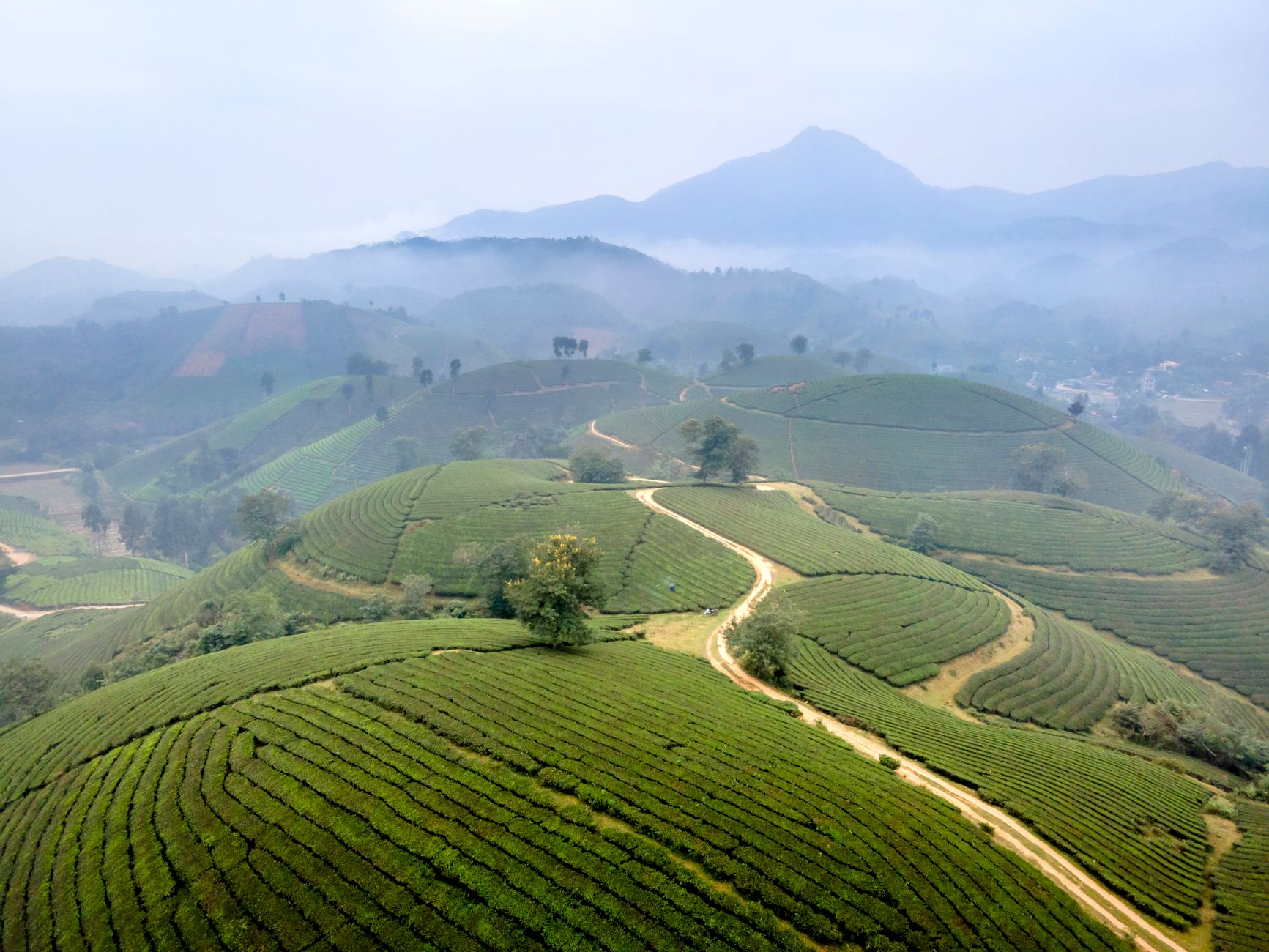
What Is Dao Con O?
Dao Con O is a narrow alluvial island sitting in the Dong Nai River, in what was formerly part of Dong Nai Province's rural northeast (now administratively merged with Binh Phuoc). It's not on most tourist radars, and that's a large part of its appeal. The island is small — you can walk its length in under an hour — and home to a handful of families who farm fruit, raise fish, and generally live at a pace that makes even Da Lat feel rushed.
The name "Con O" roughly references a type of bird (the crow or a local river bird, depending on who you ask), and the island has been inhabited for generations by families who settled along this stretch of the Dong Nai River. There's no resort development, no ticket booth, no Instagram walkway. It's a working river island with a few homestays that welcome visitors.
Why Travelers Go
People come here to disconnect. That sounds like a cliche, but Dao Con O genuinely has limited phone signal in places and zero nightlife. The draw is the riverscape itself — slow-moving water, fruit orchards (longan, jackfruit, mango depending on season), and a pace of life built around tides and harvests rather than alarm clocks.
It's also a legitimate option if you're based in Saigon and want a day trip or overnight that doesn't involve the well-worn Mekong Delta (메콩 델타 / 湄公河三角洲 / メコンデルタ) circuit through Can Tho or the beaches of Vung Tau. The Dong Nai River corridor is underrated for casual exploration, and Con O gives you a reason to get out on the water without a tour group.
Best Time to Visit
The dry season — roughly November through April — is the most comfortable window. The river is calmer, rain is rare, and fruit is abundant (especially longan season around July-August if you stretch into early wet season). Avoid September and October if you can: the river runs high, boat crossings can be choppy, and the island's dirt paths turn to mud.
Weekdays are better than weekends. A handful of Saigon (사이공 / 西贡 / サイゴン)-based day-trippers have started discovering the island, and Saturday mornings can bring small groups. Midweek, you'll likely have the place mostly to yourself.
How to Get There From Saigon
From central Saigon, drive northeast toward Bien Hoa and continue on National Highway 1A, then cut north along provincial roads toward the Dong Nai River crossing point. Total driving distance is roughly 100-120 km depending on your exact route, and it takes about 2.5-3 hours by motorbike or car, factoring in Saigon traffic on the way out.
- By motorbike: The most flexible option. Rent a bike in Saigon (150,000-200,000 VND/day) and ride up. The roads are paved until the final stretch near the river, where you'll hit some dirt track.
- By car or bus: Take a bus from Mien Dong bus station to Dong Nai (around 60,000-80,000 VND), then arrange a local "xe om" (motorbike taxi) to the boat crossing point. Budget 50,000-100,000 VND for the xe om leg.
- River crossing: A small local boat ferries passengers to the island. Expect to pay 20,000-50,000 VND per person for the crossing, depending on whether you charter or share. There's no fixed schedule — you flag down a boatman or call ahead if your homestay can arrange pickup.
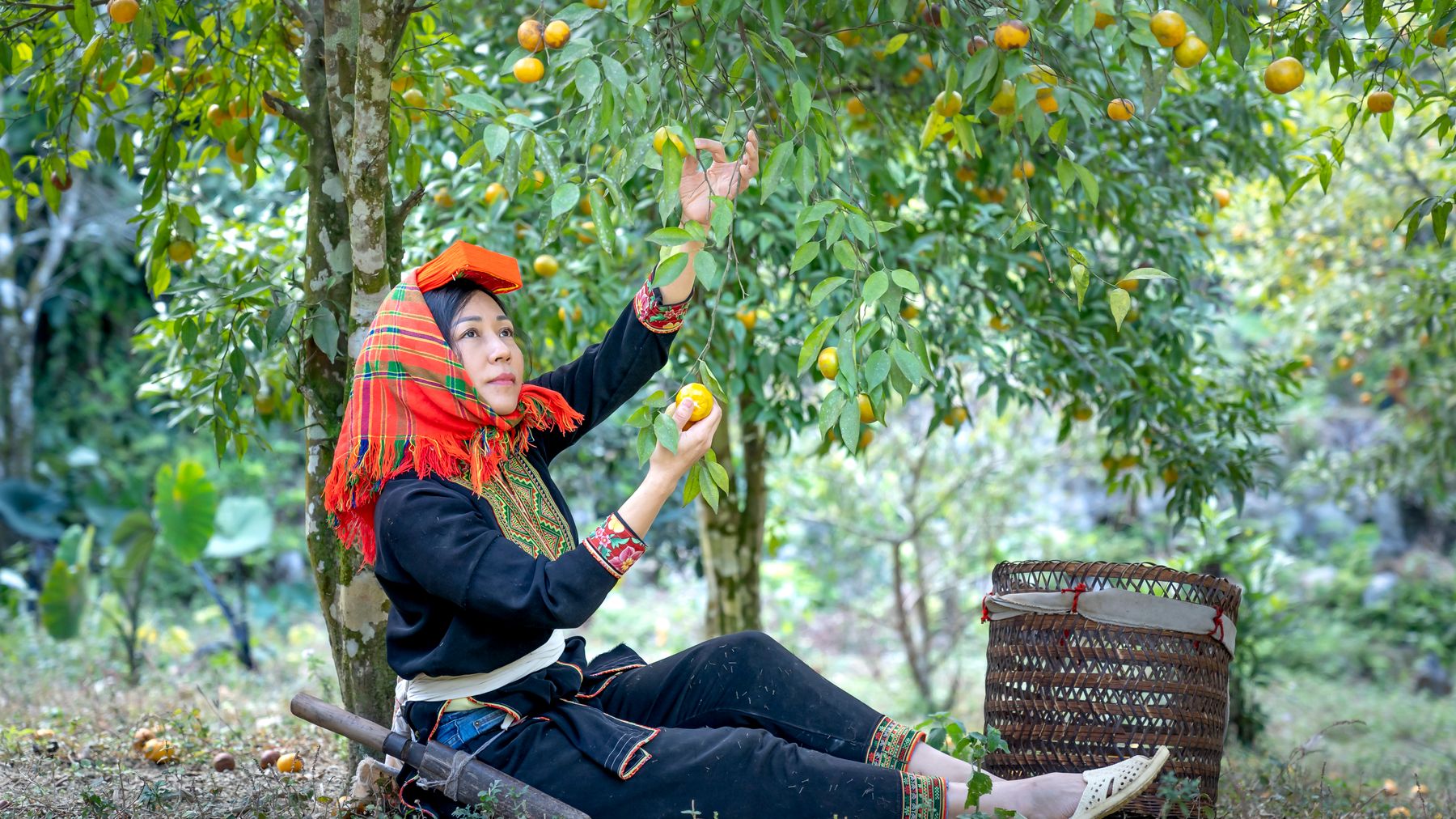
Photo by Quang Nguyen Vinh on Pexels
What to Do on the Island
Walk the Orchard Paths
The island is laced with narrow dirt paths running between fruit orchards. Longan, jackfruit, rambutan, and mango trees line the trails. Farmers are generally friendly — if you ask politely, many will let you pick and taste fruit directly. Bring a bag and expect to pay a small amount (20,000-30,000 VND) for whatever you take.
Fish From the Riverbank
Bring a simple rod or borrow one from your homestay. The Dong Nai River around the island holds catfish, tilapia, and various small river species. Early morning is best. Nobody will ask for a permit — this is casual village-level fishing, not a charter operation.
Kayak or Row Around the Island
Some homestays have basic kayaks or wooden rowing boats available. Paddling the island's perimeter takes about 45 minutes and gives you a different perspective on the riverbank — bird life is more visible from the water, especially at dawn.
Visit the Local Families
This isn't a curated "cultural experience" — it's just what happens when you walk around a small island where everyone knows each other. Stop at a front yard, say "xin chao," and you'll probably end up drinking tea. If someone offers you homemade rice wine, accept — but pace yourself.
Hammock Time
Seriously. The island's greatest activity is doing nothing. Most homestays have hammocks strung between trees overlooking the river. Bring a book.
Where to Eat Nearby
On the island itself, food options are limited to whatever your homestay prepares — usually river fish, rice, greens, and seasonal fruit. The fish dishes are the highlight: grilled catfish wrapped in banana leaf, or a sour soup ("canh chua") made with tamarind and whatever was pulled from the river that morning.
Back on the mainland near the boat crossing, look for local "com binh dan" (everyday rice) shops. A plate runs 30,000-45,000 VND. If you're heading back through Bien Hoa, stop for "hu tieu" — the southern-style noodle soup is a regional staple and Bien Hoa does a solid version with pork and shrimp.
Where to Stay
Accommodation on Dao Con O is basic. A few families operate homestays with simple rooms or shared sleeping areas. Expect to pay 200,000-400,000 VND per night, sometimes including dinner and breakfast. Air conditioning is unlikely — you get a fan and mosquito net.
If you want something more comfortable, stay in Bien Hoa (budget hotels from 300,000 VND, mid-range around 600,000-800,000 VND) and treat the island as a day trip.
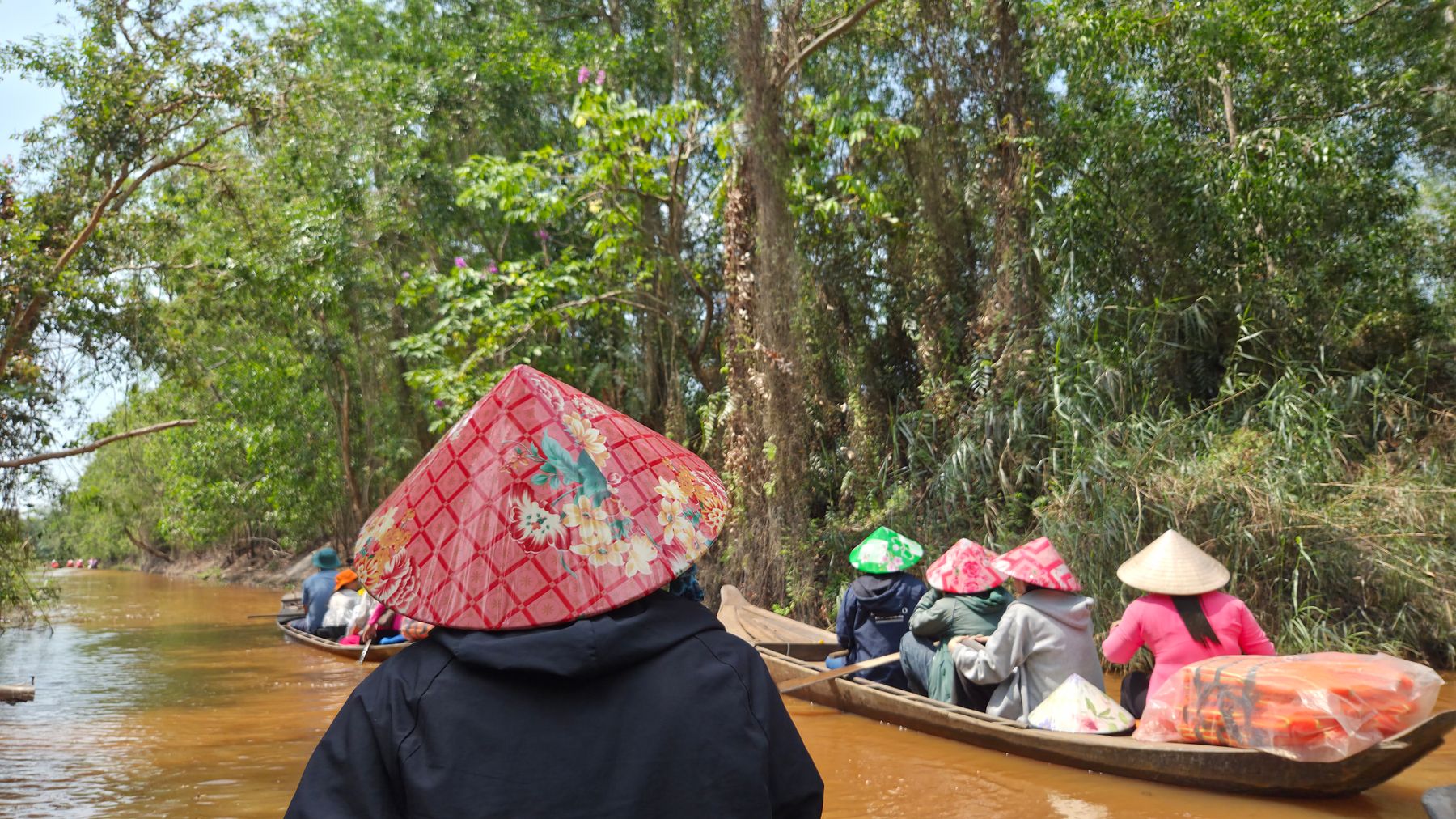
Photo by Nhẫn Nguyễn on Pexels
Practical Tips Locals Would Tell You
- Bring cash. There are no ATMs on the island and no card machines. Bring enough VND for your stay plus boat crossings.
- Pack mosquito repellent. The river island environment means mosquitoes are aggressive, especially at dusk. Homestay nets help at night, but you need spray for the evening hours.
- Charge your phone before you go. Electricity on the island can be inconsistent. A portable battery bank is worth the bag space.
- Wear shoes you don't mind getting muddy. Flip-flops are fine in dry season, but after any rain the paths get slippery fast.
- Learn three phrases: "Xin chao" (hello), "Cam on" (thank you), "Bao nhieu" (how much). English is essentially nonexistent here.
Common Mistakes to Avoid
- Showing up without calling ahead. The boat crossing isn't a ferry service — if no one knows you're coming, you might wait a long time on the riverbank. Have your homestay arrange the pickup.
- Expecting a polished eco-tourism experience. This is a real village, not a resort island. If you need hot showers and Wi-Fi, this isn't your trip.
- Driving back to Saigon after dark. The provincial roads north of Bien Hoa are poorly lit and truck traffic picks up at night. Leave the island by mid-afternoon if you're riding a motorbike back to the city.
Practical Notes
Dao Con O works best as a 1-night escape from Saigon or a stop on a longer road trip through the Dong Nai river corridor. It pairs well with a visit to Cat Tien National Park further north. Don't expect polish — expect quiet, good fruit, and a river that moves slower than you do.
Last updated · May 26, 2026 · independently researched, never sponsored.