What it is and why it matters
Dong Phong Nha (퐁냐 / 峰牙 / フォンニャ) is the flagship cave of the Phong Nha-Ke Bang National Park, a UNESCO World Heritage Site in central Vietnam. The cave system stretches roughly 7,729 meters into the Ke Bang limestone massif, with an underground river running through most of it. Local Nguon and Arem ethnic communities knew about the cave for centuries, but it entered Western records in 1899 when a French-Vietnamese expedition mapped the first kilometer. Serious exploration didn't pick up until the British Cave Research Association arrived in the 1990s, and tourism infrastructure only caught up in the 2010s.
This isn't just one cave. The broader park holds Son Doong (the world's largest cave passage by volume), Thien Duong (Paradise Cave), Hang En, Hang Va, Tu Lan, and dozens more. But Dong Phong Nha itself remains the most accessible — you can visit without a multi-day trek or a lottery ticket.
Why travelers go
The draw is straightforward: you boat into the mouth of a mountain. The Son river funnels into the cave entrance, and from there you drift through chambers with formations that have been building for roughly 400 million years. The scale of it hits differently than photos suggest. Stalactites cluster in columns 20-30 meters overhead. The river is shallow and clear enough to see the bottom even 500 meters inside.
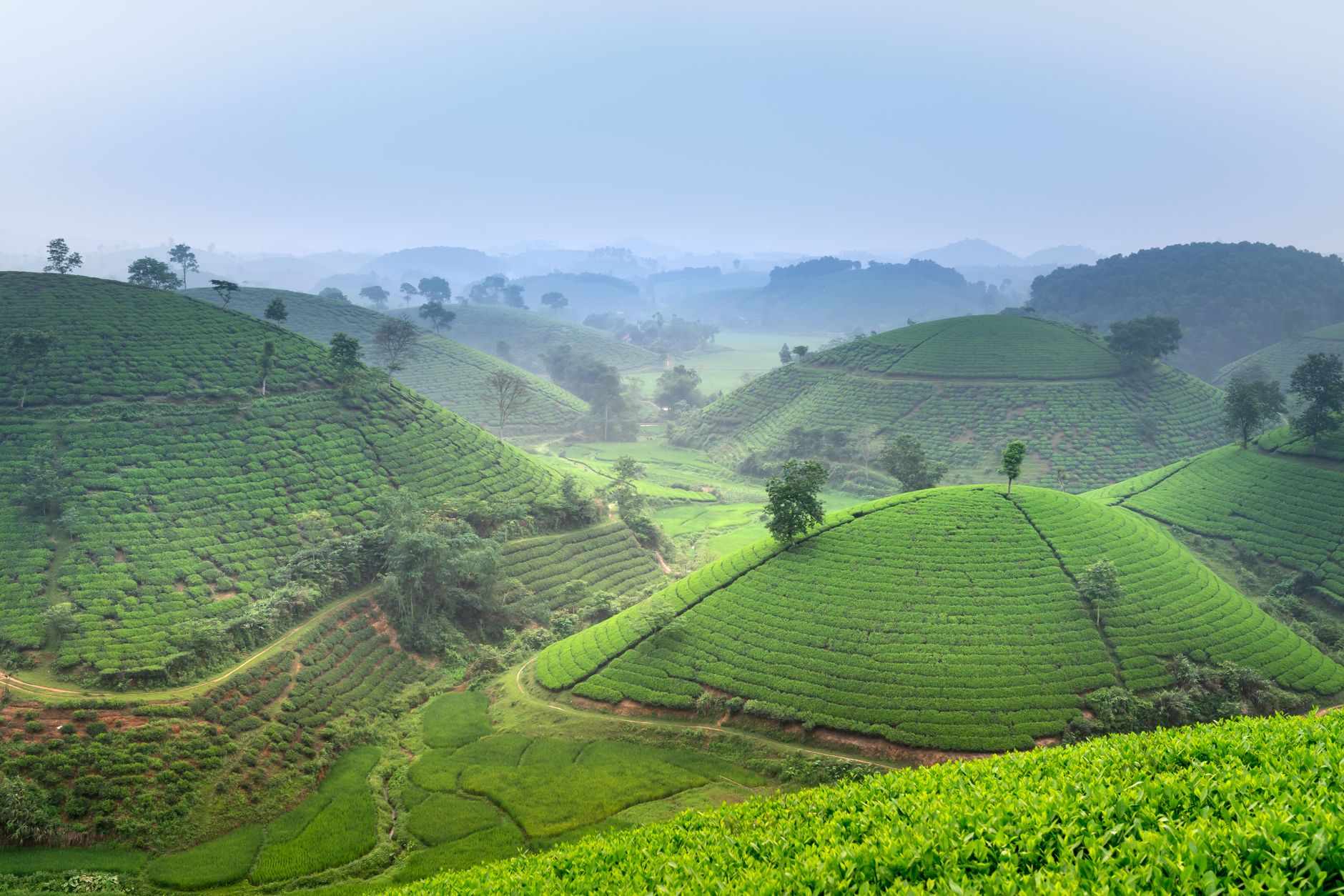
Beyond the main cave, the park is one of the few places in Vietnam (베트남 / 越南 / ベトナム) where primary karst forest still covers the mountains. If you've been traveling through the country's more developed coastal cities — Hue, Da Nang, Hoi An — this area feels like a different country entirely. The village of Phong Nha has maybe 3,000 people and a handful of guesthouses strung along the river.
Best time to visit
The sweet spot is February through August. April to June is ideal — warm, mostly dry, and the river level is good for cave boats. July and August are hotter (34-37°C) but still fine.
Avoid September through November if you can. This stretch brings the heaviest rain, and flooding can close caves entirely — sometimes for weeks. Phong Nha cave itself shuts down when water levels get too high. December and January are cooler (16-22°C) and drier, which works, but overcast skies make the jungle treks less pleasant and the river can run low.
How to get there
The nearest major hub is Dong Hoi, about 45 km south of Phong Nha village.
- By train: The Reunification Express stops at Dong Hoi station. From Hue, it's roughly 3.5-4 hours and costs 120,000-250,000 VND depending on seat class. From Hanoi, 9-11 hours, around 350,000-700,000 VND.
- By bus: Limousine buses from Hue run 3-4 hours and cost about 180,000-250,000 VND. From Dong Hoi, local buses to Phong Nha run for 30,000-40,000 VND, but they're infrequent.
- By motorbike: Dong Hoi to Phong Nha is a flat, easy 45-minute ride on the Ho Chi Minh Highway West branch. Rentals in Dong Hoi go for 120,000-180,000 VND/day.
- By flight: Dong Hoi airport (VDH) has direct flights from Hanoi and Saigon. Vietjet and Vietnam Airlines both operate the route. Hanoi flights are about 1 hour, often 600,000-1,200,000 VND if booked ahead. From the airport, a taxi to Phong Nha village runs 350,000-450,000 VND.
Most guesthouses in Phong Nha arrange airport or station pickups for similar rates.

Photo by Trinh Tuoi on Pexels
What to do
1. Boat through Dong Phong Nha
The standard tour takes about 1.5 hours. You board a motorized longboat at the park jetty, cruise 30 minutes upriver, then enter the cave. Inside, the boat drifts past illuminated chambers before you disembark and walk through the dry upper section. Ticket price: 150,000 VND per person plus 360,000 VND per boat (split among up to 14 passengers). Go early — boats start at 7:30 and the cave gets crowded by 10:00.
2. Walk through Thien Duong (Paradise Cave)
A 31-km drive from the main village. The cave is massive — 31 km long, though tourists access the first kilometer via a boardwalk. The formations here are denser and more dramatic than in the main cave. Entry is 250,000 VND. An extended 4.5 km trek deeper into the cave costs about 2,500,000 VND with a guide. Worth it if you want to actually feel alone underground.
3. Kayak or paddleboard on the Son river
Several guesthouses rent kayaks (50,000-80,000 VND/hour) for the stretch of river right in the village. Late afternoon light on the karst cliffs is the best time. No guide needed — you just paddle.
4. Ride the Bong Lai Valley loop
A 30-km motorbike loop through rice paddies, small farms, and a few riverside bar-restaurants (The Pub With Cold Beer is the famous one, though its quality varies). The road is paved and flat. Budget a half-day.
5. Book a multi-day cave expedition
Oxalis Adventure runs expeditions into Hang En (2 days, ~6,000,000 VND), Tu Lan cave system (2-3 days), and Son Doong (4 days, around 70,000,000 VND). These require advance booking — Son Doong sells out months ahead with limited daily permits.
Where to eat nearby
Phong Nha village is small, so options are limited but honest. Look for "com hen" — rice with tiny river clams, a central Vietnamese staple. Several family restaurants along the main road serve it for 35,000-50,000 VND. "Banh xeo" — the crispy turmeric crepe — also shows up on most menus here, stuffed with shrimp and pork.
For a sit-down meal, Capture Phong Nha and Bamboo Cafe both serve decent Vietnamese dishes alongside Western options. Expect 60,000-120,000 VND per main course.
Where to stay
- Budget (200,000-400,000 VND/night): Easy Tiger Hostel, Phong Nha Farmstay dorms, or family-run nha nghi along the river road. Basic but clean.
- Mid-range (600,000-1,200,000 VND/night): Phong Nha Farmstay private rooms, Nguyen Shack, Victory Road Villas. Pool access, river views, decent breakfast.
- Upper (1,500,000-3,000,000 VND/night): Chay Lap Farmstay, Phong Nha Lake House Resort. Quieter, more space, often include tour booking services.
Book directly with guesthouses where possible — they keep more of the money and often throw in airport transfers.

Photo by Francesco Ungaro on Pexels
Practical tips locals would tell you
- Bring a headlamp if you plan any extended cave treks. Phone flashlights die fast in humid cave air.
- Wear shoes you don't mind getting wet. Sandals work for the main boat tour; proper hiking shoes for anything beyond that.
- Cash only in the village. There's one ATM (Agribank) and it sometimes runs empty on weekends. Withdraw in Dong Hoi.
- Sunscreen and insect repellent matter here more than in cities. The jungle is real jungle.
- Vietnamese coffee in the village is good — several small cafes roast locally. Order "ca phe sua da" and sit by the river.
Common mistakes to avoid
- Visiting only the main cave. Dong Phong Nha alone is a 1.5-hour experience. Most travelers who feel underwhelmed spent one afternoon and left. Budget at least two full days.
- Coming in peak rain season without a backup plan. Caves close. Roads flood. Check conditions before committing to a trek booking.
- Skipping Dong Hoi entirely. The city has a good beach (Nhat Le), solid seafood, and "bun bo Hue" shops worth a stop if you're passing through from Hue.
- Trying to do Phong Nha as a day trip from Hue. It's technically possible but miserable — 4+ hours each way. Stay in the village.
Practical notes
Phong Nha works best as a 2-3 night stop between Hue and Hanoi. The village is quiet, the food is simple, and the landscape does the heavy lifting. Just bring cash and don't rush it.
Last updated · May 29, 2026 · independently researched, never sponsored.