What it is and why it matters
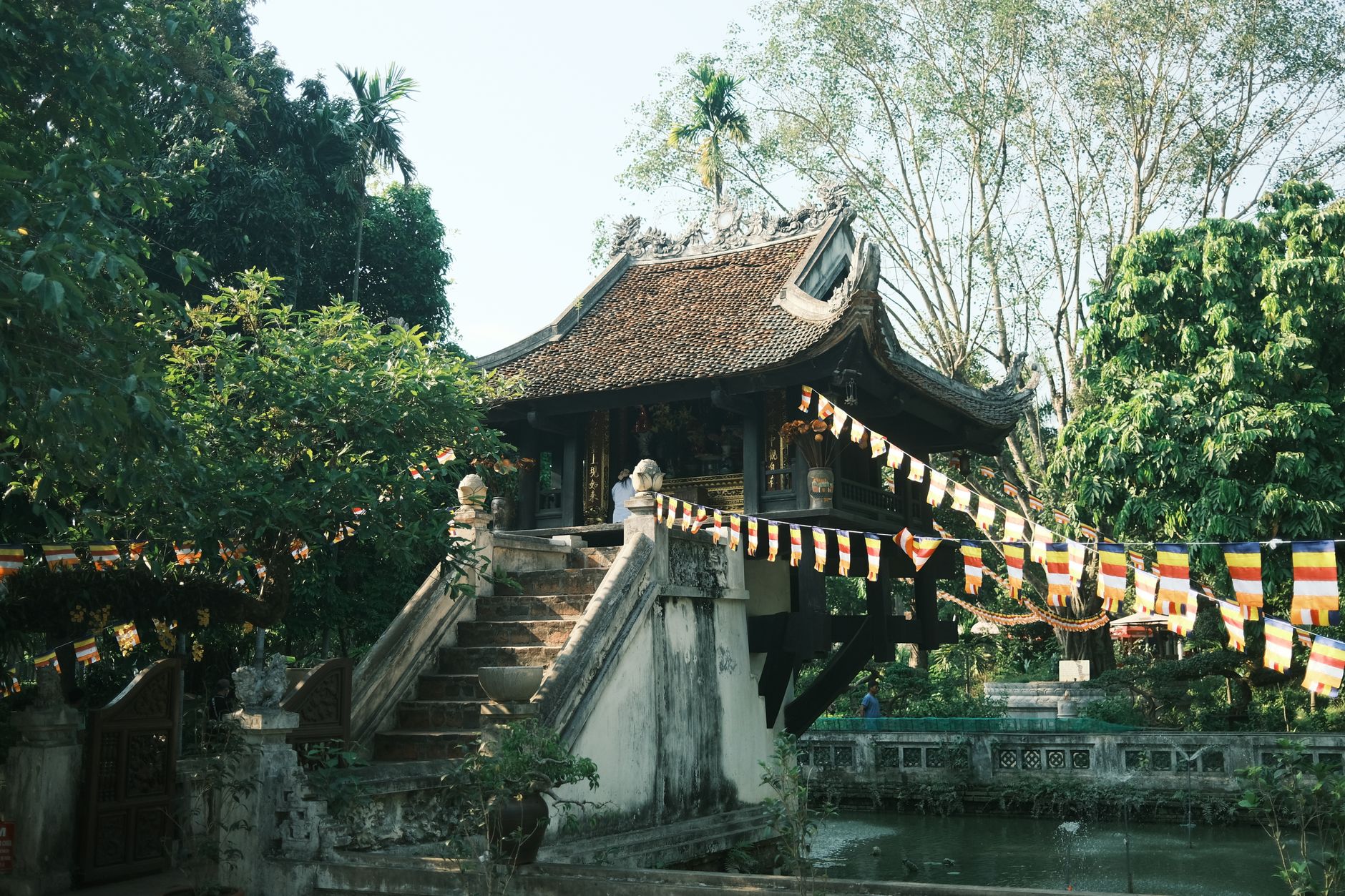
Chua Thay (Master's Pagoda) is an 11th-century Buddhist pagoda complex built into the base of Sai Son hill in Quoc Oai district, about 25 km southwest of central Hanoi. It's named after the monk Tu Dao Hanh, a historical figure credited as the father of Water Puppetry in Vietnam (베트남 / 越南 / ベトナム). The pagoda sits on the edge of Long Tri pond, flanked by two covered bridges — one called Nhat Tien and the other Nguyet Tien — that connect the main hall to small pavilions on the water.
Unlike the more tourist-heavy temples inside Hanoi (하노이 / 河内 / ハノイ) proper, Chua Thay draws mostly domestic visitors and the occasional traveler who's done their homework. It's not a quick photo stop. The complex sprawls across several levels up the hillside, with caves, shrines, and a ridgeline trail that rewards anyone willing to climb.
Why travelers go
Three reasons, mainly. First, architecture: the pagoda dates to the Ly Dynasty and has been rebuilt and expanded over centuries, but the bones are old and the setting — pressed against karst limestone with water in front — is genuinely striking in a way that earns the trip. Second, history: this is the origin site of "mua roi nuoc" (water puppet theater), and the stone stage on the pond is where performances were first held. If you've seen Water Puppetry in Hanoi's Old Quarter, this is where the tradition started. Third, the hike: the trail up Sai Son hill behind the pagoda leads through caves and past small shrines to a ridgeline with wide views over the surrounding rice paddies and villages.
Best time to visit
The annual Chua Thay festival falls on the 7th day of the 3rd lunar month (usually late March or April). During the festival, there are water puppet performances on the original stone stage, which is worth timing a trip around if you're in Hanoi. Outside of festival season, aim for October through December or March through May — dry enough to enjoy the hike, cool enough that the climb doesn't punish you. Summer months (June–August) bring heavy rain that makes the hillside trail slippery, and the humidity at the base is oppressive. Weekday mornings year-round are quiet. Weekend afternoons, especially in spring, get crowded with Hanoi day-trippers.
How to get there from Hanoi
By motorbike or car: Take the route west on Thang Long Boulevard toward Hoa Lac, then turn south — the whole ride is about 25 km from Hanoi's center and takes 45–60 minutes depending on traffic. This is the easiest option and what most people do.
By bus: Catch bus 73 from My Dinh bus station toward Quoc Oai. The fare is around 10,000 VND. Get off at the Quoc Oai stop, then grab a "xe om" (motorbike taxi) for the last 5 km to the pagoda — expect to pay 20,000–30,000 VND. Total travel time: about 90 minutes door to door.
By Grab car: A one-way Grab from central Hanoi runs roughly 200,000–280,000 VND. Comfortable, but you'll want to arrange the return in advance since Grab availability near the pagoda is unreliable.
Entrance to the pagoda complex costs 10,000 VND.
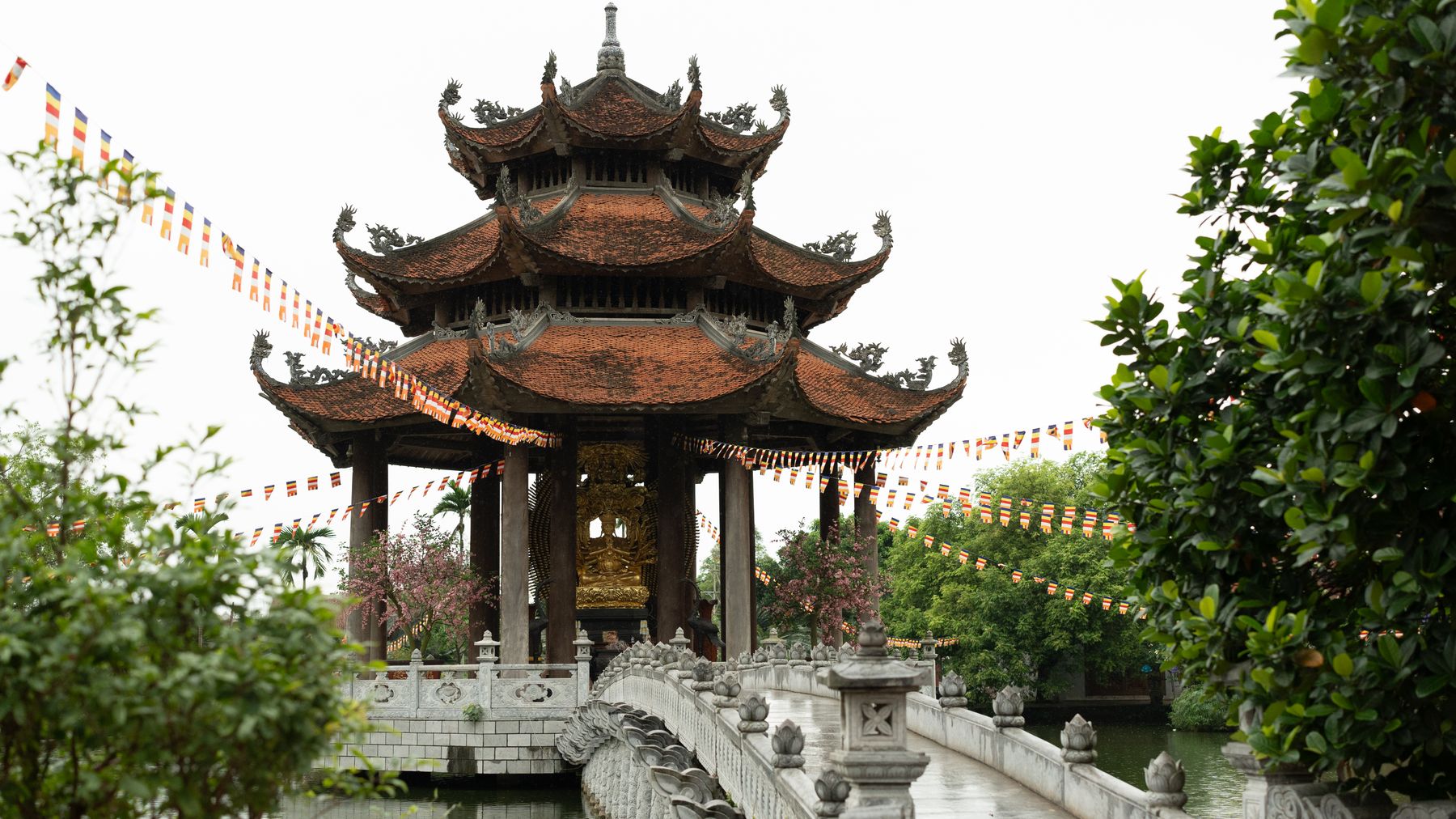
Photo by Viet Vietz on Pexels
What to do
Walk the full pagoda complex
Don't just photograph the main hall and leave. The complex has three connected buildings — Ha, Trung, and Thuong pagodas — rising in tiers against the cliff. The upper pagoda contains a statue believed to be Tu Dao Hanh himself. Walk both covered bridges over the pond. The whole circuit at ground level takes 30–40 minutes if you're not rushing.
Climb Sai Son hill
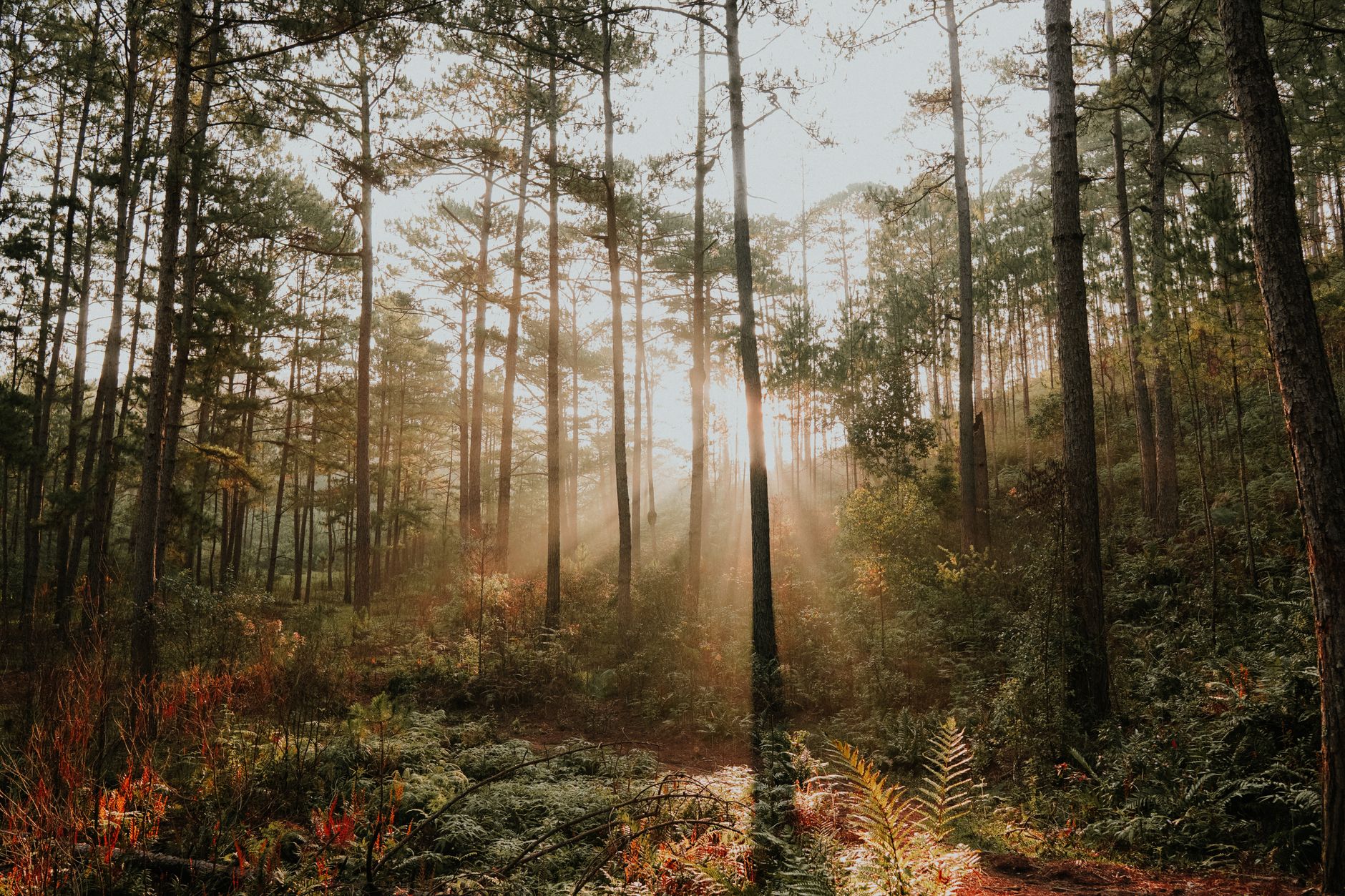
Behind the pagoda, a marked trail leads uphill through several caves — Hang Cac Co (Cave of the Fairies) and Hang But (Brush Cave) are the main ones. The path continues to the summit at around 100 meters elevation. The trail is uneven stone, not paved, so wear proper shoes. Round trip takes about an hour. Views from the top span across flat green paddies to the distant karst hills that characterize this part of the Red River Delta.
Visit the water puppet stage
The stone stage sitting in Long Tri pond is the historical heart of the site. During the festival, actual performances happen here. Outside the festival, you can still walk out on the Nhat Tien bridge and see the stage up close. It's a small but meaningful piece of Vietnamese performing arts history.
Explore Sai Son village
The village around the pagoda is worth a slow walk. Local families sell "che lam" (a chewy peanut-sesame candy that's a Quoc Oai specialty) and dried rice snacks near the entrance. The village lanes are quiet and leafy, a solid contrast to Hanoi's pace.
Combine with Chua Tay Phuong
Tay Phuong Pagoda sits about 6 km from Chua Thay and is famous for its collection of 18 carved "La Han" (arhat) statues from the 18th century. The two pagodas pair well for a full morning or afternoon.
Where to eat nearby
The restaurants lining the road to the pagoda entrance serve standard northern Vietnamese food — nothing exceptional, but fine for lunch. Order "bun oc" (snail noodle soup) or "banh cuon" — Quoc Oai-style banh cuon uses a slightly thicker wrapper than the Hanoi version and comes with a generous pile of fried shallots. A meal runs 40,000–60,000 VND. For something more interesting, eat before or after at one of the "bun cha" spots along the highway back toward Hanoi — roadside places between Quoc Oai and Hoa Lac are solid and cheap.
Where to stay
Most people visit Chua Thay as a half-day trip from Hanoi, and that's the right call. There are no notable hotels near the pagoda itself. If you want to stay overnight in the area — say, to catch the festival at dawn — basic local guesthouses ("nha nghi") exist in Quoc Oai town for 200,000–350,000 VND per night. They're clean enough but bare-bones. For anything with reliable reviews or English-speaking staff, you're better off basing yourself in Hanoi and making the 45-minute ride out.

Photo by Quang Nguyen Vinh on Pexels
Practical tips locals would tell you
- Dress modestly. Shoulders and knees covered — this is an active place of worship, not just a tourist site. You'll see locals praying at every level of the complex.
- Bring cash. There's no ATM at the pagoda and the small vendors around the entrance don't take cards.
- Wear shoes with grip. The hillside trail has smooth, worn stone steps that get slick after rain. Sandals are a bad idea for the climb.
- If you ride a motorbike, park at the official lot near the entrance (5,000 VND). Don't leave your bike on the road — it'll get ticketed or blocked by tour buses.
- Bring water. There's limited shade on the upper trail and nowhere to buy drinks once you start climbing.
Common mistakes to avoid
Treating it as a quick stop. Chua Thay needs at least two hours to do properly — the complex, the caves, the hill. People who budget 30 minutes miss the best parts.
Coming on a festival weekend without planning. The Chua Thay festival draws thousands. Roads jam, parking fills, and the pagoda gets shoulder-to-shoulder. Come early morning or accept the crowds.
Skipping the hill climb. The pagoda itself is beautiful, but the trail behind it is what separates Chua Thay from a dozen other pagodas near Hanoi. If you can walk stairs for an hour, do it.
Practical notes
Chua Thay works best as a morning trip from Hanoi, paired with Tay Phuong Pagoda if you have the time. Budget half a day, bring cash and water, and wear real shoes. It's one of those places where the experience scales with effort — the more of the complex you explore, the more it rewards you.
Last updated · May 26, 2026 · independently researched, never sponsored.