What it is
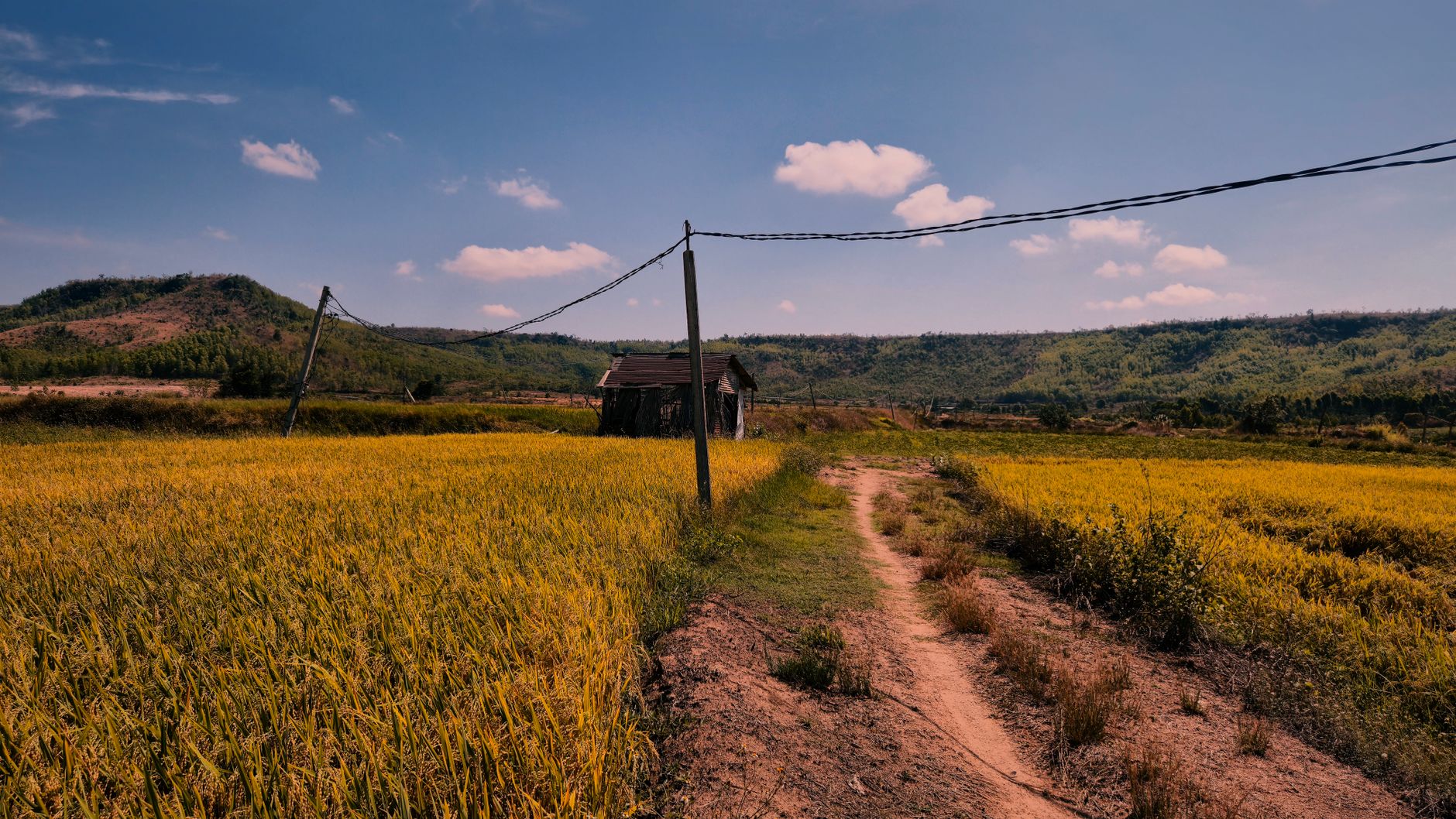
Chua Thien Hung is a large Buddhist temple complex located in the Central Highlands (중부 고원 / 中部高原 / 中部高原) province of Gia Lai. Originally associated with Binh Dinh province before administrative boundary changes, the pagoda sits on elevated ground surrounded by coffee plantations and sparse pine forest. It's one of the biggest active Buddhist sites in the highlands — not ancient, not UNESCO-listed, but genuinely impressive in scale and surprisingly uncrowded.
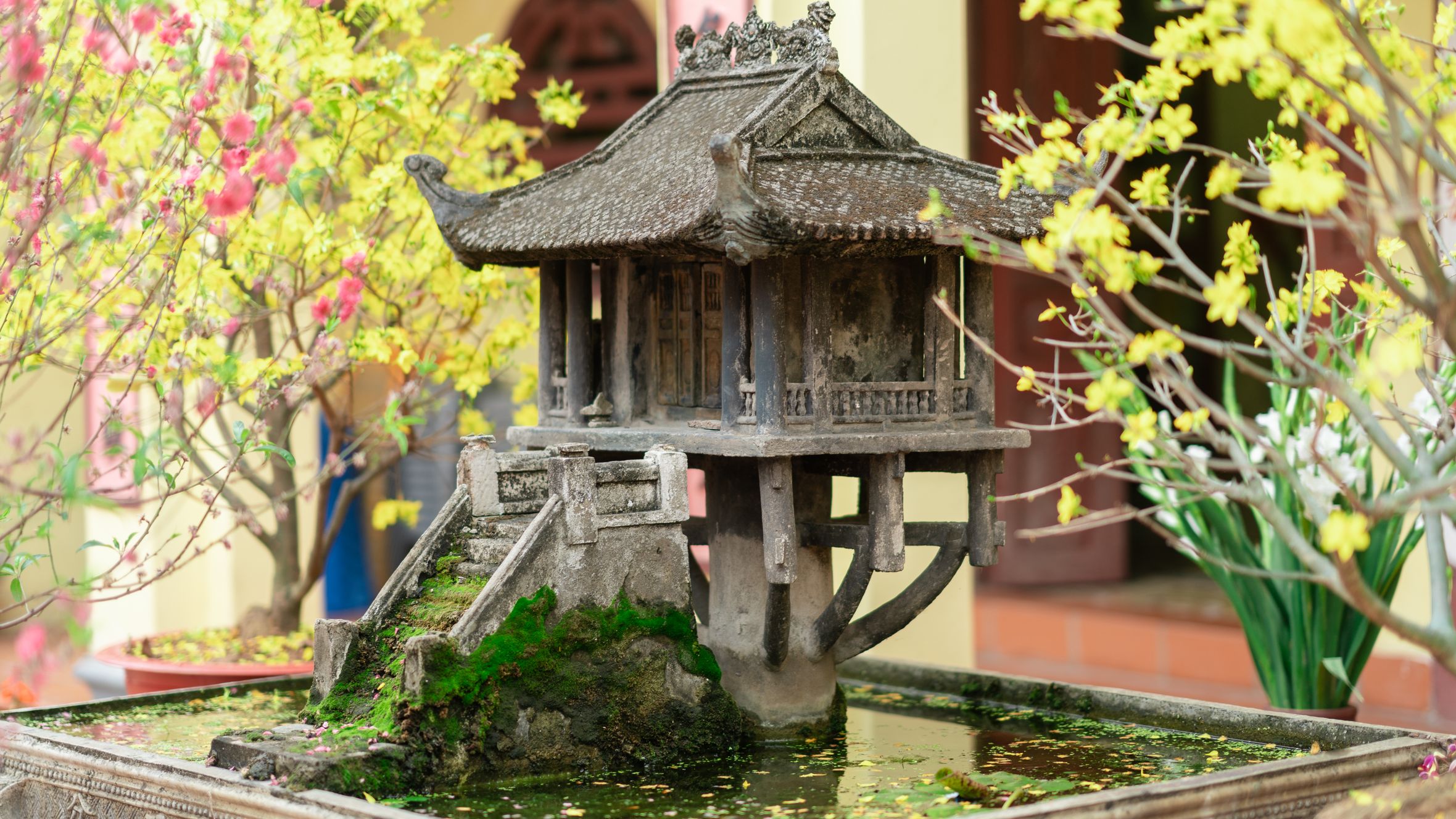
The complex was built in the early 2000s and has expanded steadily since. Its architecture draws on Northern Vietnamese Buddhist tradition — think heavy tiled roofs, carved dragon banisters, lotus ponds — but set against the red laterite soil and cool air of the plateau rather than the delta flatlands where you'd normally find this style. The main hall houses a large Shakyamuni Buddha statue, and the grounds include a Quan Am (Avalokiteshvara) statue visible from the road, bell tower, monks' quarters, and extensive gardens.
Why travelers go
Most visitors to Gia Lai are passing through on a motorbike loop between Da Lat, Kon Tum, and the coast. Chua Thien Hung works as a half-day stop — somewhere to stretch your legs, walk quiet grounds, and see how Buddhism adapts in a region dominated by ethnic minority cultures and Catholic churches left from the French period.
The pagoda offers:
- Scale without tourist infrastructure (no ticket booth, no souvenir gauntlet)
- Panoramic views from the upper terraces across coffee fields and distant hills
- A functioning monastery — monks live and practice here, so you'll hear chanting if you time it right (usually 4:30 AM and 5:00 PM)
- Good photography conditions, especially in the golden hour when the laterite soil glows
It's not a "hidden gem" — locals know it well — but foreign visitors are rare enough that you'll likely have the courtyards to yourself on a weekday.
Best time to visit
Gia Lai has two seasons: dry (November–April) and wet (May–October). Visit during the dry season for clear skies and comfortable walking. Mornings between 6:00–9:00 AM give you the best light and a chance to hear monks chanting.
Avoid major Vietnamese Buddhist holidays (full moon of the fourth lunar month — Vesak — and Tet) unless you want crowds. During Tet the complex fills with local families burning incense and praying for the new year, which is atmospheric but makes quiet exploration impossible.
Temperatures in Gia Lai sit around 22–28°C year-round, cooler than the coast. Bring a light jacket for early mornings.

Photo by Ahmad Malulein on Pexels
How to get there
Chua Thien Hung is approximately 8 km from Pleiku city center, the provincial capital of Gia Lai. From Pleiku:
- By motorbike: Head south on National Route 19, then follow signs toward the pagoda. The road is paved the entire way, though the final 500 m narrows. Budget 20 minutes from central Pleiku.
- By taxi/Grab: A Grab car from Pleiku center costs roughly 60,000–80,000 VND one way. Grab coverage in Pleiku is decent but not instant — allow 5–10 minutes for a driver.
- From further afield: Pleiku has a domestic airport (Pleiku Airport) with flights from Hanoi, Saigon, and Da Nang. From Hoi An or Quy Nhon on the coast, it's a 4–5 hour drive west via QL19.
If you're on a Central Highlands motorbike route connecting Da Lat (달랏 / 大叻 / ダラット), Buon Ma Thuot, and Kon Tum, Pleiku is a natural overnight stop and Chua Thien Hung fits easily into a morning before riding north.
What to do
Budget 1.5–2 hours for a proper visit:
Walk the grounds
Start at the main gate and climb the central staircase to the Dai Hung Bao Dien (Great Hall). The courtyard features bonsai gardens, stone carvings, and a large incense burner. From the upper terrace behind the main hall, you get unobstructed views north and east.
Visit the Quan Am statue
The white Avalokiteshvara statue on the hillside is roughly 20 meters tall. A walking path loops around it through frangipani trees. Early morning mist sometimes pools at its base — worth the 5 AM alarm.
Sit and listen
If you arrive before 5:00 PM, find a bench near the main hall. Evening chanting lasts 30–45 minutes and echoes through the courtyard. No one will bother you; this isn't a performance. Remove your hat, keep quiet, and you're welcome to stay.
Photography
The red-orange soil contrasts sharply with green vegetation and grey temple stone. Best shots come from the upper terrace looking down, or from the garden path approaching the Quan Am statue with the main hall behind you.
Where to eat
The temple itself doesn't have a restaurant, but Pleiku city has solid food options:
- "Pho" in Pleiku tends toward the beef-heavy Central Highlands style — heavier broth, more fat, served with fresh herbs and a plate of "banh trang" (rice paper) on the side. Try the strip of pho shops on Hung Vuong street.
- "Bun cha" isn't traditional here, but grilled pork with rice ("com tam") stalls dot the market area near Pleiku Central Market.
- Coffee: Gia Lai is robusta country. The local cafes serve dark, strong Vietnamese coffee for 15,000–20,000 VND. Skip chains and sit at any family-run spot with plastic chairs on the sidewalk — the beans were probably grown within 10 km of your cup.

Photo by Hồng Quang Official on Pexels
Where to stay
Pleiku has a handful of decent mid-range hotels:
- Duc Long Gia Lai Hotel: Central, reliable, around 500,000–700,000 VND/night. Clean rooms, breakfast included.
- Homestays on the outskirts: A few homestays have appeared on Booking.com near the Bien Ho (Sea Lake) area, 10 km north. More character, less convenience.
- Budget guesthouses ("nha nghi") along the main roads run 150,000–250,000 VND but quality varies. Ask to see the room first.
Practical tips
- Dress code: Cover knees and shoulders inside the main hall. Shoes off before entering any building. This is actively enforced.
- Cost: Free entry. Donations welcomed but not solicited.
- Language: Very little English spoken. Basic Vietnamese phrases help — or just smile, bow slightly, and keep quiet.
- Combine with: Bien Ho (a volcanic crater lake 10 km north of Pleiku) and the Phu Cuong waterfall make a solid full day paired with Chua Thien Hung.
Common mistakes
- Rushing through: People stop for 20 minutes, snap photos of the gate, and leave. The best parts — the rear terrace views, the gardens, the atmosphere during chanting — require slowing down.
- Arriving midday: The plateau sun between 11:00 AM–2:00 PM is harsh and the grounds offer limited shade. Morning or late afternoon only.
- No water: There's no shop on-site. Bring a bottle from Pleiku.
- Expecting Hue-level history: This isn't a centuries-old imperial temple. If you come looking for the depth of Hue's pagodas or the heritage of Tran Quoc Pagoda in Hanoi, you'll be disappointed. Come for the setting, the quiet, and the highland context instead.
Last updated · May 29, 2026 · independently researched, never sponsored.