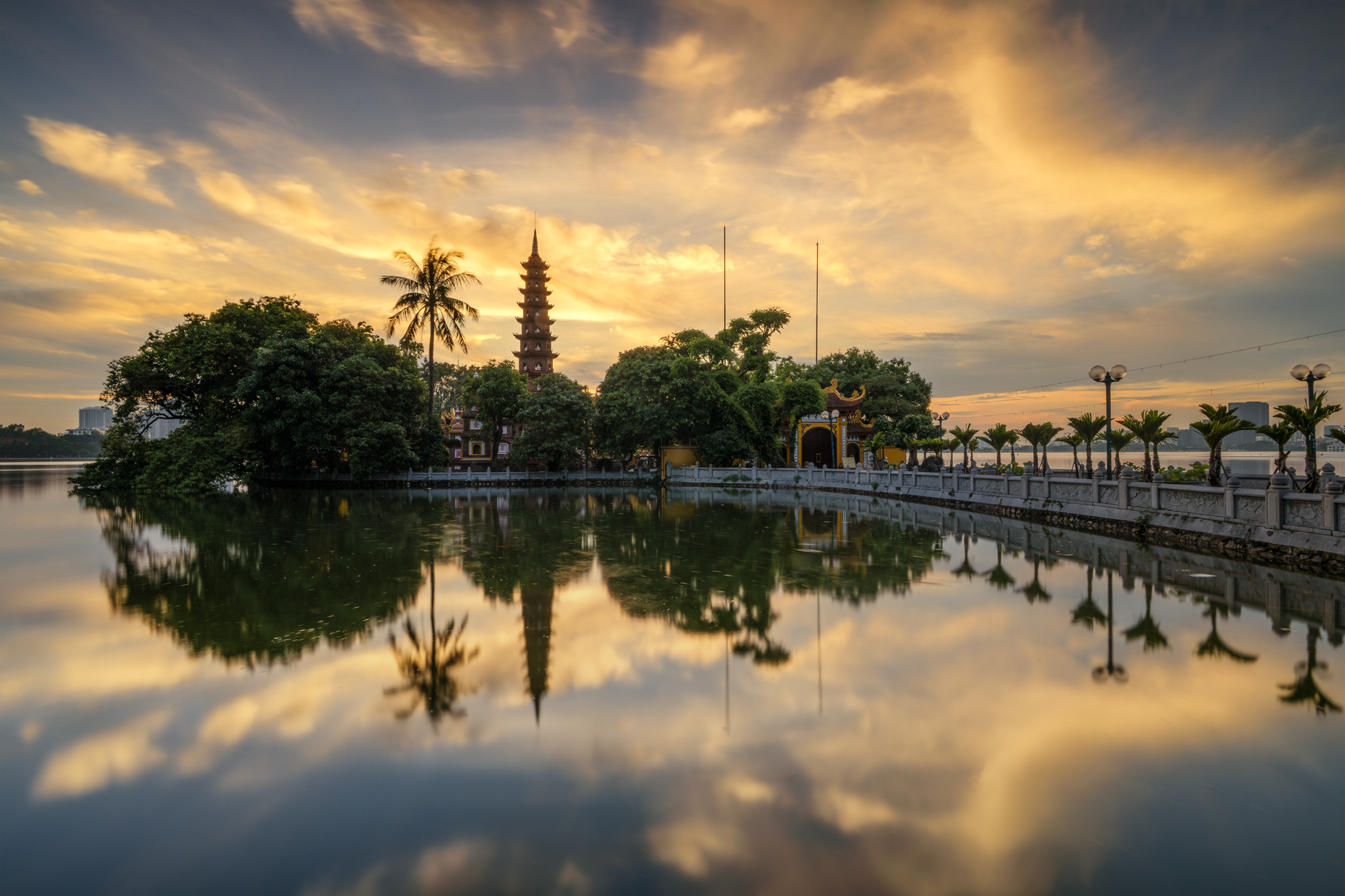
Lang Hoang Gia sits on a quiet patch of land in Sa Dec, Dong Thap province — a sprawling ancestral tomb and shrine complex built by the Huynh family during the Nguyen Dynasty era. It's one of the best-preserved heritage sites in the Mekong Delta (메콩 델타 / 湄公河三角洲 / メコンデルタ), and almost nobody from outside the region visits.
What it is and why it matters
Lang Hoang Gia (literally "Royal Tomb") dates back to the early 19th century, originally constructed to honor Huynh Cong Nguyen, a high-ranking mandarin under Emperor Gia Long. The complex expanded over generations as the Huynh family — one of the most powerful clans in the southern delta — added tombs, ancestral halls, and ceremonial courtyards.
What you see today covers roughly 5,000 square meters. The architecture blends southern Vietnamese wooden construction with Chinese decorative influences: carved dragons on roof ridges, lacquered pillars, intricate tile mosaics, and stone guardian figures that have weathered two centuries of delta humidity. The Ministry of Culture recognized Lang Hoang Gia as a national historical monument, which has helped keep the restoration work relatively faithful to the originals.
For anyone interested in Nguyen Dynasty history outside of Hue — where most travelers concentrate — this is a rare chance to see how that era's architecture and culture expressed itself in the deep south.
Why travelers go
Most people end up here on a day trip from Sa Dec or Can Tho, and the reasons are straightforward. The craftsmanship is genuinely impressive — not in a "wow, look at this palace" way, but in the quiet details. The woodcarving on the ancestral altars took artisans years to complete. The ceramic mosaic work on the tomb facades uses broken porcelain pieces arranged into scenes of birds, flowers, and mythological animals, a technique you'll also see at Hue (후에 / 顺化 / フエ)'s imperial tombs like the Tomb of Khai Dinh, but here with a distinctly southern flavor.
It's also blissfully uncrowded. On a weekday morning, you might share the grounds with a handful of local visitors and nobody else. That kind of quiet at a heritage site is increasingly hard to find in Vietnam.
Best time to visit
Dong Thap has two seasons: wet and dry. Visit between December and April for the driest, most comfortable weather. Temperatures hover around 28-32°C, and you won't get caught in the afternoon downpours that are almost guaranteed from June through October.
If you're timing a broader Mekong Delta trip, February is ideal — the "sa dec" flower villages are in full bloom for Tet, and you can combine Lang Hoang Gia with a wander through the nurseries along the Sa Dec riverfront. The days around Tet itself (late January or early February, depending on the lunar calendar) bring local ceremonies to the complex, which adds atmosphere but also crowds from the province.
How to get there
The nearest major hub is Can Tho, about 65 km northeast. From Can Tho's central bus station (Ben Xe Khach Can Tho), catch a bus to Sa Dec — departures run roughly every 30-45 minutes, the ride takes about 1.5 hours, and tickets cost around 60,000-80,000 VND.
From Sa Dec town center, Lang Hoang Gia is about 3 km south in Tan Khanh Trung commune. A "xe om" (motorbike taxi) from the Sa Dec bus station runs 20,000-30,000 VND, or you can grab a Grab bike if coverage cooperates — it's patchy this far into the delta.
If you're coming from Saigon, the fastest route is the Ho Chi Minh City–Can Tho expressway to Sa Dec, roughly 150 km and 3-3.5 hours by car or bus. Direct buses from Saigon's Mien Tay station to Sa Dec cost around 120,000-150,000 VND.
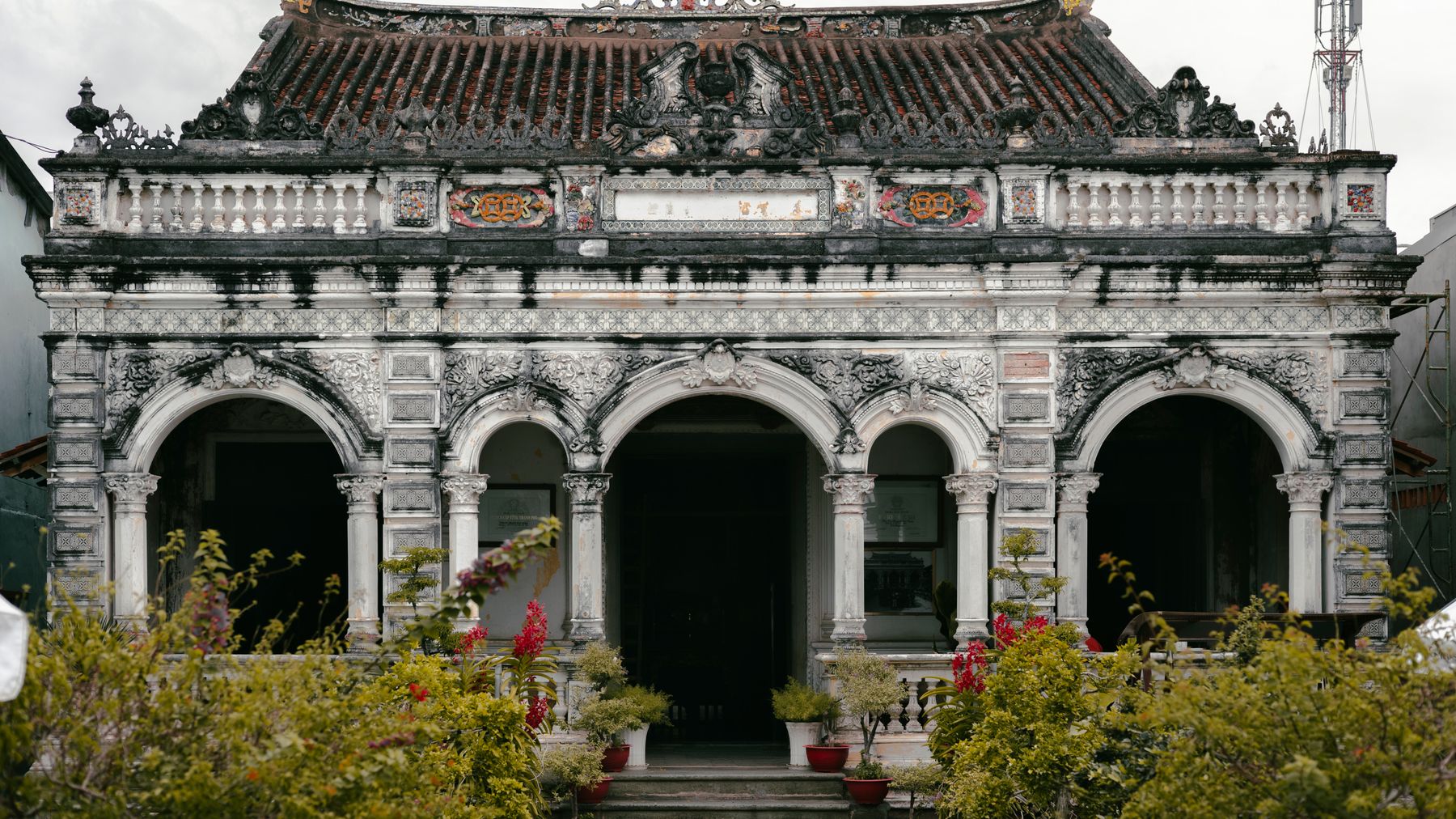
Photo by DUYTRG TRUONG on Pexels
What to do at Lang Hoang Gia
Walk the tomb complex slowly
There are multiple tombs spread across the grounds, each with different architectural details. The main tomb of Huynh Cong Nguyen features the most elaborate stonework. Don't rush — the ceramic mosaic panels reward close attention. Look for the phoenix and dragon motifs on the tomb walls, and the French-influenced iron gates that were added in the colonial period.
Visit the ancestral worship hall
The central hall still functions as a place of worship for Huynh family descendants. The wooden altar inside is one of the finest examples of southern Vietnamese lacquer carving you'll find outside a museum. If the caretaker is around, they'll sometimes explain the family genealogy — a mix of Vietnamese and broken English, but worth the effort.
Check the garden and old trees
The grounds include several ancient trees, some over 200 years old, that frame the tombs with serious canopy shade. It's a good spot to sit for a while. The landscaping follows traditional feng shui principles — water features to the front, elevated ground behind.
Combine with Sa Dec's flower village
Sa Dec is Vietnam's flower capital. The nurseries along the Tien River bank stretch for kilometers and grow everything from ornamental roses to bonsai. It's a 10-minute ride from Lang Hoang Gia and pairs naturally with a heritage visit.
Stop at Huynh Thuy Le's old house
Also in Sa Dec, about 4 km from Lang Hoang Gia, this restored Chinese-Vietnamese merchant house was the home of the lover in Marguerite Duras's autobiographical novel "The Lover." Entry is 20,000 VND and takes about 30 minutes.
Where to eat nearby
Sa Dec has solid Mekong Delta food. Seek out "hu tieu" Sa Dec — the town's signature noodle soup, lighter and more delicate than the Saigon version, with a clear pork broth and thin rice noodles. Vendors along Hung Vuong street serve bowls for 30,000-40,000 VND. For something heavier, find a riverside spot serving "banh xeo" — the southern-style crepes here come loaded with shrimp and bean sprouts, crispier and larger than what you'll get up north. Expect 25,000-40,000 VND per crepe.
Where to stay
Sa Dec has a handful of guesthouses and mini-hotels. Budget rooms with air conditioning and hot water go for 200,000-350,000 VND per night — nothing fancy, but clean. If you want something nicer, Can Tho is the better base, with mid-range hotels in the 500,000-900,000 VND range and a couple of boutique options along the waterfront around 1,200,000 VND.
Most travelers treat Sa Dec as a day trip from Can Tho and head back in the evening.

Photo by Hồng Quang Official on Pexels
Practical tips locals would tell you
- Dress modestly. Lang Hoang Gia is still an active worship site. Cover your shoulders and knees — this isn't strictly enforced, but it's respectful and the caretakers notice.
- Bring cash. There are no ATMs at the site and no card payment. Entry is free, but you may want to leave a small donation (20,000-50,000 VND) at the ancestral hall.
- Go in the morning. The complex faces east, so morning light hits the tomb facades directly — better for photos and cooler temperatures. By 2 PM the heat is serious.
- Bring water and sunscreen. There's no vendor on-site. The nearest shop is back on the main road.
Common mistakes to avoid
Don't show up on a motorbike without checking the path in. The last 500 meters to the complex uses a narrow lane through rice paddies — fine on a scooter, but stressful in a car. If you're driving, park near the main road and walk in.
Don't plan less than an hour. It looks small on a map, but the details across the tombs, halls, and gardens genuinely take time to appreciate. Rushing through in 20 minutes defeats the purpose.
Don't skip Sa Dec itself. Lang Hoang Gia is the anchor, but the town has enough character — flower villages, old merchant houses, riverfront life — to fill a half-day comfortably.
Practical notes
Lang Hoang Gia is open daily, typically from 7 AM to 5 PM. There's no official website or phone number — just show up. If you're building a longer Mekong Delta loop from Can Tho, Sa Dec fits naturally between visits to the floating markets and a push further south toward Ha Tien or Phu Quoc.
Last updated · May 29, 2026 · independently researched, never sponsored.