What it is
Cum Thac Dak Nong is a cluster of waterfalls tucked into the basalt plateaus on the western side of Lam Dong province, in the area formerly administered as Dak Nong. The falls sit along tributaries of the Dong Nai River system, where volcanic rock from ancient eruptions created a series of drops ranging from 10 to over 50 meters. The area was relatively quiet for years — mostly visited by locals and geology enthusiasts — but improved roads have made it more accessible from Da Lat and the surrounding highlands.
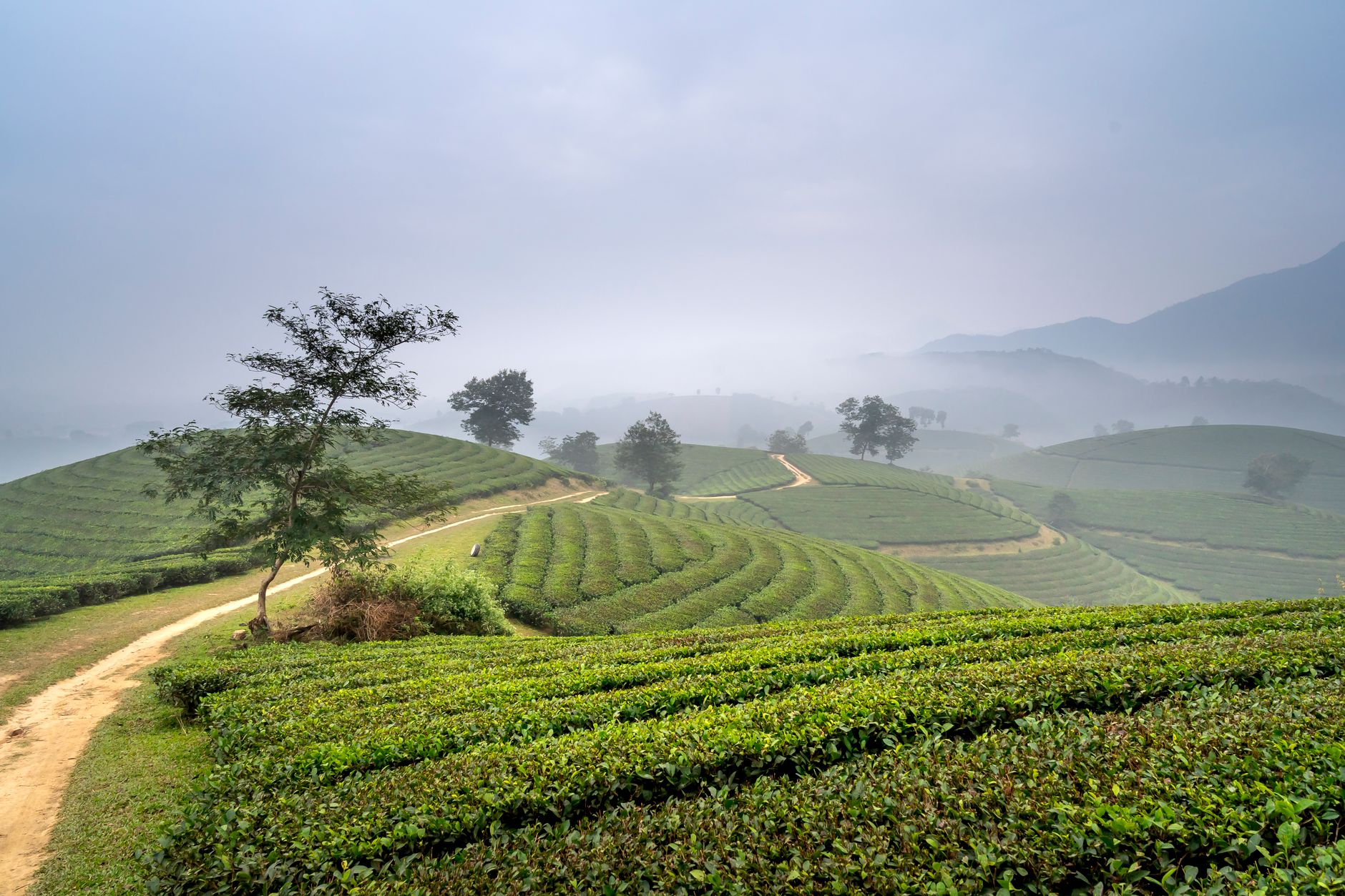
The landscape here is different from the pine-covered hills around Da Lat. Think red laterite earth, coffee plantations running right up to cliff edges, and dense subtropical forest filling the ravines below each waterfall. It's raw highlands Vietnam (베트남 / 越南 / ベトナム) without the tour-bus energy.
Why travelers go
People come here for three reasons. First, the waterfalls themselves — there are multiple cascades within a few kilometers of each other, so you can visit three or four in a single day without backtracking. Second, the surrounding coffee country is genuinely interesting if you want to see robusta being grown, harvested, and processed at small family operations. Third, it's quiet. You won't share the trails with selfie-stick crowds the way you might at Elephant Falls or Datanla near Da Lat (달랏 / 大叻 / ダラット).
If you've spent time in Da Lat and want to see the highlands without the resort-town polish, this is a solid day trip or overnight.
Best time to visit
The falls run strongest from July through November, when the rainy season pushes volume through the rivers. September and October are peak flow — dramatic, loud, and the surrounding forest is at its greenest. The downside: afternoon rain is almost guaranteed, and trails get slippery.
December through March is dry season. The waterfalls thin out considerably by February, and some smaller cascades reduce to a trickle. The trade-off is easier road conditions and dry trails.
Sweet spot: late October or early November. Rain is tapering off, water volume is still high, and the roads have dried enough to be comfortable on a motorbike.
How to get there from Da Lat
Da Lat is the nearest major hub with tourist infrastructure. The drive west toward the Dak Nong waterfall cluster takes roughly 3 to 3.5 hours depending on which falls you're targeting — about 150 km on provincial roads.
By motorbike: The most flexible option. Rental in Da Lat runs 150,000–200,000 VND/day for a semi-auto (Honda Wave or similar). Fuel for the round trip is about 80,000–100,000 VND. Roads are paved but winding, with some sections through coffee plantations that narrow to single lane. Confident riders only.
By private car/driver: Arrange through your hotel in Da Lat. Expect 1,200,000–1,500,000 VND for a full-day return trip with waiting time. This is the comfortable option if you want to focus on the scenery.
By local bus: Limited and slow. Buses from Da Lat's southern bus station head toward Gia Nghia (the former Dak Nong provincial capital) — about 80,000–100,000 VND — but you'll need a xe om (motorbike taxi) from the main road to reach individual waterfalls. Budget extra time and negotiation.

Photo by 1500m Coffee on Pexels
What to do
Walk the waterfall circuit
The main draw. A typical visit covers three to four falls in sequence. Trails between them range from well-maintained concrete steps to muddy forest paths — wear shoes you don't mind getting dirty. Allow 3–4 hours for a relaxed loop including photo stops and swimming.
Swim at the base pools
Several of the falls have deep natural pools at their base. The water is cold — noticeably cooler than lowland rivers — and the basalt rock forms natural ledges to sit on. Bring a towel and dry clothes. No lifeguards, no railings. Use common sense about water depth and current, especially in rainy season.
Visit a coffee farm
The area is robusta country. Small farms line the roads approaching the waterfalls, and many will let you walk through if you ask politely. Some sell fresh-roasted beans directly — 80,000–120,000 VND per kilogram, far cheaper than packaged Vietnamese coffee in tourist shops. If you're into the culture around vietnamese coffee, this is where it grows.
Catch sunrise over the plateau
If you stay overnight nearby, the early morning mist rolling across the basalt plateau is worth setting an alarm for. Find any elevated spot along the road — no specific viewpoint needed — and watch the coffee fields emerge from the fog.
Explore the basalt caves
The same volcanic geology that created the waterfalls also formed lava tubes and small caves in the area. Some are accessible without equipment — ask locally for directions. A headlamp and closed shoes are enough for the shorter ones.
Where to eat nearby
Don't expect restaurant rows out here. The best eating is at small roadside "com binh dan" (everyday rice) places along the provincial road.
Two things worth seeking: "com tam" with grilled pork — the broken rice plates here use locally raised pork and are generous with portion size, usually 35,000–50,000 VND. Also look for "banh canh" — thick tapioca noodle soup that's popular in the highlands, served with pork knuckle or crab. A bowl runs 30,000–40,000 VND.
If you're packing food from Da Lat, grab "banh mi" from any of the carts near the central market before you leave.
Where to stay
Budget (200,000–400,000 VND/night): Basic "nha nghi" (guesthouses) in small towns along the provincial road. Clean enough, fan or AC, hot water is hit-or-miss. Don't expect English.
Mid-range (500,000–900,000 VND/night): A handful of homestays and small lodges have appeared in recent years, especially those attached to coffee farms. These typically include breakfast and can arrange local guides.
Comfortable (1,000,000+ VND/night): Your best bet is to base in Da Lat and day-trip. Da Lat has everything from hostels to boutique hotels.
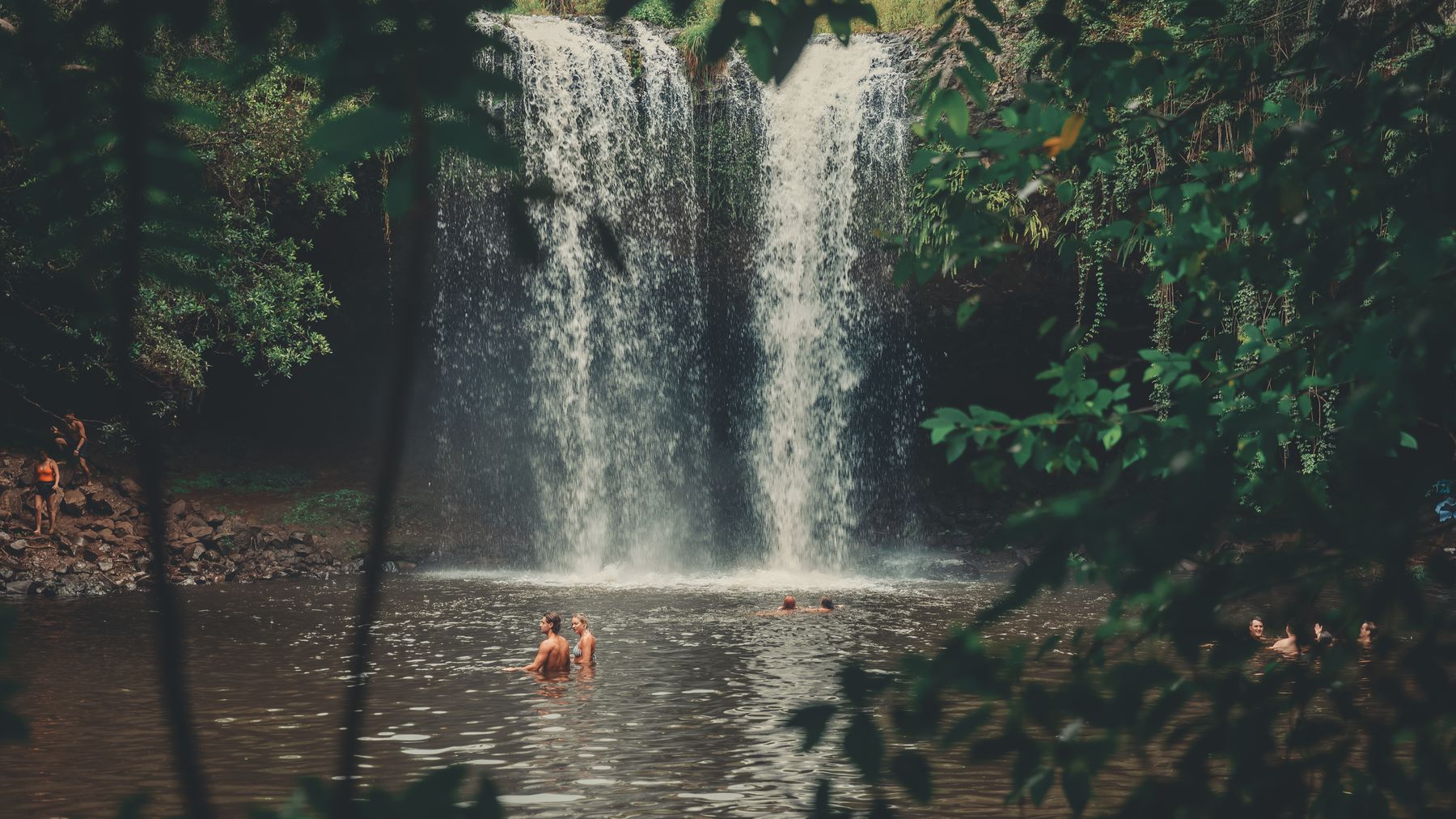
Photo by Brayden Stanford on Pexels
Practical tips locals would tell you
- Bring a rain jacket even in dry season. The microclimate near the falls creates mist and sudden drizzle.
- Waterproof your phone. Seriously. The spray near the base of the larger falls will soak anything in your pockets.
- Fill your fuel tank before leaving the main highway. Gas stations thin out on smaller roads.
- If you're on a motorbike, start early — by 2 PM in rainy season the roads get wet and visibility drops.
- Bring cash. No ATMs near the falls, and card payment doesn't exist out here.
Common mistakes to avoid
- Trying to rush it from Da Lat as a half-day trip. The drive alone is 3+ hours each way. Give yourself a full day minimum, or stay overnight.
- Wearing sandals on the trails. The basalt rock is sharp when wet, and the red mud stains everything. Closed shoes with grip.
- Visiting in February expecting big waterfalls. Dry season means low water. If waterfall volume matters to you, come in September–November.
- Skipping sunscreen because it's cloudy. Highland UV is strong even under overcast skies. The elevation and thin cloud cover fool people every time.
Practical notes
Cum Thac Dak Nong isn't a polished attraction — there's no ticket booth, no gift shop, no English signage. That's the appeal. Budget a full day from Da Lat, bring water and snacks, and treat it as a highland road trip rather than a destination with a capital D. The waterfalls are the reward for getting off the tourist circuit.
Last updated · Jul 2, 2026 · independently researched, never sponsored.