The short answer
Da Nang and Hoi An are 30 km apart — about 45 minutes to an hour depending on traffic and your transport choice. You have five realistic options, and the best one depends on whether you prioritize speed, cost, or flexibility.
Grab or taxi (fastest, most comfortable)
A Grab ride from central Da Nang (다낭 / 岘港 / ダナン) to central Hoi An costs 200,000–300,000 VND and takes 30–40 minutes in light traffic. During peak hours (7–9 a.m., 5–7 p.m.), expect 50 minutes or longer.
Grab is more reliable than street taxis in Da Nang. The app shows the fare upfront, the driver is rated, and you avoid meter disputes. Most drivers speak basic English or can read your destination from the app. Book it from your phone — download the Grab app before arrival or use it via WeChat/Alipay if you have those.
Taxis work fine too. Grab the white or pink taxis from a taxi stand (at your hotel, the airport, or the beach promenade). Agree on the fare or insist the meter runs. Expect the same 200k–300k range.
Best for: business travelers, families with luggage, anyone tired or in a hurry.
Yellow public bus #1 (cheapest)
The public bus from Da Nang to Hoi An (호이안 / 会安 / ホイアン) is line #1 (marked in Vietnamese and English). It runs from Da Nang's central bus station (roughly 2 km west of the city center) and stops in Hoi An's south side, near the market.
Fare: 30,000 VND. Journey time: 50–70 minutes, depending on stops and traffic.
To use it: find your way to the Da Nang bus station (ask your hotel for directions), buy a ticket from the window, and board. Buses run frequently throughout the day, roughly every 15–30 minutes during daylight. The bus is crowded during rush hours but doable. Air conditioning works, though don't expect a smooth ride on the coastal highway.
Best for: budget travelers, backpackers, anyone without a deadline.
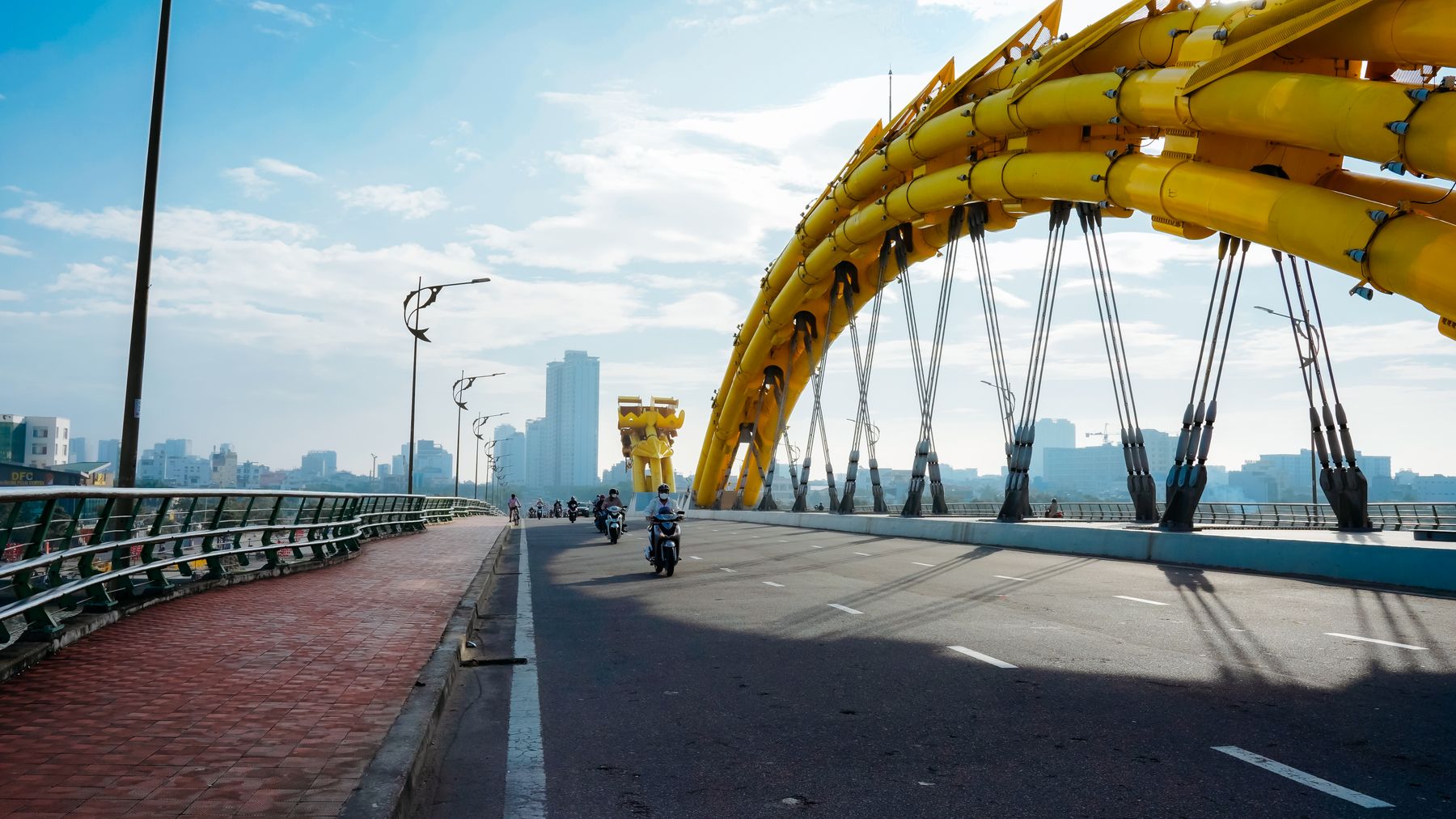
Photo by Xuân Thống Trần on Pexels
Motorbike rental (most flexible)
Rent a motorbike from any hotel, tour operator, or rental shop in Da Nang for 150,000–250,000 VND per day. The ride to Hoi An takes 40–50 minutes on Highway 1 or the scenic coastal route if you're not in a rush.
You'll pass through Marble Mountains (Ngu Hanh Son) and fishing villages on the way. If you want to stop, photograph, or detour to a beach, a motorbike lets you do that without waiting for a bus or paying extra for a taxi.
Practical notes: You need an International Driving Permit (IDP) or a Vietnamese motorbike license — though in practice, many tourists ride with just a passport. Wear a helmet (legally required, and smart). Drive on the left side of the road. Fuel costs about 20,000 VND per liter; a 30 km trip uses roughly 1 liter.
Best for: adventurous travelers, photographers, people who want independence.
Cycling (doable but long)
Cycling 30 km from Da Nang to Hoi An is possible but not recommended for most visitors. The coastal highway (Highway 1) has traffic, and there's no dedicated bike lane for the whole route. A few tour operators offer guided cycle tours that avoid the main road and include stops at villages and attractions.
Self-guided cycling: rent a bike from your hotel or a rental shop (30,000–80,000 VND per day), and aim for early morning to avoid midday heat and afternoon traffic. You'll add 2–3 hours to your journey if you're an average cyclist and want to stay safe.
Best for: fit cyclists, travelers who have extra time, anyone seeking an unconventional experience.

Photo by Lê Quốc Hùng on Pexels
Walking (not realistic)
Walking 30 km in tropical heat with luggage is not practical. The road is busy, sidewalks are inconsistent, and you'll be exhausted. Skip this unless you're doing a very short, local walk within Da Nang or Hoi An itself.
Choosing your transport
Speed matters: Grab or taxi, 30–40 minutes.
Budget is tight: Public bus #1, 30,000 VND.
You want to explore: Motorbike, 40–50 minutes plus stops.
You have time and fitness: Guided cycle tour, 3–4 hours.
Frequently Asked Questions
How much does a Grab ride from Da Nang to Hoi An cost?
A Grab ride between central Da Nang and central Hoi An costs 200,000–300,000 VND and takes 30–40 minutes in light traffic. During peak hours (7–9 a.m. and 5–7 p.m.), expect 50 minutes or longer. The app shows the fare upfront, so there are no meter disputes. Download Grab before arrival, or access it through WeChat or Alipay.
What is the cheapest way to travel from Da Nang to Hoi An?
Bus line #1 is the cheapest option at 30,000 VND per ticket. It departs from Da Nang's central bus station, roughly 2 km west of the city center, and stops near the market on Hoi An's south side. The journey takes 50–70 minutes depending on stops and traffic. Buses run every 15–30 minutes during daylight hours.
When is the best time to cycle from Da Nang to Hoi An?
Leave early in the morning to avoid midday heat and afternoon traffic on the 30 km coastal route. An average cyclist should budget 2–3 hours for the trip. Highway 1 has no dedicated bike lane throughout, so timing matters for safety. Rental bikes cost 30,000–80,000 VND per day from hotels or local rental shops.
Practical notes
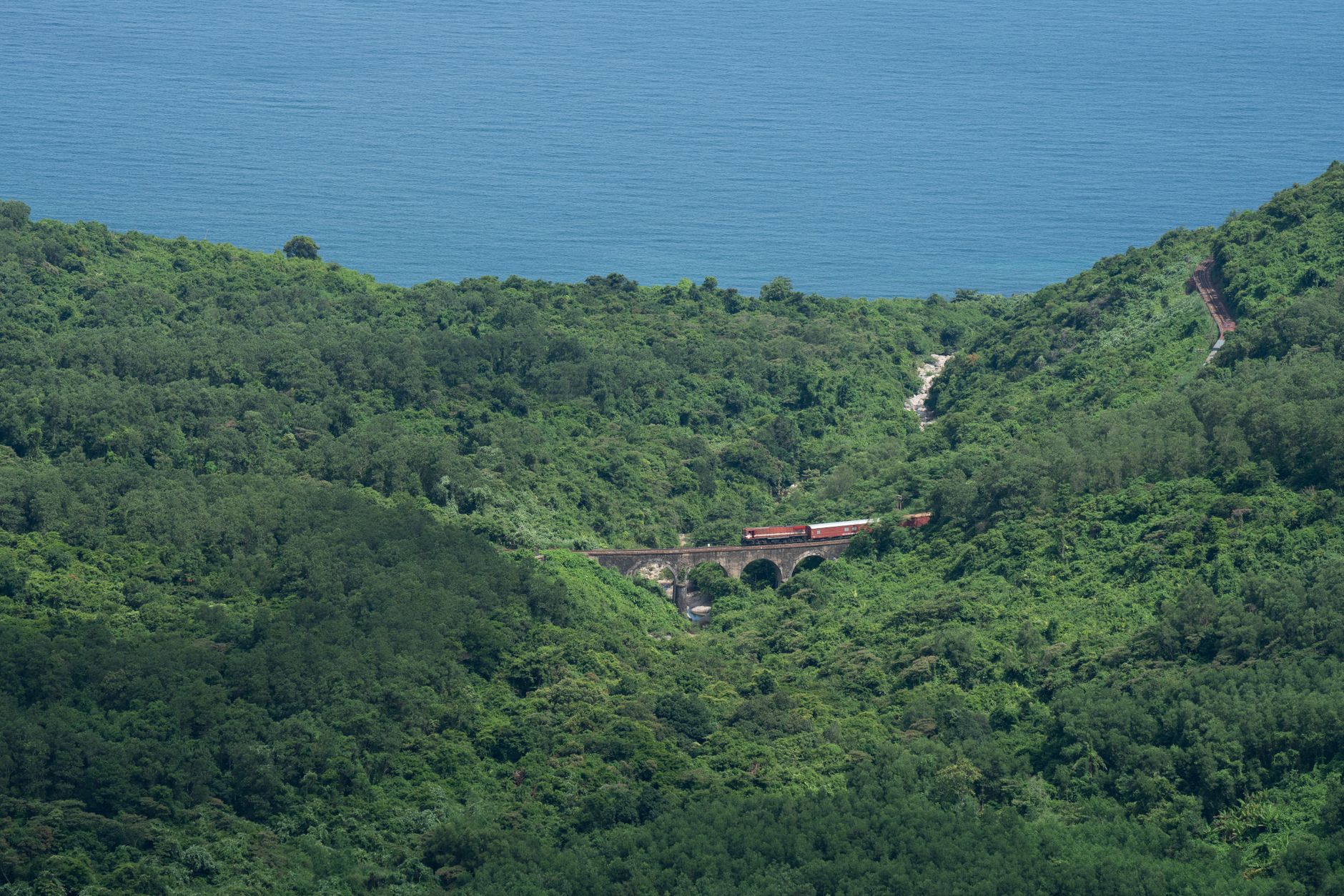
Hi Vân Pass (the mountain between Da Nang and Hoi An) is on most routes. Roads are well-maintained. Expect standard Southeast Asian traffic — horns, honking, and motorbikes weaving. Travel during daylight if possible, especially if driving yourself. Most hotels in either city can book transport for you; it's convenient but often more expensive than booking direct via Grab or renting independently.
Last updated · May 26, 2026 · independently researched, never sponsored.