What Dam Ao Chau actually is
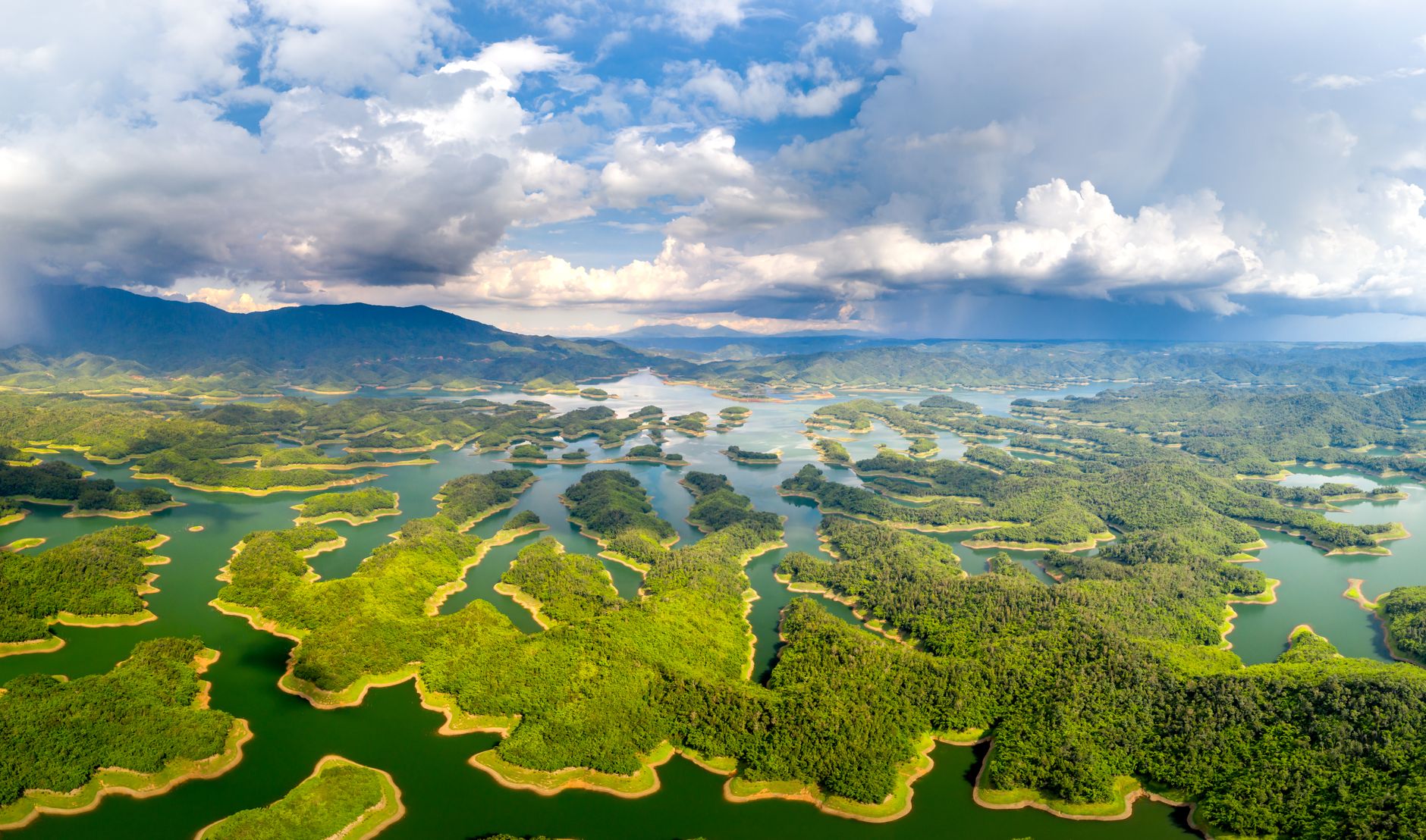
Dam Ao Chau is a large natural freshwater lagoon in Ha Hoa district, Phu Tho province, spread across roughly 300 hectares of water surface dotted with small islands, fish ponds, and lotus beds. The name translates loosely to "Pearl Pond Lagoon," and locals sometimes just call it "Ao Chau." It sits in a shallow depression between low limestone hills, fed by streams running off the surrounding ridgelines.
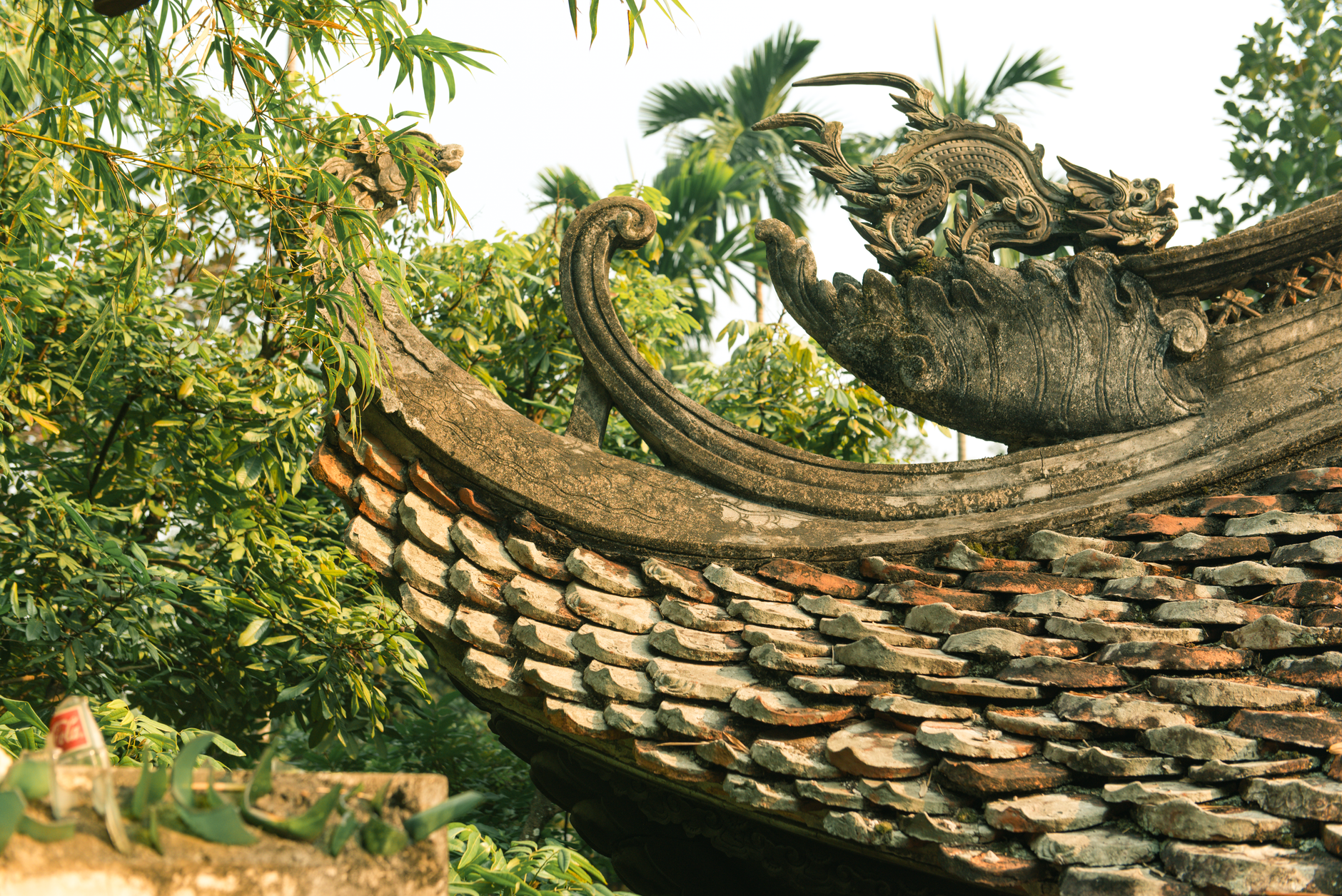
The lagoon has been here for centuries — it appears in regional records from the Le dynasty era, and the communities around it have fished and farmed its edges for generations. During the French colonial period, a few minor infrastructure works shaped its current shoreline. None of that history screams at you when you visit. What you get instead is a working landscape: fish cages, rice paddies butting up against the water, and a scattering of small temples on the islands that locals still use for worship.
Phu Tho province is better known as the spiritual homeland of the Hung Kings — the Hung Kings Festival draws massive crowds each spring to Den Hung, about 40 km south of here. Dam Ao Chau gets a fraction of that attention, which is precisely why it works as a day trip or overnight side trip.
Why travelers go
Honestly, most don't — yet. Dam Ao Chau pulls domestic visitors on weekends, a handful of Hanoi photographers chasing lotus season, and the occasional cyclist doing a loop through Phu Tho's back roads. The draw is simple: it's a genuinely quiet place with open water, green surroundings, and no entrance fee infrastructure trying to funnel you through a gift shop.
If you're already heading to Phu Tho for Den Hung or passing through on the way toward Sapa or Ha Giang via the inland route, Dam Ao Chau is a worthwhile detour. It's not a destination you'd fly across the country for, but it rewards the kind of traveler who likes slow mornings and local texture over checklist sights.
Best time to visit
The sweet spot is May through September, and within that window, June and July are peak lotus season. The lagoon fills with pink and white blooms, and the light in early morning — around 5:30 to 7:00 AM — is genuinely good. The air is warm and humid but not yet at the suffocating August peak.
October through February is cooler and drier, which makes for comfortable cycling weather, but the lagoon looks more muted — grey water, bare lotus stalks. Still pleasant, just less photogenic.
Avoid the weeks right around the Hung Kings Festival (usually around the 10th day of the 3rd lunar month, typically March or April). You won't have crowds at Dam Ao Chau itself, but roads through Phu Tho get congested and accommodation books up.
How to get there from Hanoi
Dam Ao Chau is roughly 90 km northwest of Hanoi (하노이 / 河内 / ハノイ), in Ha Hoa district.
- Motorbike or car: Take QL32 (National Highway 32) northwest out of Hanoi through Son Tay, then continue toward Phu Tho city before cutting north on DT320 toward Ha Hoa. Total ride time is about 2 to 2.5 hours by motorbike, a bit less by car. The road is paved the entire way, though DT320 narrows in spots.
- Bus: Catch a bus from My Dinh bus station to Ha Hoa town (around 80,000–100,000 VND, roughly 2.5 hours). From Ha Hoa town center, you'll need a "xe om" (motorbike taxi) for the last 5–7 km to the lagoon — expect 30,000–50,000 VND.
- Grab/taxi from Hanoi: Possible but pricey — around 800,000–1,000,000 VND one way. Only makes sense if you're splitting costs.
There's no train service to Ha Hoa.

Photo by Quang Nguyen Vinh on Pexels
What to do
Take a boat across the lagoon
Local fishermen offer short boat trips on narrow wooden vessels. There's no formal ticket booth — you negotiate at the waterfront. Expect 100,000–200,000 VND for a 30- to 45-minute loop through the islands. The ride is slow, the engine putters, and you pass close enough to lotus beds to touch the leaves. Some of the small islands have modest shrines you can step onto.
Cycle the perimeter
The lagoon's edge follows a rough loop of about 12–15 km on village roads and dirt tracks. Bring your own bike or rent one in Ha Hoa town if available (options are limited — a motorbike is more reliable). The terrain is flat, the traffic is mostly water buffalo and the occasional farm truck. You'll pass through two or three small hamlets where people are genuinely surprised to see a foreigner.
Visit the temples on the islands
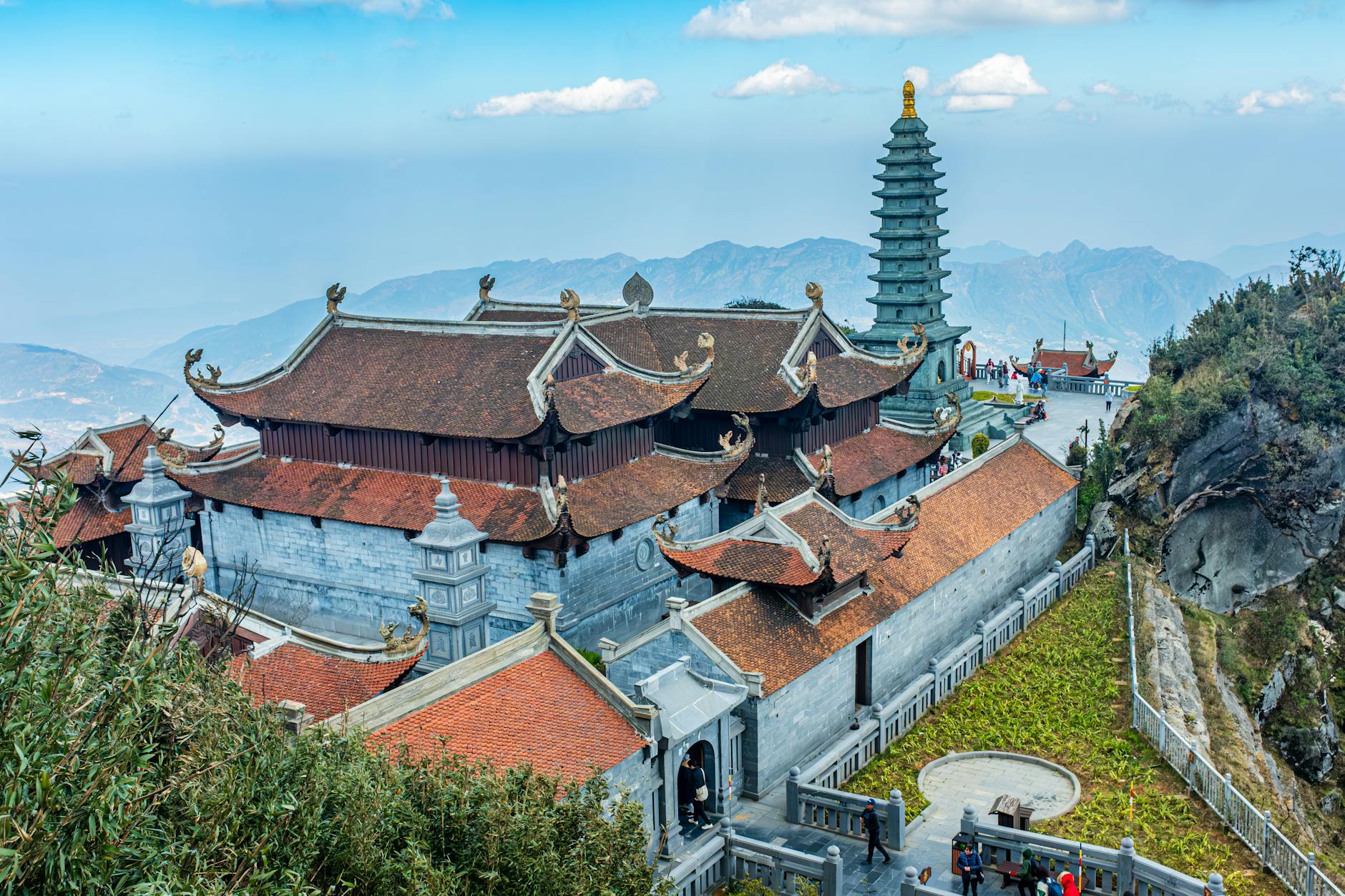
A couple of the lagoon's islets hold small communal temples — "dinh" — that date back several hundred years. They're modest wooden structures, not grand pagodas, but they're actively maintained and offer a sense of how rural spiritual life works in the midlands. Remove your shoes, keep your voice down, and you're welcome.
Photograph lotus season
If you're here in June or July, the lotus fields are the main event. Get there before 7 AM — the flowers close up as the sun climbs. The best vantage points are from the southeast bank, where you can shoot across the water toward the hills.
Walk through Ha Hoa town
Ha Hoa itself is a small district capital with a daily market worth wandering. It's not a tourist market — you'll find local produce, dried river fish, "nem chua" (fermented pork rolls, a Phu Tho specialty), and cheap Vietnamese coffee at plastic-chair stalls.
Where to eat nearby
Phu Tho's food identity leans toward midlands comfort dishes. Two things to seek out:
- "Com lam" — sticky rice cooked inside bamboo tubes, often served with grilled pork or chicken. You'll find it at small eateries along the road between Ha Hoa and the lagoon. Around 30,000–50,000 VND per portion.
- "Thit chua" — sour fermented pork, a Muong-influenced dish common in this part of the north. It's tangy, slightly funky, and served with fresh herbs and rice crackers. Ask at any local "quan com" (rice shop) in Ha Hoa.
For Vietnamese coffee (베트남 커피 / 越南咖啡 / ベトナムコーヒー), any roadside stall in Ha Hoa town will do. Don't expect specialty roasts — this is robust, sweet, condensed-milk territory.
Where to stay
Accommodation near Dam Ao Chau is basic. Options:
- Nha nghi (guesthouses) in Ha Hoa town: 200,000–350,000 VND per night. Clean enough, fan or air-con, hot water usually available. Don't expect English-speaking staff.
- Homestays near the lagoon: A few families have started offering rooms. Facilities are minimal — a mattress, mosquito net, shared bathroom — but the setting is right on the water. Around 150,000–250,000 VND including a basic dinner.
- Phu Tho city hotels: If you want more comfort, Phu Tho city (about 30 km south) has proper hotels in the 400,000–800,000 VND range with reliable Wi-Fi and air-con.
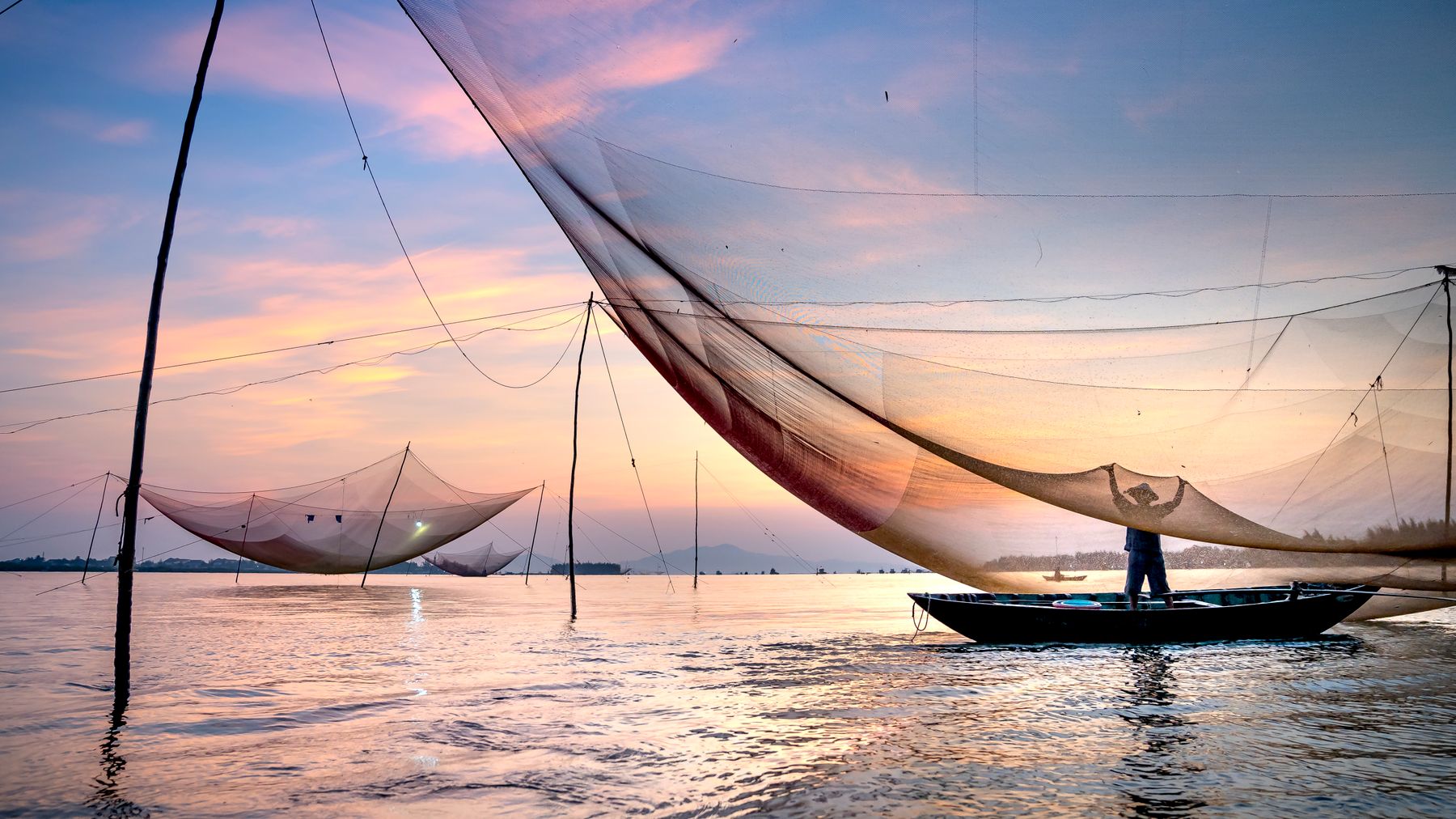
Photo by Quang Nguyen Vinh on Pexels
Practical tips locals would tell you
- Bring cash. There are no ATMs at the lagoon and only one or two in Ha Hoa town center. Cards are not accepted anywhere nearby.
- Mosquito repellent is non-negotiable, especially at dawn and dusk near the water.
- Wear long pants and closed shoes if you're walking the muddy tracks around the lagoon edge — it's not boardwalked.
- Learn a few Vietnamese phrases. Almost nobody here speaks English. "Bao nhieu tien" (how much?) and "cam on" (thank you) go a long way.
Common mistakes to avoid
- Showing up mid-afternoon in summer. The heat flattens everything — the light is harsh, the lotus flowers are closed, and you'll just sweat. Come early morning or late afternoon.
- Expecting signage. There are almost no directional signs to the lagoon in English. Download offline maps (Google Maps has the area reasonably well mapped) before you leave Hanoi.
- Trying to do it as a rushed half-day from Hanoi. With 2+ hours each way, you'll spend most of your time on a motorbike seat. Stay overnight in Ha Hoa or combine it with a visit to Den Hung to justify the trip.
Practical notes
Dam Ao Chau isn't trying to be a tourist attraction, and that's its best quality. Budget a full day minimum — ideally an overnight — and pair it with Phu Tho's other draws like Den Hung or the tea hills around Thanh Son. This is the kind of place that rewards patience and early alarms.
Last updated · May 16, 2026 · independently researched, never sponsored.